
Travel to Verona italy and discover one of Italy’s most charming historic cities, famous for its Roman architecture, beautiful squares, elegant streets, and connection to Shakespeare’s Romeo and Juliet. Located in the Veneto region of northern Italy, Verona offers a wonderful combination of history, culture, food, shopping, and Italian atmosphere.
Although Verona is closely associated with the fictional love story of Romeo and Juliet, the city has much more to offer. Its historic center is filled with ancient monuments, medieval buildings, Renaissance architecture, lively cafés, and traditional restaurants.
Verona is also conveniently located between Milan and Venice, making it an excellent destination for a weekend getaway or a stop on a northern Italy itinerary. Whether you are visiting for one day or several nights, this guide covers the best places to visit in Verona, things to do, local food, where to stay, transportation, and useful Verona travel tips.
Why Travel to Verona?
Verona is one of those Italian cities where you can experience several centuries of history within a relatively compact area.
The city was shaped by Roman, medieval, Venetian, and Austrian influences, and its historic center reflects this diverse past. Roman ruins stand alongside medieval streets and Renaissance buildings.
Verona is also famous for its romantic atmosphere. Visitors come to see Juliet’s House, but the city’s appeal extends far beyond Shakespeare.
The combination of historic attractions, walkable streets, traditional food, and convenient train connections makes Verona an appealing destination for different types of travelers.
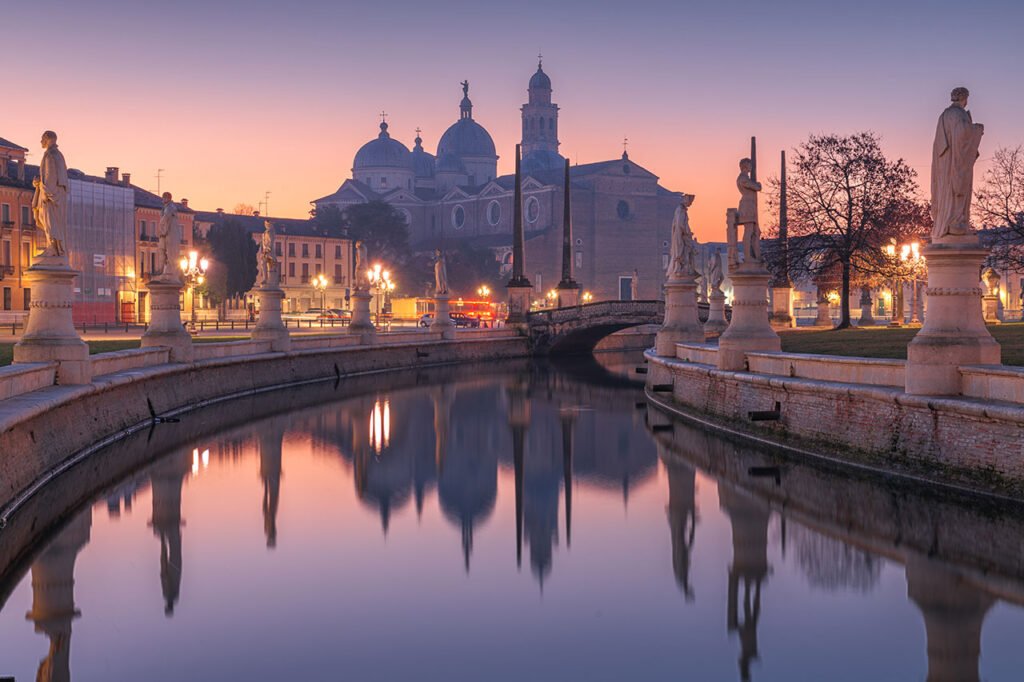
Best Time to Visit Verona
The best time to travel to Verona depends on the weather and the type of experience you want.
Spring
Spring is an excellent time to visit Verona. The weather is generally comfortable for walking, and the city becomes lively as outdoor cafés and restaurants open their terraces.
April and May are particularly pleasant for sightseeing because temperatures are usually suitable for exploring the historic center.
Summer
Summer brings warm weather and long days. June can be a comfortable month for sightseeing, while July and August can become hot during the afternoon.
Summer is also a popular period for tourists, so accommodation and major attractions can be busier.
Autumn
September and October are attractive months for a Verona trip. The weather can remain pleasant, while the crowds may be more manageable than during the busiest summer period.
Autumn is also a good season for enjoying Italian food and exploring the surrounding Veneto countryside.
Winter
Winter is quieter and cooler. If you prefer fewer crowds and do not mind colder weather, this can be a peaceful time to explore Verona.
The city also has a festive atmosphere around the holiday season.
Best Places to Visit in Verona
Verona’s historic center is home to many important attractions, most of which can be explored on foot.
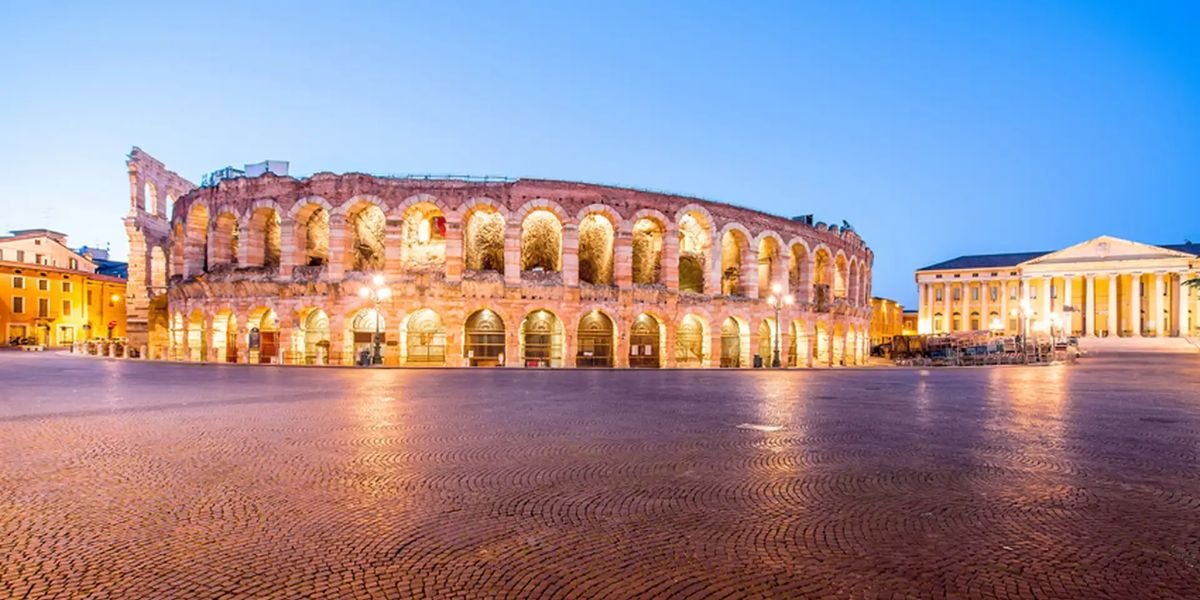
Verona Arena
The Verona Arena is one of the city’s most recognizable landmarks.
Built during the Roman period, this enormous amphitheater remains one of the best-preserved ancient structures of its kind.
Today, the arena is also known for hosting concerts and opera performances. Even if you do not attend an event, seeing the structure from Piazza Bra is an essential part of visiting Verona.
Piazza Bra
Piazza Bra is one of Verona’s largest and most important public squares.
The square is surrounded by cafés, restaurants, historic buildings, and the famous Verona Arena. It is a popular starting point for exploring the city.
Take some time to walk around the square before continuing toward Verona’s historic center.
Juliet’s House
Juliet’s House, or Casa di Giulietta, is one of Verona’s most famous attractions.
The site is associated with Shakespeare’s Romeo and Juliet and attracts visitors interested in the city’s romantic history.
The courtyard features the famous Juliet balcony and a statue associated with the character.
It is worth remembering that Romeo and Juliet is a literary story rather than documented local history, but the attraction has become an important part of Verona’s tourism identity.
Piazza delle Erbe
Piazza delle Erbe is one of the most beautiful squares in Verona.
The square has a long history and is surrounded by historic buildings, cafés, restaurants, and market stalls.
It is an excellent place to stop for coffee, lunch, or an evening drink while enjoying the architecture and atmosphere.
Piazza dei Signori
Located close to Piazza delle Erbe, Piazza dei Signori is another elegant historic square.
The square is surrounded by impressive buildings and has a quieter atmosphere than some of Verona’s busier tourist areas.
It is connected to several historic landmarks and can easily be included in a walking tour.
Torre dei Lamberti
Torre dei Lamberti rises above the historic center and provides panoramic views over Verona.
If you enjoy city viewpoints, climbing or visiting the tower can be a rewarding experience.
From the top, you can see Verona’s red rooftops, historic buildings, surrounding hills, and parts of the wider Veneto landscape.
Castelvecchio
Castelvecchio is a medieval fortress and one of Verona’s most important historic buildings.
The castle now houses a museum with an impressive collection of art and historical objects.
The structure itself is also worth exploring for its architecture, defensive walls, and bridge.
Castelvecchio Bridge
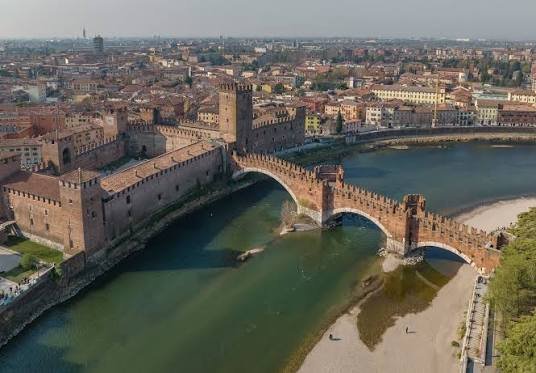
The Castelvecchio Bridge, also known as Ponte Scaligero, crosses the Adige River beside the castle.
The medieval bridge features distinctive brick construction and defensive elements.
Walking across the bridge offers excellent views of the river and surrounding parts of the city.
Verona Cathedral
Verona Cathedral, or Duomo di Verona, is another important religious landmark.
The cathedral complex includes several architectural styles that reflect the city’s long history.
It is located in a quieter part of the historic center and can be combined with a walk along the nearby river.
Basilica of San Zeno
The Basilica of San Zeno is one of Verona’s most impressive Romanesque churches.
Its architecture, sculptures, and historic artwork make it worth visiting for travelers interested in art and history.
The basilica is located slightly outside the central tourist area, but it can still be reached relatively easily on foot or by local transportation.
Best Things to Do in Verona
There are plenty of ways to enjoy Verona beyond visiting individual landmarks.
Walk Through the Historic Center
One of the best things to do in Verona is simply walk through the historic center.
Start at Piazza Bra and continue toward the Arena, Piazza delle Erbe, Piazza dei Signori, and Juliet’s House.
Along the way, you will discover narrow streets, traditional shops, cafés, historic buildings, and small squares.
Walk Along the Adige River
The Adige River curves through Verona and provides beautiful views of the city’s historic architecture.
A leisurely riverside walk is particularly enjoyable in the morning or around sunset.
The river also provides a different perspective of Verona’s bridges, buildings, and historic neighborhoods.
Enjoy Verona’s Café Culture
Take a break from sightseeing at one of the city’s cafés.
Order an Italian espresso, cappuccino, or another local coffee and spend some time watching everyday life around the historic squares.
Piazza delle Erbe and Piazza Bra are popular areas for enjoying a drink while taking in the atmosphere.
Explore Local Shops
Verona has a mix of international brands, Italian fashion stores, independent boutiques, and traditional shops.
The streets around Via Mazzini are particularly popular for shopping.
You can also find smaller stores selling local products, handmade items, food, wine, and souvenirs.
Enjoy Verona After Sunset
Verona becomes particularly atmospheric in the evening.
Historic buildings and squares are illuminated, restaurants become lively, and locals gather for dinner and drinks.
Take an evening walk through Piazza delle Erbe, Piazza dei Signori, and the surrounding streets before enjoying a traditional Italian dinner.
What to Eat in Verona
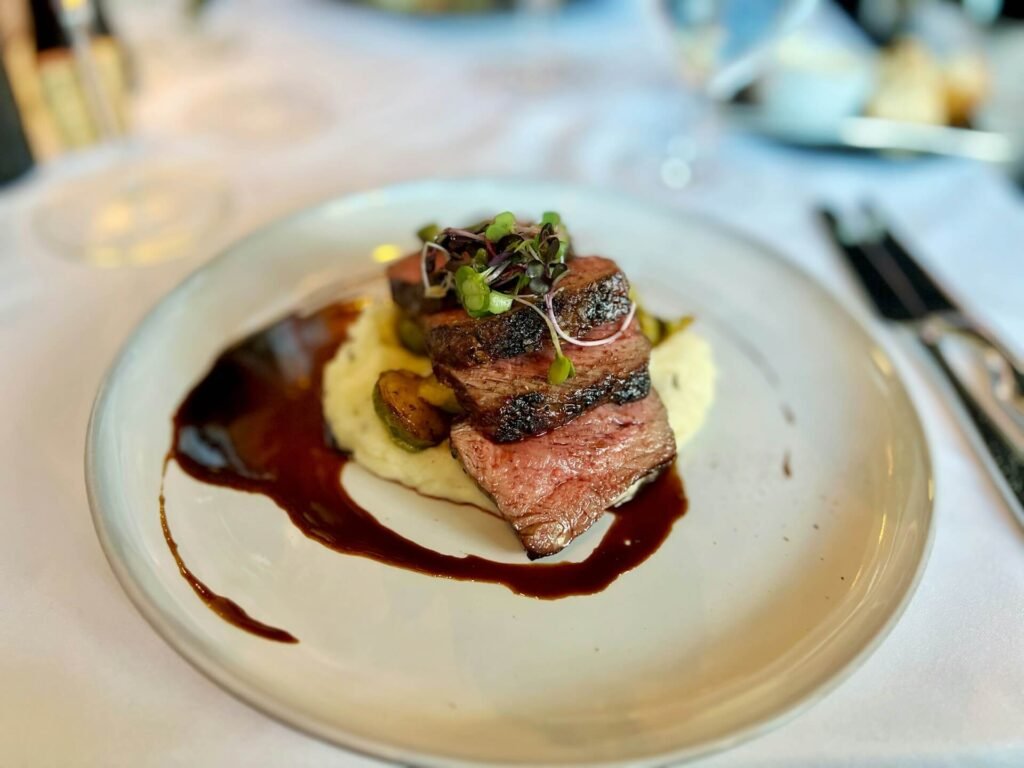
Food is an important part of the Verona experience. The local cuisine reflects the traditions of the Veneto region.
Risotto all’Amarone
One of Verona’s distinctive dishes is risotto prepared with Amarone wine.
The dish combines creamy risotto with the rich flavor of the local wine and is a popular choice for travelers interested in regional cuisine.
Bigoli
Bigoli is a thick pasta traditionally associated with the Veneto region.
It can be served with different sauces and is commonly found in traditional restaurants.
Pastissada de Caval
Pastissada de Caval is a historic Veronese stew traditionally prepared with horse meat.
It is a regional specialty, although travelers should check the ingredients before ordering if they have dietary restrictions or preferences.
Polenta
Polenta is another traditional food from northern Italy and is commonly served with meat, cheese, mushrooms, or sauces.
It is especially appealing during the cooler months.
Local Wine
The Verona area is surrounded by important wine-producing regions.
Amarone, Valpolicella, and Soave are among the wines associated with the wider Veneto area.
Wine lovers can visit local wine bars or consider taking a day trip to nearby vineyards.
Where to Stay in Verona
Choosing the right area can make your Verona trip easier.
Historic Center
The historic center is the most convenient choice for first-time visitors.
You will be close to the Arena, Piazza delle Erbe, Juliet’s House, restaurants, cafés, and many other attractions.
Staying here also allows you to explore the city mostly on foot.
Near Piazza Bra
The area around Piazza Bra is convenient for visitors who want easy access to the Arena and the main pedestrian streets.
It is particularly useful for short stays because many attractions are nearby.
Near Verona Porta Nuova
The area around Verona Porta Nuova railway station can be convenient for travelers arriving by train or planning day trips.
It is slightly farther from the historic center, but local buses and walking routes make the city accessible.
How to Get Around Verona
Verona is relatively compact, and most central attractions can be reached without a car.
Walking
Walking is the best way to explore the historic center.
Many of the main attractions are close together, and walking lets you discover smaller streets and hidden corners.
Public Buses
Local buses are useful when traveling beyond the historic center or reaching attractions that are farther away.
They can also be convenient for travelers staying near the train station.
Bicycle
Cycling can be a practical way to explore Verona and surrounding areas.
Some travelers also choose bicycles for visiting nearby neighborhoods and countryside.
Taxi
Taxis are useful when carrying luggage, traveling late, or reaching locations that are less convenient by public transportation.
How Many Days Do You Need in Verona?
Two days is a comfortable amount of time for most first-time visitors.
One Day in Verona
With one day, focus on the Arena, Piazza Bra, Juliet’s House, Piazza delle Erbe, Piazza dei Signori, and Torre dei Lamberti.
Finish the day with dinner in the historic center.
Two Days in Verona
Two days allow you to explore the major attractions at a more relaxed pace.
You can add Castelvecchio, the cathedral, Basilica of San Zeno, shopping, and a longer riverside walk.
Three Days in Verona
Three days give you time to explore the city slowly and take a short excursion into the surrounding wine region.
You can also use the extra day for a nearby destination such as Lake Garda.
Day Trips From Verona
Verona’s location makes it an excellent base for exploring northern Italy. If you have more than two days in the city, consider adding a day trip to your itinerary. Several destinations can be reached relatively easily by train or car, offering a change of scenery while allowing you to return to Verona in the evening.
Lake Garda
Lake Garda is one of the most popular day trips from Verona. Italy’s largest lake is surrounded by scenic towns, mountains, historic buildings, and beautiful waterfront areas.
Sirmione is particularly popular for its lakeside setting, historic center, and impressive castle. Peschiera del Garda is another convenient option, especially for travelers using the train. Desenzano del Garda offers a lively waterfront, restaurants, and pleasant views across the lake.
You can spend the day walking around a lakeside town, enjoying a meal, taking a boat ride, or simply relaxing near the water.
Venice
Venice can be reached from Verona by train, making it a possible day trip for travelers with enough time.
A day in Venice allows you to explore famous canals, historic bridges, public squares, churches, and traditional neighborhoods. Start early to maximize your time and return to Verona in the evening.
Although one day is not enough to experience everything Venice offers, it can provide a memorable introduction to the city.
Mantua
Mantua, or Mantova, is another interesting destination near Verona. The city is known for Renaissance architecture, historic palaces, elegant squares, and its cultural heritage.
Mantua has a quieter atmosphere than some of Italy’s more famous tourist cities, making it a good choice if you prefer a relaxed day of sightseeing.
Valpolicella Wine Region
Wine lovers can explore the Valpolicella region near Verona. The countryside is known for vineyards, wineries, traditional villages, and scenic landscapes.
A guided wine tour can be a convenient option if you want to learn about local wines and enjoy tastings without worrying about driving. You can also combine a winery visit with a leisurely lunch featuring regional food.
Verona Travel Tips
A few simple tips can make your trip to Verona more comfortable, enjoyable, and easier to plan. The city is compact and walkable, but knowing when to visit attractions, what to pack, and where to spend your time can help you get more from your Verona experience.
Wear Comfortable Shoes
Verona is best explored on foot, so comfortable shoes are important. Many of the city’s main attractions are located close together, but you may spend several hours walking between historic squares, churches, museums, shops, and restaurants.
Choose footwear that is comfortable for walking on stone streets and uneven surfaces. Comfortable shoes are especially useful if you plan to explore the city from morning until evening.
Book Popular Attractions Early
Some major attractions can become busy, particularly during peak travel periods. If you have specific plans to visit the Verona Arena, museums, or other popular attractions, checking availability and booking ahead can help you avoid unnecessary waiting.
This is particularly useful if you have a short itinerary and want to make the most of your time.
Visit Major Attractions Early
Starting your sightseeing early can help you avoid some of the busiest periods. This is especially useful during summer when temperatures can rise during the afternoon.
Visiting major landmarks earlier also gives you more time later in the day to enjoy cafés, shopping, local restaurants, and relaxed walks around the historic center.
Explore Beyond Romeo and Juliet
Juliet’s House is one of Verona’s most famous attractions, but the city has much more to offer. Spend time exploring Roman ruins, medieval architecture, historic churches, museums, markets, and the Adige River.
Taking time to explore quieter streets can give you a better sense of Verona beyond its famous romantic connection.
Try Regional Food
Make time to enjoy traditional Veronese and Veneto cuisine. Try dishes such as risotto all’Amarone, bigoli, polenta, and other regional specialties.
A meal in a local trattoria can be just as memorable as visiting a famous landmark.
Carry a Small Umbrella
Weather can change, particularly during spring and autumn. A compact umbrella can be useful if you plan to spend most of your day outdoors.
It takes up little space in your luggage and can make unexpected rainy periods much easier to manage.
Is Verona Expensive?
Verona can accommodate different travel budgets, although prices vary depending on the season and location.
Hotels in the historic center and near major attractions can be more expensive, particularly during busy periods and major events.
Food prices also vary. Restaurants in heavily visited areas may charge more, while local trattorias and casual restaurants can offer more affordable options.
Walking is free and is usually the easiest way to explore the central attractions, helping keep transportation costs low.
Sample 3-Day Verona Itinerary
Historic Verona
Begin at Piazza Bra and visit the Verona Arena.
Walk through the historic center toward Juliet’s House and continue to Piazza delle Erbe.
Visit Piazza dei Signori and Torre dei Lamberti before enjoying dinner at a local restaurant.
Castles and Churches
Start your morning at Castelvecchio and walk across the Castelvecchio Bridge.
Continue toward Verona Cathedral and explore the surrounding streets.
Visit the Basilica of San Zeno and spend the evening walking along the Adige River.
Relax and Explore
Use your final day to explore areas you missed.
You can go shopping along Via Mazzini, visit a museum, enjoy a long Italian lunch, or take a day trip to Lake Garda or the Valpolicella wine region.
Return to Verona for an evening meal and a final walk through the historic center.
Must Read:
- Travel to Heraklion greece: Best Places to Visit, Things to Do & Tips
- Travel to Bologna: Best Places to Visit, Things to Do & Tips
- Travel to Thessaloniki: Best Things to Do & Places to Visit
Final Thoughts:
Travel to Verona for a memorable combination of Roman history, medieval architecture, Italian food, romantic atmosphere, and beautiful city streets. From the impressive Verona Arena and Piazza delle Erbe to Castelvecchio, the Adige River, and the famous landmarks connected with Romeo and Juliet, the city offers plenty to explore.
Verona’s compact historic center makes sightseeing relatively easy, while its location provides convenient access to destinations such as Lake Garda, Venice, Mantua, and the Valpolicella wine region.
Whether you are planning a romantic getaway, a weekend city break, or a longer northern Italy itinerary, Verona is a destination that rewards travelers who take time to explore beyond its most famous attractions.