

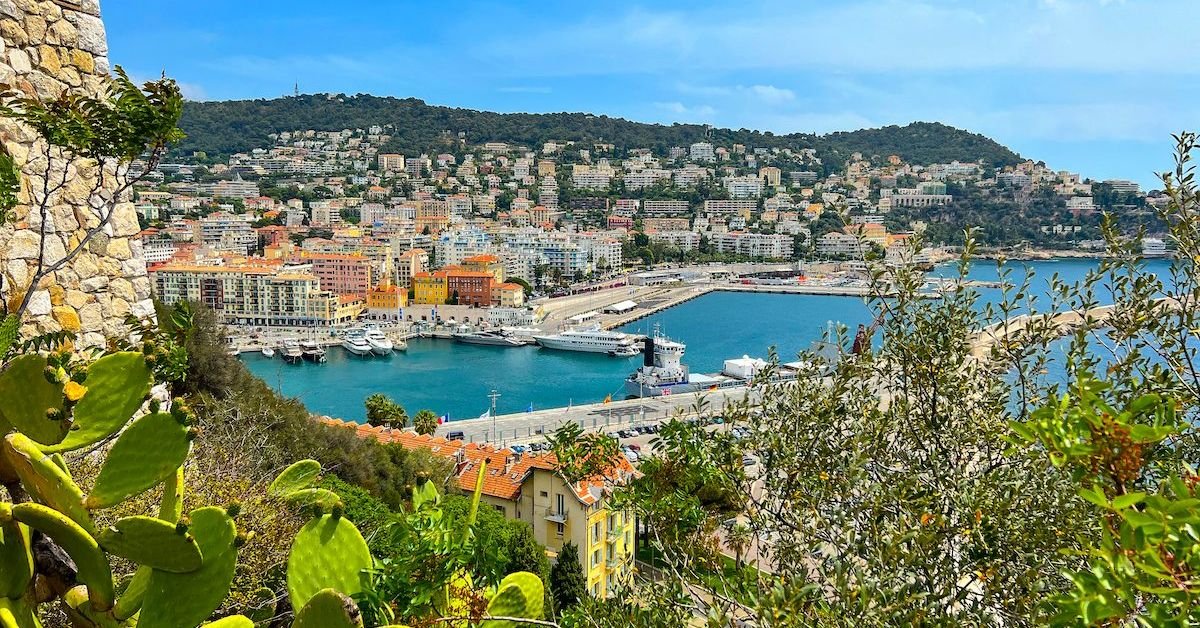
Travel to Nice France for a mix of Mediterranean scenery, historic streets, beautiful beaches, local cuisine, and the relaxed atmosphere of the French Riviera. Located on the southeastern coast of France, Nice is one of the most popular destinations on the Côte d’Azur and an excellent base for exploring nearby towns and coastal attractions.
From walking through the colorful streets of Old Nice to enjoying views from Castle Hill, there are plenty of things to do in Nice. The city also offers easy access to beaches, museums, markets, restaurants, and day trips along the French Riviera.
Whether you are planning a weekend getaway or a longer French Riviera vacation, this Nice travel guide covers the best places to visit, things to do, food to try, beaches, transportation, and practical travel tips.
Best Places to Visit in Nice
Nice has attractions for different types of travelers. You can explore historic landmarks in the morning, spend the afternoon beside the Mediterranean, and enjoy French cuisine in the evening.
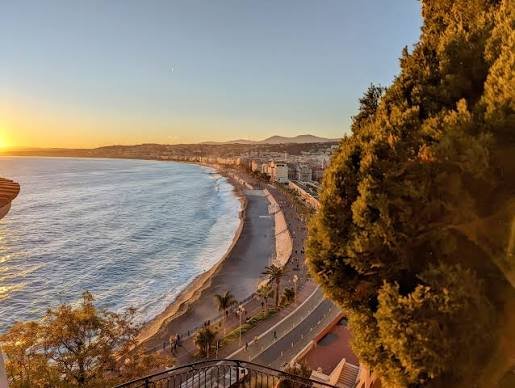
Promenade des Anglais
The Promenade des Anglais is one of the most recognizable attractions in Nice. This long waterfront boulevard stretches along the Mediterranean and is ideal for walking, cycling, sightseeing, and enjoying the coastal scenery.
The promenade is particularly beautiful around sunrise and sunset. Along the way, you will find palm trees, cafés, hotels, and plenty of places to stop and admire the sea.
Walking along the Promenade des Anglais is one of the easiest things to do when you first arrive in Nice. It gives you an immediate sense of the city’s Mediterranean character.
Vieux Nice
Vieux Nice, or Old Nice, is the historic heart of the city. Its narrow streets, colorful buildings, small shops, restaurants, and lively squares make it one of the best areas to explore on foot.
Take your time walking through the old town rather than following a strict itinerary. You can discover small bakeries, local food shops, cafés, churches, and traditional markets along the way.
The area becomes especially lively in the evening when restaurants and outdoor terraces fill with visitors.
Castle Hill
Castle Hill, known as Colline du Château, offers some of the most impressive views in Nice. Although the historic castle itself no longer stands, the hill is an excellent viewpoint overlooking the city, coastline, and Baie des Anges.
You can walk up the hill or use the elevator when it is operating. The top has viewpoints, green spaces, pathways, and a waterfall.
For photographers, Castle Hill is particularly appealing because you can capture panoramic views of Nice from above.
Place Masséna
Place Masséna is one of Nice’s major public squares and an important meeting point between the historic center, shopping areas, and the waterfront.
The large open square is surrounded by distinctive architecture and is easy to reach from many parts of central Nice.
It is worth visiting during both the day and evening. Its central location also makes it a convenient starting point for exploring other Nice attractions.
Cours Saleya Market
Cours Saleya is a popular market area in Vieux Nice. Depending on the day and season, you can find flowers, fresh produce, local products, and other market goods.
The market is also surrounded by cafés and restaurants, making it a good place to combine sightseeing with a meal or coffee break.
If you want to experience the local atmosphere of Nice, adding Cours Saleya to your itinerary is worthwhile.
Musée Matisse
Art lovers should consider visiting the Musée Matisse, dedicated to the French artist Henri Matisse, who had a strong connection with Nice.
The museum contains a collection related to his artistic career and provides insight into his work and creative development.
It is located in the Cimiez area, which also has other historical and cultural attractions, making it convenient to combine several sights during one visit.
Cimiez
Cimiez is one of the city’s important historic neighborhoods. It is known for its Roman remains, gardens, museums, and religious sites.
The area offers a quieter experience compared with the busy streets of Vieux Nice. Visitors interested in history and architecture can spend several hours exploring Cimiez.
The combination of Roman heritage, art, gardens, and panoramic scenery makes it a useful addition to a Nice itinerary.
Best Beaches in Nice
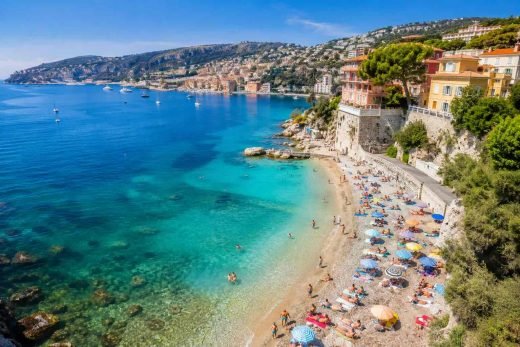
One of the biggest reasons people travel to Nice France is its Mediterranean coastline. Nice beaches are different from the sandy beaches found in some other European destinations because much of the city’s shoreline consists of smooth stones and pebbles.
Plage Beau Rivage
Plage Beau Rivage is located close to the center of Nice and offers easy access to the Mediterranean.
Its central location makes it convenient if you want to combine a beach visit with sightseeing in the city.
Plage Castel
Located near Castle Hill, Plage Castel is another popular option. Its position provides a scenic setting close to the historic center.
The water can look particularly beautiful on sunny days, making this part of the coast popular with photographers and visitors looking for Mediterranean views.
Blue Beach
Blue Beach is located along the Promenade des Anglais and provides access to the sea along with facilities for visitors.
Private beaches in Nice may offer sun loungers, food, drinks, and other services, while public beaches allow you to enjoy the coastline without paying for a private beach setup.
Beach Tips for Nice
Remember that many beaches in Nice are pebbly rather than sandy. Water shoes can make entering and leaving the water more comfortable.
During summer, the coastline can become busy, so arriving earlier in the day can make it easier to find a comfortable spot.
Always pay attention to local swimming conditions and any safety information displayed at the beach.
Things to Do in Nice
Beyond traditional sightseeing, Nice offers plenty of activities that allow you to experience the city at a slower pace.
Walk Along the Mediterranean
A simple walk along the waterfront can be one of the most enjoyable experiences in Nice.
Start around the central part of the Promenade des Anglais and continue toward the Old Port or Castle Hill. Along the way, you can stop for photographs, coffee, or a meal.
The combination of blue water, palm trees, architecture, and mountain scenery creates the classic French Riviera atmosphere.
Explore Nice Old Town
Give yourself at least a few hours to explore Vieux Nice.
Rather than visiting only the major landmarks, wander through side streets and look for traditional shops, local restaurants, bakeries, and small cafés.
The Old Town is also a good place to try local Niçoise specialties.
Visit the Old Port
Nice’s Old Port is another attractive area for a leisurely walk. The harbor is surrounded by boats, restaurants, and colorful buildings.
It is also a useful starting point for exploring the eastern side of the city and nearby coastal areas.
Enjoy a French Riviera Sunset
Nice’s waterfront provides numerous locations for watching the sunset. The sky and Mediterranean often create beautiful evening scenery.
You can combine sunset viewing with dinner at a nearby restaurant or a relaxed walk through the city afterward.
Take a Day Trip
One advantage of staying in Nice is its location. Several famous French Riviera destinations can be reached relatively easily by public transportation or organized tours.
Popular day-trip options include Monaco, Menton, Antibes, Cannes, Èze, and Saint-Jean-Cap-Ferrat.
This makes Nice a convenient base if you want to explore more of the Côte d’Azur without changing hotels every night.
Best Food to Try in Nice
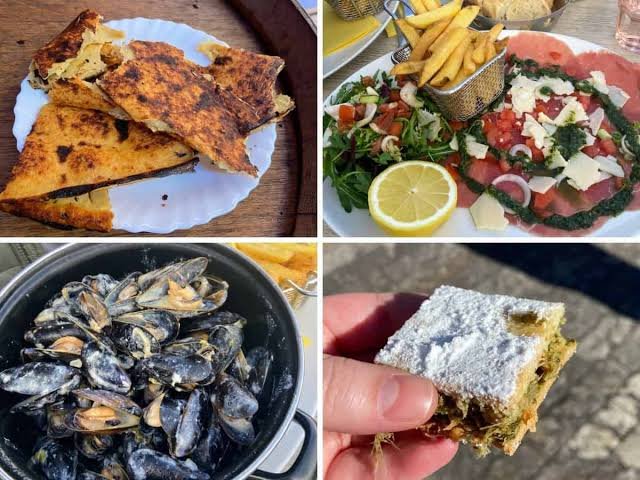
Food is an important part of the Nice experience. Local cuisine reflects Mediterranean ingredients and the city’s cultural connections with the wider region.
Socca
Socca is one of the foods most closely associated with Nice. It is a thin, savory pancake made primarily from chickpea flour, water, olive oil, and seasoning.
It is commonly served as a casual snack and is worth trying while exploring Vieux Nice.
Salade Niçoise
Salade Niçoise is another famous dish associated with Nice. Traditional versions generally feature ingredients such as vegetables, olives, tuna or anchovies, and eggs, although recipes vary.
When ordering it, you may find different interpretations depending on the restaurant.
Ratatouille
Ratatouille is a Mediterranean vegetable dish made with ingredients such as tomatoes, zucchini, eggplant, peppers, onions, and herbs.
It is widely associated with French cuisine and can be found in restaurants throughout the region.
Pan Bagnat
Pan bagnat is a traditional Nice sandwich made with a round bread roll filled with ingredients associated with Salade Niçoise.
It is convenient for travelers because you can enjoy it as a quick lunch while sightseeing.
Pissaladière
Pissaladière is a regional specialty that resembles a savory tart or flatbread. It typically features onions, olives, and anchovies.
It is commonly found in bakeries and food shops around Nice.
French Pastries
Do not leave Nice without trying some classic French pastries. Croissants, pain au chocolat, fruit tarts, and other pastries are easy to find at local bakeries.
For breakfast, picking up a fresh pastry and coffee before exploring the city is a simple way to start the day.
Best Time to Travel to Nice France
Nice has a Mediterranean climate, making it a destination that can be visited throughout much of the year.
Spring
Spring brings comfortable sightseeing conditions and generally fewer visitors than the peak summer period.
April and May can be particularly appealing for travelers who want to explore attractions without the intense summer heat.
Summer
Summer is the busiest season in Nice. Warm weather makes it ideal for beaches, swimming, outdoor dining, and coastal activities.
However, accommodation prices can be higher and popular areas can become crowded.
If you plan to travel during July or August, booking hotels and transportation in advance is recommended.
Autumn
September and early October can be excellent times to visit. The weather can remain warm enough for outdoor activities while crowds may start to decrease.
Autumn is also a good season for walking around Nice and taking day trips.
Winter
Winter is quieter and can be suitable for travelers interested mainly in culture, food, museums, and sightseeing.
You will not have the same beach experience as summer, but the city can offer a more relaxed atmosphere.
How to Get Around Nice
Nice has a relatively convenient public transportation network, making it possible to explore much of the city without renting a car.
Walking
Walking is one of the best ways to explore central Nice. Vieux Nice, Place Masséna, the Promenade des Anglais, and several major attractions are within walking distance of one another.
Comfortable shoes are important because you may spend several hours walking on streets and uneven surfaces.
Tram
The tram system connects important parts of Nice and can be useful for getting around the city quickly.
It is particularly convenient when you want to travel farther than you would comfortably walk.
Bus
Buses connect Nice with various neighborhoods and surrounding destinations.
If you are planning day trips around the French Riviera, check current routes and schedules before leaving.
Car Rental
A rental car can be useful for exploring areas outside Nice, especially if you want to visit smaller villages or scenic locations.
However, driving and parking in central Nice can be inconvenient. For many travelers, public transportation is sufficient for the city itself.
Where to Stay in Nice

Choosing the right neighborhood can make your trip more convenient.
Vieux Nice
Stay in Old Nice if you want to be close to historic streets, restaurants, markets, and nightlife.
This area is particularly suitable for travelers who enjoy being in the middle of the city’s atmosphere.
City Center
The central area around Avenue Jean Médecin and Place Masséna offers convenient access to shops, restaurants, transportation, and major attractions.
It can be a practical choice for first-time visitors.
Promenade des Anglais
Staying near the Promenade des Anglais puts you close to the beach and waterfront.
Sea-view accommodations can be attractive, although prices vary considerably depending on the property, season, and exact location.
Port Area
The Port area offers restaurants, cafés, and access to the eastern side of the city.
It can also be convenient if you plan to explore destinations along the coast.
How Many Days Do You Need in Nice?
For most first-time visitors, three days in Nice provides enough time to experience the main attractions without rushing.
One Day in Nice
With one day, focus on Vieux Nice, Cours Saleya, Place Masséna, the Promenade des Anglais, and Castle Hill.
This gives you a good introduction to the city’s historic center and coastline.
Two Days in Nice
With two days, you can explore the main attractions at a more relaxed pace and spend some time at the beach.
You can also visit museums or explore neighborhoods such as Cimiez.
Three Days in Nice
Three days allow you to explore Nice while also taking a day trip to another French Riviera destination.
You could visit Èze, Monaco, Antibes, or Menton depending on your interests.
Four or More Days
A longer stay gives you more time to explore the Côte d’Azur.
You can combine Nice with several nearby destinations while keeping enough time for relaxing, dining, and enjoying the beaches.
Nice Travel Tips
A little planning can make your travel to Nice France more comfortable, especially if you are visiting during the busy summer season. From choosing your accommodation to getting around the city, these practical Nice travel tips can help you enjoy your trip with fewer hassles.
Book Accommodation Early
If you plan to visit Nice during June, July, or August, consider booking your accommodation well in advance. Hotels, apartments, and vacation rentals near the Promenade des Anglais and Vieux Nice can become busy during peak travel periods. Booking early also gives you more choices when it comes to location, room type, and budget.
Wear Comfortable Shoes
Nice is an excellent city to explore on foot. You may spend several hours walking through Vieux Nice, visiting local markets, exploring historic streets, and strolling along the Promenade des Anglais. Comfortable walking shoes are especially useful because some older streets and pathways can have uneven surfaces.
Carry Sun Protection
The Mediterranean climate means plenty of sunshine, particularly during the warmer months. Pack sunscreen, sunglasses, and a lightweight hat if you expect to spend a lot of time outdoors. Staying hydrated is also important during long sightseeing days.
Learn a Few French Phrases
Although English is widely understood in tourist areas, learning a few basic French expressions can make everyday interactions easier. Simple phrases such as “Bonjour” for hello, “Merci” for thank you, and “S’il vous plaît” for please are useful when visiting restaurants, shops, and markets.
Check Transportation Schedules
If you are planning day trips from Nice, check current train and bus schedules before leaving. Services to nearby French Riviera destinations can vary by route and season. Buying tickets and checking departure times in advance can help you avoid unnecessary delays.
Keep an Eye on Your Belongings
As with any popular tourist destination, take reasonable precautions with your valuables. Keep your phone, wallet, passport, and other important items secure when visiting busy markets, public transportation, beaches, and crowded tourist areas. A small crossbody bag or secure daypack can be useful while sightseeing.
Is Nice France Worth Visiting?
Nice offers a combination that is difficult to find in many European cities. You can experience historic architecture, Mediterranean beaches, art, local food, outdoor activities, and easy access to other French Riviera destinations in the same trip.
The city works well for different travel styles. Couples can enjoy waterfront walks and restaurants, families can explore beaches and attractions, and solo travelers can easily spend days discovering the city’s neighborhoods and cultural sites.
One of Nice’s biggest advantages is its location. You can use the city as a base and explore nearby destinations while returning to the same accommodation each evening.
Must Read:
- Travel to Edinburgh Scotland: Top Attractions & Things to Do
- Travel to Verona italy: Best Places to Visit, Food & Travel Tips
- Travel to Heraklion greece: Best Places to Visit, Things to Do & Tips
Final Thoughts:
Travel to Nice France offers a memorable introduction to the French Riviera. From the colorful streets of Vieux Nice and the panoramic views from Castle Hill to the Mediterranean coastline and traditional Niçoise cuisine, the city provides plenty of experiences for a first visit.
For the best experience, combine sightseeing with time to slow down. Walk along the Promenade des Anglais, explore local markets, enjoy a meal at a traditional restaurant, and spend some time beside the Mediterranean.
If you have three or more days, consider adding a day trip to Èze, Monaco, Menton, Antibes, or another nearby destination. With its combination of culture, scenery, food, beaches, and convenient transportation, Nice can be both a destination in itself and an excellent starting point for exploring the French Riviera.