
Travel to Heraklion and discover a fascinating destination where ancient history, Cretan culture, beautiful coastlines, traditional food, and lively city life come together. Located on the northern coast of Crete, Heraklion is the island’s largest city and an excellent starting point for exploring some of Crete’s most famous attractions.
Heraklion is best known for its connection to the ancient Minoan civilization and the legendary Palace of Knossos. However, there is much more to the city than archaeological sites. The historic center features Venetian buildings, old fortifications, churches, museums, markets, cafés, and restaurants.
Whether you are visiting Crete for a weekend, planning a longer island holiday, or using Heraklion as a base for exploring the region, this guide covers the best places to visit, things to do, local food, where to stay, transportation,
day trips, and useful Heraklion travel tips.
Why Travel to Heraklion?
Heraklion offers a combination of history, culture, food, and Mediterranean atmosphere that makes it an interesting destination in Crete.
The city has been influenced by several civilizations over the centuries, including the Minoans, Romans, Byzantines, Venetians, and Ottomans. These influences can still be seen in its architecture, museums, fortifications, and historic streets.
Heraklion is also an excellent destination for travelers interested in ancient history. The Archaeological Museum of Heraklion contains important Minoan artifacts, while the Palace of Knossos provides an opportunity to explore one of the most significant archaeological sites on Crete.
Beyond history, Heraklion has a lively food and café culture. Traditional tavernas serve Cretan dishes made with local ingredients, while the waterfront and central streets offer plenty of places to relax.
Best Time to Visit Heraklion
The best time to travel to Heraklion depends on what you want to experience during your trip.
Spring
Spring is a pleasant time to visit Heraklion. The weather is generally comfortable for sightseeing, and the surrounding countryside becomes greener and more colorful.
April and May can be particularly enjoyable for exploring archaeological sites and walking around the historic center.
Summer
Summer is the busiest season in Crete. June, July, and August bring warm and sunny weather, making this period popular with travelers looking for beaches and outdoor activities.
If you visit during summer, start sightseeing early in the day to avoid the strongest afternoon heat.
Autumn
September and October can be excellent months to visit. The weather remains suitable for outdoor activities, while the atmosphere can feel more relaxed than during the peak summer season.
The sea can also remain pleasant for swimming during early autumn.
Winter
Winter is quieter and cooler. Some seasonal tourist businesses may operate on reduced schedules, but the city itself remains active throughout the year.
Winter can be suitable for travelers primarily interested in history, museums, food, and local culture rather than beach activities.
Best Places to Visit in Heraklion
Heraklion has a compact historic center with several important landmarks that can be explored during a walking tour.
Palace of Knossos
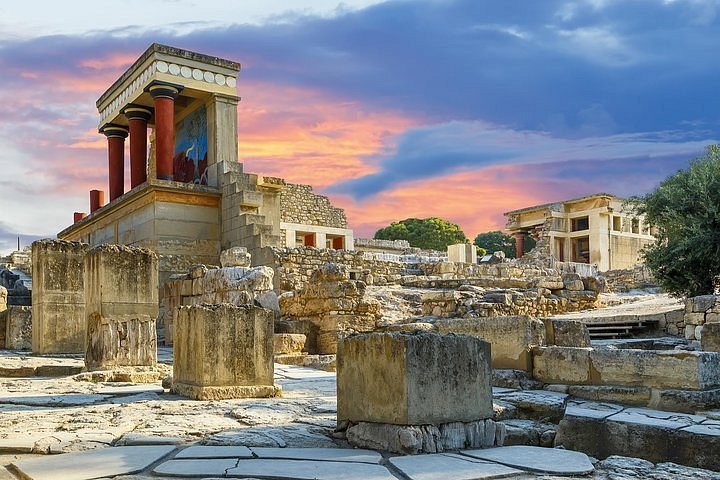
The Palace of Knossos is one of the most famous places to visit near Heraklion.
Located a short distance from the city, the archaeological site was an important center of the Minoan civilization. The complex includes courtyards, rooms, stairways, storage areas, and other remains that provide insight into ancient life on Crete.
The site is closely connected with the mythology surrounding King Minos and the Minotaur, although archaeological history and Greek mythology should be viewed as separate traditions.
Plan enough time to explore the site and consider visiting early in the day, particularly during the warmer months.
Heraklion Archaeological Museum
The Archaeological Museum of Heraklion is one of the city’s most important cultural attractions.
Its collection includes artifacts from different periods of Cretan history, with a major focus on Minoan civilization.
Visiting the museum before or after Knossos can make the archaeological experience more meaningful because you can see objects and artworks connected to the island’s ancient history.
Koules Fortress
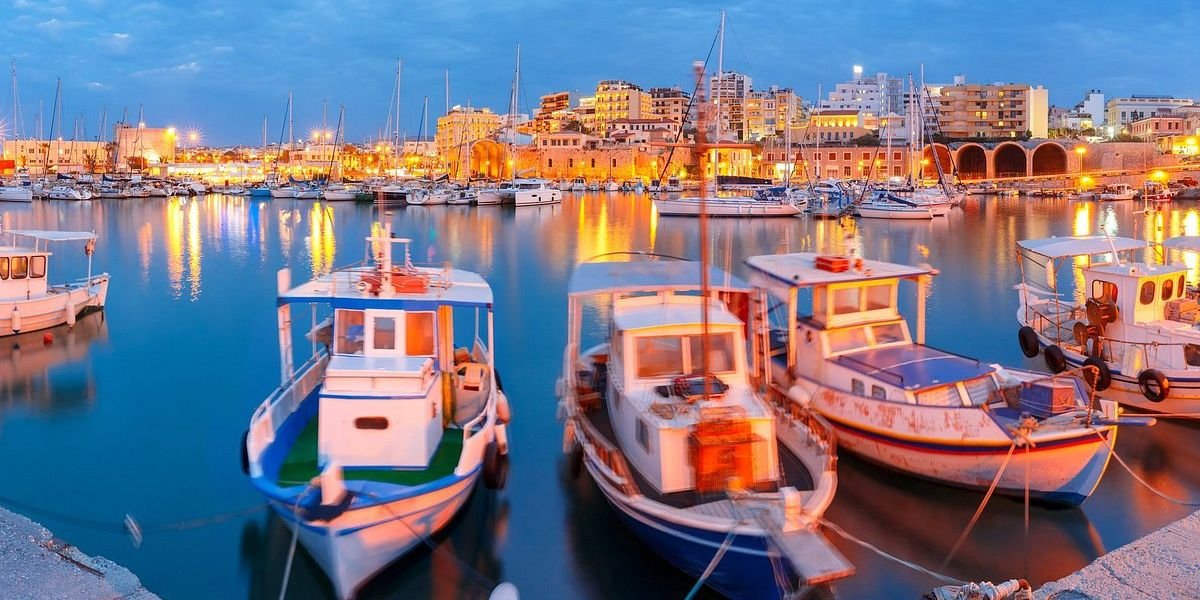
Koules Fortress stands at the entrance to Heraklion’s old harbor and is one of the city’s most recognizable landmarks.
The Venetian fortress was built as part of the city’s historic defenses and has played an important role in Heraklion’s maritime history.
Walking toward the fortress along the harbor is enjoyable, particularly in the late afternoon. The location also provides views across the water and toward the city.
Lion Square and Morosini Fountain
Lion Square, officially associated with Eleftherios Venizelos Square, is one of the busiest gathering places in central Heraklion.
The square is home to the historic Morosini Fountain, an impressive Venetian-era monument decorated with carved details.
The surrounding streets contain cafés, bakeries, restaurants, and shops, making this a convenient place to stop during a city walking tour.
Loggia
The Venetian Loggia is another important historic building in Heraklion.
Constructed during the Venetian period, the building reflects the architectural character of that era and demonstrates the importance of Heraklion during Venetian rule.
It is located close to other central attractions, so it can easily be included in a walking itinerary.
Church of Saint Titus
The Church of Saint Titus is an important religious and historical landmark in Heraklion.
The church is located in the central area and is dedicated to Saint Titus, who is traditionally associated with the early Christian history of Crete.
Its location makes it easy to combine with other historic attractions in the city center.
Heraklion Old Town
Exploring the old town is one of the simplest and most enjoyable things to do in Heraklion.
Walk through narrow streets, browse local shops, stop at a café, and look for historic buildings hidden among modern businesses.
The city center is particularly enjoyable in the evening when temperatures become more comfortable and restaurants begin to fill with locals and visitors.
Best Things to Do in Heraklion
There are plenty of experiences to enjoy beyond traditional sightseeing.
Explore Heraklion on Foot
Walking is one of the best ways to discover the historic center.
You can create a walking route connecting Lion Square, Morosini Fountain, the Loggia, Saint Titus Church, the old harbor, and Koules Fortress.
Walking also gives you opportunities to discover small shops, bakeries, cafés, and local restaurants.
Visit the Local Markets
Heraklion has a lively market culture, and exploring the central market area can be an interesting way to experience everyday Cretan life.
Look for local products such as olive oil, herbs, honey, cheese, fresh produce, spices, and traditional sweets.
Markets can also be a good place to purchase edible souvenirs.
Enjoy Cretan Food
Food is one of the highlights of any trip to Heraklion.
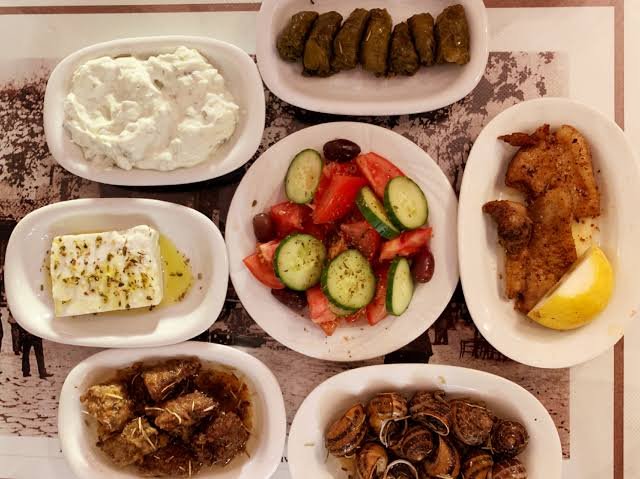
Cretan cuisine emphasizes fresh vegetables, olive oil, herbs, cheese, seafood, and locally sourced meat.
Try dishes such as dakos, kalitsounia, grilled seafood, Cretan cheeses, lamb, and traditional meze.
Pair your meal with local wine or another traditional Cretan drink if you enjoy alcoholic beverages.
Relax by the Waterfront
Heraklion’s waterfront provides a pleasant place to slow down after sightseeing.
Walk along the harbor, enjoy views of the sea, and stop at a nearby café or restaurant.
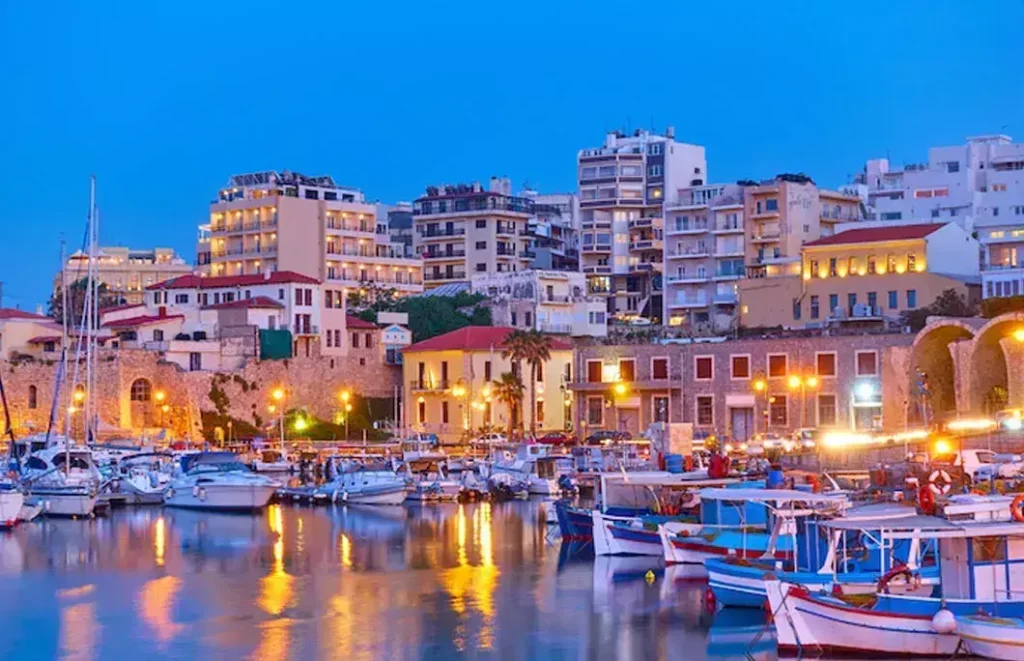
The waterfront is particularly attractive around sunset when the light creates a beautiful atmosphere around the old harbor and Koules Fortress.
Experience Heraklion’s Café Culture
Cafés are an important part of everyday life in Greece.
Take a break from sightseeing and enjoy a coffee while watching people go about their day. You can try a Greek coffee or a cold coffee such as a freddo espresso.
This is also a good way to slow down rather than rushing from one attraction to another.
What to Eat in Heraklion
A trip to Heraklion would not be complete without trying traditional Cretan food.
Dakos
Dakos is a simple Cretan dish made with barley rusks, tomatoes, olive oil, herbs, and cheese.
It is refreshing and makes a good light meal or starter.
Cretan Cheese
Crete produces several traditional cheeses, and cheese is commonly included in local meals and meze.
Try different varieties when visiting tavernas or local food markets.
Kalitsounia
Kalitsounia are small traditional pastries that can be prepared with cheese or other fillings.
They can be served as a snack, appetizer, or dessert depending on the recipe.
Fresh Seafood
Because Heraklion is located on Crete’s northern coast, seafood is widely available.
Look for grilled fish, octopus, calamari, and other seafood dishes at restaurants near the waterfront or in local neighborhoods.
Where to Stay in Heraklion
Choosing the right area to stay in Heraklion can make your trip easier and more enjoyable, especially if you want to explore the city mostly on foot. The best neighborhood depends on whether you prefer to be close to historic attractions, the waterfront, restaurants, or transportation connections.
Heraklion City Center
The city center is a convenient choice for first-time visitors. Staying here puts you close to many of Heraklion’s major attractions, including Lion Square, Morosini Fountain, the Archaeological Museum, shops, cafés, and historic streets.
The central area is also a good option for travelers who do not plan to rent a car. Many attractions can be reached by walking, while buses and taxis are available for longer journeys.
The city center offers a wide range of accommodation, from budget-friendly hotels and guesthouses to more comfortable properties. It is particularly suitable for travelers who want restaurants and evening activities close to their accommodation.
Old Harbor Area
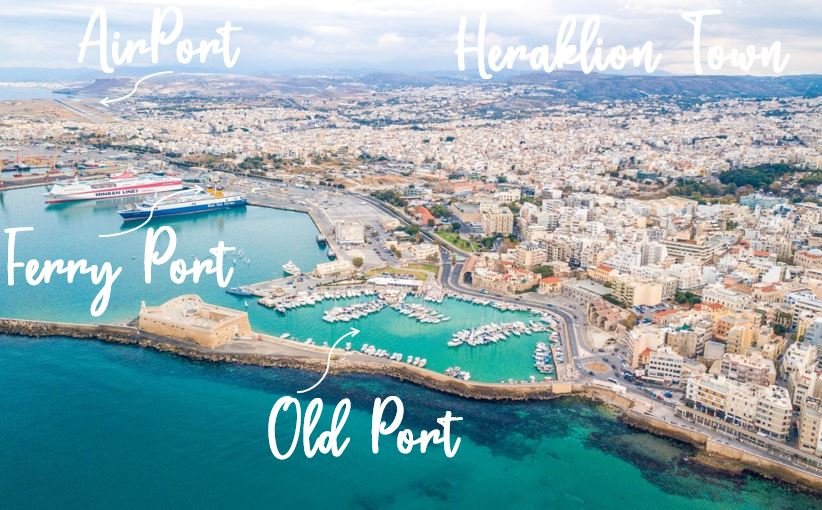
Staying near Heraklion’s old harbor is a good choice if you enjoy waterfront views and evening walks. The area provides convenient access to Koules Fortress, the harbor promenade, restaurants, and cafés.
The old harbor is especially attractive around sunset when the waterfront becomes more relaxed and atmospheric. You can easily combine sightseeing with dinner or drinks without traveling far from your accommodation.
This area can be suitable for couples, solo travelers, and visitors who want to experience Heraklion’s evening atmosphere.
Near Heraklion Airport
If you have an early morning flight or are staying in Heraklion for only a short time, accommodation near the airport can be practical.
The airport area can save you travel time on departure day, particularly if your flight leaves early. However, it is less convenient for travelers who want to spend most of their trip exploring the historic center.
How to Get Around Heraklion
Heraklion is relatively easy to explore, particularly within the central area.
Walking
Walking is the best option for exploring the historic center. Many attractions are located close together, and walking allows you to discover smaller streets and local businesses.
Public Buses
Buses are useful for reaching destinations outside the central area, including the Palace of Knossos and nearby communities.
For travelers without a rental car, public buses can be an affordable way to explore parts of the region.
Taxi
Taxis are convenient for short journeys or when carrying luggage.
They can also be useful when traveling to places where bus connections are less convenient.
Rental Car
A rental car can be useful if you plan to explore beyond Heraklion.
Having your own vehicle makes it easier to visit beaches, mountain villages, archaeological sites, and other destinations across Crete.
How Many Days Do You Need in Heraklion?
Two to three days is a good amount of time for most travelers who want to explore Heraklion and visit nearby attractions.
One Day in Heraklion
With one day, focus on the historic center. Visit the Archaeological Museum, walk around Lion Square, see the Morosini Fountain, explore the old streets, and finish at Koules Fortress.
If you arrive early, you may also have enough time to visit Knossos.
Two Days in Heraklion
Two days allow you to explore the city more comfortably.
Spend one day discovering the historic center and museums, then dedicate another day to Knossos and nearby areas.
Three Days in Heraklion
Three days give you more flexibility.
You can explore the major attractions without rushing and add a beach visit, local food experience, or short trip outside the city.
Day Trips From Heraklion
Heraklion is an excellent base for exploring other parts of central and eastern Crete.
Palace of Knossos
If you have not already visited it, Knossos is the most obvious day excursion from Heraklion.
Its archaeological importance makes it a must-see for travelers interested in ancient Crete.
Agios Nikolaos
Agios Nikolaos is a beautiful coastal town located farther east along Crete’s northern coast.
It is known for its waterfront, relaxed atmosphere, and nearby beaches.
Hersonissos
Hersonissos is another popular coastal destination near Heraklion. It offers beaches, restaurants, cafés, and a range of activities for visitors.
Archanes
Archanes is a traditional village south of Heraklion surrounded by vineyards and countryside.
It provides a quieter alternative to the busy coastal areas and is a good choice for travelers interested in Cretan village life.
Heraklion Travel Tips
A few practical tips can make your trip easier and more enjoyable, especially if you are visiting Heraklion during the warmer months. From planning your sightseeing schedule to choosing what to pack, these simple suggestions can help you enjoy the city at a comfortable pace.
Start Sightseeing Early
If you are visiting Heraklion during summer, begin outdoor sightseeing in the morning. Temperatures can become uncomfortable around midday, particularly when visiting archaeological sites with limited shade.
Starting early also gives you more time to explore popular attractions before they become busy. After sightseeing, you can take a break at a café or return to your accommodation during the hottest part of the afternoon.
Wear Comfortable Shoes
The historic center of Heraklion is best explored on foot, so comfortable footwear is important. You may spend several hours walking between museums, churches, squares, markets, and the old harbor.
Choose shoes that are suitable for uneven streets and extended walking, especially if you plan to visit archaeological sites such as Knossos.
Carry Sun Protection
Crete enjoys plenty of sunshine, particularly during summer. Pack sunscreen, sunglasses, and a lightweight hat when exploring Heraklion.
Sun protection is especially useful when visiting outdoor attractions because you may spend a considerable amount of time in direct sunlight.
Try Local Restaurants
Do not limit your meals to restaurants directly beside major tourist attractions. Explore side streets and local neighborhoods to discover traditional Cretan food.
Try local specialties such as dakos, fresh seafood, Cretan cheeses, grilled meats, and traditional pastries. A relaxed meal at a local taverna can be one of the highlights of your trip.
Carry Some Cash
Cards are widely accepted throughout Heraklion, but carrying some cash can still be useful for smaller purchases, markets, cafés, bakeries, and other local businesses.
Having a small amount of cash available can also make quick purchases more convenient.
Leave Time for Relaxation
Crete is not a destination that needs to be experienced at full speed. Leave some free time in your itinerary for a long meal, coffee, waterfront walk, or relaxing afternoon.
Taking things slowly allows you to enjoy Heraklion’s atmosphere rather than simply moving from one attraction to another.
Is Heraklion Expensive?
Heraklion can accommodate different travel budgets.
Accommodation prices vary significantly depending on the season and location. Summer is generally the busiest period, so hotel prices can increase.
Food costs also depend on where you eat. Restaurants in heavily touristy locations may cost more, while local tavernas and casual eateries can offer more affordable options.
Walking and public transportation can also help reduce daily transportation expenses.
Sample 3-Day Heraklion Itinerary
Historic Heraklion
Begin at the Archaeological Museum and then walk toward Lion Square and the Morosini Fountain.
Continue to the Loggia and Church of Saint Titus before exploring the surrounding streets.
In the afternoon, walk toward the old harbor and visit Koules Fortress if open.
Finish the day with a traditional Cretan dinner.
Knossos and Local Food
Start your day with a visit to the Palace of Knossos.
Return to Heraklion and spend the afternoon exploring local markets and food shops.
In the evening, enjoy a relaxed meal featuring Cretan specialties.
Explore Beyond the City
Use your final day for a short trip outside Heraklion.
Visit a traditional village such as Archanes, spend time at a nearby beach, or explore another coastal destination depending on your interests.
Return to Heraklion for an evening walk along the waterfront.
Must Read:
- Travel to Bologna: Best Places to Visit, Things to Do & Tips
- Travel to Thessaloniki: Best Things to Do & Places to Visit
- Travel to Vienna Austria: Complete Guide to Attractions, Food & Tips
Final Thoughts:
Travel to Heraklion for a combination of ancient history, Cretan culture, traditional food, historic architecture, and Mediterranean scenery. From the legendary Palace of Knossos and fascinating Archaeological Museum to the Venetian harbor and lively city streets, Heraklion offers plenty of experiences for different types of travelers.
The city is also a practical base for exploring central and eastern Crete. You can spend your days visiting archaeological sites and museums, then enjoy relaxed evenings with local food and waterfront walks.