
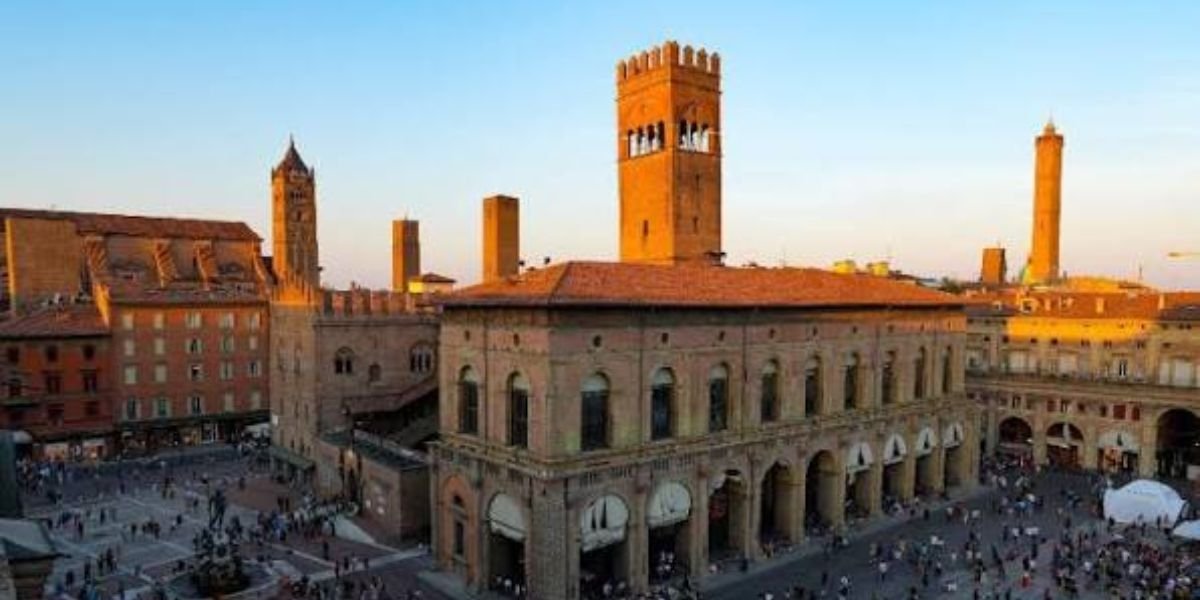
Travel to Bologna and you will discover a city that combines historic architecture, delicious Italian food, lively streets, and a relaxed local atmosphere. Located in the Emilia-Romagna region of northern Italy, Bologna is one of the country’s most interesting destinations for travelers who want to experience authentic Italian culture beyond the better-known cities of Rome, Venice, and Florence.
Known for its medieval towers, elegant porticoes, historic squares, and famous food traditions, Bologna offers plenty to explore. The city is also home to the University of Bologna, widely recognized as the oldest university in the Western world, which gives the city a youthful and energetic atmosphere.
Whether you are planning a weekend city break or adding Bologna to a longer Italy itinerary, this Bologna travel guide covers the best places to visit in Bologna, things to do, food to try, transportation, accommodation, and practical travel tips.
Why Travel to Bologna?
Bologna is an excellent destination for travelers looking for a combination of history, food, culture, and walkability.
The city has a historic center filled with attractive buildings and narrow streets, while its famous porticoes make walking around the city enjoyable in different weather conditions. Bologna is also an important food destination and is closely associated with dishes and ingredients that have become famous around the world.
One of the biggest advantages of Bologna is that many of its major attractions are located within walking distance of each other. You can spend the morning exploring historic streets, enjoy a traditional lunch, visit museums in the afternoon, and finish the evening in one of the city’s lively neighborhoods.
Bologna can also work well as a base for exploring other parts of Emilia-Romagna.
Best Places to Visit in Bologna
Bologna’s historic center contains many important landmarks and attractions. Most can be explored comfortably on foot.
Piazza Maggiore
Piazza Maggiore is the heart of Bologna and one of the first places you should visit.
The large square is surrounded by historic buildings and is an excellent starting point for exploring the city. Spend some time walking around the piazza, looking at the architecture, and enjoying the atmosphere.
The square is especially attractive in the evening when locals and visitors gather around the surrounding streets and cafés.
Basilica di San Petronio
Located directly on Piazza Maggiore, the Basilica di San Petronio is one of Bologna’s most important landmarks.
The enormous church has a distinctive unfinished façade, with contrasting materials and architectural details. Inside, visitors can see impressive chapels, artwork, and historic features.
The basilica is an important stop for anyone interested in Bologna’s religious and architectural history.
Two Towers
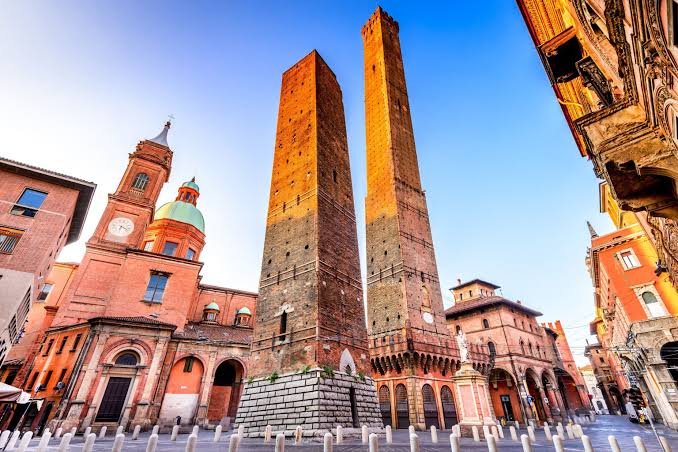
The Two Towers are among the most recognizable symbols of Bologna.
Known as Torre degli Asinelli and Torre Garisenda, the medieval towers are reminders of the city’s powerful medieval families. Torre degli Asinelli is the taller of the two and has traditionally been associated with one of Bologna’s most famous viewpoints.
The surrounding area is also lively, with restaurants, cafés, shops, and pedestrian streets nearby.
Quadrilatero Market Area
If you want to experience Bologna’s food culture, head to the Quadrilatero.
This historic market district near Piazza Maggiore is filled with food shops, restaurants, cafés, and small businesses. Walking through the narrow streets gives you a chance to see local ingredients and traditional Italian food culture up close.
It is an excellent place to explore during lunchtime or early evening.
Santo Stefano Square
Piazza Santo Stefano is one of Bologna’s most atmospheric squares.
The space is surrounded by historic buildings and is particularly beautiful when viewed from the center of the piazza. It is a great place to slow down after visiting some of the busier attractions.
The square also provides easy access to other historic streets in central Bologna.
Basilica of Santo Stefano
The Basilica of Santo Stefano is a fascinating religious complex with several interconnected churches and historic structures.
Rather than feeling like a single conventional church, the complex offers a series of spaces that reflect different periods of Bologna’s history.
It is an excellent stop for travelers interested in architecture, religion, and medieval history.
Archiginnasio of Bologna
The Archiginnasio is another important historical attraction.
It was once the main building of the University of Bologna and is closely connected to the city’s long academic history. Visitors can admire historic interiors, decorated walls, coats of arms, and the famous anatomical theater.
The building provides a fascinating look at how education and medicine developed in historic Bologna.
Porticoes of Bologna
One of the defining features of Bologna is its extensive network of porticoes.
These covered walkways extend along many streets and have become an important part of the city’s identity. They make exploring Bologna on foot especially enjoyable because they provide shelter from sun and rain.
Walking beneath the porticoes is an experience in itself and should be part of any Bologna itinerary.
Things to Do in Bologna
Beyond sightseeing, there are many ways to experience the city like a local.
Explore Bologna on Foot
Walking is one of the best ways to discover Bologna.
Instead of moving quickly from one attraction to another, take time to explore side streets, historic buildings, small shops, cafés, and local markets.
The historic center is compact enough for travelers to explore many major attractions without relying heavily on public transportation.
Try Traditional Bolognese Food
Food is one of the biggest reasons to travel to Bologna.
The city and surrounding Emilia-Romagna region are famous for traditional Italian cuisine. Travelers should consider trying dishes such as tagliatelle al ragù, tortellini, mortadella, lasagne, and regional cheeses.
Keep in mind that authentic local food may differ from what international restaurants market as “Bolognese” cuisine.
Exploring local restaurants and traditional trattorias can make your trip considerably more memorable.
Visit Local Food Markets
Bologna’s markets provide another opportunity to experience the city’s culinary traditions.
You can find fresh pasta, cheese, cured meats, vegetables, bread, and other regional specialties. Even if you are not planning to buy anything, walking through a traditional market can be an enjoyable cultural experience.

Enjoy Aperitivo
Aperitivo is an important part of Italian social life.
In Bologna, you can spend the early evening enjoying a drink and small snacks before dinner. This is a relaxed way to experience the city’s nightlife without committing to a late evening.
Look for local bars and cafés away from the most tourist-heavy areas for a more neighborhood-oriented atmosphere.
Discover the University Quarter
Bologna has a strong student population because of its famous university.
The university district has cafés, bookstores, bars, restaurants, and affordable places to eat. The area can feel particularly lively in the evening.
Exploring this part of the city gives you a different perspective compared with the historic tourist center.
Take a Food Tour
A food tour can be an excellent choice if you want to learn more about the culinary traditions of Bologna.
A local guide can introduce you to regional dishes, traditional ingredients, markets, and family-run businesses.
This is particularly useful for first-time visitors who want to understand the difference between authentic regional cuisine and internationally adapted Italian dishes.
Bologna Travel Guide: Best Time to Visit
The best time to travel to Bologna depends on your priorities.
Spring
Spring is an attractive period for exploring Bologna. Temperatures are generally comfortable for walking, sightseeing, and outdoor dining.
April and May can be particularly pleasant for travelers who want to spend most of their time outdoors.
Summer
Summer brings warmer temperatures and longer days.
July and August can be hot, and some local businesses may operate on reduced schedules during the traditional Italian summer holiday period.
If you visit during summer, plan sightseeing earlier in the morning or later in the afternoon and take breaks during the hottest part of the day.
Autumn
Autumn is another excellent season for a Bologna trip.
September and October can provide comfortable sightseeing conditions, while the city’s food culture becomes particularly appealing as the season changes.
Autumn can also be a good choice for travelers who prefer avoiding the hottest summer weather.
Winter
Winter is generally quieter than the peak travel seasons.
Temperatures can be cold, but Bologna’s museums, cafés, restaurants, and covered porticoes make it possible to enjoy the city even when the weather is less favorable.
How Many Days Do You Need in Bologna?
For most first-time visitors, two to three days in Bologna can provide enough time to explore the major attractions and experience the city’s food culture.
One Day in Bologna
With only one day, concentrate on the historic center.
Visit Piazza Maggiore, Basilica di San Petronio, the Two Towers, Quadrilatero, and Santo Stefano. Leave some time for a traditional lunch and an evening walk.
Two Days in Bologna
Two days allow you to explore the main landmarks at a slower pace.
On the second day, visit the Archiginnasio, explore the university area, discover additional museums, and spend more time enjoying local food.
Three Days in Bologna
Three days give you the opportunity to experience Bologna beyond its major tourist attractions.
You can explore neighborhoods, take a food tour, visit additional museums, and consider a short day trip to another destination in Emilia-Romagna.
Where to Stay in Bologna
Choosing the right area can make your trip easier.
Historic Center
The historic center is convenient for first-time visitors.
Staying here means you can walk to many major attractions, restaurants, cafés, and shopping streets.
University Area
The university district can be a good option for travelers who want a younger atmosphere and plenty of restaurants and cafés.
It can also offer a different perspective on everyday life in Bologna.
Bologna Central Station Area
The area around Bologna Centrale can be convenient if you plan to take trains to other Italian cities.
It provides easy access to the railway network while remaining within reasonable reach of the historic center.
Getting Around Bologna
Bologna is relatively easy to navigate.
Walking
Walking is the best option for exploring the historic center.
Many major attractions are close together, and the porticoes make walking more comfortable.
Public Transportation
Buses can be useful when traveling outside the central historic area.
If your accommodation is farther from the main attractions, public transportation can save time.
Cycling
Bologna is also a bicycle-friendly city, and cycling can be a practical option for exploring areas outside the central tourist district.
Always follow local traffic rules and pay attention to pedestrian areas.
Trains
Bologna is an important railway hub in Italy.
High-speed trains connect the city with destinations such as Florence, Milan, Rome, and Venice, making Bologna particularly useful for travelers planning a multi-city Italy itinerary.
Bologna Travel Tips
A few simple tips can make your trip smoother.
Wear Comfortable Shoes
You will probably spend a lot of time walking, so comfortable footwear is important.
Historic streets and long sightseeing days can be tiring if you are wearing unsuitable shoes.
Book Popular Attractions Ahead
Some attractions have limited entry times or can become busy during peak periods.
Booking ahead can help you organize your itinerary, particularly if you are visiting during a busy travel season.
Try Local Specialties
Do not leave Bologna without trying regional food.
Look beyond familiar Italian dishes and explore traditional Bolognese specialties.
Explore Beyond Piazza Maggiore
Piazza Maggiore is an essential stop, but Bologna is much more than its main square.
Spend time walking through residential streets, exploring local markets, and visiting smaller cafés and shops.
Carry a Reusable Water Bottle
A reusable bottle can be useful while exploring the city.
Walking around Bologna can involve several hours outdoors, especially during warmer months.
Check Opening Hours
Museums, churches, restaurants, and shops may have different opening schedules depending on the season.
Check current opening times before visiting important attractions.
Is Bologna Expensive?
Bologna can be more affordable than some of Italy’s most famous tourist destinations, although prices vary significantly depending on the season and type of accommodation.
Budget travelers can look for hostels, guesthouses, casual restaurants, and inexpensive cafés.
Mid-range travelers can choose comfortable hotels and traditional trattorias, while luxury travelers will find higher-end hotels and restaurants.
One advantage of Bologna is the range of dining options. You do not necessarily need to eat at expensive restaurants to enjoy excellent local food.
Day Trips From Bologna
Bologna’s central location makes it a useful base for exploring Emilia-Romagna and other parts of northern and central Italy.
Depending on your itinerary, you can consider destinations such as Modena, Parma, Ferrara, Ravenna, Florence, or Venice.
The best day trip depends on your interests, transportation schedule, and how much time you have available.
If you are visiting Italy for several weeks, Bologna can work particularly well as a stop between larger destinations.
Bologna for Food Lovers
Food deserves special attention when planning a Bologna itinerary.
The city is strongly associated with Emilia-Romagna’s culinary traditions. Fresh pasta, cured meats, cheeses, and rich sauces are central to the regional food culture.
Try traditional dishes at local trattorias rather than limiting yourself to international versions of Italian cuisine.
Some foods worth looking for include:
- Tagliatelle al ragù
- Tortellini
- Lasagne
- Mortadella
- Parmigiano Reggiano
- Traditional balsamic vinegar
- Crescentine
- Regional cured meats
Food-focused travelers may want to dedicate an entire afternoon or evening to discovering Bologna’s culinary scene.
Is Bologna Worth Visiting?
For travelers interested in Italian history, architecture, food, and local culture, Bologna offers plenty to explore.
Its historic center is compact, its porticoes create a distinctive atmosphere, and its culinary traditions provide another reason to spend more than a few hours in the city.
Bologna can also complement a larger Italy trip because of its railway connections and location in northern Italy.
Rather than treating Bologna as only a quick stop between major destinations, consider staying for at least two nights if your schedule allows. This gives you enough time to experience the city’s landmarks while also enjoying its restaurants, markets, neighborhoods, and evening atmosphere.
Must Read:
- Travel to Thessaloniki: Best Things to Do & Places to Visit
- Travel to Vienna Austria: Complete Guide to Attractions, Food & Tips
- Travel to Tbilisi: Georgia Best Things to Do & Places to Visit
Final Thoughts:
Travel to Bologna for a combination of history, food, architecture, culture, and authentic Italian city life. From the impressive Piazza Maggiore and historic Basilica di San Petronio to the medieval Two Towers and beautiful porticoes, the city offers plenty of memorable experiences.
The best way to experience Bologna is not to rush between attractions. Walk through the historic streets, stop at a local café, try traditional Bolognese food, explore the markets, and give yourself time to discover places beyond the major tourist landmarks.
Whether you are planning a weekend in Bologna, a longer Italy vacation, or a food-focused trip through Emilia-Romagna, Bologna deserves a place on your itinerary.