
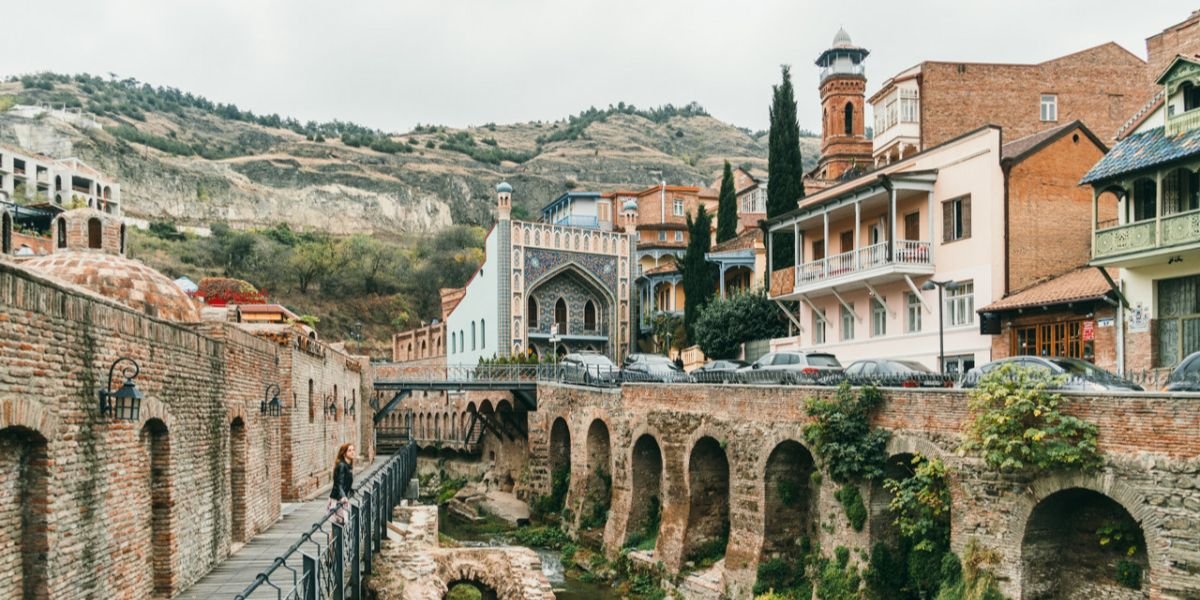
Tbilisi, the capital of Georgia, is a fascinating destination where centuries-old history, diverse architecture, Georgian cuisine, traditional culture, and modern city life come together. Located along the Mtkvari River and surrounded by hills, Tbilisi offers a distinctive atmosphere that makes it different from many other European and Caucasus destinations.
If you are planning to travel to Tbilisi, Georgia, you can explore historic churches, colorful neighborhoods, traditional sulfur baths, modern cafés, lively markets, museums, and viewpoints overlooking the city. Tbilisi is also an excellent base for exploring other parts of Georgia, including mountain regions, wine areas, and historic towns.
This guide covers the best places to visit in Tbilisi, things to do, Georgian food to try, where to stay, transportation, the best time to visit, day trips, and practical travel tips.
Why Travel to Tbilisi?
Tbilisi has a unique character shaped by its location between Europe and Asia. The city’s history has been influenced by different cultures and civilizations, which can be seen in its architecture, food, religious buildings, and neighborhoods.
One of the most enjoyable things about visiting Tbilisi is the contrast between old and new. You can walk through narrow streets lined with historic houses in the Old Town and then find modern restaurants, galleries, wine bars, and contemporary architecture nearby.
The city is also known for Georgian hospitality. Local cuisine is another major reason to visit, with dishes such as khinkali, khachapuri, lobio, and various grilled meats appearing on menus throughout the city.
Tbilisi is compact enough to explore many central attractions on foot, while public transportation and taxis make it easy to reach areas farther away.
Best Time to Visit Tbilisi
Tbilisi can be visited throughout the year, but each season offers a different experience.
Spring
Spring is a pleasant time to travel to Tbilisi. Temperatures generally become more comfortable for walking and sightseeing, and the city’s parks and outdoor spaces become more enjoyable.
April and May can be particularly appealing for travelers who want to spend plenty of time outdoors.
Summer
Summer is warm and can be hot, particularly during the middle of the day.
June, July, and August are popular travel months, especially for visitors combining Tbilisi with trips to Georgia’s mountains and wine regions.
If you visit during summer, plan outdoor sightseeing for the morning or late afternoon and carry water during longer walks.
Autumn
September and October can be excellent months for visiting Tbilisi.
The weather is generally comfortable for sightseeing, while autumn also provides opportunities to explore Georgia’s wine-producing regions.
The changing colors outside the city can make day trips particularly scenic.
Winter
Winter is colder, but Tbilisi remains an active destination throughout the season.
If you are interested in winter sports, you can combine a Tbilisi trip with destinations in Georgia’s mountain regions.
For city sightseeing, winter can also be a good time to explore museums, restaurants, cafés, and historic buildings.
Best Places to Visit in Tbilisi
Tbilisi has a variety of historic landmarks, religious buildings, museums, parks, and viewpoints.
Tbilisi Old Town
The Old Town of Tbilisi is one of the best places to begin your trip.
The historic district is characterized by narrow streets, balconies, colorful houses, small courtyards, traditional restaurants, and historic buildings.
Walking through the Old Town is an experience in itself. Instead of rushing from one attraction to another, take time to explore side streets and discover small shops, cafés, and local businesses.
The area also provides easy access to several other major Tbilisi attractions.
Narikala Fortress
Narikala Fortress sits on a hill overlooking Tbilisi and provides some of the city’s most impressive views.
The fortress dates back many centuries and has been rebuilt and modified throughout its history.
You can reach the area by walking uphill or using the cable car from the city center.
Once at the top, take time to look across the Old Town, Mtkvari River, and surrounding hills.
The viewpoint is particularly attractive around sunset, although this is also a popular time to visit.
Mother of Georgia
The Mother of Georgia, known locally as Kartlis Deda, is a large statue overlooking Tbilisi.
The monument represents an important symbol of the city and Georgia.
Its location near Narikala Fortress makes it easy to visit both attractions during the same outing.
The surrounding hillside also provides excellent views over Tbilisi.
Bridge of Peace
The Bridge of Peace is one of Tbilisi’s most recognizable modern landmarks.
The pedestrian bridge crosses the Mtkvari River and connects parts of the city center.
Its contemporary design contrasts with the historic architecture of the Old Town.
The bridge is particularly attractive in the evening when it is illuminated.
Rike Park
Rike Park sits along the Mtkvari River and is connected to the Old Town by the Bridge of Peace.
It is a pleasant place to relax, walk, and enjoy views of the surrounding hills.
The park is also close to the lower station of the cable car that travels toward Narikala Fortress.
Abanotubani Sulfur Baths
The Abanotubani district is one of the most distinctive parts of Tbilisi.
The neighborhood is famous for its traditional sulfur baths, which are connected to the city’s history and name.
Visitors can book private bath rooms or choose other available bathing experiences.
If you want to experience this part of Georgian culture, booking ahead can be useful during busy travel periods.
Tbilisi Botanical Garden
Located near Narikala Fortress, the Tbilisi Botanical Garden provides a peaceful escape from the city’s busy streets.
The garden contains a variety of plants and walking paths and includes natural landscapes within the city.
It can be combined with a visit to Narikala and the Old Town.
Sameba Cathedral
The Holy Trinity Cathedral of Tbilisi, commonly known as Sameba, is one of the city’s most prominent religious buildings.
Its large golden dome and hilltop location make it visible from different parts of Tbilisi.
The cathedral complex is spacious and provides visitors with an opportunity to appreciate Georgian religious architecture.
Metekhi Church
Metekhi Church stands on a cliff overlooking the Mtkvari River.
Its elevated position provides attractive views across the river and toward the Old Town.
The church is one of the historic landmarks that helps demonstrate Tbilisi’s long religious and architectural heritage.
Tbilisi Chronicle
The Tbilisi Chronicle is a monumental collection of large stone columns located on a hill overlooking the city.
The reliefs depict scenes and figures connected with Georgian history and culture.
The location is outside the central tourist area, but the panoramic views make the journey worthwhile for travelers interested in history and photography.
Best Things to Do in Tbilisi
Tbilisi offers much more than historic landmarks and sightseeing. The city’s unique character comes from its combination of old neighborhoods, Georgian traditions, modern cafés, local food, wine culture, and lively evenings. Whether you enjoy history, photography, food, or simply exploring new places, there are plenty of things to do in Tbilisi.
Take a Walking Tour
A walking tour of Tbilisi is one of the best ways to understand the city’s history and architecture. Exploring on foot allows you to see details that can easily be missed when traveling by car or public transportation.
Start in the Old Town and walk through its narrow streets, traditional houses, historic churches, and small courtyards. A local guide can explain the stories behind important landmarks, fortifications, and different architectural styles.
If you prefer exploring independently, create a walking route that includes the Old Town, Abanotubani, Rike Park, the Bridge of Peace, and nearby viewpoints. Leave some free time to explore side streets and stop at cafés along the way.
Ride the Tbilisi Cable Car
The Tbilisi cable car connects Rike Park with the area near Narikala Fortress and offers a convenient way to reach the hills above the city.
The short journey provides impressive views of the Old Town, Mtkvari River, and surrounding hills. It is also an enjoyable experience in its own right, particularly for travelers interested in photography.
For the clearest views, consider taking the ride when the weather is good. After reaching the upper station, you can explore Narikala Fortress and nearby attractions on foot.
Relax in a Sulfur Bath
A visit to a traditional Tbilisi sulfur bath is an experience closely connected with the city’s history. The historic bathhouses are concentrated in the Abanotubani district, where you can find several options with different facilities and services.
Private rooms are available at some bathhouses, making them suitable for travelers who prefer a more personal experience. Before visiting, check the available services, prices, opening hours, and whether advance reservations are recommended.
The experience can be especially relaxing after spending a full day walking through Tbilisi’s hilly streets.
Explore Local Markets
Exploring local markets is a great way to discover Georgian ingredients and everyday products. Depending on the market, you may find fresh fruits, vegetables, cheeses, spices, nuts, dried fruit, sweets, and other local specialties.
Markets also provide an opportunity to see a more everyday side of Tbilisi away from the major tourist attractions.
Look for traditional Georgian products that you can sample during your trip or purchase as souvenirs. Churchkhela, dried fruits, and locally produced foods are popular choices.
Visit a Georgian Wine Bar
Georgia has a long-established winemaking tradition, making wine tasting an interesting addition to your Tbilisi itinerary.
The city has numerous wine bars where visitors can sample different Georgian wines and learn about regional varieties and winemaking methods. One tradition particularly associated with Georgia involves qvevri, large clay vessels traditionally used in the winemaking process.
A wine-tasting experience can be a good way to discover Georgian culture while trying wines from different parts of the country.
Enjoy the City at Night
Tbilisi has a lively evening atmosphere, with restaurants, cafés, wine bars, and entertainment venues operating across the central neighborhoods.
The Old Town and Rustaveli Avenue are popular areas for an evening out, while other neighborhoods offer quieter restaurants and local venues.
Georgian Food to Try in Tbilisi
Food is an essential part of any trip to Georgia.
Khinkali
Khinkali are Georgian dumplings traditionally filled with meat, herbs, and broth.
They are one of the most famous Georgian dishes and can be found at restaurants throughout Tbilisi.
There are also variations using mushrooms, cheese, or other fillings.
Khachapuri
Khachapuri is a popular Georgian cheese-filled bread with several regional variations.
One of the most recognizable versions is Adjarian khachapuri, which is shaped like a boat and traditionally topped with cheese, butter, and egg.
Lobio
Lobio is a traditional Georgian bean dish prepared in different ways.
It is often served with bread, herbs, pickles, or other side dishes.
Badrijani Nigvzis
Badrijani nigvzis consists of eggplant rolls filled with a walnut-based mixture.
It is commonly served as an appetizer or part of a Georgian meal.
Churchkhela
Churchkhela is a traditional Georgian sweet made by coating nuts with a thickened grape mixture.
You will often see it hanging in markets and food shops.
It is easy to carry and makes an interesting snack or edible souvenir.
Where to Stay in Tbilisi
Choosing the right neighborhood can make your Tbilisi trip more convenient and enjoyable. The city has several distinct areas, each offering a different atmosphere and access to attractions, restaurants, cafés, and transportation. For first-time visitors, staying relatively close to the city center can make sightseeing easier, especially if you plan to explore Tbilisi primarily on foot.
Old Town
Tbilisi Old Town is one of the most convenient areas for first-time visitors. Staying here puts you close to many of the city’s best-known attractions, including Narikala Fortress, Abanotubani, the Bridge of Peace, and the Mtkvari River.
The neighborhood is known for its narrow streets, traditional balconies, historic buildings, small courtyards, cafés, and restaurants. It is also a good area if you want to experience Tbilisi’s historic atmosphere after the main sightseeing hours.
Because of its central location and popularity with visitors, accommodation options can vary considerably in price. Some streets can also become busy, so check the exact location before booking.
Vera
Vera is a lively neighborhood located relatively close to central Tbilisi. It is known for its cafés, restaurants, wine bars, boutique businesses, and creative atmosphere.
The area can appeal to travelers who want to experience a more local side of the city while remaining within convenient reach of the main attractions.
Vera is particularly suitable for visitors who enjoy exploring restaurants and cafés in the evening. It can also provide a quieter alternative to staying directly in the busiest parts of the Old Town.
Rustaveli Avenue
Rustaveli Avenue is one of Tbilisi’s main central streets and an important cultural area.
The neighborhood is close to museums, theaters, shops, restaurants, and other attractions. Its central location makes it convenient for travelers who want easy access to different parts of Tbilisi.
The area has a more urban atmosphere compared with the historic streets of the Old Town, making it a good choice for visitors who prefer modern city surroundings.
Avlabari
Avlabari is located across the Mtkvari River from much of the Old Town and offers a different perspective of central Tbilisi.
One of the area’s major landmarks is Sameba Cathedral, which is easily accessible from the neighborhood. Avlabari also provides convenient connections toward the Old Town and other central attractions.
How to Get Around Tbilisi
Tbilisi has several transportation options.
Walking
Walking is ideal for exploring the Old Town and many central attractions.
The city’s hills and uneven streets can make some routes physically demanding, so comfortable shoes are recommended.
Metro
The Tbilisi Metro is useful for traveling longer distances within the city.
It connects several important neighborhoods and can help visitors avoid road traffic.
Bus
Public buses serve many parts of Tbilisi and can be useful when traveling outside the central tourist areas.
Taxi
Taxis are convenient and commonly used by visitors.
Ride-hailing services can make it easier to arrange transportation without negotiating fares on the street.
Cable Car
The cable car between Rike Park and Narikala is primarily a sightseeing experience but also provides practical access to the fortress area.
Tbilisi Travel Tips
A few practical tips can make your Tbilisi trip more comfortable and enjoyable. From choosing the right footwear to understanding local customs and trying authentic Georgian cuisine, small preparations can help you make the most of your time in Georgia’s capital.
Wear Comfortable Shoes
Tbilisi is a city best explored on foot, particularly around the Old Town. You will encounter cobblestone streets, hills, stairs, narrow lanes, and uneven sidewalks in several areas.
Comfortable walking shoes are essential if you plan to spend most of the day sightseeing. Choose footwear with good support, especially if you plan to visit Narikala Fortress, the Botanical Garden, or other attractions located on higher ground.
Carry Some Cash
Cards are widely accepted at many hotels, restaurants, cafés, and shops in central Tbilisi. However, it is still useful to carry some Georgian lari, the country’s local currency.
Cash can be convenient when visiting smaller restaurants, local markets, independent shops, or businesses outside the main tourist areas. Keep a small amount with you rather than relying entirely on card payments.
Learn a Few Georgian Words
English is commonly used in tourist-oriented hotels, restaurants, and attractions, but learning a few simple Georgian expressions can make everyday interactions more pleasant.
Knowing basic words for greetings, thanks, and politeness can be useful when communicating with locals. Even a simple attempt to use the local language can make your interactions feel more personal.
Plan for Changing Weather
Weather conditions can change throughout the day, depending on the season. Check the forecast before heading out, particularly if you plan to spend several hours outdoors.
Dressing in layers is a practical approach because temperatures can vary between morning and afternoon. During rainy periods, carrying a compact rain jacket or umbrella can also be helpful.
Try Local Restaurants
Don’t limit your meals to international restaurants or familiar food. Tbilisi is an excellent place to discover traditional Georgian cuisine.
Try dishes such as khinkali, khachapuri, lobio, and badrijani nigvzis. Smaller local restaurants can offer an authentic dining experience and allow you to discover different Georgian flavors.
Respect Religious Sites
Tbilisi has many historic churches and religious buildings. When visiting churches and monasteries, dress respectfully and follow any local rules regarding photography or behavior.
How Many Days Do You Need in Tbilisi?
For most first-time visitors, 3 days in Tbilisi is a comfortable amount of time to explore the city’s major attractions, discover Georgian cuisine, and experience the local culture without rushing from one place to another. However, the ideal length of your stay depends on whether you want to explore only Tbilisi or also visit destinations outside the capital.
One Day in Tbilisi
If you have just one day in Tbilisi, concentrate on the historic center and the city’s most recognizable landmarks. Start by exploring the Old Town, where you can walk through narrow streets and admire traditional architecture.
Continue to Abanotubani and explore the area’s famous sulfur baths before heading toward the Bridge of Peace and Rike Park. Later, take the cable car toward Narikala Fortress for panoramic views over Tbilisi.
Although one day will be busy, this itinerary allows you to experience several of the city’s highlights and get a feel for its unique atmosphere.
Two Days in Tbilisi
Two days in Tbilisi gives you more time to explore the city at a comfortable pace. Use the first day for the Old Town, Narikala Fortress, Abanotubani, and the Bridge of Peace.
On the second day, explore attractions such as Sameba Cathedral, the Tbilisi Botanical Garden, museums, or Rustaveli Avenue. You can also set aside time for a traditional sulfur bath or visit a Georgian wine bar to learn more about the country’s long winemaking tradition.
Two days are a good option for travelers who want to see the main attractions while also enjoying local food and neighborhoods.
Three Days in Tbilisi
With three days, you can slow down and experience more of the city beyond its main landmarks. Spend additional time exploring local neighborhoods, visiting museums, trying different Georgian dishes, and enjoying Tbilisi’s cafés and evening atmosphere.
You can also use your third day for a short trip to nearby Mtskheta, a historic destination located close to Tbilisi.
Best Day Trips From Tbilisi
One of the advantages of traveling to Tbilisi is the number of interesting destinations within reach of the capital.
Mtskheta
Mtskheta is one of Georgia’s historic towns and is located close to Tbilisi.
The town is known for important religious sites and historic architecture.
It is a popular choice for a short day trip because of its proximity to the capital.
Kazbegi
Kazbegi, commonly associated with Stepantsminda, is a spectacular mountain destination in northern Georgia.
The area is famous for mountain scenery and Gergeti Trinity Church.
The journey from Tbilisi takes considerably longer than a trip to Mtskheta, but the landscapes make it a popular excursion.
Kakheti
Kakheti is Georgia’s major wine-producing region.
Visitors can explore vineyards, wineries, historic towns, and traditional Georgian food.
A trip to Kakheti is particularly appealing to travelers interested in wine and local culture.
Uplistsikhe
Uplistsikhe is an ancient rock-hewn settlement located east of Tbilisi.
The site contains caves, chambers, passages, and other structures carved into the rock.
It can be combined with other destinations in the region for a full-day excursion.
Is Tbilisi Expensive?
Tbilisi can be relatively affordable compared with many major European capitals, although costs vary depending on your accommodation, dining choices, activities, and travel season.
Budget travelers can save money by staying in guesthouses or affordable hotels, using public transportation, eating at local restaurants, and choosing free or low-cost attractions.
Mid-range travelers can find a wide selection of comfortable hotels and restaurants throughout the city.
As with any destination, prices in central tourist areas can be higher than in less touristy neighborhoods.
Sample 3-Day Tbilisi Itinerary
A three-day itinerary can help you experience the city’s main attractions without rushing.
Old Tbilisi
Start your trip by exploring the Old Town.
Visit Metekhi Church, walk through the historic streets, and explore Abanotubani.
Continue toward Rike Park and cross the Bridge of Peace.
In the afternoon, take the cable car toward Narikala Fortress and visit the Mother of Georgia.
Finish the day with dinner at a Georgian restaurant.
Culture and Food
Visit Sameba Cathedral in the morning.
Continue toward central Tbilisi and explore museums or Rustaveli Avenue.
Spend some time in Vera and visit a Georgian wine bar.
In the evening, try traditional dishes such as khinkali and khachapuri.
Flexible Exploration
Use your third day to visit the Tbilisi Botanical Garden, Tbilisi Chronicle, or additional museums.
Alternatively, take a day trip to nearby Mtskheta.
Return to Tbilisi in the evening and enjoy a final walk through the Old Town.
Must Read:
- Travel to Dublin: Complete Guide to Attractions, Food & Travel Tips
- Travel to Venice: Best Places to Visit, Things to Do & Tips
- Wotif Australia Review: Is Wotif Good for Travel?
Final Thoughts:
Travel to Tbilisi, Georgia for a distinctive combination of history, architecture, food, wine, culture, and beautiful landscapes. The city’s Old Town, Narikala Fortress, sulfur baths, Bridge of Peace, Sameba Cathedral, and surrounding neighborhoods provide plenty of experiences for first-time visitors.
Tbilisi is also more than a city sightseeing destination. Its location makes it a useful starting point for exploring Georgia’s mountains, wine regions, historic towns, and ancient sites.
Spend time trying traditional Georgian dishes, exploring local wine bars, walking through historic streets, and experiencing the city’s relaxed atmosphere. If you have three or more days, consider adding a day trip to Mtskheta, Kakheti, Kazbegi, or another destination.