
Dublin is a lively European capital where centuries of history meet modern culture, friendly neighborhoods, traditional pubs, impressive architecture, and a growing food scene. Located on Ireland’s east coast, the city is compact enough to explore on foot while offering enough attractions, museums, parks, restaurants, and cultural experiences to fill several days.
If you are planning to travel to Dublin, you can spend your time exploring historic landmarks, learning about Irish history, visiting famous museums, walking along the River Liffey, enjoying traditional Irish food, or taking a day trip beyond the city.
This Dublin travel guide covers the best places to visit in Dublin, things to do, Irish food to try, where to stay, transportation, the best time to visit, and practical tips for planning your trip.
Why Travel to Dublin?
Dublin offers a combination of history, culture, entertainment, and natural beauty that makes it an interesting destination for a city break.
The city has a strong literary heritage and has been associated with famous Irish writers and poets. Historic buildings sit alongside modern cafés, restaurants, shops, and cultural venues.
Dublin is also a convenient base for exploring other parts of Ireland. If you have extra time, you can take day trips to coastal towns, historic sites, and scenic landscapes outside the capital.
Another advantage is the city’s relatively compact center. Many major attractions are within walking distance of one another, allowing visitors to explore several places in a single day.
Best Time to Visit Dublin
Dublin can be visited throughout the year, but the experience varies depending on the season.
Spring
Spring brings longer days and gradually improving weather. March, April, and May can be good months for sightseeing, although rain is always possible in Ireland.
The city begins to feel more lively as outdoor cafés, parks, and walking routes become more enjoyable.
Summer
Summer generally offers the longest daylight hours and is a popular period for visitors.
June through August can be busy, particularly around major attractions and central areas. Accommodation prices may also be higher during popular travel periods.
The longer days give you more time to explore Dublin’s neighborhoods and attractions.
Autumn
September and October can be pleasant months for a Dublin trip. The city tends to become quieter after the peak summer period.
Autumn is also a good time to explore museums, historic attractions, cafés, and traditional pubs when the weather is less predictable.
Winter
Winter brings shorter days and cooler weather, but Dublin remains active throughout the season.
December can be particularly atmospheric because of seasonal decorations and events. If you are comfortable with cooler and wetter conditions, winter can be a good option for travelers interested in indoor attractions and Dublin’s food and pub culture.
Best Places to Visit in Dublin
Dublin has a wide selection of attractions, from historic landmarks to museums, libraries, parks, and cultural institutions.
Trinity College Dublin
Trinity College is one of Dublin’s most famous landmarks and one of the country’s best-known educational institutions.
The historic campus is located in the heart of the city, making it easy to include in a sightseeing itinerary.
One of its most famous attractions is the Book of Kells, an illuminated manuscript dating from the early medieval period. Visitors can also experience the Old Library’s Long Room, which is known for its impressive architecture and extensive collection of historic books.
The college grounds are worth exploring even if you are primarily interested in Dublin’s architecture and history.
Dublin Castle
Dublin Castle has played an important role in Ireland’s political and historical development.
The complex includes historic buildings, state rooms, courtyards, and gardens. Guided and self-guided experiences allow visitors to learn about different periods of the site’s history.
Its central location makes Dublin Castle easy to combine with other nearby attractions.
Guinness Storehouse
For many visitors, the Guinness Storehouse is one of the most recognizable experiences in Dublin.
Located at the historic St. James’s Gate Brewery site, the attraction explores the history, production, and global story of Guinness.
The experience includes exhibitions spread across several levels, with information about brewing and the brand’s history.
One of the highlights is the Gravity Bar, where visitors can enjoy views across Dublin.
St. Patrick’s Cathedral
St. Patrick’s Cathedral is one of Dublin’s most important religious and historic buildings.
The cathedral has a long connection with Irish history and literature. Its architecture and interior make it an interesting stop for visitors interested in historic buildings.
The surrounding area is also pleasant to explore on foot.
Christ Church Cathedral
Christ Church Cathedral is another major historic attraction in central Dublin.
The cathedral has a long history and impressive medieval architecture. Its crypt is particularly interesting and provides a glimpse into Dublin’s religious heritage.
You can visit both Christ Church Cathedral and St. Patrick’s Cathedral on the same day because they are relatively close to one another.
Temple Bar
Temple Bar is one of Dublin’s most recognizable neighborhoods.
The area is famous for its pubs, restaurants, cobbled streets, live music, and nightlife.
Although it is heavily associated with tourism, Temple Bar remains a popular place to experience Dublin’s evening atmosphere.
If you want a quieter experience, explore the area during the daytime or visit some of the surrounding streets.
National Museum of Ireland
The National Museum of Ireland operates several museums in Dublin, covering areas such as archaeology, decorative arts, and natural history.
The Archaeology museum is particularly useful for visitors interested in Ireland’s ancient past.
Museums are also excellent options for rainy days, which are common enough that visitors should always have an indoor activity available.
Kilmainham Gaol
Kilmainham Gaol is one of Dublin’s most significant historic attractions.
The former prison is closely connected with important events in Irish history and the country’s struggle for independence.
Guided tours explain the history of the prison and the people who were held there.
Because tours can be popular, advance planning is recommended if this attraction is a priority for your itinerary.
Phoenix Park
Phoenix Park is one of the largest enclosed public parks in Europe.
It provides a welcome break from the busy city center and offers extensive green spaces for walking and relaxing.
The park is home to several important landmarks and is also known for its population of wild fallow deer.
Give yourself plenty of time if you want to explore a significant portion of the park.
Best Things to Do in Dublin
Beyond traditional sightseeing, Dublin offers plenty of experiences that allow you to understand the city’s culture.
Walk Along the River Liffey
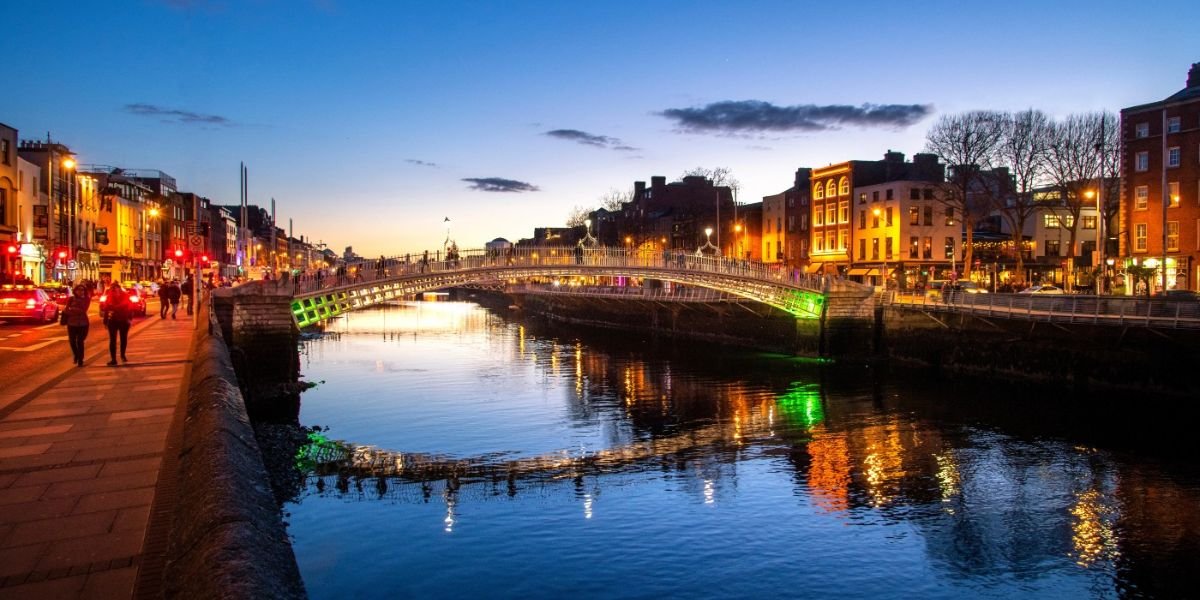
The River Liffey runs through the center of Dublin and is an important part of the city’s identity.
Walking along the river provides views of bridges, historic buildings, and different neighborhoods.
The Ha’penny Bridge is particularly recognizable and makes a popular photography stop.
Explore Grafton Street
Grafton Street is one of Dublin’s best-known shopping streets.
It is also famous for its street performers, creating a lively atmosphere throughout the day.
From Grafton Street, you can easily reach St. Stephen’s Green and several central attractions.
Relax at St. Stephen’s Green
St. Stephen’s Green is a historic public park in central Dublin.
It provides a peaceful place to take a break after sightseeing.
The landscaped gardens, walking paths, ponds, and green spaces make it an enjoyable stop, particularly when the weather is pleasant.
Visit the Little Museum of Dublin
The Little Museum of Dublin focuses on the city’s history and development.
It offers a more intimate experience than some of Dublin’s larger museums and can help visitors understand the city’s social and cultural story.
Enjoy Traditional Irish Music
Live Irish music is an important part of Dublin’s cultural atmosphere.
Traditional music sessions can be found in pubs and other venues throughout the city.
Instead of limiting yourself to the most famous tourist areas, consider exploring different neighborhoods to discover smaller venues and local performances.
Explore Dublin’s Literary History
Dublin has strong connections to writers including James Joyce, Oscar Wilde, Samuel Beckett, and Bram Stoker.
Literature lovers can visit museums, historic locations, libraries, and landmarks associated with the city’s literary heritage.
A literary walking tour can also be a good way to connect different locations while learning about Dublin’s writers.
Irish Food to Try in Dublin
Dublin’s food scene includes both traditional Irish dishes and modern international cuisine.
Irish Stew
Irish stew is one of the country’s best-known traditional dishes.
It is generally made with meat, potatoes, onions, and other vegetables. Recipes vary between restaurants and households.
It is especially comforting during cooler weather.
Boxty
Boxty is a traditional Irish potato pancake.
It can be served in different ways and is available at some restaurants specializing in Irish cuisine.
If you enjoy potatoes, trying boxty is an easy way to experience a traditional Irish dish.
Seafood
Ireland’s location along the Atlantic means seafood has an important place in the country’s cuisine.
In Dublin, you can find restaurants serving fresh fish, oysters, mussels, and other seafood dishes.
Soda Bread
Irish soda bread is a traditional bread made using baking soda as a leavening agent rather than yeast.
It is often served alongside soups, stews, and other meals.
Full Irish Breakfast
A full Irish breakfast is a substantial meal that can include eggs, sausages, bacon, black and white pudding, beans, tomatoes, mushrooms, and toast.
Portions vary, and not every restaurant serves exactly the same combination.
It can be a filling way to start a day of sightseeing.
Where to Stay in Dublin
Choosing the right neighborhood can make your Dublin trip more convenient.
City Centre
Staying in central Dublin puts you close to many major attractions, restaurants, shops, and public transportation.
This is convenient for first-time visitors who want to spend most of their time sightseeing.
Temple Bar
Temple Bar is ideal for travelers who want to be close to nightlife and entertainment.
However, the area can be noisy, especially during evenings and weekends.
If you prefer a quieter night’s sleep, consider staying slightly outside the immediate Temple Bar area.
St. Stephen’s Green
The area around St. Stephen’s Green offers convenient access to shopping, restaurants, parks, and attractions.
It can be a comfortable base for travelers who want to stay near the center while having access to quieter surroundings.
Docklands
Dublin’s Docklands provides a more modern atmosphere.
The area features contemporary architecture, offices, restaurants, and waterfront spaces.
It can be a good choice if you prefer modern surroundings rather than historic streets.
How to Get Around Dublin
Getting around Dublin is relatively straightforward.
Walking
Walking is one of the best ways to explore central Dublin.
Many attractions are close enough to reach on foot, and walking allows you to discover smaller streets and local businesses.
Comfortable shoes are recommended because you may cover significant distances during sightseeing.
Bus
Dublin’s bus network connects the city center with surrounding neighborhoods.
Buses can be useful when visiting attractions that are farther from the central tourist area.
Luas
The Luas is Dublin’s light rail system.
It has two main lines serving different parts of the city and can be convenient for reaching certain neighborhoods and attractions.
Taxi
Taxis are widely available and can be useful when traveling late at night, carrying luggage, or visiting locations not conveniently served by public transportation.
Dublin Travel Tips
A few practical tips can make your trip easier.
Expect Rain
Dublin’s weather can change quickly.
Carry a compact waterproof jacket or umbrella and dress in layers.
Even when the forecast looks favorable, having rain protection can make sightseeing more comfortable.
Book Popular Attractions
Some attractions, including Kilmainham Gaol and the Guinness Storehouse, can become busy.
If a particular attraction is essential to your trip, check availability and consider booking ahead.
Wear Comfortable Shoes
Dublin is a walkable city, and many visitors end up walking much more than expected.
Comfortable waterproof footwear can be especially useful.
Explore Beyond Temple Bar
Temple Bar is famous, but Dublin has many other neighborhoods worth exploring.
Spend time around areas such as Portobello, Smithfield, Ranelagh, and the Docklands to experience different sides of the city.
Plan for Shorter Winter Days
If you visit Dublin during winter, daylight hours are limited.
Plan outdoor sightseeing earlier in the day and save museums, restaurants, and other indoor activities for later.
Carry a Payment Card
Cards are widely used across Dublin, although it is still useful to have some cash available for situations where a small payment may be needed.
How Many Days Do You Need in Dublin?
For most first-time visitors, 2 to 3 days in Dublin is a comfortable amount of time to explore the city’s major attractions while still leaving room for local food, neighborhood walks, museums, and traditional Irish culture. The ideal length of your stay depends on how quickly you like to travel and whether you want to include a day trip outside the city.
One Day in Dublin
If you have just one day in Dublin, focus on the city’s central attractions. Start your morning at Trinity College and visit the Book of Kells and the historic Old Library. From there, walk toward Grafton Street and St. Stephen’s Green before continuing to Dublin Castle.
In the afternoon, explore the streets around Temple Bar and take a walk along the River Liffey. If your schedule allows, choose one major attraction, such as the Guinness Storehouse, rather than trying to visit too many places in a single day.
A one-day itinerary will be busy, but it can still give you a good introduction to Dublin’s history, architecture, and atmosphere.
Two Days in Dublin
Two days in Dublin gives you considerably more flexibility. On your first day, explore central landmarks such as Trinity College, Dublin Castle, Temple Bar, and the River Liffey.
Use the second day to visit attractions farther from the immediate city center. Kilmainham Gaol, the Guinness Storehouse, and Phoenix Park are good options. You can also spend some time exploring local neighborhoods, visiting a museum, or enjoying traditional Irish food in the evening.
Two days are suitable for travelers who want to see the highlights without making the itinerary too rushed.
Three Days in Dublin
With three days in Dublin, you can enjoy a slower pace and explore beyond the most famous attractions. Use the extra time to visit museums, parks, restaurants, and neighborhoods that may be missed on a shorter trip.
A third day can also be dedicated to a nearby destination such as Howth or Bray. This gives you the opportunity to experience Ireland’s coastal scenery while still keeping Dublin as your base.
ay Trips From Dublin
Dublin is a great base for exploring some of Ireland’s beautiful coastal towns, historic sites, and countryside. If you are staying in the city for more than two or three days, taking a day trip from Dublin can add a completely different experience to your Ireland itinerary. Several destinations can be reached relatively easily by public transportation, while organized tours are another convenient option for travelers who prefer a planned excursion.
Howth
Howth is a charming coastal town located northeast of Dublin and is one of the easiest day trips from the capital. The town is known for its picturesque harbor, seafood restaurants, coastal scenery, and walking trails.
One of the highlights is the Howth Cliff Walk, which offers beautiful views of the Irish Sea and surrounding coastline. The walking routes vary in length, so you can choose an option that suits your schedule and fitness level.
After exploring the coastline, spend some time around Howth Harbour, where you can enjoy fresh seafood or simply watch boats coming and going. Howth is well connected to Dublin by public transportation, making it a convenient option for a half-day or full-day excursion.
Bray
Bray is another popular coastal destination that can easily be included in a Dublin itinerary. Located south of the city, Bray is known for its seafront promenade, beach, and surrounding hills.
The Bray Head walking route is one of the area’s main attractions. The trail provides elevated views over the coastline and makes a good choice for travelers who enjoy outdoor activities.
After your walk, you can relax along the promenade, visit a café, or enjoy a meal overlooking the sea. Bray’s convenient transportation connections make it practical for travelers who want to experience Ireland’s coastline without spending an entire day traveling.
Glendalough
For a combination of history and natural scenery, Glendalough is an excellent destination to consider. Located in the Wicklow Mountains, Glendalough is famous for its historic monastic settlement and beautiful valleys and lakes.
Visitors can explore the remains of the medieval monastic site before walking through the surrounding landscape. Several trails are available, ranging from shorter walks to longer hikes.
Is Dublin Expensive?
Dublin can be an expensive European destination, particularly when it comes to accommodation.
Hotel prices can vary significantly depending on the season, location, and demand.
You can manage your budget by booking accommodation early, staying slightly outside the most expensive central areas, using public transportation, and mixing restaurant meals with casual cafés and local food spots.
Many attractions and parks can also be explored without spending much money, particularly if you enjoy walking.
Sample 3 Day Dublin Itinerary
A simple itinerary can help you make the most of your time.
Historic Dublin
Start at Trinity College and visit the Book of Kells and Old Library.
Walk toward Grafton Street and St. Stephen’s Green before continuing to Dublin Castle.
In the evening, explore Temple Bar and enjoy traditional Irish food or live music.
History and Culture
Begin your day at Kilmainham Gaol.
Continue toward the Guinness Storehouse and spend several hours exploring the attraction.
Later, walk through the city center or relax at Phoenix Park.
End the evening at a traditional pub or restaurant.
Neighborhoods or Coastal Dublin
Spend the morning exploring a Dublin neighborhood such as Smithfield or the Docklands.
Alternatively, take a short trip to Howth or another nearby coastal destination.
Return to Dublin for your final evening and enjoy a relaxed dinner.
Must Read:
- Travel to Venice: Best Places to Visit, Things to Do & Tips
- Wotif Australia Review: Is Wotif Good for Travel?
- Stayz Australia Review: Are Holiday Rentals Worth It?
Final Thoughts:
Travel to Dublin for a mix of history, culture, architecture, food, music, and welcoming city neighborhoods. From Trinity College and Dublin Castle to the Guinness Storehouse, Kilmainham Gaol, Phoenix Park, and Temple Bar, there are plenty of attractions to keep first-time visitors busy.
The city is compact enough to explore on foot, but public transportation makes it easier to reach attractions farther from the center. Dublin’s unpredictable weather means you should pack layers and prepare for rain, regardless of the season.
Don’t limit your visit to the most famous tourist attractions. Spend time walking along the River Liffey, exploring local neighborhoods, trying traditional Irish dishes, and listening to live music.