

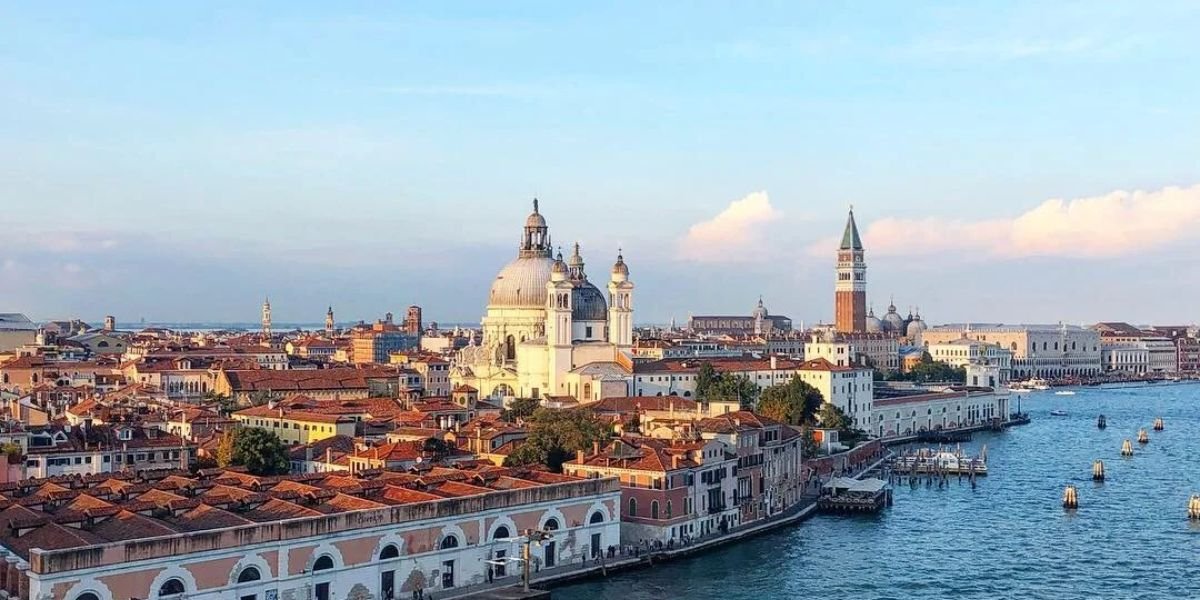
Venice is one of the most distinctive destinations in Italy, famous for its canals, historic architecture, romantic atmosphere, artistic heritage, and unique island setting. Built across a group of islands in the Venetian Lagoon, the city has no traditional road network through its historic center. Instead, visitors move around on foot, by water buses, water taxis, and the famous gondolas.
If you are planning to travel to Venice, there is plenty to discover beyond the postcard views. From St. Mark’s Square and the Doge’s Palace to quiet neighborhoods, colorful islands, historic bridges, and traditional Venetian food, the city offers a mix of famous attractions and less-crowded experiences.
This guide covers the best places to visit in Venice, things to do, where to stay, transportation, food, and practical tips to help you plan your trip.
Why Travel to Venice?
Venice is unlike most cities in the world. Its historic center is surrounded by water, while narrow streets, small squares, bridges, and canals create a maze that is fascinating to explore.
One of the best things about visiting Venice is that many experiences do not require a strict itinerary. Simply walking through the historic center can lead you to beautiful churches, small cafés, local shops, and scenic canals.
Venice is also an important cultural destination. Its architecture and art reflect centuries of history, while its lagoon and islands provide opportunities for boat trips and day excursions.
For first-time visitors, Venice combines sightseeing with a relaxed European city-break experience.
Best Time to Visit Venice
The best time to visit Venice depends on your priorities, including weather, crowds, and budget.
Spring
Spring is a popular time to travel to Venice. Temperatures are generally comfortable for walking, and the city becomes particularly pleasant as the season progresses.
April and May can be busy, but they offer good conditions for sightseeing and exploring Venice on foot.
Summer
Summer is one of the busiest periods in Venice. June, July, and August bring warm weather and large numbers of visitors.
If you visit during summer, start sightseeing early in the morning. Popular attractions such as St. Mark’s Basilica and Doge’s Palace can become crowded during the middle of the day.
Autumn
September and October can be excellent months for a Venice trip. The weather is often comfortable, although conditions can vary.
Autumn also provides an opportunity to explore the city after the peak summer season.
Winter
Winter is generally quieter than the main tourist seasons. Temperatures are cooler, but you may find fewer crowds around major attractions.
Venice can also experience acqua alta, or unusually high water levels, during certain periods. Visitors should check local conditions when planning winter travel.
Best Places to Visit in Venice
Venice has countless attractions, but several landmarks should be included in your itinerary if it is your first visit.
St. Mark’s Square
St. Mark’s Square, or Piazza San Marco, is the heart of Venice’s historic center.
The square is surrounded by some of the city’s most famous buildings and has long been an important gathering place.
Early morning is a great time to visit because the square is usually more peaceful than later in the day.
Take time to admire the surrounding architecture and enjoy the atmosphere before continuing toward the nearby attractions.
St. Mark’s Basilica
St. Mark’s Basilica is one of Venice’s most recognizable landmarks.
The basilica is famous for its elaborate architecture, mosaics, domes, and connection to Venice’s long religious and political history.
Its interior is particularly impressive, with detailed decorative elements and golden mosaics.
Because it is one of the city’s most popular attractions, booking ahead can be useful during busy travel periods.
Doge’s Palace
Doge’s Palace is another essential attraction when you travel to Venice.
The palace was historically connected with the government of the Venetian Republic and provides an insight into Venice’s political and cultural history.
Inside, visitors can explore grand halls, artwork, ornate rooms, and historic passages.
One of the most famous features is the Bridge of Sighs, which connects the palace with a former prison complex.
Bridge of Sighs
The Bridge of Sighs is one of the most photographed bridges in Venice.
The enclosed stone bridge crosses a canal near Doge’s Palace and has become an iconic part of the city.
For the classic view, you can see the bridge from the nearby Ponte della Paglia.
If you visit Doge’s Palace, you may also cross the bridge as part of the palace and prison tour.
Rialto Bridge
The Rialto Bridge is another must-see Venice landmark.
Spanning the Grand Canal, it connects two important areas of the historic center and has been an important crossing point for centuries.
The bridge itself is worth visiting, but the surrounding area is also interesting.
Nearby streets are filled with shops, restaurants, cafés, and access points toward the Rialto Market.
Rialto Market
If you want to experience a more traditional side of Venice, visit the Rialto Market.
The market area has a long connection with Venice’s food and trading culture. Depending on the day and season, you may find fresh produce, seafood, and other local products.
Morning is generally a good time to explore the market area.
Grand Canal
The Grand Canal is essentially Venice’s main waterway.
It winds through the historic city center and is lined with centuries-old buildings, churches, palaces, and bridges.
One of the easiest ways to experience it is by taking a vaporetto, or public water bus.
A ride along the Grand Canal allows you to see Venice from a completely different perspective.
Santa Maria della Salute
Santa Maria della Salute is a striking Baroque church located near the entrance to the Grand Canal.
Its large dome makes it easy to recognize from the water.
The church is particularly impressive when viewed from across the Grand Canal, but it is also worth visiting from inside.
The surrounding Dorsoduro area provides a quieter atmosphere than some of Venice’s busiest tourist streets.
Best Things to Do in Venice
Sightseeing is only part of the Venice experience. Some of the city’s most memorable activities involve simply exploring its streets and waterways.
Take a Gondola Ride
A gondola ride is one of the most famous things to do in Venice.
Gondolas travel through both larger waterways and smaller canals, offering views that are difficult to experience while walking.
A gondola ride can be particularly atmospheric around quieter canals.
Before getting into a gondola, confirm the price and duration with the gondolier so you understand the arrangement.
Ride a Vaporetto
For a more practical and generally less expensive way to experience Venice from the water, take a vaporetto.
These public water buses connect different parts of Venice and nearby islands.
A ride along the Grand Canal can double as both transportation and sightseeing.
Try to get a position where you can see the buildings and bridges along the water.
Explore Venice on Foot
Walking is one of the best ways to experience Venice.
The city is full of narrow streets, small bridges, hidden courtyards, and quiet squares.
Do not worry too much about getting slightly lost. Some of the most interesting parts of Venice are away from the major tourist routes.
However, keep a map or navigation app available because Venice’s streets can be confusing for first-time visitors.
Visit the Peggy Guggenheim Collection
Art lovers should consider visiting the Peggy Guggenheim Collection in the Dorsoduro district.
The museum focuses on modern art and features works associated with several important artists.
Its location along the Grand Canal also adds to the experience.
Explore Cannaregio
Cannaregio is one of Venice’s historic districts and offers a different atmosphere from the busiest parts around St. Mark’s Square.
The neighborhood has residential streets, canals, restaurants, bars, and historic sites.
It is a good area to explore if you want to experience Venice beyond its most famous landmarks.
Visit Murano
Murano is one of the most popular islands to visit from Venice.
It is internationally associated with glassmaking and has a long tradition of glass production.
Visitors can explore shops, museums, and workshops while learning more about the island’s glassmaking heritage.
A trip to Murano can easily be combined with other nearby islands.
Visit Burano
Burano is famous for its brightly colored houses and traditional lace-making heritage.
The island has a very different appearance from central Venice, making it a popular destination for photography.
Walking along its canals and colorful streets is one of the most enjoyable things to do on a Venice day trip.
Visit Torcello
Torcello is quieter and less developed than Murano and Burano.
Its historic importance makes it an interesting addition to an island-hopping itinerary.
If you have enough time, visiting all three islands can provide a broader view of the Venetian Lagoon.
What to Eat in Venice
Food is an important part of any trip to Italy, and Venice has several dishes and food traditions worth exploring.
Cicchetti
Cicchetti are small Venetian-style snacks that are often served in traditional wine bars called bacari.
They can include seafood, vegetables, meats, cheese, and other toppings.
Trying different cicchetti can be an affordable way to sample local flavors.
Sarde in Saor
Sarde in saor is a traditional Venetian dish made with sardines prepared with onions and other ingredients.
It reflects Venice’s strong connection with seafood and its maritime history.
Bigoli in Salsa
Bigoli in salsa is a traditional pasta dish associated with Venice.
It typically combines thick pasta with a savory sauce based on ingredients such as onions and anchovies.
Risotto
Risotto is another Italian favorite you may encounter throughout Venice.
Seafood versions are particularly appropriate for a city surrounded by water.
Fritto Misto
Fritto misto refers to a mixed fried seafood dish that can include different types of fish and seafood.
It is worth trying at a reputable local restaurant, particularly if you enjoy seafood.
Where to Stay in Venice
Choosing the right neighborhood can make your trip more convenient.
San Marco
San Marco is ideal if you want to stay close to major attractions.
St. Mark’s Square, Doge’s Palace, and the Grand Canal are all nearby.
The main disadvantage is that accommodation in this central area can be expensive, especially during busy periods.
Cannaregio
Cannaregio can be a good choice for travelers looking for a more local atmosphere.
It has restaurants, cafés, canals, and convenient access to several attractions.
Dorsoduro
Dorsoduro is known for its art institutions, churches, canals, and relaxed atmosphere.
It can be a good option for travelers who want to stay in a quieter part of central Venice.
Santa Croce
Santa Croce is useful for travelers who prioritize transportation connections.
The area is close to Venice’s main arrival points and provides relatively easy access to other parts of the city.
How to Get Around Venice
Getting around Venice is different from traveling through most European cities. Because the historic center is built around canals and narrow pedestrian streets, traditional cars and buses cannot travel through much of the city. Instead, visitors mainly rely on walking and water-based transportation.
The good news is that many of Venice’s famous attractions are relatively close to each other, making it easy to explore the historic center on foot. For longer journeys, public boats and water taxis provide convenient alternatives.
Walking
Walking is one of the best ways to explore Venice. The historic center is filled with narrow streets, small squares, bridges, canals, historic buildings, and hidden corners that you might miss when using transportation.
Wear comfortable shoes because you may walk several miles in a day and cross many bridges with steps. A navigation app can also be useful because Venice’s streets can be confusing, particularly when exploring areas away from the main tourist routes.
Allow extra time when walking because bridges, narrow passages, and crowds can slow you down.
Vaporetto
The vaporetto, Venice’s public water bus, is one of the most useful forms of transportation in the city. Vaporetti operate along the Grand Canal and connect Venice with several destinations throughout the Venetian Lagoon.
They are especially useful when you want to travel between distant neighborhoods without walking the entire way. A vaporetto ride can also be a sightseeing experience, offering views of historic palaces, churches, bridges, and waterfront buildings.
Before boarding, check the route and direction carefully because different lines serve different stops.
Water Taxi
Private water taxis offer a faster and more direct way to travel around Venice. They can take passengers directly to many waterfront locations and are particularly convenient for travelers carrying heavy luggage or traveling as a group.
However, water taxis are significantly more expensive than public transportation. Confirm the fare and destination before beginning your journey to avoid misunderstandings.
From Venice Airport
Venice Marco Polo Airport is located on the mainland, while the historic center of Venice sits across the lagoon. Travelers can reach central Venice using several options, including airport buses, water transport, taxis, and private transfers.
The most suitable option depends on where you are staying, how much luggage you have, your budget, and your arrival time. If your accommodation is near a major vaporetto stop, public transportation may be convenient. For hotels with direct water access, an airport water transfer or private water taxi can provide a more direct journey.
Venice Travel Tips
A few practical tips can make your trip much easier.
Book Popular Attractions Early
Venice attracts millions of visitors, and major attractions can become busy.
If you have a fixed schedule, consider booking popular attractions in advance.
Start Your Day Early
Early mornings are one of the best times to explore Venice.
You can see major landmarks with fewer people and enjoy quieter streets before the city becomes busy.
Carry Comfortable Shoes
Venice is a walking city.
Comfortable footwear is essential, especially if you plan to spend several hours exploring.
Carry a Reusable Water Bottle
Venice has public drinking-water fountains where visitors can refill bottles.
Carrying your own bottle can be convenient during long walks.
Respect Local Rules
Venice is a living city, not just a tourist attraction.
Respect residents, keep noise under control, dispose of waste properly, and follow local regulations.
Visitors should also avoid sitting or eating in areas where it is prohibited.
Watch Your Luggage
The narrow streets and bridges can make carrying large suitcases difficult.
If possible, pack efficiently and choose luggage that is easy to maneuver.
Check Weather Conditions
Weather can affect transportation and sightseeing.
Check the forecast before leaving your accommodation, particularly during seasons when high water can occur.
How Many Days Do You Need in Venice?
For a first trip, 2 to 3 days in Venice is a comfortable amount of time to experience the city’s most famous attractions while still leaving room for relaxed walks, local food, and canal views. The ideal length of your stay depends on whether you want to focus only on the historic center or also explore nearby islands such as Murano and Burano.
One Day in Venice
If you only have one day, plan your itinerary carefully and concentrate on Venice’s major landmarks. Start early at St. Mark’s Square, where you can visit St. Mark’s Basilica and explore the surrounding architecture. Continue to Doge’s Palace and see the famous Bridge of Sighs.
Later, walk toward the Rialto Bridge and explore the streets and shops around the Grand Canal. If time allows, take a vaporetto ride along the Grand Canal or enjoy a short gondola ride. One day can give you a memorable introduction to Venice, although the schedule may feel busy.
Two Days in Venice
Two days in Venice gives you a better balance between sightseeing and relaxation. Spend the first day exploring the main attractions around St. Mark’s Square, Doge’s Palace, Rialto Bridge, and the Grand Canal.
On the second day, move beyond the busiest tourist areas. Explore neighborhoods such as Cannaregio and Dorsoduro, visit a museum or historic church, and stop at a traditional bacaro to try cicchetti. You can also enjoy a gondola ride without rushing through the rest of your itinerary.
Three Days in Venice
Three days allow you to experience Venice at a more relaxed pace. After exploring the historic center, dedicate part of your third day to Murano and Burano.
Murano is known for its glassmaking tradition, while Burano is famous for its colorful houses and picturesque canals. Returning to Venice in the evening gives you time for a final walk through the quieter streets and a traditional Venetian dinner.
Is Venice Expensive?
Venice can be an expensive destination, particularly in popular central areas.
Accommodation prices can vary significantly depending on the season and location.
You can reduce costs by staying outside the most expensive areas, using public transportation, eating at local establishments, and booking accommodation in advance.
Walking is also a major advantage because many of Venice’s attractions can be reached without paying for transportation.
Venice Travel Itinerary
A simple three-day itinerary can help first-time visitors organize their trip.
Historic Venice
Start with St. Mark’s Square and visit St. Mark’s Basilica and Doge’s Palace.
Walk across the Bridge of Sighs before exploring nearby streets.
In the afternoon, walk toward Rialto Bridge and explore the surrounding area.
Finish the day with a meal featuring traditional Venetian dishes.
Neighborhoods and Canals
Begin with a vaporetto ride along the Grand Canal.
Spend time exploring Dorsoduro and visit an art museum or historic church.
Later, walk through quieter streets and stop at a bacaro for cicchetti.
Consider taking a gondola ride in the late afternoon or evening.
Venetian Islands
Take a boat trip to Murano and Burano.
Explore Murano’s glassmaking tradition before continuing to Burano.
Spend time photographing the colorful houses and walking around the island.
Return to Venice in the evening and enjoy a final walk through the historic center.
Must Read:
- Wotif Australia Review: Is Wotif Good for Travel?
- Stayz Australia Review: Are Holiday Rentals Worth It?
- Trip to Los Angeles: Best Attractions, Travel Tips, & Places to Stay
Final Thoughts:
Travel to Venice is an experience that combines history, architecture, art, food, and unique waterways in one remarkable destination.
While famous attractions such as St. Mark’s Basilica, Doge’s Palace, Rialto Bridge, and the Grand Canal deserve a place on your itinerary, some of the most enjoyable moments can happen away from the main tourist routes.
Take time to walk through quieter neighborhoods, enjoy traditional Venetian food, ride a vaporetto, and explore the islands of the Venetian Lagoon.
Whether you are planning a short city break or a longer Italian vacation, Venice offers plenty of ways to build an unforgettable itinerary. With comfortable shoes, advance planning, and some flexibility, you can enjoy both the iconic sights and the quieter side of this historic Italian city.