
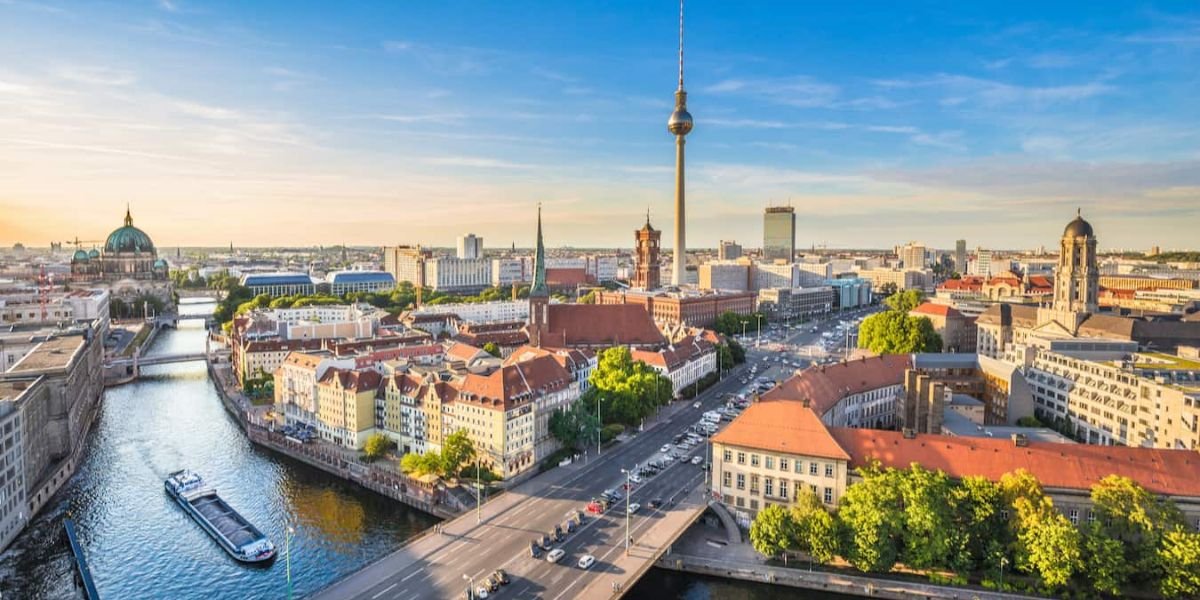
Berlin is one of Europe’s most fascinating cities, combining centuries of history with modern culture, impressive architecture, vibrant neighborhoods, museums, art galleries, and lively nightlife. Germany’s capital has a unique character that makes it different from many other European destinations.
Whether you are interested in history, art, food, shopping, architecture, or local culture, Berlin offers plenty of experiences for different types of travelers. From the famous Brandenburg Gate and Berlin Wall to Museum Island and the Reichstag Building, there are countless places to explore.
This Travel to Berlin Germany guide covers the best places to visit, top attractions, things to do, food to try, where to stay, the best time to visit, transportation, and useful travel tips.
Why Travel to Berlin Germany?
Berlin has a fascinating past and a constantly changing present. The city has played an important role in European history and is now known for its creative atmosphere, diverse communities, and contemporary culture.
One of the biggest reasons to visit Berlin is its combination of historic landmarks and modern attractions. You can spend the morning visiting a historic monument and the afternoon exploring an artistic neighborhood, shopping at a local market, or enjoying traditional German food.
Berlin is also relatively easy to explore because its public transportation network connects the major neighborhoods and attractions. Walking and cycling are also popular ways to discover the city.
For first-time visitors, Berlin provides a good balance of sightseeing, culture, history, entertainment, and relaxation.
Best Places to Visit in Berlin
Berlin has numerous attractions spread across its different neighborhoods. Some can be explored on foot, while others are easy to reach by public transportation.
Brandenburg Gate
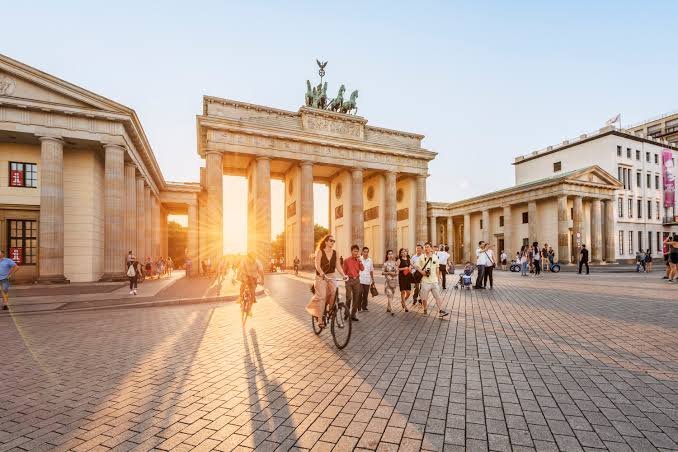
The Brandenburg Gate is one of Berlin’s most recognizable landmarks and an important symbol of the city.
The neoclassical monument was completed in the 18th century and has witnessed many important events throughout Berlin’s history. Today, it is one of the most photographed places in the city.
The gate is located near several other major attractions, making it a convenient starting point for exploring central Berlin.
Visit early in the morning if you want to experience the area with fewer crowds. The surrounding streets and public spaces are also enjoyable for walking.
Reichstag Building
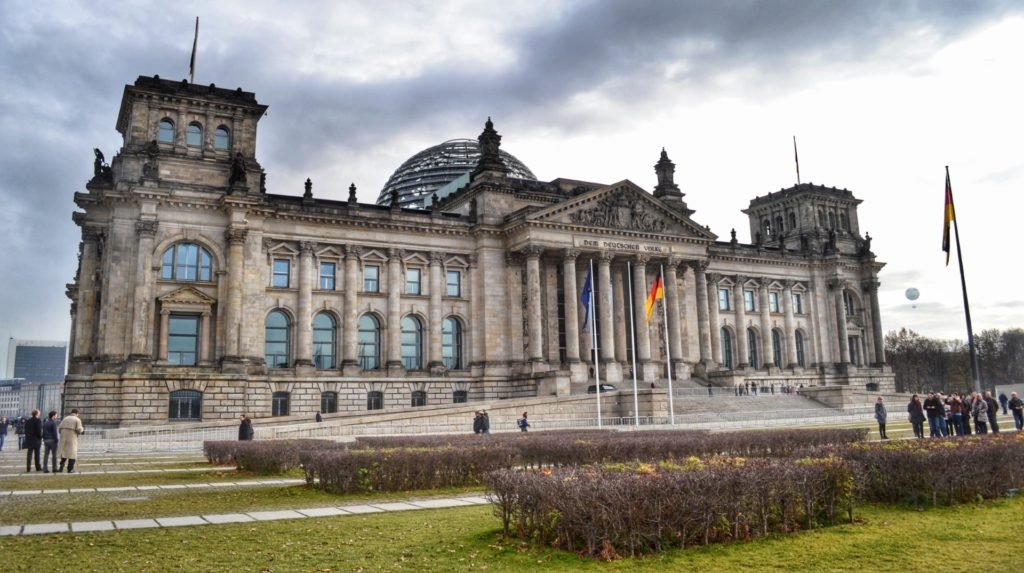
The Reichstag Building is home to Germany’s federal parliament and is another important Berlin landmark.
Its most famous feature is the modern glass dome, which provides impressive views over the surrounding city. Visitors can learn more about Germany’s political history while enjoying the architecture and panoramic views.
Registration or advance arrangements may be required for visitors, so check the official visitor information before your trip.
Museum Island
Museum Island is one of the cultural highlights of Berlin. Located in the Spree River, the area contains several major museums and is recognized as a UNESCO World Heritage Site.
Visitors can explore collections covering ancient civilizations, European art, sculptures, archaeology, and other historical subjects.
Even if you do not visit every museum, walking around Museum Island is worthwhile because of its impressive architecture and central location.
Berlin Cathedral
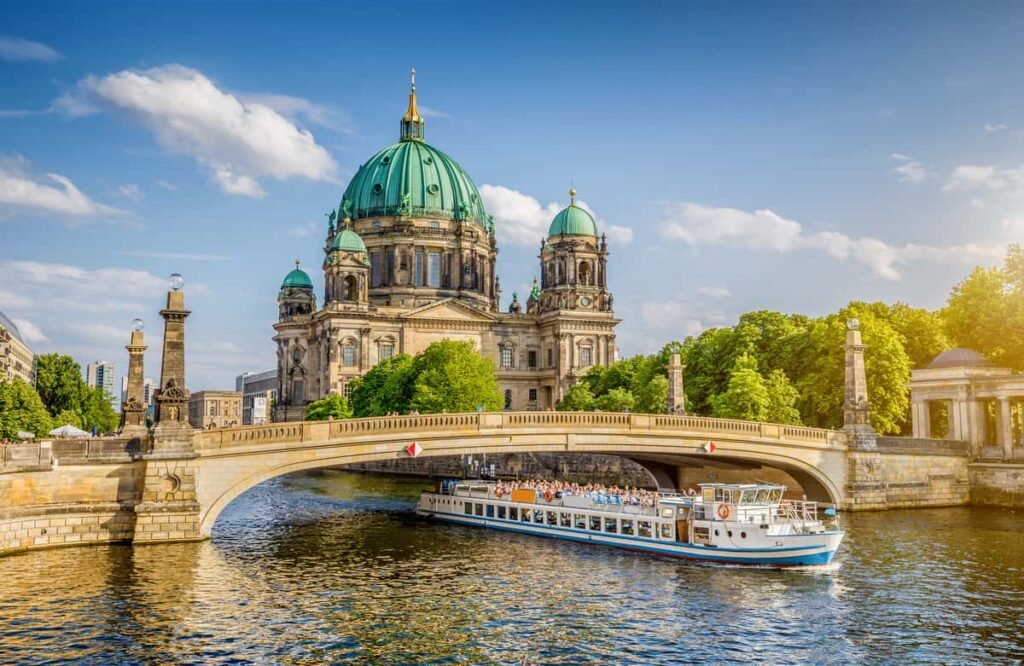
Berlin Cathedral, also known as Berliner Dom, is one of the city’s most impressive religious buildings.
The large dome and detailed interior architecture make it a popular attraction for visitors interested in history and architecture.
You can explore the cathedral’s interior and, depending on current visitor access, climb toward the dome area for views of central Berlin.
Its location near Museum Island makes it easy to include in a sightseeing itinerary.
Berlin Wall Memorial
The Berlin Wall is one of the most important symbols of Germany’s 20th-century history.
Although much of the original wall has disappeared, several sections and memorial sites remain throughout the city.
The Berlin Wall Memorial provides an opportunity to understand the history of the division between East and West Berlin. Visitors can see preserved sections of the former border area and learn about the people affected by the division.
Allow enough time to explore the memorial rather than simply taking photographs.
East Side Gallery
The East Side Gallery is one of Berlin’s most famous outdoor attractions.
It is a long remaining section of the Berlin Wall that has been transformed into an open-air art gallery. Artists from different countries created colorful murals on the wall after the political changes of the late 1980s.
The murals have become an important part of Berlin’s modern cultural identity.
Walking along the wall provides a different experience from visiting traditional museums and historic buildings.
Checkpoint Charlie
Checkpoint Charlie was one of the best-known crossing points between East and West Berlin during the Cold War.
Today, the location is a popular tourist stop where visitors can learn about the history of divided Berlin.
Although the surrounding area has changed significantly, the site remains useful for understanding the political history of the city.
Charlottenburg Palace
Charlottenburg Palace offers a different perspective on Berlin’s history.
The former royal residence features grand architecture, historic rooms, gardens, and landscaped grounds.
The palace is located away from some of the busiest central attractions, making it a good addition to an itinerary if you want to explore another side of Berlin.
The gardens are particularly enjoyable during warmer months.
Best Things to Do in Berlin
Beyond visiting major landmarks, Berlin offers many activities that allow travelers to experience the city’s culture and atmosphere.
Explore Berlin on Foot
Walking is one of the best ways to discover central Berlin.
You can combine several major attractions in one walking route, including Brandenburg Gate, the Reichstag, the Memorial to the Murdered Jews of Europe, Unter den Linden, and Museum Island.
Walking also gives you the opportunity to discover cafés, bookstores, small shops, and architectural details that you might miss when traveling by vehicle.
Visit Berlin’s Museums
Berlin has an impressive selection of museums covering art, history, archaeology, technology, and culture.
Museum Island is the most famous museum area, but there are many other institutions throughout the city.
If you are particularly interested in history, art, or culture, consider planning specific museums into your itinerary rather than trying to visit too many in one day.
Explore Kreuzberg
Kreuzberg is known for its multicultural atmosphere, street art, restaurants, cafés, and creative energy.
The neighborhood offers a different experience from Berlin’s historic center. It is a good place to explore local food and experience the city’s contemporary side.
Spend an afternoon walking around the neighborhood, stopping at cafés and exploring independent shops.
Visit Tiergarten
Tiergarten is one of Berlin’s largest and most popular green spaces.
The park provides a peaceful escape from the busy streets of the city center. It is ideal for walking, cycling, relaxing, or enjoying a picnic.
Because several major attractions are located around the park, you can easily combine a visit to Tiergarten with sightseeing.
Experience Berlin’s Nightlife
Berlin is famous for its nightlife, with options ranging from relaxed bars and live music venues to major clubs.
Different neighborhoods have different atmospheres, so explore the area that matches your interests.
Nightlife hours can vary significantly, and some venues have specific entry policies. Check current information before making plans.
What Food to Try in Berlin
Food is an important part of any trip to Berlin. The city offers traditional German dishes alongside international cuisine influenced by its diverse population.
Currywurst
Currywurst is one of Berlin’s most recognizable foods. It typically consists of sausage served with a curry-flavored tomato sauce.
It is widely available at casual food stands and restaurants and makes an easy meal while sightseeing.
Berliner Pfannkuchen
Berliner Pfannkuchen is a traditional German pastry similar to a filled doughnut.
It is commonly filled with jam and covered with sugar or icing. Try one with coffee for a simple local snack.
Schnitzel
Schnitzel is another popular German dish. It generally consists of a breaded and fried piece of meat served with side dishes.
Many traditional restaurants offer their own versions of the dish.
Pretzels
Fresh pretzels are easy to find throughout Berlin. They make a convenient snack when you are exploring the city.
Pair one with a drink or enjoy it as a quick breakfast option.
International Food
Berlin’s food scene goes well beyond traditional German cuisine.
You can find Turkish, Middle Eastern, Asian, Italian, Indian, Vietnamese, and many other cuisines across the city.
This diversity makes Berlin particularly appealing to travelers who enjoy trying different foods.
Best Time to Travel to Berlin Germany
Berlin can be visited throughout the year, but each season offers a different experience.
Spring
Spring brings milder temperatures and longer days. Parks and gardens become more attractive, making it a pleasant season for walking and sightseeing.
Summer
Summer is one of the busiest periods for tourism. Longer daylight hours make it possible to spend more time outdoors.
However, popular attractions can be crowded, and accommodation prices may be higher.
Autumn
Autumn brings cooler weather and colorful scenery. It can be a comfortable period for exploring museums, neighborhoods, parks, and historic attractions.
Winter
Winter is colder and daylight hours are shorter, but Berlin has a special atmosphere during the holiday season.
Christmas markets, seasonal food, and winter events can make a December visit memorable.

Where to Stay in Berlin
Choosing the right neighborhood can make your Travel to Berlin Germany experience more comfortable and convenient. Berlin is a large city with excellent public transportation, so you do not necessarily need to stay directly beside the main attractions. Instead, choose an area based on your interests, budget, and preferred atmosphere.
Mitte
Mitte is a popular choice for first-time visitors because it is close to many of Berlin’s most famous attractions. Brandenburg Gate, Museum Island, Berlin Cathedral, the Reichstag, and several important museums are located in or near this central district.
Staying in Mitte can save you travel time and make it easy to explore the city on foot. The area has a wide range of hotels, restaurants, cafés, and shops, although accommodation can be more expensive than in some other neighborhoods.
Kreuzberg
Kreuzberg is a great option for travelers who want a lively and alternative Berlin experience. The neighborhood is known for its street art, international restaurants, cafés, bars, and nightlife.
It has a multicultural atmosphere and plenty of places to explore after dark. Kreuzberg is particularly suitable for younger travelers, food lovers, and visitors interested in Berlin’s creative side.
Prenzlauer Berg
Prenzlauer Berg offers a more relaxed neighborhood atmosphere while still providing convenient connections to central Berlin. The area is known for its cafés, restaurants, independent shops, parks, and attractive residential streets.
It can be a good choice for couples, families, and travelers who prefer staying somewhere quieter than the busiest tourist areas. Kollwitzplatz and the surrounding streets are particularly pleasant for walking and dining.
Charlottenburg
Charlottenburg is located in western Berlin and combines elegant architecture, shopping, restaurants, and cultural attractions. One of its main highlights is Charlottenburg Palace.
The neighborhood is also home to major shopping areas, making it appealing to travelers interested in retail and city life. With good public transportation connections, Charlottenburg provides convenient access to other parts of Berlin while offering a more relaxed atmosphere than central Mitte.
How to Get Around Berlin
Getting around Berlin is relatively easy because the city has a well-connected transportation network and many attractions are accessible on foot. Depending on your itinerary, you can use public transportation, walk between nearby attractions, or explore the city by bicycle.
Public Transportation
Berlin’s public transportation system includes the U-Bahn, S-Bahn, buses, and trams, making it easy to travel between different neighborhoods and major attractions.
The U-Bahn is useful for traveling around central areas, while the S-Bahn connects the city center with more distant neighborhoods and surrounding areas. Buses and trams provide additional connections where rail services may not be as convenient.
Before purchasing a ticket, check the current fare zones, ticket types, and transportation rules. Some tickets may need to be validated before travel, so follow the instructions carefully. Keep your ticket during the journey in case it is inspected.
Walking
Walking is one of the best ways to experience central Berlin. Several major attractions are located relatively close to one another, allowing you to create sightseeing routes that combine multiple landmarks.
For example, you can walk between Brandenburg Gate, the Reichstag, the Holocaust Memorial, Unter den Linden, and Museum Island.
Walking also gives you a chance to discover smaller streets, cafés, independent shops, historic buildings, and local neighborhoods that you might miss when using public transportation.
Cycling
Berlin is a bike-friendly city with dedicated cycling infrastructure in many areas. Cycling can be an enjoyable way to explore parks, neighborhoods, riverside paths, and attractions that are spread across the city.
Bike rental services are available in different parts of Berlin. Before cycling, familiarize yourself with local traffic rules and use appropriate safety equipment.
Day Trips From Berlin
If you have more than three days in Berlin, consider taking a day trip outside the city.
Potsdam
Potsdam is one of the most popular day trips from Berlin. The city is famous for its palaces, gardens, historic buildings, and beautiful parks.
Sanssouci Palace and its surrounding gardens are among the major attractions.
Sachsenhausen Memorial
Travelers interested in history can visit the Sachsenhausen Memorial and Museum, located outside Berlin.
The site provides educational information about the former concentration camp and its victims. Visitors should approach the location respectfully and allow enough time to understand its historical context.
Berlin Travel Tips
A little preparation can make your trip to Berlin smoother, more comfortable, and more enjoyable. From booking attractions to choosing what to pack, these practical Berlin travel tips can help you make the most of your visit.
Book Popular Attractions Early
Some of Berlin’s museums, tours, historic attractions, and special exhibitions can become busy during peak travel periods. If you already know which places you want to visit, check their official websites before your trip.
Look for current opening hours, ticket prices, reservation requirements, and any visitor restrictions. Booking in advance can help you organize your itinerary and avoid unnecessary waiting.
Wear Comfortable Shoes
Berlin is a large city, and sightseeing often involves considerable walking. You may spend several hours exploring museums, historic neighborhoods, parks, and major landmarks.
Comfortable walking shoes are particularly useful when visiting areas such as Mitte, Museum Island, and the Berlin Wall sites. Choose footwear suitable for long days of sightseeing.
Carry a Reusable Water Bottle
A reusable water bottle can be useful during long days of exploring Berlin. You may spend several hours walking between attractions, especially during warmer months.
Keeping water with you can make sightseeing more comfortable and reduce the need to purchase bottled water repeatedly.
Keep Your Belongings Secure
As with any major European tourist destination, it is sensible to keep your belongings secure in crowded areas. Pay particular attention to your phone, wallet, passport, and other valuables when using public transportation or visiting busy attractions.
Consider carrying important documents in a secure bag and avoid keeping large amounts of cash in easily accessible pockets.
Learn a Few German Words
English is widely spoken in tourist areas, hotels, restaurants, and many attractions, but knowing a few basic German words can make everyday interactions easier.
Hallo means hello, while Danke means thank you. You can also use Bitte for please or you’re welcome. Even a few simple German phrases can be useful when ordering food, shopping, or interacting with locals.
Check the Weather Before Leaving
Berlin’s weather can change depending on the season, so check the forecast before heading out each day. Pack layers and a light rain jacket when appropriate, particularly if you plan to spend most of the day outdoors.
How Many Days Do You Need in Berlin?
For a first visit, three days can provide enough time to experience many of Berlin’s major attractions without rushing through the entire city.
One Day in Berlin
With one day, focus on central attractions such as Brandenburg Gate, the Reichstag, the Memorial to the Murdered Jews of Europe, Museum Island, and Berlin Cathedral.
A walking route through central Berlin can help you make the most of your limited time.
Two Days in Berlin
Two days allow you to explore more of the city’s history and culture.
You can visit the Berlin Wall Memorial, East Side Gallery, Checkpoint Charlie, and one or two museums. Spend the evening exploring a neighborhood such as Kreuzberg.
Three Days in Berlin
Three days provide a more balanced Berlin itinerary.
You can explore the major historic attractions, visit museums, experience local food, walk through neighborhoods, and spend time in parks such as Tiergarten.
You can also dedicate part of a day to exploring Berlin’s nightlife or local cafés.
Four or More Days
With four or more days, you can explore Berlin at a slower pace and consider a day trip to Potsdam.
Additional time also allows you to discover lesser-known museums, local markets, neighborhoods, restaurants, and cultural attractions.
Is Berlin Worth Visiting?
Berlin is a destination that offers something for a wide range of travelers. Its historic landmarks provide insight into Germany’s complicated past, while its museums, food scene, art, nightlife, and diverse neighborhoods showcase its modern identity.
The city is particularly appealing if you enjoy combining history and culture with contemporary experiences.
Whether you have a weekend or several days, planning your itinerary around a mix of major attractions and local experiences can make your Travel to Berlin Germany experience more rewarding.
Must Read:
- Travel to Budapest Hungary: Best Places to Visit, Food & Travel Tips
- Travel to Florence Italy: A Complete Guide to Florence Attractions
- Travel to Edinburgh Scotland: Top Attractions & Things to Do
Final Thoughts:
Berlin is a city where history, culture, architecture, food, and modern creativity come together. From Brandenburg Gate and the Reichstag to the Berlin Wall, Museum Island, and vibrant neighborhoods such as Kreuzberg, there is plenty to see and experience.
Take time to explore beyond the main landmarks, try local food, use public transportation, and leave some room for spontaneous discoveries.
With thoughtful planning, comfortable shoes, and enough time to explore, Berlin can be an exciting addition to any Germany or European travel itinerary.