
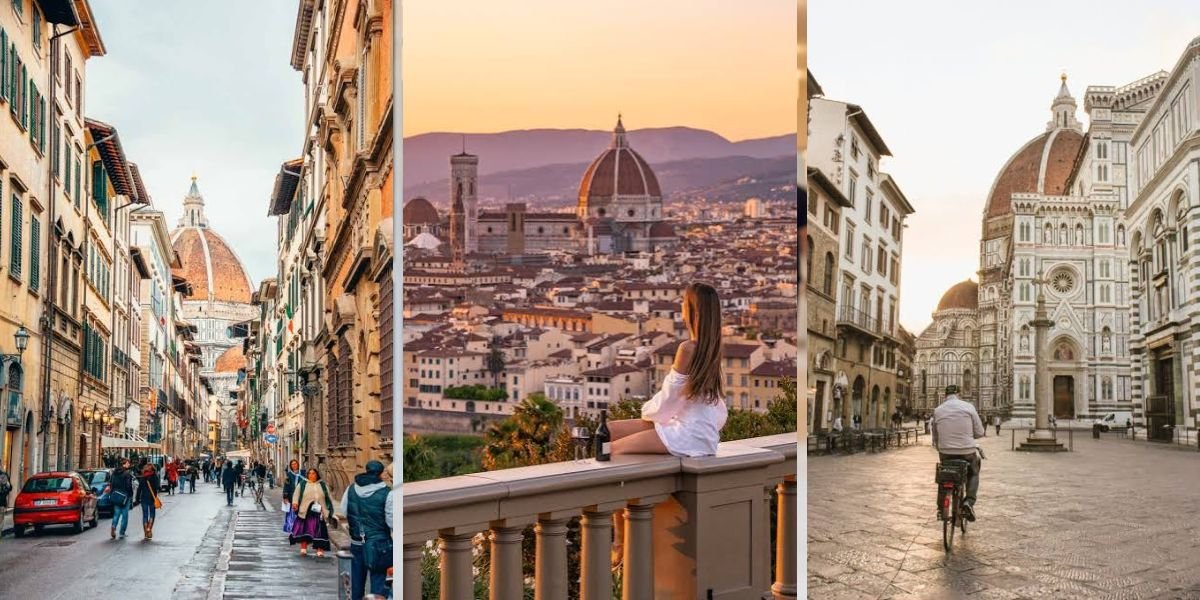
Travel to Florence Italy and step into a city where Renaissance art, historic architecture, Italian cuisine, and beautiful streets come together. Florence, known as Firenze in Italian, is the capital of Tuscany and one of the most culturally significant cities in Italy.
The city is famous for masterpieces by Michelangelo, Botticelli, and other Renaissance artists, while landmarks such as the Florence Cathedral, Ponte Vecchio, and Palazzo Vecchio give the historic center its distinctive character.
Florence is also compact enough to explore largely on foot. You can spend your morning visiting an art museum, enjoy an Italian lunch in a traditional trattoria, walk beside the Arno River in the afternoon, and finish the day watching the sunset from Piazzale Michelangelo.
Whether you are planning a short city break or using Florence as a base for exploring Tuscany, this guide covers the top Florence attractions, things to do, food, neighborhoods, transportation, and practical travel tips.
Why Travel to Florence Italy?
Florence is one of the best destinations in Italy for travelers interested in art, history, architecture, and food. The city played an important role during the Renaissance, and its historic center contains an extraordinary concentration of landmarks and museums.
One of the biggest advantages of visiting Florence is its walkability. Many major attractions are located relatively close together, allowing visitors to explore the city without relying heavily on public transportation.
Florence also offers easy access to the wider Tuscany region. Popular destinations such as Siena, Pisa, Lucca, and the Chianti countryside can be visited on day trips.
For first-time visitors to Italy, Florence provides a combination of famous landmarks, local culture, shopping, traditional food, and historic atmosphere.
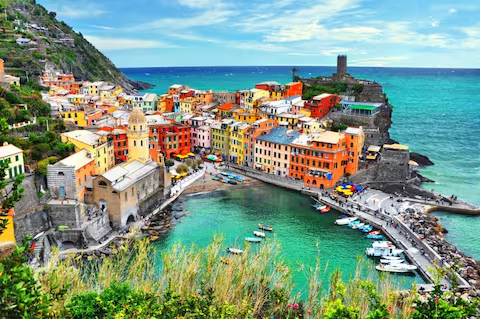
Best Florence Attractions to Visit
Florence has numerous attractions, but a few landmarks should be at the top of your itinerary.
Florence Cathedral
The Cathedral of Santa Maria del Fiore, commonly known as the Duomo, is one of Florence’s most recognizable landmarks.
Its enormous dome dominates the city’s skyline and is closely associated with the Renaissance. The cathedral complex includes the cathedral itself, Giotto’s Campanile, the Baptistery of San Giovanni, and other historic buildings.
The exterior is decorated with colorful marble, creating one of the most impressive architectural sights in Florence.
If you want to climb the famous dome, plan ahead because access can require a timed reservation and involves a significant number of steps.
Brunelleschi’s Dome
Brunelleschi’s Dome is one of Florence’s architectural highlights. Designed by Filippo Brunelleschi, the dome was a remarkable engineering achievement for its time.
Climbing to the top provides an elevated view across Florence. The experience is particularly rewarding for travelers who enjoy architecture and panoramic city views.
Because this is one of Florence’s most popular experiences, check official ticket requirements and availability before your visit.
Giotto’s Campanile
Located next to the cathedral, Giotto’s Campanile is another important Florence landmark.
The bell tower features detailed architectural decoration and provides another opportunity to see the city from above.
The climb involves many steps, but the views make it worthwhile for visitors who enjoy panoramic viewpoints.
Piazza del Duomo
Piazza del Duomo is the area surrounding Florence Cathedral and several important religious landmarks.
It is usually busy throughout the day, so arriving early can give you a more comfortable sightseeing experience.
Spend some time looking at the architectural details rather than simply taking a photograph and moving on. The combination of the cathedral, dome, bell tower, and Baptistery creates an impressive Renaissance-era cityscape.
Uffizi Gallery
The Uffizi Gallery is one of the most famous art museums in Florence and a major attraction for anyone interested in Renaissance art.
The museum contains works associated with artists including Botticelli, Leonardo da Vinci, Michelangelo, and Raphael.
Among the most recognized works is Botticelli’s The Birth of Venus.
Because the Uffizi is extremely popular, booking tickets in advance is often a good idea, particularly during the busiest travel periods.
Allow several hours if you want to explore the collection without rushing.
Accademia Gallery
Another essential Florence attraction is the Accademia Gallery, best known for housing Michelangelo’s David.
The sculpture is one of the most recognizable masterpieces of Renaissance art. Seeing it in person allows visitors to appreciate its scale and detail in a way that photographs cannot fully reproduce.
The museum also contains other artworks and sculptures, but David remains its main attraction for many visitors.
Like the Uffizi, the Accademia can become very busy, so advance ticket planning can save time.
Ponte Vecchio
Ponte Vecchio is one of Florence’s most famous bridges and crosses the Arno River.
The bridge is known for its historic shops and distinctive architecture. Today, it is one of the city’s most photographed landmarks.
Walking across Ponte Vecchio is free, and you can explore the nearby streets and riverside areas at the same time.
Visit in the morning for a quieter atmosphere or return in the evening when the bridge and river area take on a different character.
Palazzo Vecchio
Palazzo Vecchio stands in Piazza della Signoria and has served as an important center of civic life in Florence for centuries.
The building’s imposing exterior makes it easy to recognize, while its interior contains historic rooms and artistic decorations.
The surrounding Piazza della Signoria is also worth exploring. The square contains sculptures and provides easy access to other attractions in central Florence.
Piazza della Signoria
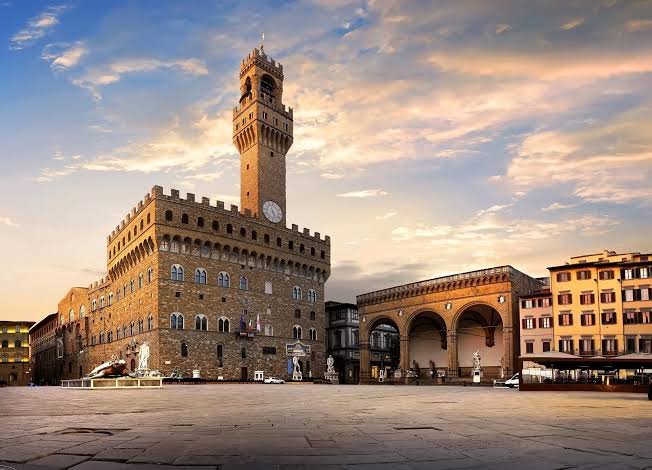
Piazza della Signoria is one of the most important public spaces in Florence.
It functions almost like an open-air art gallery, with sculptures and historic buildings surrounding the square.
The location is particularly convenient because it sits close to Palazzo Vecchio, the Uffizi Gallery, and Ponte Vecchio.
Take some time to explore the square before continuing toward the river or other attractions.
Basilica of Santa Croce
The Basilica of Santa Croce is another significant attraction in Florence.
The church is known for its impressive architecture and its association with notable Italian figures. Several important historical figures are buried here, including Michelangelo and Galileo.
The surrounding neighborhood also offers cafés, restaurants, and quieter streets where you can take a break from the busiest tourist areas.
Piazzale Michelangelo
For one of the best panoramic views of Florence, head to Piazzale Michelangelo.
The viewpoint sits above the city and provides a broad view of the historic center, the Arno River, and the surrounding hills.
Sunset is a particularly popular time to visit. However, this also means the viewpoint can become crowded.
If you want a good position for photographs, arrive before sunset and allow yourself enough time to find a comfortable spot.
Boboli Gardens
The Boboli Gardens are located behind Palazzo Pitti and provide a green escape from the busy streets of central Florence.
The gardens contain landscaped pathways, sculptures, fountains, and viewpoints.
They are a good choice if you want to spend a few hours outdoors after visiting museums and historic buildings.
Because the gardens cover a large area, wear comfortable shoes and allow enough time to explore.
Palazzo Pitti
Palazzo Pitti is a large Renaissance palace located on the south side of the Arno River.
The palace contains several museums and collections, while the nearby Boboli Gardens provide additional space to explore.
You can combine a visit to Palazzo Pitti with a walk through the Oltrarno neighborhood, which has a somewhat different atmosphere from the main tourist center.
Explore Florence’s Historic Center
One of the best things to do in Florence is simply walk through its historic center.
The streets between the Duomo, Piazza della Signoria, Ponte Vecchio, and Santa Croce are filled with historic buildings, cafés, shops, and small squares.
You do not need to visit every attraction to enjoy Florence. Leave some time in your itinerary for spontaneous exploration.
Some of the most memorable moments can come from discovering a small café, local bakery, quiet courtyard, or less crowded street.
Best Things to Do in Florence
Beyond visiting major attractions, Florence offers several experiences that can make your trip more enjoyable.
Take a Walking Tour
A walking tour is an excellent way to learn about Florence’s history and Renaissance heritage.
A knowledgeable local guide can provide context about the city’s architecture, artists, historic families, and important landmarks.
You can choose general city tours or specialized options focused on art, food, history, or architecture.
Enjoy Italian Food
Florence is an excellent destination for food lovers.
Traditional Tuscan cuisine tends to emphasize simple ingredients and hearty flavors. Local specialties may include bistecca alla fiorentina, ribollita, pappa al pomodoro, and schiacciata.
Florentine steak is particularly famous, although portions can be large and are often intended to be shared.
Try Gelato
Gelato is an easy addition to any Florence itinerary.
Look for traditional gelaterias and take your time comparing flavors. Classic options include pistachio, chocolate, hazelnut, stracciatella, and seasonal fruit flavors.
A gelato break can be especially enjoyable during an afternoon walk.
Shop for Leather Goods
Florence has a long association with leather craftsmanship.
You can find leather bags, belts, wallets, jackets, and other products in shops throughout the city.
If buying leather goods, compare quality and materials rather than choosing solely based on price.
Where to Stay in Florence
Choosing the right neighborhood can make sightseeing easier.
Duomo Area
Staying near the Duomo places you close to many of Florence’s major attractions.
This area is convenient for first-time visitors who want to minimize walking distances to major landmarks.
Santa Maria Novella
The area around Santa Maria Novella railway station is practical for travelers arriving by train or planning day trips.
It also has restaurants, shops, and easy connections to other parts of the city.
Santa Croce
Santa Croce offers a lively atmosphere with restaurants, cafés, and historic streets.
It can be a good choice for travelers who want to stay close to major attractions while experiencing a neighborhood feel.
Oltrarno
Oltrarno is located across the Arno River and includes attractions such as Palazzo Pitti and the Boboli Gardens.
The area is known for artisan workshops, restaurants, and a more relaxed atmosphere in some parts.
Best Time to Travel to Florence Italy
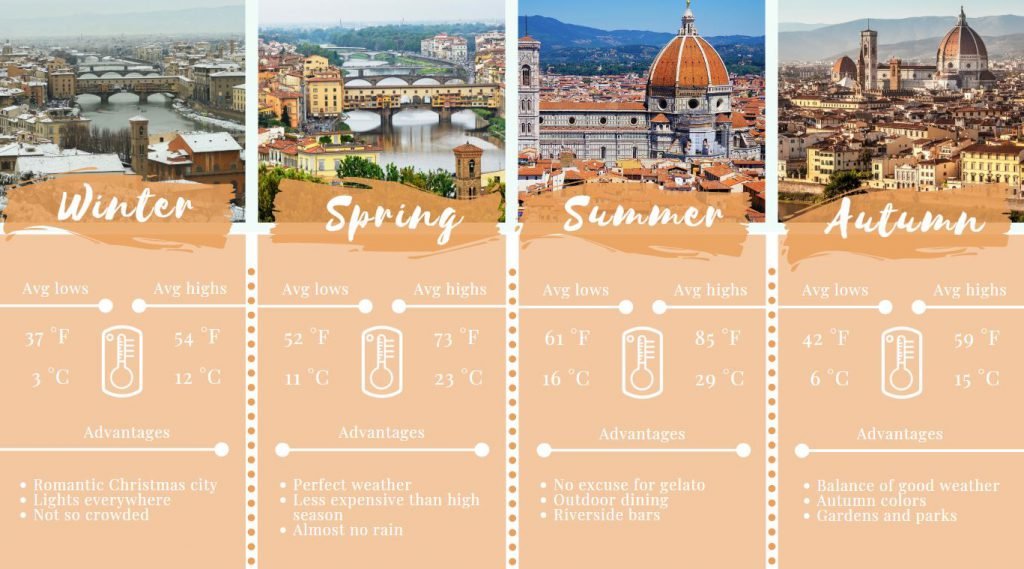
Florence can be visited throughout the year, but the experience changes depending on the season.
Spring
Spring generally offers pleasant conditions for sightseeing and walking.
April and May can be popular months, so major attractions may still be busy.
Summer
Summer brings warm weather and long daylight hours. It is also one of the busiest periods for tourism.
If you travel during June, July, or August, book popular attractions and accommodation in advance.
Try to schedule outdoor sightseeing in the morning or later in the afternoon when temperatures are more comfortable.
Autumn
September and October can be excellent months for exploring Florence.
The weather can remain pleasant while the city may feel less crowded than during the height of summer.
Autumn is also a wonderful season for exploring the wider Tuscany region.
Winter
Winter is generally quieter than the peak tourist seasons.
The shorter days and cooler temperatures mean outdoor sightseeing requires more planning, but museums and historic attractions remain appealing.
Winter can be a good option if your priority is art, architecture, food, and culture rather than outdoor activities.
How to Get Around Florence
Florence is one of Italy’s easiest major tourist cities to explore on foot.
Walking
Walking is the most convenient way to visit many central Florence attractions.
The Duomo, Uffizi Gallery, Ponte Vecchio, Piazza della Signoria, and several other landmarks are located relatively close to one another.
Comfortable shoes are essential because you may spend much of the day walking.
Public Transportation
Buses and other local transportation options can help you reach attractions outside the historic center.
Public transportation is particularly useful when visiting areas farther from the main tourist district.
Train
Florence’s main railway station, Santa Maria Novella, connects the city with destinations throughout Italy.
High-speed trains make it possible to visit Florence from cities such as Rome, Milan, Bologna, and Venice.
The station’s central location also makes it convenient for travelers staying near the historic center.
Car Rental
You generally do not need a car to explore central Florence.
Driving in the historic center can be complicated because of restricted traffic areas and limited parking. If you plan to explore rural Tuscany, however, a car may be useful depending on your itinerary.
Florence Day Trips
Florence is an excellent base for exploring Tuscany and nearby Italian destinations.
Siena
Siena is famous for its medieval architecture, historic center, and Piazza del Campo.
It can make a rewarding day trip from Florence for travelers interested in history and traditional Tuscan scenery.
Pisa
Pisa is home to the famous Leaning Tower and Piazza dei Miracoli.
The city can be reached from Florence by train, making it one of the easier day trips.
Lucca
Lucca is known for its historic walls, charming streets, churches, and attractive public squares.
Cycling or walking along the city’s historic walls is a popular activity.
Chianti
The Chianti region is famous for rolling hills, vineyards, small villages, and Tuscan landscapes.
Wine-focused tours are available for visitors who want to experience the countryside without driving themselves.
Florence Travel Tips
A little preparation can make your travel to Florence Italy more comfortable and enjoyable. Florence is easy to explore, but popular attractions can become busy, especially during the peak travel season. These practical tips can help you make the most of your time in the city.
Book Major Attractions in Advance
Popular attractions such as the Uffizi Gallery, Accademia Gallery, and Florence Cathedral can attract large crowds. If these places are part of your itinerary, check official ticket information and consider booking ahead. Advance planning can help you avoid long queues and make it easier to organize your sightseeing schedule.
Start Early
Starting your day early is one of the simplest ways to enjoy Florence’s major attractions with fewer crowds. Early mornings are also ideal for photography, particularly around the Duomo, Ponte Vecchio, and Piazza della Signoria. You can visit popular landmarks first and enjoy a relaxed lunch afterward.
Wear Comfortable Shoes
Florence is a city best explored on foot, so comfortable footwear is essential. You may spend hours walking between museums, churches, piazzas, markets, and historic streets. Some areas have cobblestone surfaces, so supportive walking shoes can make your sightseeing experience much more comfortable.
Carry a Reusable Water Bottle
Keeping a reusable water bottle with you can be useful during long days of sightseeing. Florence has public drinking fountains where you can refill your bottle. Staying hydrated is especially important when walking around the city during warmer months.
Watch Your Belongings
As with other popular European destinations, keep your belongings secure in crowded tourist areas. Pay particular attention to your phone, wallet, passport, and other valuables when using public transportation or visiting busy attractions and markets.
Respect Church Dress Codes
Florence has many beautiful churches and religious sites, and some may have clothing requirements for visitors. Carrying a lightweight layer that covers your shoulders can be helpful. Dressing respectfully will also make it easier to visit religious attractions without unexpected restrictions.
How Many Days Do You Need in Florence?
For a first trip, three days in Florence is a comfortable amount of time to experience the city’s major attractions while still leaving room for relaxed meals, shopping, and wandering through historic streets. However, the ideal length of your Florence vacation depends on your interests and whether you plan to explore other parts of Tuscany.
One Day in Florence
If you only have one day, focus on Florence’s most famous landmarks. Start with the Duomo and explore Piazza del Duomo before walking toward Piazza della Signoria and the Uffizi Gallery. Continue to Ponte Vecchio and spend some time beside the Arno River.
In the evening, head to Piazzale Michelangelo for panoramic views of Florence. This itinerary is busy, but it gives you a good introduction to the city’s Renaissance architecture, art, and historic center.
Two Days in Florence
Two days allow you to explore Florence at a more comfortable pace. After visiting the Duomo and central historic area, dedicate part of your second day to the Accademia Gallery, where you can see Michelangelo’s famous David.
You can also visit Santa Croce, Palazzo Pitti, or the Boboli Gardens. Leave some time for enjoying Tuscan cuisine at a local restaurant and exploring smaller streets away from the busiest tourist areas.
Three Days in Florence
Three days is a great option for first-time visitors who want a balanced Florence itinerary. You can visit the major museums and landmarks without trying to fit everything into one or two hectic days.
With an extra day, you can also explore local markets, enjoy a longer lunch, visit additional museums, or simply spend time walking around different neighborhoods.
Four or More Days
If you have four or more days, consider slowing down your itinerary and exploring beyond Florence. You can take day trips to destinations such as Siena, Pisa, Lucca, or the Chianti countryside.
A longer stay is particularly useful for travelers interested in combining Florence’s art and history with Tuscan food, wine, villages, and countryside scenery.
Is Florence Worth Visiting?
Florence is a particularly interesting destination for travelers who enjoy history, art, architecture, and Italian food.
The city offers famous Renaissance masterpieces alongside everyday experiences such as visiting markets, enjoying gelato, walking beside the Arno, and eating in traditional restaurants.
Its compact historic center also makes it easy to combine several attractions in a single day.
For travelers with additional time, Florence’s location in Tuscany makes it possible to explore medieval towns, vineyards, countryside landscapes, and other Italian cities.
Must Read:
- Travel to Nice France: Top Attractions, Beaches, Food & Travel Tips
- Travel to Edinburgh Scotland: Top Attractions & Things to Do
- Travel to Heraklion greece: Best Places to Visit, Things to Do & Tips
Final Thoughts:
Travel to Florence Italy offers an opportunity to experience one of Europe’s great historic and artistic cities. From the magnificent Florence Cathedral and Michelangelo’s David to the Uffizi Gallery, Ponte Vecchio, and Piazzale Michelangelo, the city is filled with memorable attractions.
However, the best Florence experience is not only about checking landmarks off a list. Leave time to walk through historic streets, enjoy Tuscan food, visit local cafés, browse artisan shops, and watch the city change as the sun sets over the Arno River.
For a first trip, three days is a useful starting point, while longer stays allow you to explore more of Tuscany. With thoughtful planning, comfortable shoes, advance reservations for popular attractions, and some free time for spontaneous discoveries, Florence can become one of the highlights of an Italy itinerary.