


Travel to Edinburgh and discover a city where medieval streets, historic castles, Georgian architecture, dramatic hills, museums, traditional pubs, and Scottish culture come together. Edinburgh, the capital of Scotland, is one of the UK’s most distinctive destinations and a popular choice for travelers looking for history, culture, architecture, and beautiful city views.
The city is divided broadly between the historic Old Town and elegant New Town, both of which offer a very different atmosphere. Edinburgh Castle dominates the skyline from its position on Castle Rock, while the Royal Mile connects many of the city’s most famous historic attractions.
Beyond sightseeing, Edinburgh offers excellent restaurants, cozy cafés, traditional Scottish food, lively cultural events, and easy access to scenic areas around the city. Whether you are planning a weekend city break or a longer Scotland itinerary, this guide covers the top attractions, best things to do, food, neighborhoods, transportation, and practical Edinburgh travel tips.

Why Travel to Edinburgh?
Edinburgh offers an impressive combination of history, architecture, culture, and natural scenery.
The city’s Old Town is filled with medieval streets, closes, historic buildings, and landmarks that tell the story of Edinburgh’s past. New Town, meanwhile, showcases elegant Georgian architecture, wide streets, gardens, and stylish shopping areas.
Edinburgh is also an excellent destination for travelers who enjoy viewpoints and outdoor experiences. Arthur’s Seat provides panoramic views over the city, while Calton Hill offers another excellent perspective.
The city is also famous for its festivals, particularly during the summer months, when Edinburgh becomes a major cultural destination.
Best Time to Visit Edinburgh
The best time to travel to Edinburgh depends on your interests and preferred weather.
Spring
Spring can be a pleasant time to explore Edinburgh. The weather gradually becomes milder, gardens become more colorful, and the city is generally less busy than during the peak summer festival period.
April and May are good months for walking tours, sightseeing, and exploring outdoor attractions.
Summer
Summer is one of the busiest periods in Edinburgh. Longer daylight hours make it easier to explore the city, while warmer temperatures are generally suitable for outdoor activities.
August is particularly busy because of Edinburgh’s major festivals, so accommodation can become more expensive and popular attractions may be crowded.
Autumn
Autumn brings cooler temperatures and colorful foliage to Edinburgh. September can still offer relatively mild weather, while October and November are quieter months for sightseeing.
Autumn is a good choice if you want to explore the city’s historic streets without the peak summer crowds.
Winter
Winter is cold and daylight hours are shorter, but Edinburgh has a special atmosphere during the holiday season.
Christmas markets, seasonal decorations, and festive events can make winter an enjoyable time to visit if you are prepared for colder and potentially wet weather.
Top Attractions in Edinburgh
Edinburgh has an impressive collection of historic landmarks and cultural attractions.
Edinburgh Castle
Edinburgh Castle is the city’s most famous landmark and one of the first places to visit when you travel to Edinburgh.
Perched on Castle Rock, the castle has played an important role in Scotland’s history for centuries. Visitors can explore historic buildings, exhibitions, military displays, and viewpoints overlooking the city.
The castle is a major attraction, so allowing several hours for your visit is worthwhile.
The Royal Mile
The Royal Mile is the historic heart of Edinburgh’s Old Town.
The famous street connects Edinburgh Castle with the Palace of Holyroodhouse and is lined with historic buildings, shops, restaurants, pubs, churches, and small passageways known as closes.
Walking along the Royal Mile is one of the best ways to experience Edinburgh’s historic character.
Palace of Holyroodhouse
Located at the opposite end of the Royal Mile from Edinburgh Castle, the Palace of Holyroodhouse is the King’s official Scottish residence.
The palace has strong connections with Scottish royal history and is surrounded by gardens and the dramatic ruins of Holyrood Abbey.
It is a natural addition to a Royal Mile walking tour.
Arthur’s Seat
Arthur’s Seat is an ancient volcanic hill located within Holyrood Park.
The climb provides some of the best panoramic views of Edinburgh, including the Old Town, New Town, coastline, and surrounding countryside.
The hike can be challenging depending on the route and weather, so wear appropriate footwear and check conditions before setting out.
Calton Hill
Calton Hill is another popular viewpoint in Edinburgh.
It is easier to reach than Arthur’s Seat and offers excellent views of the city skyline.
The hill is also home to several historic monuments, making it an interesting place to combine sightseeing with photography.
National Museum of Scotland
The National Museum of Scotland is one of the city’s most popular museums.
Its collections cover Scottish history, science, technology, natural history, world cultures, and art.
It is a particularly useful attraction on a rainy day and offers enough exhibits to occupy several hours.
St Giles’ Cathedral
St Giles’ Cathedral stands on the Royal Mile and is one of Edinburgh’s most recognizable religious landmarks.
The building has played an important role in Scotland’s religious history and features distinctive architecture.
Its central location makes it easy to include during a walking tour of the Old Town.
Dean Village
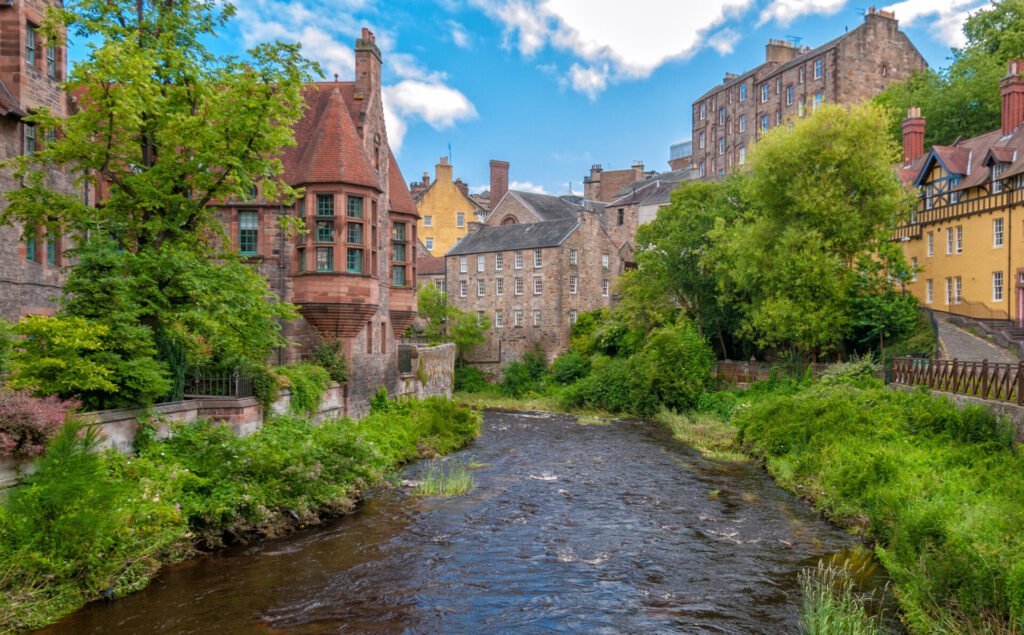
Dean Village offers a quieter side of Edinburgh.
Located along the Water of Leith, this historic neighborhood is known for its attractive stone buildings, peaceful streets, and riverside setting.
It is a good place to escape the busiest parts of the city and enjoy a relaxing walk.
Best Things to Do in Edinburgh
There is much more to Edinburgh than visiting individual attractions.
Explore the Old Town
Spend time wandering through Edinburgh’s Old Town beyond the Royal Mile.
Explore narrow closes, historic streets, small shops, and traditional pubs. The area’s architecture gives you a strong sense of the city’s medieval and early modern history.
Walk Through New Town
Edinburgh’s New Town provides a striking contrast to the Old Town.
The area is known for elegant Georgian buildings, wide streets, gardens, restaurants, cafés, and shops.
Princes Street and George Street are particularly popular areas for shopping and city views.
Enjoy Edinburgh’s Viewpoints
Edinburgh is a great city for panoramic views.
Arthur’s Seat and Calton Hill are the most famous options, but you can also find attractive viewpoints from higher parts of the Old Town and Edinburgh Castle.
Try visiting a viewpoint around sunrise or sunset when the city can look particularly atmospheric.
Take a Ghost Tour
Edinburgh has a long association with ghost stories, underground spaces, and legends.
Ghost tours are a popular evening activity and often combine storytelling with walks through historic parts of the Old Town.
If you enjoy history and folklore, this can be an entertaining way to experience a different side of Edinburgh.
Visit Local Pubs
Traditional pubs are an important part of Edinburgh’s social culture.
Stop at a local pub for a drink, traditional meal, or simply to experience the atmosphere.
Some pubs also feature live music and other forms of entertainment.
Explore the Water of Leith
The Water of Leith provides a peaceful walking route through several parts of Edinburgh.
A walk along the river can take you away from busy tourist streets and introduce you to quieter neighborhoods and green spaces.
The route around Dean Village is particularly popular.
Scottish Food to Try in Edinburgh
Food is an important part of any trip to Scotland, and Edinburgh offers plenty of opportunities to try traditional dishes.
Haggis
Haggis is one of Scotland’s best-known traditional dishes.
It is traditionally made using sheep’s offal mixed with oatmeal, onions, and spices. It is often served with mashed potatoes and turnips or swede.
Many Edinburgh restaurants offer modern versions of the dish as well.
Scottish Breakfast
A traditional Scottish breakfast can include eggs, sausages, bacon, black pudding, baked beans, mushrooms, tomatoes, and other ingredients.
It is a hearty way to start a day of sightseeing.
Cullen Skink
Cullen skink is a traditional Scottish soup made with smoked haddock, potatoes, onions, and milk.
It is particularly comforting during Edinburgh’s colder months.
Shortbread
Scottish shortbread makes a popular snack or souvenir.
You can find it in supermarkets, bakeries, and specialty food shops throughout Edinburgh.
Scottish Whisky
Scotland is famous around the world for whisky.
Edinburgh has several whisky bars and visitor experiences where you can learn about Scottish whisky traditions and sample different varieties.
Where to Stay in Edinburgh
Choosing the right area can make your Edinburgh trip more convenient.
Old Town
Old Town is ideal for first-time visitors who want to stay close to major attractions.
The Royal Mile, Edinburgh Castle, St Giles’ Cathedral, and numerous restaurants and pubs are all nearby.
New Town
New Town is a good option for travelers who prefer elegant streets, shopping, restaurants, and a slightly more modern atmosphere.
It is also within walking distance of many Old Town attractions.
Leith
Leith is located north of the city center and has a more local atmosphere.
The area is known for restaurants, cafés, bars, and its waterfront.
It can be a good choice if you want to experience a different side of Edinburgh.
Haymarket
Haymarket is convenient for transportation and is close to both the city center and Edinburgh’s railway connections.
It can be particularly practical for travelers planning day trips.
How to Get Around Edinburgh
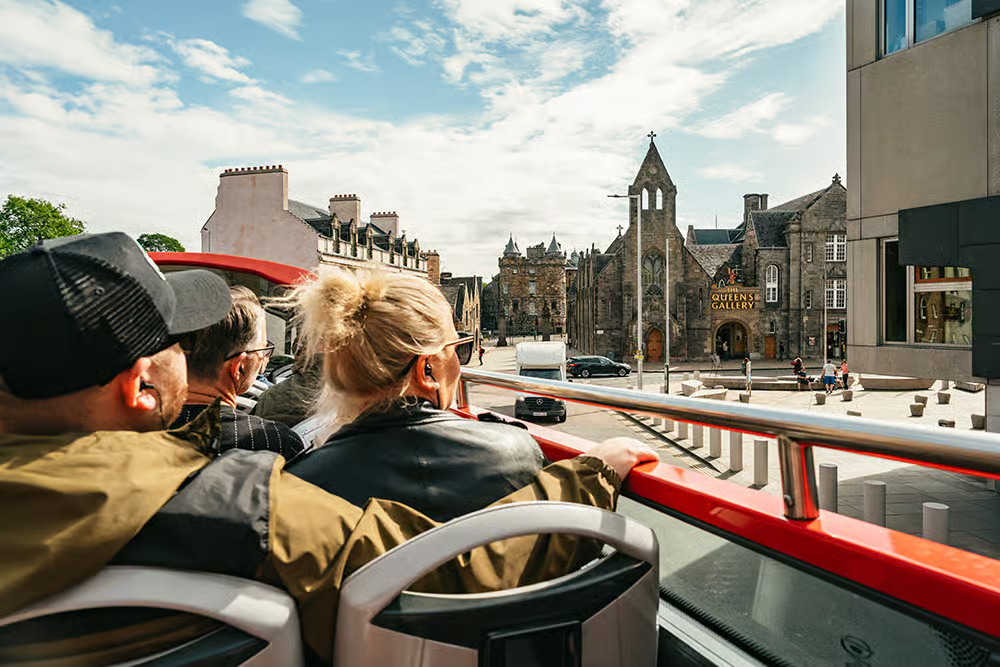
Edinburgh’s central attractions are relatively easy to reach.
Walking
Walking is one of the best ways to explore Edinburgh.
Many major attractions are close together, and walking allows you to discover historic streets, hidden closes, shops, and viewpoints.
Keep in mind that Edinburgh has several hills and steep streets, so comfortable shoes are important.
Buses
Edinburgh has an extensive local bus network that connects the city center with neighborhoods and attractions farther away.
Buses can be useful when you want to avoid long walks or travel to areas such as Leith.
Tram
The Edinburgh tram network provides a convenient connection between the city center and Edinburgh Airport, with stops along important parts of the city.
Taxi
Taxis can be useful for short journeys, late-night travel, or when carrying luggage.
How Many Days Do You Need in Edinburgh?
Two to three days is a good amount of time for most first-time visitors to Edinburgh. This gives you enough time to explore the city’s major historic attractions, enjoy Scottish food, discover different neighborhoods, and experience some of Edinburgh’s beautiful viewpoints without rushing through your itinerary.
One Day in Edinburgh
With one day in Edinburgh, focus on the historic heart of the city. Start with Edinburgh Castle and allow enough time to explore its historic buildings, exhibitions, and viewpoints.
After leaving the castle, walk down the Royal Mile and visit St Giles’ Cathedral. Along the way, explore the historic closes, shops, cafés, and traditional buildings that give the Old Town its distinctive character.
If you still have energy in the evening, head to Calton Hill. It is an excellent place to enjoy views across Edinburgh and provides a memorable way to finish a busy sightseeing day.
Two Days in Edinburgh
Two days allow you to explore Edinburgh at a more comfortable pace. Spend your first day discovering the Old Town, Edinburgh Castle, the Royal Mile, and St Giles’ Cathedral.
On the second day, explore the New Town and visit attractions such as the National Museum of Scotland or the Palace of Holyroodhouse. You can also take a relaxing walk around Dean Village and the Water of Leith.
Having two days also gives you more time to enjoy local restaurants, cafés, and traditional Scottish pubs.
Three Days in Edinburgh
Three days give you enough flexibility to explore Edinburgh more slowly and add a few experiences outside the main tourist route.
You can hike Arthur’s Seat for panoramic views, explore Leith’s restaurants and waterfront, visit additional museums, or spend time in the city’s parks and gardens.
A third day also gives you the option of taking a short trip outside Edinburgh, although you may prefer to stay in the city if you want a relaxed itinerary.
Day Trips From Edinburgh
Edinburgh is an excellent base for exploring other parts of Scotland. If you are staying in the city for three or more days, consider adding a day trip to your itinerary. Historic castles, coastal towns, peaceful lochs, and dramatic countryside can all be experienced outside the capital.
Loch Lomond
Loch Lomond is one of Scotland’s most famous natural destinations and offers beautiful scenery, walking routes, and peaceful waterfront views. The area is part of Loch Lomond & The Trossachs National Park, making it a great choice for travelers who enjoy nature and outdoor activities.
You can spend the day walking along the loch, exploring nearby villages, or simply enjoying the surrounding mountain scenery. Organized tours from Edinburgh can also make visiting easier if you do not want to drive.
Stirling
Stirling is an excellent day trip for travelers interested in Scottish history. The city is dominated by Stirling Castle, one of Scotland’s most important historic landmarks.
You can explore the castle, walk through the historic center, and learn more about the events that shaped Scotland. Stirling’s central location also makes it a practical destination for a short visit from Edinburgh.
St Andrews
St Andrews offers a combination of history, coastline, and traditional Scottish charm. The town is famous for its historic university and strong connection with golf.
Visitors can explore the ruins of St Andrews Cathedral, walk along the coastline, and discover the town’s historic streets. Even travelers who are not interested in golf can enjoy its relaxed atmosphere and seaside setting.
Scottish Highlands
If you have enough time, consider taking a guided excursion into the Scottish Highlands. Day tours can introduce you to dramatic mountain landscapes, lochs, historic sites, and small villages.
A day trip provides only a brief introduction to the Highlands, so travelers with more time may prefer a multi-day journey. However, an organized excursion can still be a convenient way to experience some of Scotland’s spectacular scenery without renting a car.
Edinburgh Travel Tips
A few practical tips can make your trip to Edinburgh more comfortable and enjoyable. Scotland’s capital is easy to explore, but its changing weather, hilly streets, and busy festival periods are worth considering when planning your itinerary.
Bring Waterproof Clothing
Edinburgh’s weather can change quickly, so a waterproof jacket is useful throughout the year. Even when the forecast looks clear, light rain can appear unexpectedly.
A compact umbrella can also be useful, although a waterproof jacket is often more practical when walking around the city. Comfortable waterproof footwear can be especially helpful during wetter months.
Wear Comfortable Shoes
The city has hills, stairs, cobbled streets, and long walking routes. Comfortable footwear will make sightseeing much easier, especially if you plan to explore the Old Town and Royal Mile on foot.
Good shoes are also important if you plan to climb Arthur’s Seat or explore areas such as Calton Hill and Dean Village.
Book Accommodation Early During Festivals
Edinburgh becomes particularly busy during major summer festivals. If you plan to visit during August, booking accommodation well in advance is recommended.
Hotels and other accommodations in central areas can become limited during busy periods, so early planning gives you more choices and makes it easier to stay close to the attractions you want to visit.
Plan Indoor Attractions
Rain is always possible in Scotland, so keep a few indoor attractions in your itinerary. Museums, galleries, historic buildings, cafés, and restaurants can provide excellent alternatives when outdoor sightseeing becomes uncomfortable.
The National Museum of Scotland is a useful option for a rainy afternoon.
Carry Layers
Temperatures can change during the day, particularly when you are moving between sunny and windy areas. Wearing layers allows you to adjust your clothing as conditions change.
A light sweater or fleece combined with a waterproof outer layer can be useful for much of the year.

Explore Beyond the Royal Mile
The Royal Mile is essential, but do not spend your entire trip there. Explore New Town, Dean Village, Leith, local neighborhoods, gardens, and parks to experience a broader side of Edinburgh.
Taking time to explore beyond the main tourist attractions can make your Edinburgh trip feel more relaxed and authentic.
Is Edinburgh Expensive?
Edinburgh can be relatively expensive compared with some other UK destinations, particularly during major festivals and busy travel periods.
Accommodation is often the largest expense, especially in central areas.
Food costs vary depending on where you eat. Restaurants in tourist-heavy areas can be more expensive, while cafés, pubs, markets, and casual restaurants may provide more affordable choices.
Walking is free and many museums and public spaces can be explored without significant admission costs, helping travelers manage their budget.
Sample 3 Day Edinburgh Itinerary
Day 1: Old Town
Start your day at Edinburgh Castle and spend several hours exploring the historic complex.
Walk down the Royal Mile and visit St Giles’ Cathedral.
Explore the closes and historic streets before having dinner at a traditional Scottish restaurant or pub.
Day 2: Holyrood and Arthur’s Seat
Visit the Palace of Holyroodhouse in the morning.
Afterward, explore Holyrood Park and consider hiking Arthur’s Seat if weather and fitness levels allow.
Spend the evening around New Town or enjoy a ghost tour through the Old Town.
Day 3: New Town and Dean Village
Explore New Town, Princes Street, and George Street.
Visit the National Museum of Scotland or another attraction depending on your interests.
Later, walk toward Dean Village and explore the Water of Leith.
Finish your trip with a relaxed dinner and an evening walk through the historic center.
Must Read:
- Travel to Verona italy: Best Places to Visit, Food & Travel Tips
- Travel to Heraklion greece: Best Places to Visit, Things to Do & Tips
- Travel to Bologna: Best Places to Visit, Things to Do & Tips
Final Thoughts:
Travel to Edinburgh for a memorable combination of Scottish history, dramatic architecture, cultural attractions, traditional food, and beautiful views. From Edinburgh Castle and the Royal Mile to Arthur’s Seat, Calton Hill, Dean Village, and the National Museum of Scotland, the city offers experiences for history lovers, outdoor enthusiasts, food travelers, and culture seekers.
Edinburgh is also an excellent starting point for exploring more of Scotland. You can combine a city break with day trips to castles, coastal towns, lochs, and scenic countryside.
Whether you have one weekend or several days, take time to explore beyond the major landmarks. Walk through historic streets, visit local pubs, try Scottish food, and enjoy the city’s unique atmosphere. A slower approach can make your Edinburgh trip even more memorable.