
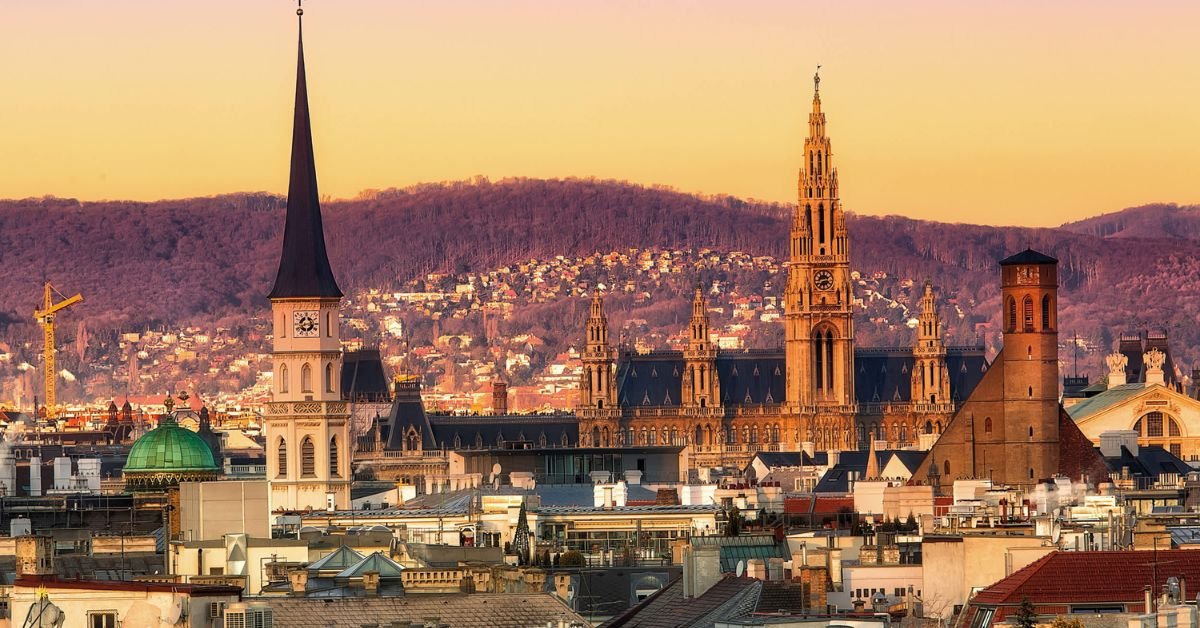
Vienna, the capital of Austria, is a beautiful European city known for imperial palaces, classical music, historic architecture, elegant cafés, museums, parks, and a rich cultural heritage. Located along the Danube River, Vienna combines its historic character with a modern lifestyle, making it an appealing destination for both first-time visitors and experienced travelers.
If you are planning to travel to Vienna, Austria, you can spend your days exploring magnificent palaces, visiting world-class museums, enjoying traditional Austrian food, walking through historic neighborhoods, or relaxing in one of the city’s many parks.
This complete Vienna travel guide covers the best places to visit in Vienna, things to do, Austrian food to try, where to stay, transportation, the best time to visit, day trips, and practical travel tips.
Why Travel to Vienna, Austria?
Vienna offers a combination of history, culture, architecture, food, and entertainment that is difficult to find in one destination.
The city was once the center of the Habsburg Empire, and its imperial past remains visible throughout the historic center. Grand palaces, churches, monuments, and museums are located throughout the city.
Vienna is also closely associated with classical music. Composers such as Mozart, Beethoven, Schubert, and Strauss have strong connections with the city.
Food is another reason to visit. Traditional Austrian dishes such as Wiener Schnitzel, Tafelspitz, and Sachertorte can be found alongside international restaurants and modern cafés.
The city is also relatively easy to explore. An extensive public transportation network connects the center with neighborhoods farther away, while many major attractions can be reached on foot.
Best Time to Visit Vienna
Vienna is a year-round destination, but each season offers a different experience.
Spring
Spring is a pleasant time to travel to Vienna. Temperatures become more comfortable, gardens begin to bloom, and outdoor sightseeing becomes more enjoyable.
April and May are particularly suitable for walking tours, visiting parks, and exploring the city’s historic neighborhoods.
Summer
Summer brings long daylight hours and warm weather.
June through August is a popular period for tourists, so major attractions can be busy. The warmer weather makes it easier to enjoy outdoor cafés, parks, gardens, and evening walks.
If you visit during summer, consider starting sightseeing early to avoid some of the busiest periods.
Autumn
September and October can be excellent months to visit Vienna.
The weather is often comfortable for sightseeing, while parks and gardens take on autumn colors.
Autumn can also be a good time to explore museums, cafés, palaces, and Vienna’s famous cultural venues.
Winter
Winter gives Vienna a different atmosphere. The city becomes particularly attractive during the Christmas season, when seasonal markets appear in various squares.
December is a popular month for visitors interested in Christmas markets and winter activities. Temperatures can be cold, so pack warm clothing and prepare for shorter daylight hours.
Best Places to Visit in Vienna
Vienna has a large selection of historic landmarks, museums, palaces, churches, and cultural attractions.
Schönbrunn Palace
Schönbrunn Palace is one of Vienna’s most famous attractions and an essential stop for first-time visitors.
The former imperial summer residence is known for its grand architecture, historic rooms, gardens, and extensive grounds.
You can explore the palace interiors and then spend time walking through the gardens. The Gloriette, located on a hill above the gardens, provides impressive views of the palace grounds and surrounding city.
Because Schönbrunn is outside the immediate historic center, allow several hours for a complete visit.
Hofburg Palace
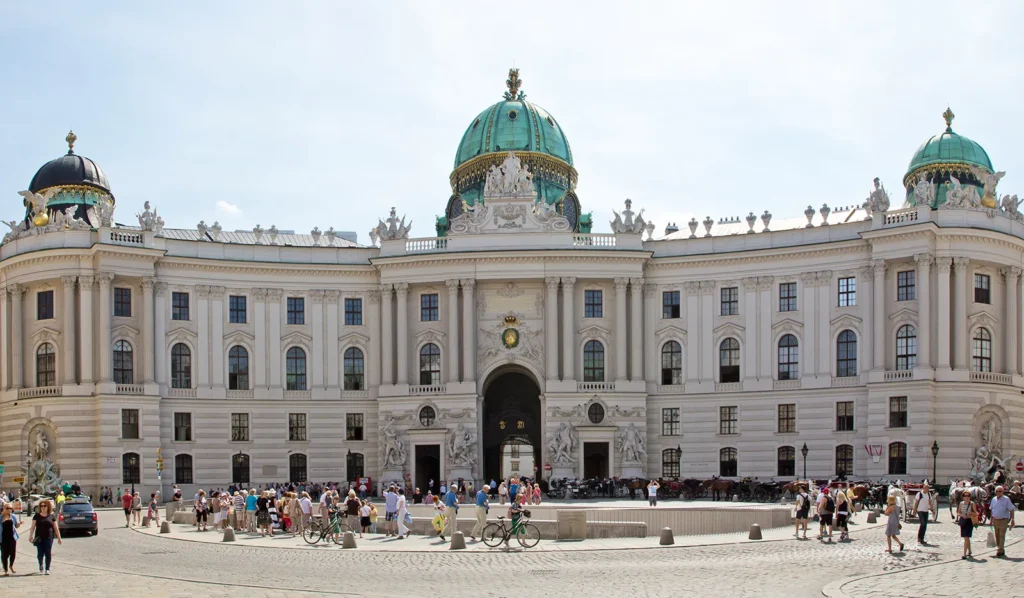
Hofburg Palace is located in the heart of Vienna and was the main imperial palace of the Habsburg rulers for centuries.
Today, the complex includes museums, historic rooms, cultural institutions, and other important attractions.
Visitors can explore parts of the imperial apartments and learn about the history of the Habsburg dynasty.
Its central location makes it easy to combine with other attractions in the historic center.
St. Stephen’s Cathedral
St. Stephen’s Cathedral, or Stephansdom, is one of Vienna’s most recognizable landmarks.
The cathedral stands in the center of Stephansplatz and is known for its distinctive tiled roof and Gothic architecture.
Visitors can explore the interior and, depending on the access available, climb or visit the towers for views over Vienna.
The surrounding area is also filled with shops, restaurants, cafés, and historic streets.
Belvedere Palace
Belvedere Palace is another important Vienna attraction.
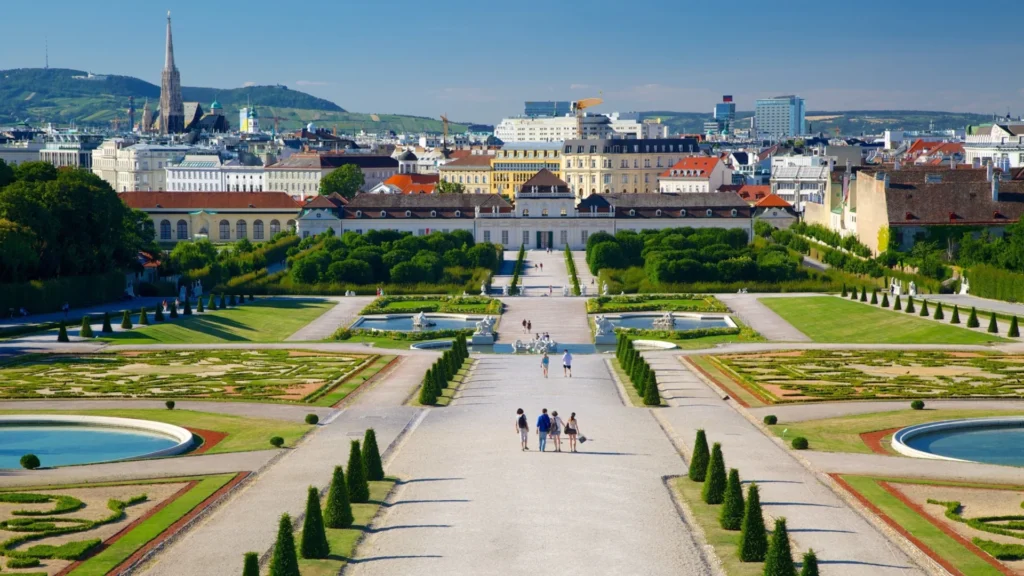
The complex consists of two Baroque palaces surrounded by landscaped gardens.
The Upper Belvedere is particularly famous for its art collection and its association with Gustav Klimt.
Visitors interested in art and architecture should allow enough time to explore both the palace and its grounds.
Vienna State Opera
The Vienna State Opera is one of the world’s best-known opera houses.
Even if you do not attend a performance, the building itself is worth seeing.
Visitors interested in opera can check the performance schedule and explore options for attending a show during their trip.
An opera performance can be a memorable way to experience Vienna’s long musical tradition.
MuseumsQuartier
MuseumsQuartier is a major cultural area in Vienna.
The complex includes several museums, galleries, cafés, courtyards, and cultural spaces.
It is a good destination for travelers interested in contemporary art, design, architecture, and cultural events.
You can spend several hours exploring the museums before relaxing at one of the nearby cafés.
Albertina Museum
The Albertina is one of Vienna’s most important art museums.
Its collections include works from different periods and artistic movements.
The museum is centrally located, making it convenient to visit alongside Hofburg Palace, the Vienna State Opera, and other attractions.
Prater
Prater is one of Vienna’s most recognizable recreational areas.
The park is famous for the Giant Ferris Wheel, which has become an iconic symbol of the city.
The surrounding park provides space for walking and recreation, while the amusement area offers rides and entertainment.
The Ferris Wheel is particularly attractive around sunset or after dark when Vienna’s lights begin to appear.
Best Things to Do in Vienna
Beyond visiting famous landmarks, there are plenty of experiences that can help you enjoy Vienna’s culture.
Explore Vienna’s Historic Center
Walking through Vienna’s historic center is one of the best ways to experience the city.
Start around Stephansplatz and explore nearby streets, historic buildings, churches, shops, and cafés.
The compact central area makes it easy to visit several attractions during a single walking tour.
Visit a Traditional Viennese Café
Vienna has a long café tradition.
A visit to a traditional Viennese coffeehouse can be a relaxing part of your itinerary. Instead of simply grabbing a coffee and leaving, take some time to enjoy the atmosphere and try a traditional dessert.
Order coffee with a slice of cake or pastry and enjoy a slower pace between sightseeing stops.
Take a Danube River Cruise
The Danube is an important part of Vienna’s geography and history.
A river cruise can provide a different perspective of the city and surrounding areas.
Cruise options vary from shorter sightseeing trips to longer excursions, so choose an option that fits your itinerary.
Explore Naschmarkt
Naschmarkt is one of Vienna’s best-known markets.
The market features food stalls, restaurants, fresh produce, spices, international ingredients, and local specialties.
It is an excellent place to walk around, try different foods, and experience a livelier side of the city.
Visit the Vienna Prater
Prater is suitable for travelers of different ages.
You can enjoy the amusement rides, walk through the park, or simply visit the Giant Ferris Wheel.
It is particularly enjoyable when combined with an evening meal in the surrounding area.
Listen to Classical Music
Vienna’s connection to classical music is one of its defining cultural characteristics.
Depending on your interests and travel dates, you can attend concerts, opera performances, or other classical music events.
Check schedules and venues in advance because popular performances can sell out.
Austrian Food to Try in Vienna
Food should be an important part of your Vienna itinerary.
Wiener Schnitzel
Wiener Schnitzel is one of Austria’s most famous dishes.
It traditionally consists of a thin breaded and fried veal cutlet, although restaurants may offer variations using other meats.
It is often served with potato salad or other traditional side dishes.
Tafelspitz
Tafelspitz is a traditional Austrian dish made from boiled beef and served with accompanying sauces and vegetables.
It has a long association with Viennese cuisine and is worth trying if you want a classic Austrian meal.
Sachertorte
Sachertorte is a famous Austrian chocolate cake traditionally associated with Vienna.
The cake is made with chocolate sponge and apricot jam and is usually served with whipped cream.
Trying a slice at a traditional café is a classic Vienna experience.
Apfelstrudel
Apple strudel is another popular Austrian dessert.
It consists of thin pastry filled with apples, spices, and other ingredients.
It is commonly served warm and may be accompanied by whipped cream, vanilla sauce, or ice cream.
Kaiserschmarrn
Kaiserschmarrn is a fluffy shredded pancake served as a sweet dish.
It is often accompanied by powdered sugar and fruit compote.
The dish makes a satisfying dessert or sweet meal.
Where to Stay in Vienna
Choosing the right neighborhood can make your Vienna trip more convenient.
Innere Stadt
Vienna’s central district, known as the Innere Stadt, is ideal for travelers who want to stay close to major attractions.
St. Stephen’s Cathedral, Hofburg Palace, the Vienna State Opera, and many museums are within walking distance.
Accommodation can be more expensive here, but the central location can save transportation time.
Leopoldstadt
Leopoldstadt is located across the Danube Canal from the historic center.
The district provides access to Prater and offers a mix of residential areas, restaurants, and accommodation.
It can be a useful choice for travelers who want access to central attractions without staying directly in the busiest part of the city.
Neubau
Neubau has a more creative and modern atmosphere.
The district is close to MuseumsQuartier and features independent shops, cafés, restaurants, and galleries.
It can appeal to travelers interested in art, design, food, and local culture.
Wieden
Wieden is another central district with restaurants, cafés, shops, and convenient transportation connections.
Its location near attractions such as Belvedere Palace makes it a practical base for sightseeing.
How to Get Around Vienna
Vienna has an efficient public transportation network that includes underground trains, trams, buses, and suburban rail services.
Walking
Walking is an excellent way to explore central Vienna.
Many attractions are relatively close together, particularly around the Innere Stadt.
Comfortable shoes are recommended because you can easily spend several hours exploring the city on foot.
Vienna U-Bahn
The U-Bahn is Vienna’s underground railway system.
It is one of the fastest ways to travel between different parts of the city and is especially useful when you want to reach attractions outside the central walking area.
Trams
Vienna’s trams are both practical transportation and a pleasant way to see parts of the city.
Several routes travel through central areas and connect different neighborhoods.
Buses
Buses complement the city’s rail and tram networks and can be useful for reaching destinations not directly served by the U-Bahn or tram.
From Vienna Airport
Vienna International Airport is located outside the city center.
Travelers can reach central Vienna using trains, buses, taxis, and private transfers.
The best choice depends on your arrival time, destination, luggage, and budget.
Vienna Travel Tips
Planning ahead can make your trip to Vienna, Austria, more comfortable, affordable, and enjoyable. From navigating public transportation to booking popular attractions, a few practical travel tips can help you avoid unnecessary stress and make the most of your time in Austria’s capital.
Wear Comfortable Shoes
Vienna is an excellent city for walking, especially around its historic center, where many famous attractions are located close together. Exploring landmarks such as St. Stephen’s Cathedral, Hofburg Palace, and the Vienna State Opera often involves spending several hours on foot.
Choose comfortable walking shoes with good support, particularly if you plan to visit large palace grounds, museums, gardens, and shopping streets. During colder or rainy months, waterproof footwear can also be useful.
Carry a Reusable Water Bottle
Vienna is known for its high-quality drinking water, much of which comes from Alpine mountain sources. Carrying a reusable water bottle is a convenient way to stay hydrated while exploring the city.
Public drinking fountains are available in various locations, particularly during warmer months. Refilling your bottle can also help reduce unnecessary spending on bottled water and minimize plastic waste.
Book Popular Attractions Ahead
Some of the best places to visit in Vienna, including Schönbrunn Palace, Belvedere Palace, and major cultural venues, attract large numbers of visitors throughout the year.
Booking tickets in advance can help you secure your preferred entry time and organize your sightseeing schedule more efficiently. This is especially useful during summer, weekends, and the Christmas market season.
If you plan to attend an opera or classical music performance, check the schedule early because popular events may sell out.
Use Public Transportation
Vienna has an extensive public transportation network that includes the U-Bahn, trams, buses, and suburban trains. These services make it convenient to travel between major attractions and neighborhoods without renting a car.
If you plan to use public transportation frequently, compare single tickets and available travel passes to determine which option suits your itinerary.
Remember to follow ticket validation requirements and keep your ticket available for inspection.
Carry Some Cash
Although debit and credit cards are widely accepted at hotels, restaurants, shops, and major attractions, carrying some euros in cash is still recommended.
Smaller cafés, market stalls, independent shops, and certain traditional establishments may prefer cash or have limited card payment options.
Keeping a small amount of cash available can make everyday purchases more convenient.
Learn Basic German Expressions
German is the official language of Austria, although English is commonly spoken in Vienna’s tourist areas, hotels, museums, and restaurants.
Learning a few simple German expressions can make interactions with local residents more pleasant. Useful phrases include “Guten Tag” for good day, “Danke” for thank you, “Bitte” for please or you’re welcome, and “Entschuldigung” for excuse me.
How Many Days Do You Need in Vienna?
For most first-time visitors, 3 days in Vienna provides a comfortable balance between sightseeing, culture, food, and relaxation. The city has many attractions, but its efficient public transportation and walkable historic center make it possible to see several highlights within a short stay. If you have more time, you can explore additional museums, neighborhoods, and nearby destinations at a slower pace.
One Day in Vienna
If you only have one day in Vienna, concentrate on the historic center and its most important landmarks. Start your morning at St. Stephen’s Cathedral and explore Stephansplatz and the surrounding streets.
Continue toward Hofburg Palace, where you can explore the former imperial complex and nearby attractions. Walk along the historic Ringstrasse and finish your sightseeing near the Vienna State Opera.
With limited time, avoid trying to visit too many museums or palaces. Instead, focus on the city’s architecture and atmosphere, then enjoy a traditional Viennese meal at a local restaurant or café.
Two Days in Vienna
Two days in Vienna allow you to explore the central attractions while adding one of the city’s major palaces. Spend your first day discovering St. Stephen’s Cathedral, Hofburg Palace, the Vienna State Opera, and the historic center.
On your second day, visit Schönbrunn Palace or Belvedere Palace. Allow enough time to explore the palace grounds rather than rushing through the attraction.
You can also visit a traditional Viennese coffeehouse and spend the evening attending a classical music performance if your schedule and interests allow.
Three Days in Vienna
With three days in Vienna, you can explore the city at a more relaxed pace. Along with the major landmarks, you can visit museums, explore different neighborhoods, and discover Vienna’s food scene.
Spend time at MuseumsQuartier, explore Naschmarkt, and visit the Prater and its famous Giant Ferris Wheel.
Day Trips From Vienna
Vienna is not only an excellent destination on its own, but also a convenient base for exploring other parts of Central Europe and Austria. If you are staying in the city for more than three days, consider adding a day trip from Vienna to your itinerary. Nearby destinations offer historic towns, scenic landscapes, castles, vineyards, and a different perspective on the region.
Bratislava
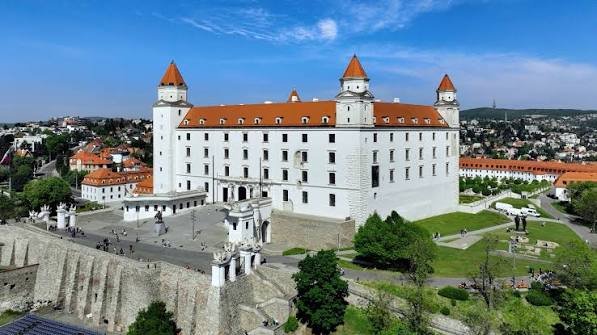
Bratislava, the capital of Slovakia, is one of the most convenient international day trips from Vienna. Its relatively short distance makes it possible to explore the city in a single day.
Start in the historic center, where you can walk through pedestrian streets lined with cafés, restaurants, shops, and historic buildings. Bratislava Castle is another popular attraction and offers views over the city and the Danube River.
The city’s compact historic center makes it easy to explore on foot. You can enjoy a traditional meal, visit local attractions, and return to Vienna in the evening.
Wachau Valley
The Wachau Valley is a scenic destination along the Danube River and is particularly appealing to travelers interested in nature, wine, and history.
The region is known for its vineyards, charming towns, historic castles, monasteries, and river landscapes. Towns such as Dürnstein and Melk are popular stops.
You can explore the area by car, organized tour, or a combination of train and local transportation. During warmer months, cycling and river cruises are also popular ways to experience the region.
A day in the Wachau Valley provides a relaxing contrast to Vienna’s urban environment.
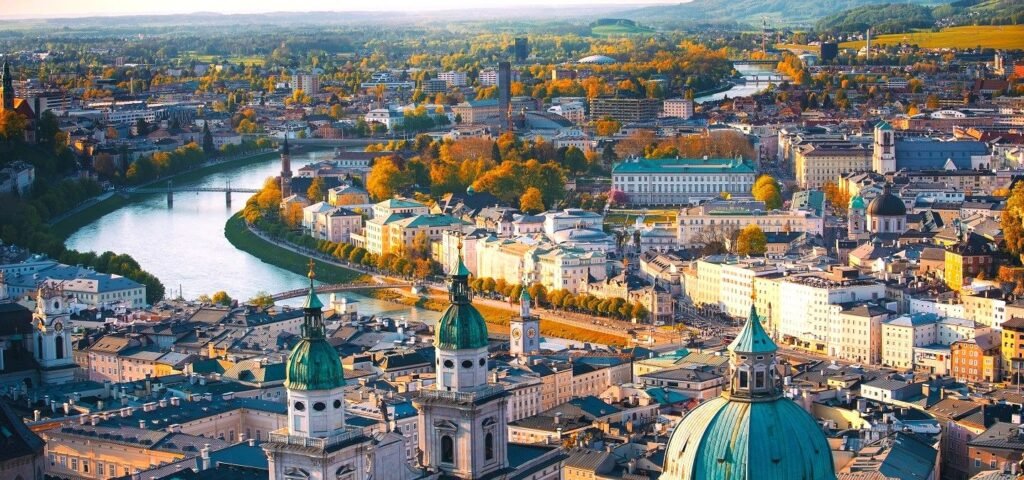
Salzburg
Salzburg is farther from Vienna than Bratislava or the Wachau Valley, but it can be included in a longer Austrian itinerary. The city is famous for its beautifully preserved historic center, Baroque architecture, musical heritage, and views of the surrounding Alps.
Is Vienna Expensive?
Vienna can be moderately expensive compared with many European destinations, particularly for accommodation in central areas.
However, travelers can manage costs by choosing accommodation outside the most expensive central streets, using public transportation, visiting free public spaces, and mixing restaurant meals with casual dining.
Many parks, walking routes, historic streets, and public areas can be explored without an admission fee.
Planning your accommodation and major attraction tickets in advance can also make it easier to manage your travel budget.
Sample 3-Day Vienna Itinerary
A three-day itinerary gives you enough time to experience many of Vienna’s highlights.
Historic Vienna
Begin at St. Stephen’s Cathedral and explore the surrounding historic center.
Continue toward Hofburg Palace and visit nearby museums if time allows.
Walk along the Ringstrasse before visiting the Vienna State Opera.
In the evening, enjoy a traditional Austrian dinner followed by a visit to a Viennese café.
Palaces and Culture
Start your morning at Schönbrunn Palace.
Spend time exploring the palace and gardens before returning to central Vienna.
In the afternoon, visit MuseumsQuartier or the Albertina.
Finish your day with a classical music concert or another cultural performance.
Food and Local Experiences
Begin the day at Naschmarkt and explore the surrounding neighborhood.
Visit Belvedere Palace and its gardens.
Later, head toward Prater and enjoy the Giant Ferris Wheel.
Spend your final evening exploring Vienna’s restaurants and cafés.
Must Read:
- Travel to Tbilisi: Georgia Best Things to Do & Places to Visit
- Travel to Dublin: Complete Guide to Attractions, Food & Travel Tips
- Travel to Venice: Best Places to Visit, Things to Do & Tips
Final Thoughts:
Travel to Vienna, Austria for a memorable combination of imperial history, impressive architecture, classical music, museums, traditional cuisine, and relaxed European city life.
From Schönbrunn Palace and Hofburg Palace to St. Stephen’s Cathedral, Belvedere Palace, MuseumsQuartier, and the Prater, Vienna offers attractions for history lovers, art enthusiasts, food travelers, and families.
Make time to experience the city beyond its famous landmarks. Enjoy a traditional Viennese coffeehouse, try Wiener Schnitzel and Sachertorte, explore Naschmarkt, walk through historic streets, and use public transportation to discover different neighborhoods.