
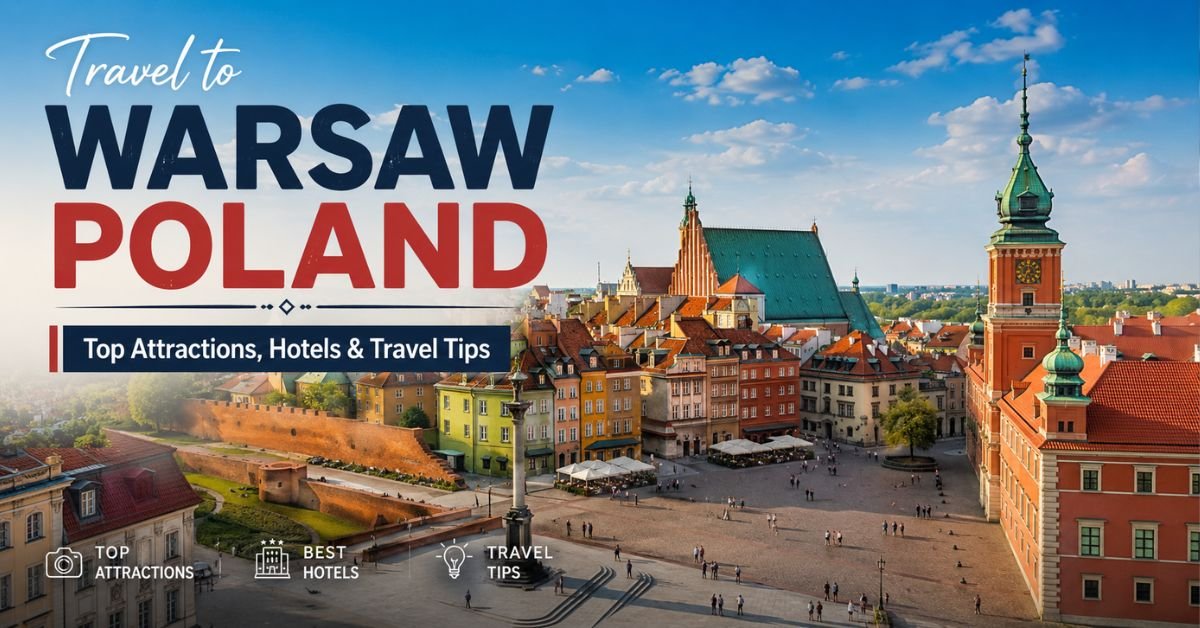
Warsaw, the capital of Poland, is a fascinating European destination where centuries of history meet modern city life. From the beautifully reconstructed Old Town and royal palaces to contemporary museums, lively neighborhoods, riverside promenades, and impressive skyscrapers, Warsaw offers something for almost every type of traveler.
A trip to Warsaw, Poland can be relaxing, cultural, affordable, and full of memorable experiences. The city is especially interesting for travelers who want to understand Poland’s history while enjoying modern restaurants, cafés, shopping areas, parks, and nightlife.
Warsaw’s historic center is recognized as a UNESCO World Heritage Site, while attractions such as the Royal Castle, Royal Łazienki Park, Warsaw Rising Museum, POLIN Museum, Palace of Culture and Science, and Wilanów Palace provide different perspectives on the city’s past and present.
Whether you are planning a weekend break, a family vacation, or a longer Poland travel itinerary, this Warsaw travel guide covers the best attractions, recommended areas to stay, food, transportation, and practical travel tips.
Why Travel to Warsaw Poland?
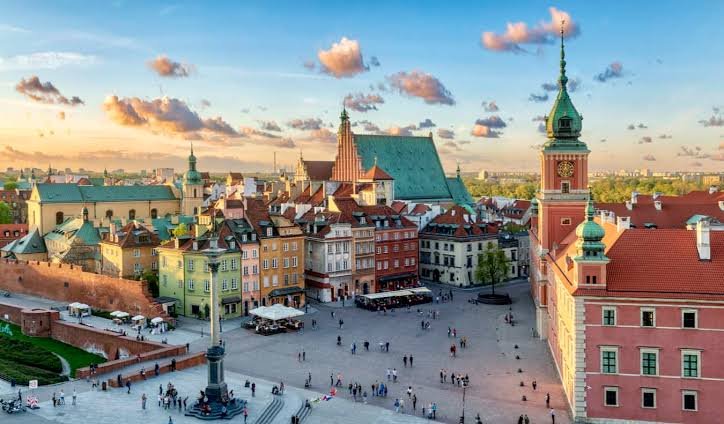
Warsaw has a distinctive character because much of the city combines historic architecture with modern development. The Old Town was extensively reconstructed after World War II, yet it retains the appearance and atmosphere of a historic European center. Its reconstruction was so successful that the area was added to the UNESCO World Heritage List.
The city is also relatively easy to explore. Many major attractions are concentrated around the central districts, while an extensive public transportation network makes it convenient to reach attractions farther away.
Warsaw is also a good destination for travelers interested in Polish food. Traditional dishes such as pierogi, żurek, potato dumplings, and other Polish specialties can be found alongside international cuisine and modern restaurants.
Another advantage is the variety of experiences available. You can spend the morning exploring a royal residence, visit a museum in the afternoon, walk beside the Vistula River in the evening, and enjoy Warsaw’s nightlife after sunset.
Best Time to Visit Warsaw
Warsaw can be visited throughout the year, but the best season depends on the type of experience you want.
Spring
Spring brings milder temperatures, longer days, and colorful parks. It is a good season for walking through the Old Town, exploring the Royal Route, and spending time in Łazienki Park.
Summer
Summer is one of the most popular times to visit Warsaw. Outdoor cafés, riverside areas, parks, cultural events, and concerts become especially lively. The Vistula Boulevards are popular for walking and cycling, while the city’s parks offer plenty of space to relax.
Autumn
Autumn is ideal for travelers who prefer cooler weather and fewer crowds. Warsaw’s parks and gardens become particularly attractive as the leaves change color.
Winter
Winter gives Warsaw a completely different atmosphere. The Old Town and Royal Route are decorated with seasonal illuminations, and the city’s Christmas atmosphere can make a winter trip especially memorable.
Top Attractions in Warsaw
Warsaw has enough attractions to keep visitors busy for several days. Here are some of the best places to include in your itinerary.
Warsaw Old Town
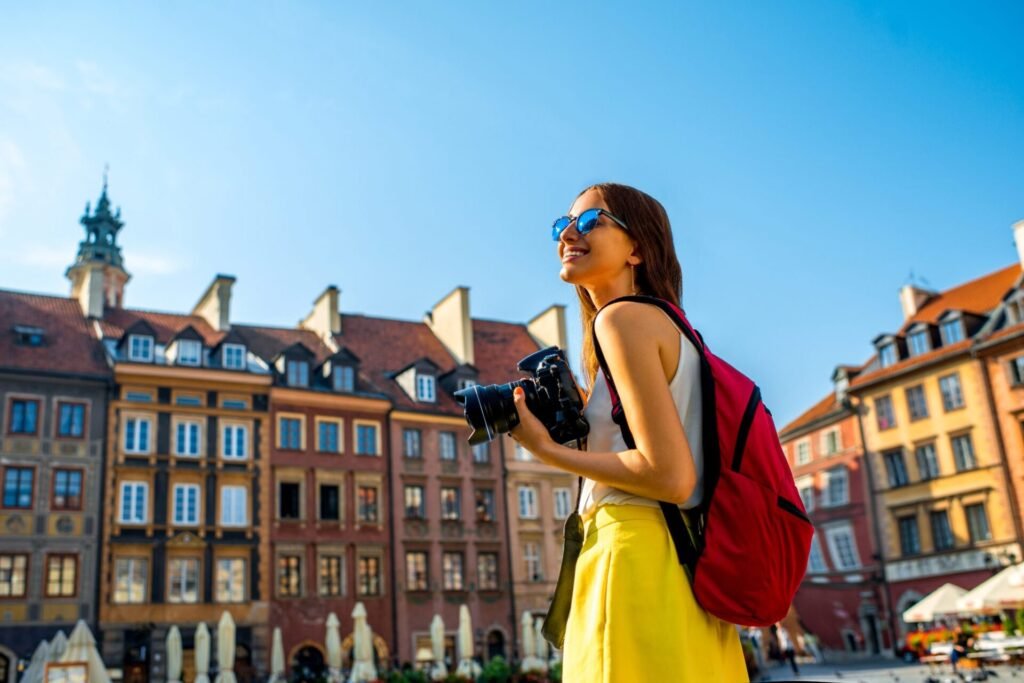
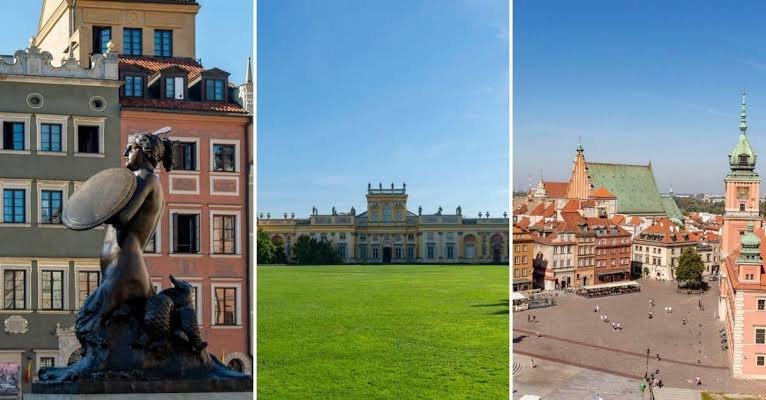
Warsaw Old Town should be the first stop on almost every Warsaw itinerary. The area features colorful buildings, narrow streets, historic churches, atmospheric cafés, and the famous Old Town Market Square.
The square is home to the Warsaw Mermaid, one of the city’s best-known symbols. Nearby, you can explore the Barbican, historic city walls, Kanonia Street, and viewpoints overlooking the Vistula River.
Despite its historic appearance, much of the Old Town was reconstructed after the destruction of World War II. Today, it stands as one of the most important examples of successful historic reconstruction.
Allow at least two to three hours to walk around the Old Town without rushing.
Royal Castle
Located on Castle Square, the Royal Castle was once the residence of Poland’s rulers. Today, it is one of Warsaw’s most important historical attractions.
Inside, visitors can see royal apartments, the Throne Room, works by artists including Rembrandt and Bernardo Bellotto, and historically significant rooms. The castle also has beautifully reconstructed gardens overlooking the surrounding area.
The Royal Castle is particularly worthwhile for first-time visitors because it combines Polish history, architecture, art, and royal heritage in one attraction.
Royal Route
The Royal Route is one of the most famous sightseeing routes in Warsaw. It connects several historic royal residences, including the Royal Castle, Royal Łazienki, and Wilanów Palace.
The route passes along streets such as Krakowskie Przedmieście and Nowy Świat, where you will find historic buildings, churches, cafés, shops, and important landmarks.
Walking part of the Royal Route is one of the best free things to do in Warsaw.
Royal Łazienki Park
If you want to combine history with nature, Royal Łazienki Park is a must-visit.
This huge park contains gardens, monuments, historic buildings, an amphitheatre, and the famous Palace on the Isle. The palace was the summer residence of Poland’s last king, Stanisław August Poniatowski.
The park is also known for its peacocks, squirrels, gardens, and peaceful walking paths.
During summer, the park hosts famous Chopin concerts at the monument dedicated to Fryderyk Chopin. The official tourism information lists Sunday performances during the summer period, making this an excellent experience for visitors interested in classical music.
Wilanów Palace
Wilanów Palace is another important royal attraction. Often associated with the nickname “Polish Versailles,” the palace was the residence of King Jan III Sobieski and his wife Marie Casimire.
The palace features historic interiors, art collections, gardens, and impressive architecture. It is located farther from the central Old Town area, so allow additional travel time when adding it to your itinerary.
The gardens are particularly attractive in summer, while winter brings special illuminations that create a completely different atmosphere.
Warsaw Rising Museum
For travelers interested in World War II and Polish history, the Warsaw Rising Museum is one of the city’s most important museums.
The museum focuses on the Warsaw Uprising of 1944 and uses photographs, personal accounts, artifacts, multimedia displays, and reconstructed spaces to explain the events and their impact on the city.
It is an emotional and educational attraction, so allow around two hours or more if you want to explore it carefully. Warsaw’s official tourism itinerary also recommends it as one of the key attractions for a two-day visit.
POLIN Museum
The POLIN Museum of the History of Polish Jews explores the long history and cultural heritage of Jewish communities in Poland.
It is an excellent choice for travelers who want to understand an important part of Warsaw’s multicultural past. Consider combining the museum with a walk around the surrounding historic areas.
Palace of Culture and Science
The Palace of Culture and Science is one of Warsaw’s most recognizable landmarks. Its enormous scale makes it visible from many parts of the city.
The building contains cultural institutions, theaters, museums, restaurants, and other facilities. Visitors can also access an observation area on the 30th floor, around 114 meters above the city, for panoramic views of Warsaw.
For photographers, this is one of the best places to appreciate the contrast between Warsaw’s historic areas and its modern skyline.
Museum of Modern Art
Travelers interested in contemporary culture should consider the Museum of Modern Art in Warsaw. Its modern building opened in 2024 and features galleries showcasing contemporary works.
Its location near the Palace of Culture and Science makes it easy to combine both attractions during the same sightseeing day.
Praga District
For a different side of Warsaw, cross the Vistula River and explore Praga.
Praga is known for its historic buildings, creative atmosphere, restaurants, galleries, street art, and revitalized industrial spaces. Parts of the district retained more of their pre-war character than the central areas because they experienced less destruction during World War II.
It is a good neighborhood for travelers looking beyond traditional tourist attractions.
Vistula River and Boulevards
The Vistula River adds a relaxed side to Warsaw. The central boulevards are popular for walking, cycling, restaurants, outdoor events, and evening relaxation.
During warm weather, the riverside becomes especially lively, with cafés, bars, beaches, and recreational areas.
A sunset walk along the Vistula is an easy way to finish a busy day of sightseeing.
Best Areas to Stay in Warsaw
Choosing the right neighborhood can make your trip easier, particularly if you want to walk to attractions.
Śródmieście
Śródmieście is the central district and one of the most convenient places for first-time visitors. It combines historic attractions with modern shopping, restaurants, offices, museums, and skyscrapers.
It is a strong choice if you want easy access to public transportation and major attractions.
Old Town
Staying near the Old Town is ideal for travelers who want a historic atmosphere. You will be close to the Royal Castle, Old Town Market Square, restaurants, cafés, and many sightseeing spots.
Hotels here can be particularly attractive for couples and visitors who want a romantic city-break experience.
Nowy Świat and Krakowskie Przedmieście
These central streets are excellent for travelers who want restaurants, cafés, historic architecture, and easy access to the Royal Route.
The area works well for visitors who plan to spend much of their time walking around central Warsaw.
Wola
Wola is a modern and rapidly developing part of Warsaw. It offers modern hotels, restaurants, office buildings, and good transportation connections.
It can be a practical option for business travelers and visitors who prefer contemporary surroundings.
Praga
Praga is suitable for travelers looking for a more local and artistic atmosphere. The neighborhood has cafés, restaurants, galleries, historic architecture, and creative spaces.
Hotels in Warsaw
Warsaw has accommodation options for almost every budget. You can choose from luxury hotels, international hotel chains, boutique properties, budget hotels, hostels, and serviced apartments.
Luxury Hotels
Luxury hotels are concentrated around central Warsaw and major business districts. They are a good option if you want larger rooms, restaurants, fitness facilities, business services, and convenient locations.
Mid-Range Hotels
For most tourists, mid-range hotels offer a good balance between location, comfort, and price. Look for properties near metro stations or tram connections if you plan to explore different parts of Warsaw.
Budget Hotels and Hostels
Budget travelers can find hostels and affordable hotels in central neighborhoods. Staying slightly outside the most touristy areas can sometimes provide better value while still keeping attractions accessible through public transportation.
Apartments
Serviced apartments and holiday apartments can be useful for families and longer stays. They often provide kitchens and additional living space.
Before booking, compare the location, guest reviews, cancellation policy, room facilities, and transportation connections rather than choosing a hotel based only on price.
What to Eat in Warsaw
A Warsaw trip is incomplete without trying Polish food.
Pierogi
Pierogi are traditional Polish dumplings available with many fillings, including potatoes and cheese, meat, mushrooms, cabbage, or fruit.
Żurek
Żurek is a traditional sour rye soup often served with sausage and egg. It is especially popular during colder months.
Polish Desserts
Try traditional Polish cakes, pastries, and sweet treats during your visit. Local cafés are a great place to take a break while exploring the city.
Modern Polish Cuisine
Warsaw also has a growing modern food scene. You will find contemporary Polish restaurants, international cuisine, vegetarian cafés, bakeries, food halls, and casual dining spaces.
How to Get Around Warsaw
Warsaw is well connected by buses, trams, metro services, and trains. Public transportation makes it practical to stay outside the immediate Old Town area while still reaching major attractions.
For a sightseeing trip, consider accommodation near a metro station, tram route, or major bus connection.
Walking is also one of the best ways to experience central Warsaw. The Old Town, Royal Castle, Krakowskie Przedmieście, Nowy Świat, and parts of the city center can be combined into a walking itinerary.
Always check the latest public transportation information and ticket rules before traveling because fares, routes, and schedules can change.
How Many Days Do You Need in Warsaw?
One Day in Warsaw
With only one day, focus on the Old Town, Royal Castle, Royal Route, and Łazienki Park. Warsaw’s official tourism itinerary suggests a combination of these attractions for a compact one-day visit.
Two Days in Warsaw
Two days allow you to add the Warsaw Rising Museum, POLIN Museum, or Palace of Culture and Science.
Three Days in Warsaw
Three days is a more comfortable option. You can explore the Old Town and royal attractions, visit museums, explore Praga, and spend time along the Vistula River. Warsaw’s official three-day itinerary includes attractions such as Łazienki, the Royal Route, Old Town, Praga, the National Museum, the Vistula, and the Palace of Culture and Science.
Free Things to Do in Warsaw
Traveling to Warsaw does not have to be expensive. The city offers numerous free experiences, including walking through the Old Town, exploring public parks, strolling along parts of the Vistula, and visiting certain museums or attractions during free-admission periods.
The Warsaw tourism office also highlights free museum days and seasonal opportunities, including the Free November program for several royal residences.
The University of Warsaw Library’s rooftop garden is another interesting free attraction when open to visitors. It provides city views while offering a peaceful green space.
Warsaw Travel Tips
A little planning can make your Warsaw vacation much easier.
Book Popular Attractions in Advance
For major museums, royal residences, concerts, and special events, check official websites before visiting. Opening hours and ticket availability can vary by season.
Wear Comfortable Shoes
Warsaw is an excellent walking city, particularly around the Old Town and Royal Route. Comfortable footwear will make long sightseeing days much easier.
Use Public Transportation
Do not rely entirely on taxis. Warsaw’s public transportation system can help you reach attractions efficiently, especially those outside the historic center.
Carry a Payment Card
Cards are widely useful, but carrying a small amount of Polish currency can still be convenient for smaller purchases.
Check Seasonal Events
Warsaw hosts concerts, festivals, exhibitions, markets, and cultural events throughout the year. The official tourism calendar lists a wide range of events, including Chopin performances, festivals, exhibitions, and seasonal activities.
Plan Around Museums
If museums are important to your trip, check opening days and admission policies before creating your itinerary. This can prevent you from arriving when a museum is closed.
Is Warsaw Worth Visiting?
Yes, Warsaw is worth visiting for travelers looking for a European city with history, culture, architecture, food, and modern attractions.
The city offers a combination that is difficult to find elsewhere. You can walk through a UNESCO-listed historic district in the morning, visit a world-class museum in the afternoon, enjoy modern Polish cuisine for dinner, and finish the day beside the Vistula River.
Warsaw is also a useful starting point for exploring more of Poland. Depending on your itinerary, you can combine a Warsaw visit with other Polish destinations by train or other transportation.
Must Read:
- Travel to Tallinn Estonia: Book Flights, Hotels & Attractions
- Travel to Porto: Top Attractions, Food & Travel Tips
- Travel to Seville Spain: Book Hotels, Flights & Top Attractions
Final Thoughts:
Travel to Warsaw, Poland offers a rewarding mix of history, culture, architecture, nature, food, and modern European city life. The reconstructed Old Town and Royal Castle provide a glimpse into Warsaw’s historic identity, while museums such as the Warsaw Rising Museum and POLIN offer deeper insight into the events and communities that shaped the city.
Royal Łazienki Park and Wilanów Palace add elegant gardens and royal history to the itinerary, while Praga, the Vistula River, and Warsaw’s modern skyline reveal a more contemporary side of the capital.
For a first visit, three days is a comfortable amount of time, although even a weekend can cover many of the city’s highlights. Choose accommodation close to the areas you most want to explore, use public transportation when necessary, and leave some time for spontaneous walks, cafés, local food, and riverside relaxation.
With its combination of historic landmarks and modern attractions, Warsaw is a destination that deserves a place on any Poland travel itinerary.