
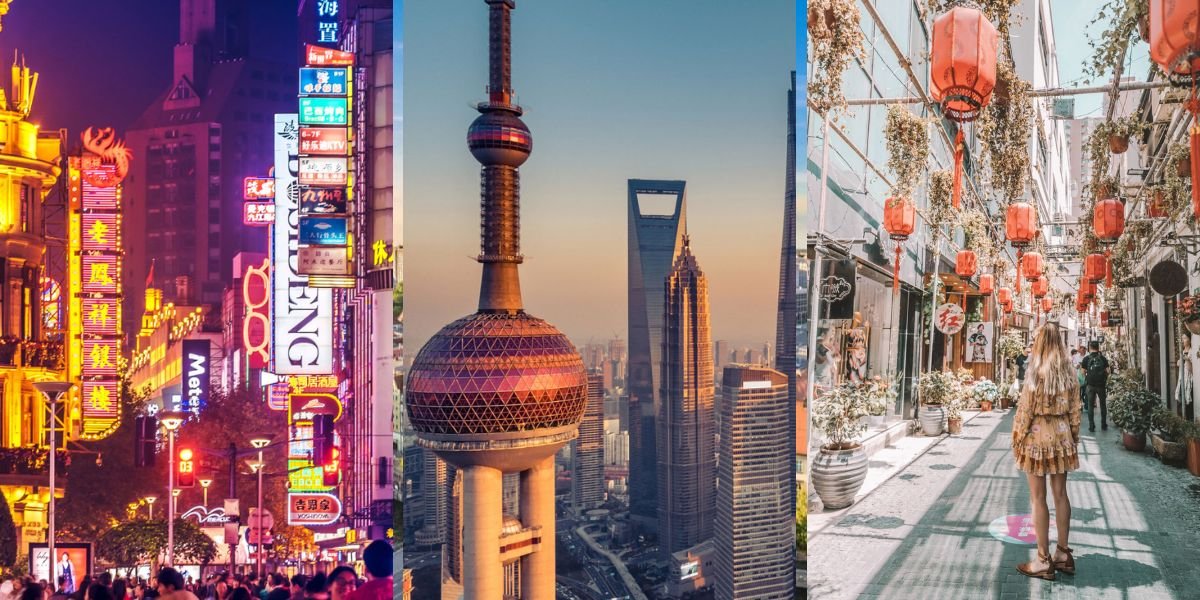
Shanghai is one of China’s most fascinating destinations, offering an impressive combination of modern architecture, historic landmarks, traditional Chinese culture, shopping, entertainment, and world-famous cuisine. Located on China’s eastern coast, this enormous city is known for its spectacular skyline, busy streets, historic neighborhoods, and vibrant atmosphere.
From the iconic Bund and futuristic Pudong skyline to peaceful gardens, ancient temples, lively shopping streets, and local food markets, Shanghai offers something for many different types of travelers.
Whether you are planning a short city break or including Shanghai as part of a longer China itinerary, this Travel to Shanghai guide covers the best attractions, things to do, local food, hotels and neighborhoods, transportation, the best time to visit, and practical travel tips.
Why Travel to Shanghai?
Shanghai is a city where traditional Chinese culture and modern urban life exist side by side. Its skyline is filled with some of China’s most recognizable skyscrapers, while historic streets and traditional gardens provide a completely different atmosphere.
One of the main reasons to travel to Shanghai is the variety of experiences available in a single destination. You can walk along the historic Bund in the morning, explore a traditional garden in the afternoon, and enjoy panoramic views of the city from a skyscraper in the evening.
Shanghai is also an excellent destination for food lovers. Local specialties such as xiaolongbao, shengjian mantou, scallion pancakes, and Shanghai-style noodles offer plenty of opportunities to discover regional Chinese flavors.
The city also has an extensive transportation network, making it possible to explore different neighborhoods and attractions during a short visit.
Best Places to Visit in Shanghai
Shanghai has numerous attractions ranging from historic landmarks and traditional gardens to museums, temples, shopping streets, and modern skyscrapers.
The Bund
The Bund is arguably Shanghai’s most famous waterfront attraction and a must-visit location for first-time travelers.
The historic promenade runs along the western bank of the Huangpu River and provides spectacular views of the modern Pudong skyline across the water.
The area is particularly impressive at sunrise and sunset. In the evening, the illuminated buildings create one of the most recognizable city views in China.
The Bund is also surrounded by historic buildings featuring different architectural styles. Take time to walk along the waterfront rather than simply stopping for photographs.
Shanghai Tower
Shanghai Tower is one of the city’s most recognizable modern landmarks and a major feature of the Pudong skyline.
The skyscraper offers visitors the opportunity to see Shanghai from a great height. The observation area provides panoramic views across the city, particularly on days with clear visibility.
Shanghai Tower is located near other major Pudong attractions, making it easy to combine with the Oriental Pearl Tower and other skyscrapers.
Yu Garden
Yu Garden provides a peaceful contrast to Shanghai’s modern skyline.
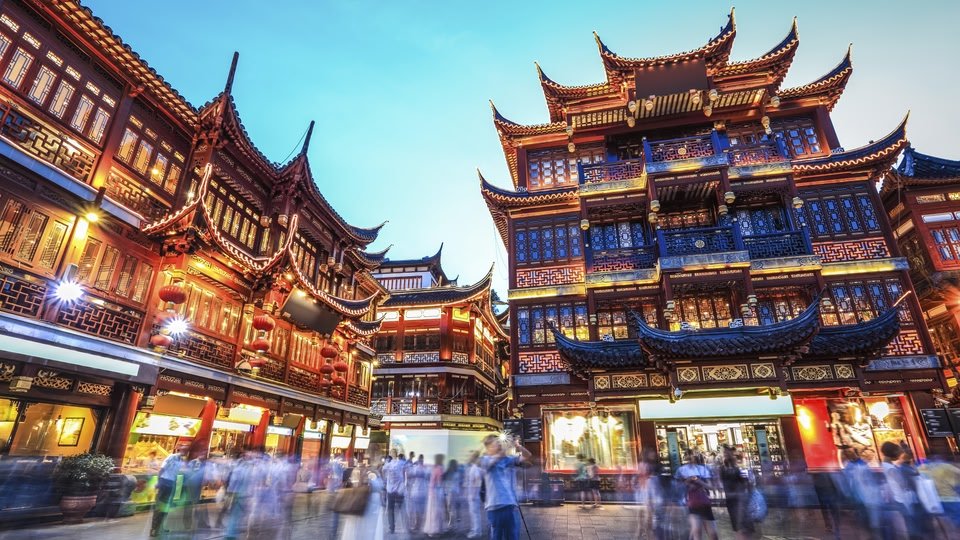
This traditional Chinese garden features ponds, rockeries, pavilions, bridges, and carefully designed landscapes. It offers visitors an opportunity to experience classical Chinese garden design in the middle of a busy modern city.
The surrounding area also contains traditional-style buildings, shops, restaurants, and local food stalls.
Allow enough time to explore both the garden and its surrounding streets.
Shanghai Museum
Shanghai Museum is an important destination for travelers interested in Chinese art, history, and culture.
Its collections cover a wide range of subjects, including ancient ceramics, paintings, calligraphy, sculptures, furniture, and other cultural artifacts.
The museum can easily take several hours to explore, particularly if you are interested in Chinese history.
Check current visitor information, opening hours, ticket arrangements, and reservation requirements before your visit.
Jade Buddha Temple
Jade Buddha Temple is one of Shanghai’s best-known Buddhist temples.
The temple is famous for its jade Buddha statues and traditional Chinese architecture. It provides a quieter experience compared with some of the city’s busy commercial districts.
Visitors should dress appropriately and respect religious practices. Follow any photography and visitor guidelines displayed inside the temple.
Nanjing Road
Nanjing Road is one of Shanghai’s most famous commercial streets and an important destination for shopping and entertainment.
The area features department stores, international brands, restaurants, cafés, and shopping centers. It can be particularly lively in the evening when the surrounding buildings and signs are illuminated.
Even if shopping is not your main reason for visiting Shanghai, walking along Nanjing Road can help you experience the energy of the city.
Oriental Pearl Tower
The Oriental Pearl Tower is another iconic part of Shanghai’s skyline.
Located in Pudong, the tower features observation areas that provide views across the city and Huangpu River.
Its distinctive design makes it one of Shanghai’s most recognizable landmarks. You can combine a visit to the tower with other attractions in Pudong for a full day of sightseeing.
Shanghai Disneyland
Travelers visiting Shanghai with children may want to include Shanghai Disneyland in their itinerary.
The resort features themed areas, attractions, entertainment, restaurants, and shops. A full day is useful if you want enough time to experience the park without rushing.
Check official information before visiting because operating hours, ticket arrangements, seasonal events, and attraction availability can change.
Best Things to Do in Shanghai
Shanghai offers many experiences beyond traditional sightseeing.
Take a Huangpu River Cruise
A Huangpu River cruise provides a unique view of Shanghai’s skyline.
During the cruise, you can see the historic buildings of the Bund on one side of the river and the modern skyscrapers of Pudong on the other.
An evening cruise can be particularly attractive because many buildings are illuminated after dark.
Explore the French Concession
The former French Concession is one of Shanghai’s most enjoyable areas for walking.
Tree-lined streets, historic buildings, cafés, restaurants, boutiques, and quieter residential areas give the neighborhood a different atmosphere from the city’s busiest commercial districts.
Spend a few hours exploring the streets and stopping at a local café or restaurant.
Visit Tianzifang
Tianzifang is known for its narrow lanes, independent shops, art galleries, cafés, and restaurants.
The area provides an opportunity to experience Shanghai’s creative and commercial side while exploring a more intimate neighborhood.
It can be a good place to browse for souvenirs, artwork, crafts, and small gifts.
Explore Local Markets
Shanghai has numerous markets and shopping areas where travelers can find food, clothing, souvenirs, crafts, and other products.
Markets can be busy, so keep your belongings secure and compare prices before purchasing items.
Best Food to Try in Shanghai
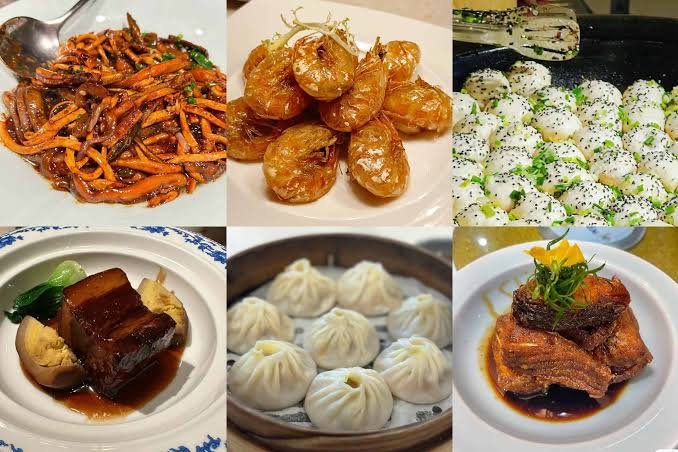
Food is one of the highlights of any trip to Shanghai. The city offers traditional local dishes alongside food from different regions of China and international cuisines.
Xiaolongbao
Xiaolongbao are steamed soup dumplings and one of Shanghai’s best-known foods.
These small dumplings are typically filled with meat and hot broth. They are usually served in bamboo baskets.
Take care when eating them because the soup inside can be extremely hot.
Shengjian Mantou
Shengjian mantou are pan-fried buns with a crispy base and soft upper portion.
They are commonly filled with pork and savory soup and are popular as a breakfast or snack.
Trying them at a local restaurant can be a great way to experience everyday Shanghai cuisine.
Scallion Pancakes
Scallion pancakes are crispy, savory flatbreads made with flour and green onions.
They are commonly available from casual food stalls and local eateries and make an affordable snack while exploring the city.
Shanghai-Style Noodles
Shanghai-style noodles are another popular local option.
Different restaurants prepare noodles with varying sauces, vegetables, meat, and other ingredients. They are generally a convenient choice for travelers looking for a simple local meal.
Chinese Tea
Tea plays an important role in Chinese culture, and Shanghai has tea houses where visitors can sample different varieties.
A traditional tea experience can be a relaxing activity after a busy day of sightseeing. Tea can also make a practical souvenir for travelers interested in local food and culture.
Where to Stay in Shanghai
Shanghai is a huge city, so choosing the right neighborhood can make your trip much easier.
The Bund
Staying near the Bund provides easy access to one of Shanghai’s most famous attractions.
The area offers hotels at different price levels, including luxury properties and more affordable options.
Its central location makes it convenient for exploring the waterfront and reaching other parts of the city.
People’s Square
People’s Square is a practical location for first-time visitors.
It is centrally located and close to museums, Nanjing Road, restaurants, and public transportation.
Staying here can make it easier to combine several attractions in one day without spending too much time traveling.
Pudong
Pudong is famous for its modern skyline and major business districts.
It is a convenient option if you want to stay close to Shanghai Tower, the Oriental Pearl Tower, and other modern attractions.
The area includes a variety of hotels, from business properties to luxury accommodation.
French Concession
The French Concession offers a more relaxed atmosphere with tree-lined streets, restaurants, cafés, boutique hotels, and historic architecture.
It can be a good choice for travelers who prefer neighborhood experiences and want to spend time away from the busiest tourist areas.
How to Get Around Shanghai
Shanghai has a large transportation network that makes getting around the city relatively convenient.
Metro
The Shanghai Metro is one of the most practical ways to travel between major attractions and neighborhoods.
It can be especially useful during busy periods when roads are crowded. Before traveling, check current routes, fares, operating hours, and payment options.
Buses
Buses provide additional connections across Shanghai and can be useful for reaching destinations not directly served by the metro.
However, visitors unfamiliar with Mandarin may find some routes more challenging to navigate.
Taxis
Taxis can be useful when traveling with luggage or visiting locations that are less convenient to reach by public transportation.
Keep your destination written in Chinese or saved on your phone if you do not speak Mandarin.
Walking
Walking is an enjoyable way to explore individual neighborhoods.
The Bund, French Concession, Nanjing Road, and several historic areas can be explored on foot, allowing you to discover cafés, shops, architecture, and local streets along the way.
Best Time to Travel to Shanghai
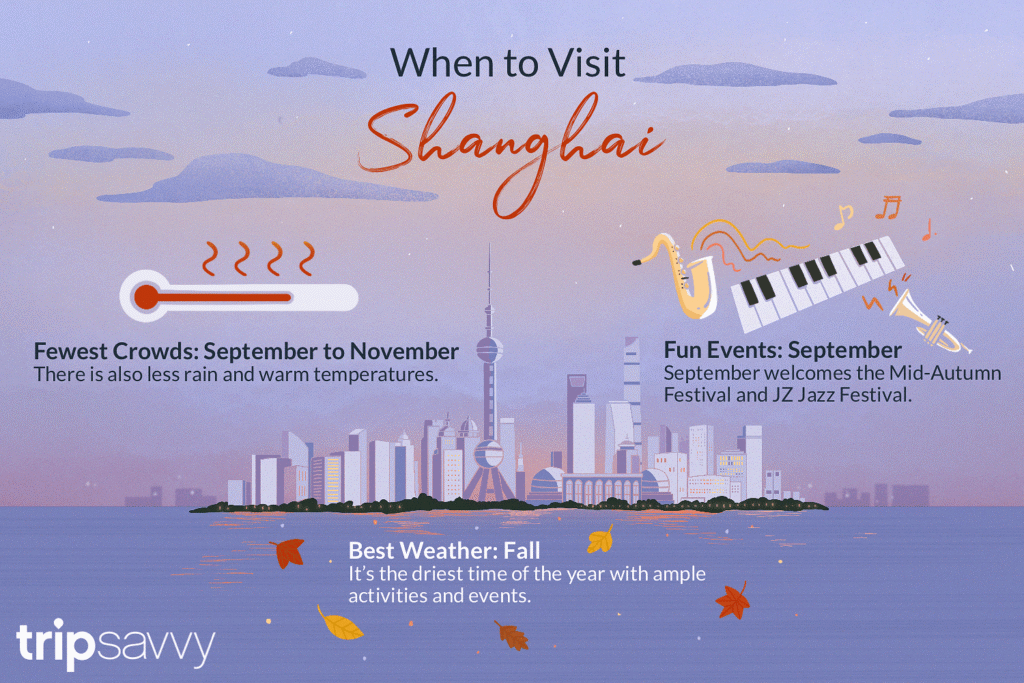
Shanghai can be visited throughout the year, although the weather varies considerably by season.
Spring
Spring can be a pleasant time for sightseeing, with milder weather and attractive gardens and parks.
It is a good season for walking around the city and exploring outdoor attractions.
Summer
Summer can be hot, humid, and rainy. However, longer daylight hours provide plenty of time for sightseeing.
If you visit during summer, plan breaks indoors and carry suitable clothing for warm weather.
Autumn
Autumn can provide comfortable conditions for exploring Shanghai. Cooler weather makes walking and outdoor sightseeing more enjoyable.
It can be a good season for exploring parks, neighborhoods, historic sites, and waterfront areas.
Winter
Winter is cooler and can sometimes feel damp. However, fewer visitors may make some attractions more comfortable to explore.
Pack warm layers if you plan to visit during the colder months.
Day Trips From Shanghai
If you have extra time during your Shanghai trip, exploring destinations outside the city can add variety to your itinerary. Several nearby places offer historic architecture, traditional gardens, peaceful waterways, and scenic landscapes. These destinations can provide a welcome contrast to Shanghai’s modern skyline and busy streets.
Zhujiajiao Water Town
Zhujiajiao is one of the most popular traditional water towns near Shanghai. The historic town is known for its canals, stone bridges, old houses, narrow lanes, and waterfront streets.
Visitors can walk through the historic areas, admire traditional architecture, and enjoy views of the canals. Boat rides are also a popular way to experience the town from the water.
Zhujiajiao has a slower and more relaxed atmosphere than central Shanghai. It is a good choice for travelers who want to experience a more traditional side of the region without traveling too far from the city.
Suzhou
Suzhou is another excellent destination for a day trip from Shanghai. The city is particularly famous for its classical Chinese gardens, canals, historic buildings, and traditional cultural heritage.
Suzhou’s gardens are designed around ponds, pavilions, bridges, rocks, plants, and carefully arranged landscapes. Walking through these gardens provides a peaceful break from the busy urban environment of Shanghai.
The city also has historic canals and traditional neighborhoods where visitors can enjoy a slower pace. Suzhou can be a practical addition to a longer Shanghai itinerary, especially for travelers interested in Chinese history, architecture, gardens, and culture.
Hangzhou
Hangzhou is known for its beautiful natural scenery and cultural attractions. The city’s most famous landmark is West Lake, surrounded by gardens, walking paths, temples, bridges, and scenic viewpoints.
A visit to Hangzhou allows travelers to enjoy a more relaxed environment compared with Shanghai’s dense city center. Walking around West Lake, exploring historic sites, and enjoying local tea culture are popular activities.
Shanghai Travel Tips
A little preparation can make your trip easier and more enjoyable.
Check Travel Requirements
Before traveling to China, check the latest official information regarding entry requirements, visa rules, passport validity, and other travel documentation applicable to your nationality.
Travel requirements can change, so always verify current information before departure.
Research Payment Options
Payment habits in Shanghai can be different from those in many other destinations. Before your trip, research which payment methods are practical for international visitors.
It is also useful to have a backup payment option available in case your preferred method is not accepted.
Download Useful Apps
Translation, maps, transportation, and travel applications can make navigating Shanghai much easier.
Set up important apps before your trip and make sure you know how to access essential information when you are away from your hotel.
Learn Basic Mandarin
English may be common in international hotels and some tourist attractions, but Mandarin is widely used for everyday communication.
Learning a few simple phrases can be useful. Nǐ hǎo means hello, while xièxie means thank you.
Carry Comfortable Shoes
Shanghai is a large city and sightseeing can involve significant walking.
Comfortable footwear is especially useful when exploring the Bund, shopping districts, gardens, markets, and historic neighborhoods.
Keep Valuables Secure
Keep your passport, phone, wallet, and other important belongings secure when visiting crowded attractions and using public transportation.
A secure bag can be particularly useful during busy sightseeing days.
How Many Days Do You Need in Shanghai?
For most first-time visitors, three to four days in Shanghai can provide enough time to experience the city’s major attractions, local food, historic neighborhoods, and modern skyline without rushing. However, the ideal length of your trip depends on your interests and whether you want to explore destinations outside Shanghai.
One Day in Shanghai
If you have only one day in Shanghai, focus on the city’s most iconic central attractions. Start with the Bund and enjoy views of the Huangpu River and Pudong skyline.
Continue toward Nanjing Road and People’s Square, where you can explore shopping areas, restaurants, and nearby attractions. In the evening, consider taking a Huangpu River cruise or walking along the Bund to see Shanghai’s illuminated skyline.
Two Days in Shanghai
Two days allow you to experience both modern and traditional sides of the city. Visit the Bund, Yu Garden, Nanjing Road, and Shanghai Museum.
Spend part of your second day exploring the French Concession, where tree-lined streets, historic buildings, cafés, and restaurants create a more relaxed atmosphere.
This is also a good opportunity to try local specialties such as xiaolongbao, shengjian mantou, and Shanghai-style noodles.
Three Days in Shanghai
Three days provide a comfortable amount of time for a first trip. You can explore the major attractions in central Shanghai and dedicate additional time to Pudong and its impressive skyline.
Visit Shanghai Tower or the Oriental Pearl Tower, take a Huangpu River cruise, and explore traditional neighborhoods. You can also spend time shopping, visiting museums, and enjoying local restaurants.
A three-day itinerary gives you a good balance between sightseeing and relaxation.
Four or More Days
With four or more days, you can explore Shanghai at a slower pace and discover attractions beyond the main tourist areas.
Consider taking a day trip to Zhujiajiao Water Town, Suzhou, or Hangzhou. Extra time is also useful if you want to visit Shanghai Disneyland or explore additional museums, temples, markets, parks, and neighborhoods.
Is Shanghai Worth Visiting?
Shanghai is a diverse destination that combines modern architecture, traditional Chinese culture, history, food, shopping, and entertainment.
The contrast between the futuristic Pudong skyline and historic areas such as the Bund and Yu Garden makes the city particularly interesting to explore.
Food lovers can try local specialties, while history and culture enthusiasts can explore museums, temples, gardens, and historic neighborhoods.
Whether you are planning a short stopover or a longer China trip, Shanghai offers plenty of experiences to fill your itinerary.
Must Read:
- Travel to Berlin Germany: Best Places, Attractions & Travel Guide
- Travel to Budapest Hungary: Best Places to Visit, Food & Travel Tips
- Travel to Florence Italy: A Complete Guide to Florence Attractions
Final Thoughts:
Travel to Shanghai offers the chance to experience one of China’s most dynamic cities. From the spectacular skyline of Pudong and the historic waterfront of the Bund to traditional gardens, temples, markets, museums, and diverse neighborhoods, Shanghai brings together different sides of Chinese culture and modern city life.
Plan time for the city’s major attractions, but also leave room to explore local neighborhoods and try authentic Shanghai food. Use public transportation to move efficiently between areas and choose accommodation based on the attractions and experiences you want to prioritize.
With thoughtful planning and enough time to explore, Shanghai can be an exciting destination for travelers interested in history, architecture, food, culture, shopping, and modern urban experiences.