
Fukuoka is one of Japan’s most welcoming destinations, combining modern city life, traditional culture, delicious food, historic temples, seaside attractions, and a relaxed atmosphere. Located on the northern shore of Kyushu, Fukuoka is also an excellent gateway to explore other parts of southern Japan.
Unlike some of Japan’s larger tourist destinations, Fukuoka can feel more relaxed while still offering plenty of attractions and experiences. Visitors can explore historic temples, walk through lively shopping districts, enjoy famous Hakata ramen, relax in parks, discover local markets, and experience the city’s famous evening food stalls.
Travel to Fukuoka is a great choice for first-time visitors to Japan as well as experienced travelers looking for a different side of the country. This guide covers the best places to visit, things to do, local food, hidden gems, transportation, where to stay, the best time to visit, and useful travel tips.
Why Travel to Fukuoka?
Fukuoka offers an appealing combination of Japanese culture, modern attractions, excellent food, and easy transportation.
A Relaxed Japanese City
Fukuoka is a major city, but many parts of it feel less overwhelming than larger destinations such as Tokyo or Osaka.
The city center is relatively compact, making it possible to visit several attractions in one day without spending too much time traveling between them.
Famous Local Food
Food is one of the biggest reasons to travel to Fukuoka.
The city is particularly famous for Hakata ramen, but visitors can also enjoy fresh seafood, mentaiko, yakitori, hot pot dishes, sweets, and many other local specialties.
Rich History and Culture
Fukuoka has a long history as an important trading and cultural center in Japan.
Temples, shrines, traditional festivals, historic ruins, and local neighborhoods provide plenty of opportunities to discover the region’s heritage.
Great Base for Kyushu
Fukuoka is an excellent starting point for exploring Kyushu.
High-speed trains and other transportation options make it easier to take day trips or continue to destinations such as Nagasaki, Kumamoto, Beppu, and other parts of the region.
Best Places to Visit in Fukuoka
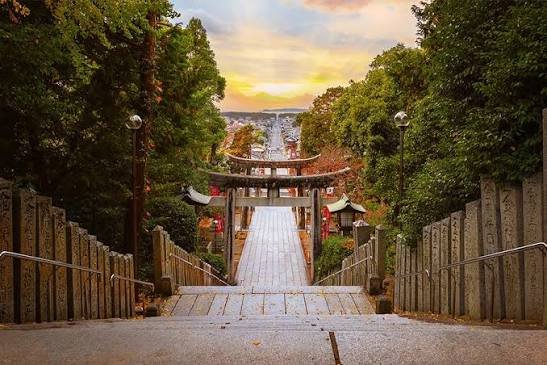
Fukuoka has a variety of attractions, from historic temples and gardens to modern shopping areas and waterfront destinations.
Canal City Hakata
Canal City Hakata is one of Fukuoka’s best-known shopping and entertainment complexes.
The large complex includes shops, restaurants, cafes, entertainment facilities, and a canal running through the center.
It is a convenient place to spend a few hours, particularly if the weather is not suitable for outdoor sightseeing.
Ohori Park
Ohori Park is one of the most relaxing places in central Fukuoka.
The large pond sits at the heart of the park, surrounded by walking paths, greenery, and scenic areas.
Visitors can enjoy a peaceful walk, rent a boat, or simply relax away from the busy city streets.
The park is also close to several cultural attractions, making it easy to combine with other sightseeing stops.
Fukuoka Castle Ruins
The ruins of Fukuoka Castle are located near Ohori Park.
Although much of the original castle no longer remains, the site provides an interesting glimpse into Fukuoka’s history.
The surrounding area is particularly attractive during cherry blossom season.
Kushida Shrine
Kushida Shrine is one of Fukuoka’s most important traditional shrines.
Located in the Hakata area, the shrine is closely associated with the Hakata Gion Yamakasa festival.
Visitors can explore the shrine grounds, admire traditional architecture, and learn more about local culture.
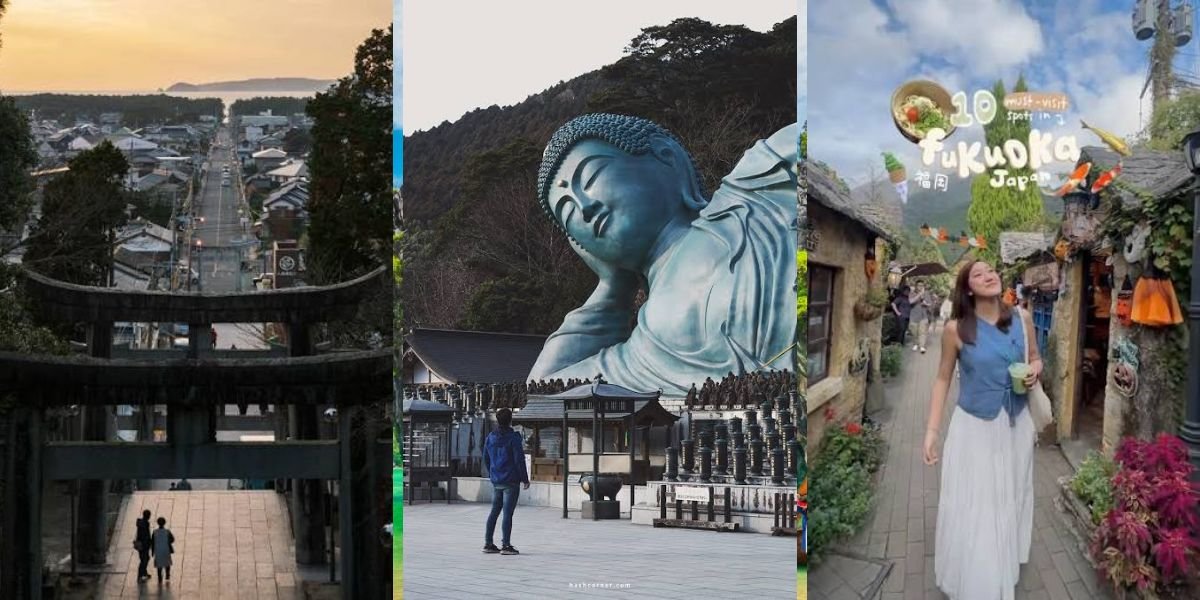
Tochoji Temple
Tochoji Temple is another important cultural attraction in Fukuoka.
The temple is known for its large wooden Buddha statue and peaceful atmosphere.
Its location in the Hakata area makes it convenient to visit alongside other temples and historic attractions.
Fukuoka Tower
Fukuoka Tower is one of the city’s most recognizable modern landmarks.
The observation areas provide panoramic views of Fukuoka, the coastline, and surrounding areas.
Visiting around sunset can be especially enjoyable because you can see the city during daylight before watching it light up at night.
Momochi Seaside Park
Momochi Seaside Park provides a different experience from Fukuoka’s traditional attractions.
The waterfront area is ideal for relaxing, walking, and enjoying views of the sea.
It is also close to Fukuoka Tower, making it easy to combine both attractions during the same visit.
Best Things to Do in Fukuoka
There are plenty of ways to experience Fukuoka beyond visiting major landmarks.
Eat at a Yatai Food Stall
One of the most memorable things to do in Fukuoka is visit a traditional yatai food stall.
These small outdoor food stalls become active in the evening and serve dishes such as ramen, yakitori, oden, and other local specialties.
The atmosphere is casual and social, making a yatai visit an excellent way to experience local food culture.
Explore Hakata
Hakata is one of the historic areas of Fukuoka and an important part of the city’s identity.
Explore its temples, shrines, shopping streets, restaurants, and traditional attractions.
Walking through Hakata gives you a chance to see how historic and modern Fukuoka exist side by side.
Visit Local Markets
Fukuoka’s markets are excellent places to experience everyday food culture.
You can find fresh seafood, local produce, prepared foods, snacks, and regional specialties.
Markets are also useful for travelers who want to try Japanese food without committing to a formal restaurant.
Take a Day Trip
Fukuoka’s location makes it easy to explore nearby destinations.
Depending on your interests, you can take day trips to historic cities, hot spring destinations, castles, temples, and natural attractions around Kyushu.
Enjoy the Waterfront
Fukuoka has a pleasant coastal setting, and several areas provide opportunities to enjoy the sea.
Spend time around Momochi Seaside Park, explore waterfront neighborhoods, or simply enjoy a walk near the coast.
Shop in Tenjin
Tenjin is one of Fukuoka’s main shopping and entertainment districts.
The area has department stores, fashion shops, restaurants, cafes, underground shopping areas, and nightlife.
It is a good place to spend an afternoon or evening while experiencing the modern side of the city.
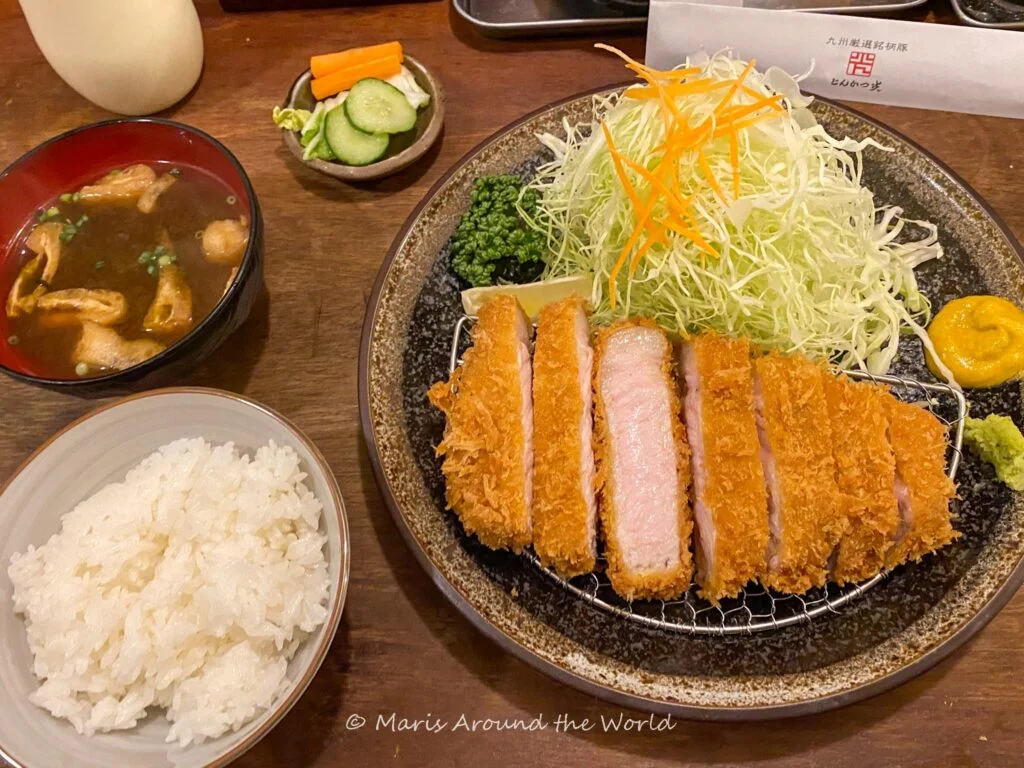
Fukuoka Food Guide
Food is an essential part of any trip to Fukuoka. The city is famous throughout Japan for several regional dishes.
Hakata Ramen
Hakata ramen is arguably Fukuoka’s most famous food.
It is known for thin noodles and a rich pork-bone broth called tonkotsu.
Many ramen restaurants allow customers to customize noodle firmness, making the experience interactive as well as delicious.
Motsunabe
Motsunabe is a popular Fukuoka hot pot dish made with beef or pork offal, vegetables, and a flavorful broth.
It is particularly enjoyable during cooler weather and is usually shared among several people.
Mentaiko
Mentaiko is spicy marinated cod roe and is strongly associated with Fukuoka’s food culture.
It can be served with rice, noodles, or other dishes and is a popular choice for travelers looking to try a distinctive local flavor.
Yakitori
Yakitori consists of grilled skewered ingredients and is widely available at restaurants and yatai.
Different types of meat, vegetables, and other ingredients can be grilled over charcoal and served with a savory sauce or seasoning.
Fresh Seafood
Fukuoka’s coastal location means seafood is an important part of the local food scene.
Depending on the season, visitors can find fresh fish, shellfish, sushi, sashimi, and other seafood dishes.
Umegae Mochi
If you visit nearby Dazaifu, try Umegae Mochi.
This traditional sweet is made with mochi and sweet red bean filling and is commonly enjoyed as a snack while exploring the area.
Hidden Gems in Fukuoka
While the major attractions are worth visiting, Fukuoka also has quieter places that can provide a more local experience.
Sumiyoshi Shrine
Sumiyoshi Shrine is a peaceful shrine located relatively close to the central city.
It is less overwhelming than some major tourist attractions and offers an opportunity to enjoy traditional Japanese architecture and a quieter atmosphere.
Yanagibashi Rengo Market
Often described as a local food market, Yanagibashi Rengo Market is a good place to explore Fukuoka’s culinary traditions.
The market is known for seafood and other fresh ingredients and can provide a glimpse into local food culture.
Nishi Park
Nishi Park is a scenic green space offering views across parts of Fukuoka.
It can be a pleasant escape from the city’s busy shopping districts and is especially attractive during cherry blossom season.
Itoshima
Itoshima is located outside central Fukuoka and is known for beaches, coastal scenery, cafes, and a slower pace.
It can be a good choice for travelers who have extra time and want to explore beyond the city.
Dazaifu
Dazaifu is one of the most popular nearby destinations and can easily be visited as a day trip.
The area is known for Dazaifu Tenmangu, historic streets, traditional shops, and local snacks.
Best Time to Travel to Fukuoka
Fukuoka can be visited throughout the year, but each season offers a different experience.
Spring
Spring is one of the most popular seasons to visit Japan.
Fukuoka’s parks and historic areas can become especially beautiful during cherry blossom season.
Because spring attracts many visitors, popular attractions and accommodation can be busy.
Summer
Summer is warm and humid, but it is also a season of festivals and outdoor events.
If you visit during summer, stay hydrated and plan breaks from the heat during the afternoon.
Autumn
Autumn is an excellent season for sightseeing.
Comfortable temperatures and changing foliage make it a good time to explore parks, temples, gardens, and nearby destinations.
Winter
Winter can be cooler, but Fukuoka remains enjoyable for city sightseeing.
It is also a good time to enjoy hot pot dishes, ramen, shopping, museums, and indoor attractions.
How Many Days Do You Need in Fukuoka?
Three to four days is a good amount of time for many first-time visitors.
One Day in Fukuoka
With one day, focus on central attractions.
Explore Hakata, visit Kushida Shrine and Tochoji Temple, enjoy local ramen, and spend the evening at a yatai food stall.
Two Days in Fukuoka
Two days allows you to explore the city’s main attractions more comfortably.
You can visit Ohori Park, Fukuoka Castle ruins, Fukuoka Tower, and Momochi Seaside Park while also enjoying time in Tenjin and Hakata.
Three to Four Days
With three or four days, you can add a day trip to Dazaifu or explore Itoshima.
You will also have more time to discover local restaurants, markets, shopping areas, and quieter neighborhoods.
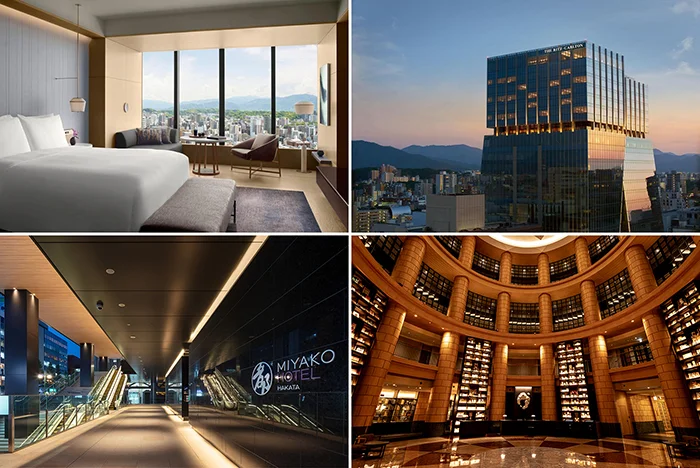
Where to Stay in Fukuoka
Choosing the right area to stay in Fukuoka can make your trip more comfortable and convenient. The city has several neighborhoods with different atmospheres, from transportation-focused areas and busy shopping districts to lively streets filled with restaurants and nightlife. Your ideal location will depend on your budget, interests, and travel plans.
Hakata
Hakata is one of the best areas to stay in Fukuoka, particularly for first-time visitors and travelers planning day trips.
Hakata Station is a major transportation hub with connections to trains, subway services, and other forms of public transportation. Staying nearby makes it easier to travel around Fukuoka and visit other destinations in Kyushu.
The area also has plenty of hotels, restaurants, shopping centers, and convenience stores. It is a practical choice if you value transportation and want to reduce travel time during your trip.
Tenjin
Tenjin is a great option for travelers who enjoy shopping, restaurants, cafes, entertainment, and modern city life.
The neighborhood is one of Fukuoka’s main commercial centers and has department stores, fashion shops, underground shopping areas, local restaurants, and cafes.
Tenjin is also centrally located, making it convenient for exploring other parts of Fukuoka. Travelers who want a lively atmosphere and plenty of dining choices within walking distance may find this area particularly appealing.
Nakasu
Nakasu is located between Hakata and Tenjin and is known for its lively evening atmosphere.
The area has numerous restaurants, bars, food stalls, and entertainment venues, making it an interesting choice for travelers who want to experience Fukuoka after dark.
Nakasu is also close to several popular yatai food stalls, giving visitors an opportunity to experience one of Fukuoka’s most famous food traditions.
How to Choose the Right Area
Choose Hakata if transportation and day trips are your priority. Tenjin is ideal for shopping, dining, and modern city experiences, while Nakasu is a good choice for travelers interested in nightlife and Fukuoka’s evening food scene.
How to Get Around Fukuoka
Getting around Fukuoka is relatively easy thanks to its convenient public transportation system and compact city center. Visitors can use the subway, buses, trains, and taxis, while many central attractions are also easy to explore on foot. Choosing the right transportation option can help you save time and make your Fukuoka trip more enjoyable.
Subway
The Fukuoka City Subway is one of the most convenient ways to travel around the city. It connects important areas such as Hakata, Tenjin, and Fukuoka Airport, making it particularly useful for arriving travelers and first-time visitors.
The subway is a good choice when you want to avoid road traffic and move quickly between major parts of the city. It is especially useful for sightseeing around central Fukuoka.
Buses
Buses provide access to neighborhoods and attractions that may not have a direct subway connection. They can be useful for reaching parks, temples, shopping areas, and other local destinations.
Bus routes can take a little more planning, particularly for visitors unfamiliar with the city. Checking your route before leaving can help you avoid confusion and make your journey smoother.
Trains
Trains are particularly useful when you plan to explore destinations outside central Fukuoka. The city’s railway connections make it possible to visit other parts of Kyushu without staying overnight.
Trains can be a convenient option for day trips to destinations such as Dazaifu and other nearby cities and attractions. If you plan several regional journeys, check train schedules and ticket options in advance.
Walking
Walking is one of the best ways to explore central Fukuoka. Many attractions, restaurants, shopping areas, and historic sites are located relatively close to one another.
Hakata and Tenjin are especially enjoyable to explore on foot. Walking also gives you the chance to discover small cafes, local shops, side streets, and restaurants that you might otherwise miss.
Fukuoka Travel Tips
A few practical tips can make your trip smoother.
Carry a Comfortable Pair of Shoes
Fukuoka is a walkable city, and you may spend several hours exploring neighborhoods, temples, parks, and shopping areas.
Comfortable footwear can make sightseeing much more enjoyable.
Try Local Specialties
Do not limit your meals to familiar Japanese dishes.
Try Hakata ramen, motsunabe, mentaiko, yakitori, and local sweets to experience Fukuoka’s distinctive food culture.
Learn Basic Japanese Phrases
Simple phrases such as greetings, thank you, and asking for help can be useful.
Even when you use translation apps, making an effort to communicate politely can improve everyday interactions.
Carry Some Cash
Many businesses accept cards and digital payments, but carrying some Japanese yen can still be useful for smaller restaurants, markets, vending machines, and food stalls.
Follow Local Etiquette
Japan is known for its emphasis on politeness and public etiquette.
Keep your voice low on public transportation, avoid blocking walkways, follow recycling instructions, and respect rules at temples and shrines.
Is Fukuoka Good for Families?
Fukuoka can be an excellent destination for families.
The city has parks, shopping centers, waterfront attractions, museums, and food experiences that can appeal to different age groups.
Families can also enjoy visiting nearby destinations such as Dazaifu or spending time at the waterfront.
Keeping the itinerary flexible is helpful when traveling with children.
Is Fukuoka Good for Couples?
Fukuoka is also a great choice for couples.
You can enjoy scenic parks, waterfront walks, traditional temples, local restaurants, shopping districts, and evening food stalls.
A relaxed evening exploring Hakata and enjoying local cuisine can be a memorable experience for couples.
Sample Fukuoka Itinerary
A simple itinerary can help you organize your trip.
Hakata and Local Food
Start by exploring Hakata.
Visit Kushida Shrine and Tochoji Temple before discovering local shops and restaurants.
In the evening, enjoy Hakata ramen or visit a yatai food stall.
Parks and Waterfront
Spend the morning at Ohori Park and explore the Fukuoka Castle ruins.
Continue toward Fukuoka Tower and Momochi Seaside Park in the afternoon.
Enjoy dinner in Tenjin.
Dazaifu
Take a day trip to Dazaifu.
Explore the shrine, historic streets, traditional shops, and local food before returning to Fukuoka.
Shopping and Hidden Gems
Use your final day to explore Tenjin, local markets, cafes, and quieter neighborhoods.
If you prefer nature, consider a trip toward Itoshima instead.
Common Mistakes to Avoid in Fukuoka
One common mistake is visiting Fukuoka only as a short stopover and missing its local food and cultural experiences.
Another mistake is spending the entire trip in shopping districts. While Tenjin and Hakata are worth exploring, the city’s temples, parks, waterfront, and nearby destinations provide a more complete experience.
Do not forget to plan transportation for day trips in advance, particularly if you have limited time.
It is also worth avoiding an overly packed itinerary. Fukuoka is a destination where slowing down and enjoying local food, neighborhoods, and everyday Japanese life can be just as rewarding as visiting major attractions.
Must Read:
- Travel to Hong Kong: Best Places, Things to Do, Food & Travel Advice
- Travel to Phuket: Discover Beaches, Islands, Culture & Local Food
- Travel to Pattaya: Ultimate Guide to Attractions, Beaches & Things to Do
Final Thoughts:
Travel to Fukuoka offers an opportunity to experience a different side of Japan. The city combines modern shopping districts and efficient transportation with historic temples, peaceful parks, coastal scenery, and a distinctive local food culture.
From exploring Hakata and enjoying a bowl of Hakata ramen to visiting a traditional shrine, walking around Ohori Park, watching the sunset from Fukuoka Tower, or discovering a quiet neighborhood, there are plenty of experiences to enjoy.
Fukuoka is also an excellent base for exploring Kyushu, making it a useful destination for travelers who want to combine city sightseeing with regional adventures.
For a first visit, three to four days provides enough time to experience the main attractions, taste local specialties, and take a nearby day trip. Whether you are traveling alone, as a couple, with friends, or with family, Fukuoka offers a relaxed and rewarding Japanese travel experience.