
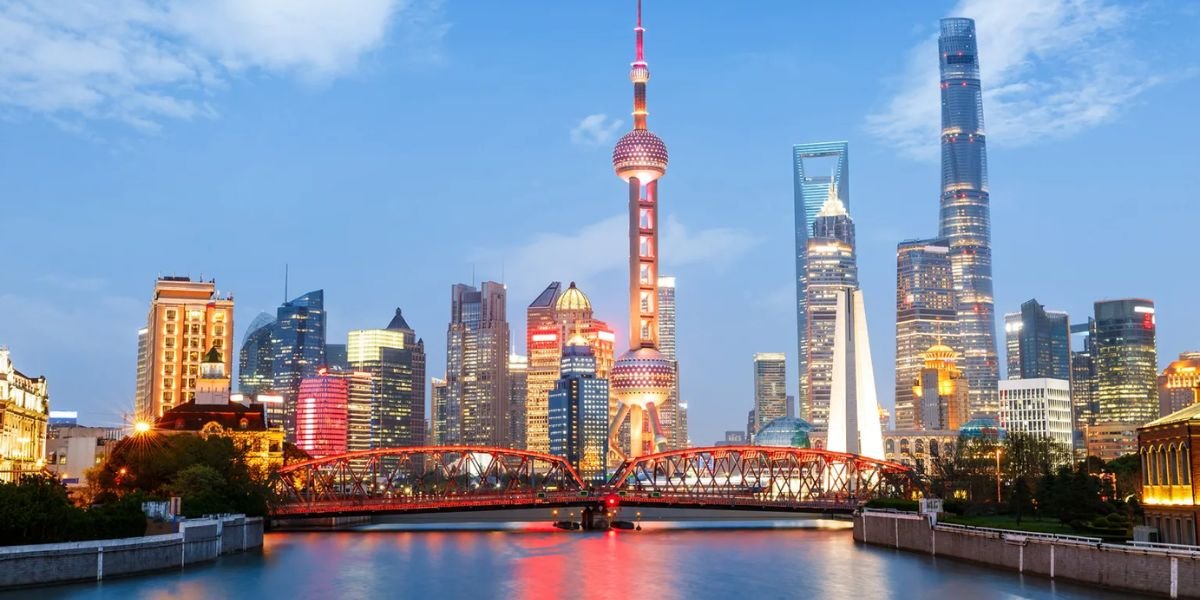
Shanghai is one of China’s most exciting cities, offering a fascinating mix of modern architecture, historic neighborhoods, traditional culture, shopping, entertainment, and world-famous food. The city is known for its impressive skyline, busy streets, waterfront views, ancient temples, and distinctive neighborhoods.
A Shanghai travel guide can help you discover more than the city’s famous skyscrapers. You can walk along the Bund, explore traditional gardens, visit historic streets, enjoy authentic Shanghai cuisine, shop in lively markets, and discover peaceful temples hidden among the busy city.
Whether you are visiting Shanghai for a short city break or spending several days exploring eastern China, the city offers plenty of experiences for different types of travelers. This guide covers the best places to visit, things to do, local food, where to stay, transportation, the best time to visit, and practical Shanghai travel tips.
Why Visit Shanghai?
Shanghai is a destination where old and new China come together. Modern skyscrapers stand close to historic neighborhoods, while traditional gardens and temples can be found among busy commercial districts.
Amazing Skyline
Shanghai has one of the most recognizable skylines in China.
The Pudong district is home to famous skyscrapers and observation towers, creating spectacular views across the Huangpu River. The skyline is particularly impressive after sunset when the buildings are illuminated.
Rich History and Culture
Shanghai has a long and fascinating history as an important port and commercial center.
Historic buildings, traditional gardens, temples, museums, and old neighborhoods provide opportunities to learn about the city’s past and cultural heritage.
Excellent Food
Food is an important part of the Shanghai experience.
The city is famous for dishes such as xiaolongbao, Shengjian mantou, noodles, local seafood, and other regional specialties. You can enjoy everything from inexpensive street food to sophisticated restaurants.
Great Shopping
Shanghai is also one of China’s major shopping destinations.
From luxury brands and modern shopping malls to local markets and independent boutiques, there are plenty of options for shoppers.
Best Places to Visit in Shanghai
Shanghai has attractions ranging from historic landmarks to modern architectural icons.
The Bund
The Bund is one of the most famous places to visit in Shanghai.
Located along the western bank of the Huangpu River, the waterfront promenade provides excellent views of the city’s modern skyline across the water.
The area is also known for its collection of historic buildings featuring different architectural styles.
Walking along the Bund during the day allows you to appreciate the architecture, while visiting in the evening provides beautiful views of Shanghai’s illuminated skyline.
Pudong Skyline
Pudong is home to some of Shanghai’s most recognizable skyscrapers.
The district’s skyline includes Shanghai Tower, Shanghai World Financial Center, and other impressive buildings.
You can admire the skyline from the Bund or visit one of the city’s observation decks for panoramic views.
Yu Garden
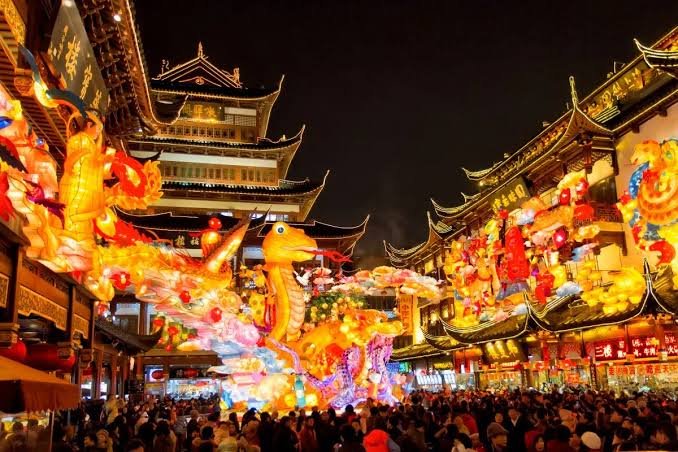
Yu Garden is a traditional Chinese garden located in the heart of Shanghai’s Old City.
The garden features ponds, rockeries, pavilions, bridges, and beautifully designed pathways.
It provides a peaceful contrast to the modern city surrounding it and is an excellent place to experience traditional Chinese garden design.
Nanjing Road
Nanjing Road is one of Shanghai’s best-known shopping streets.
The area is filled with department stores, fashion shops, restaurants, cafes, and entertainment venues.
It can be particularly lively in the evening when the street lights and large signs create a colorful urban atmosphere.
Shanghai Museum
Shanghai Museum is an excellent place to learn about Chinese history, art, and culture.
Its collections include ceramics, paintings, sculptures, calligraphy, furniture, and other historical objects.
It is a useful addition to your itinerary if you want to understand China’s cultural heritage beyond the city’s modern attractions.
Jing’an Temple
Jing’an Temple is a striking Buddhist temple located in a busy urban district.
Its traditional architecture creates an interesting contrast with the surrounding skyscrapers and modern buildings.
The temple offers visitors a chance to experience a quieter cultural environment without leaving central Shanghai.
Former French Concession
The Former French Concession is one of Shanghai’s most atmospheric areas.
Tree-lined streets, historic villas, cafes, restaurants, boutiques, and residential buildings make the neighborhood enjoyable to explore on foot.
It is an excellent area for travelers who want to discover a slower and more local side of Shanghai.
Best Things to Do in Shanghai
Shanghai offers plenty of experiences beyond visiting major attractions.
Walk Along the Bund
A walk along the Bund should be high on your Shanghai itinerary.
Take your time to admire the historic architecture on one side and the modern Pudong skyline on the other.
The waterfront is especially attractive around sunset and in the evening.
Take a Huangpu River Cruise
A river cruise provides another perspective of Shanghai.
You can enjoy views of the Bund’s historic buildings and Pudong’s skyscrapers while traveling along the Huangpu River.
Evening cruises can be particularly memorable because the city’s skyline is illuminated.
Explore Shanghai’s Old City
Shanghai’s Old City provides a glimpse into the city’s traditional character.
Explore narrow streets, local shops, small restaurants, temples, and historic buildings.
The area around Yu Garden is especially popular with visitors.
Discover Local Neighborhoods
Spend some time exploring neighborhoods away from the biggest tourist attractions.
The Former French Concession is ideal for walking, photography, cafes, shopping, and discovering historic architecture.
Visit Traditional Gardens
Yu Garden is the best-known traditional garden in central Shanghai, but exploring other green spaces can also provide a break from the city’s busy streets.
Parks are particularly enjoyable for travelers who want to slow down during a busy sightseeing itinerary.
Enjoy Shanghai at Night
Shanghai’s nightlife ranges from rooftop bars and modern entertainment venues to restaurants and evening markets.
Even if nightlife is not your main interest, walking through central Shanghai after dark is worth experiencing because of the illuminated buildings and lively streets.
Shanghai Food Guide
Trying local food is an essential part of any Shanghai trip. The city has a diverse culinary scene with both traditional and modern options.
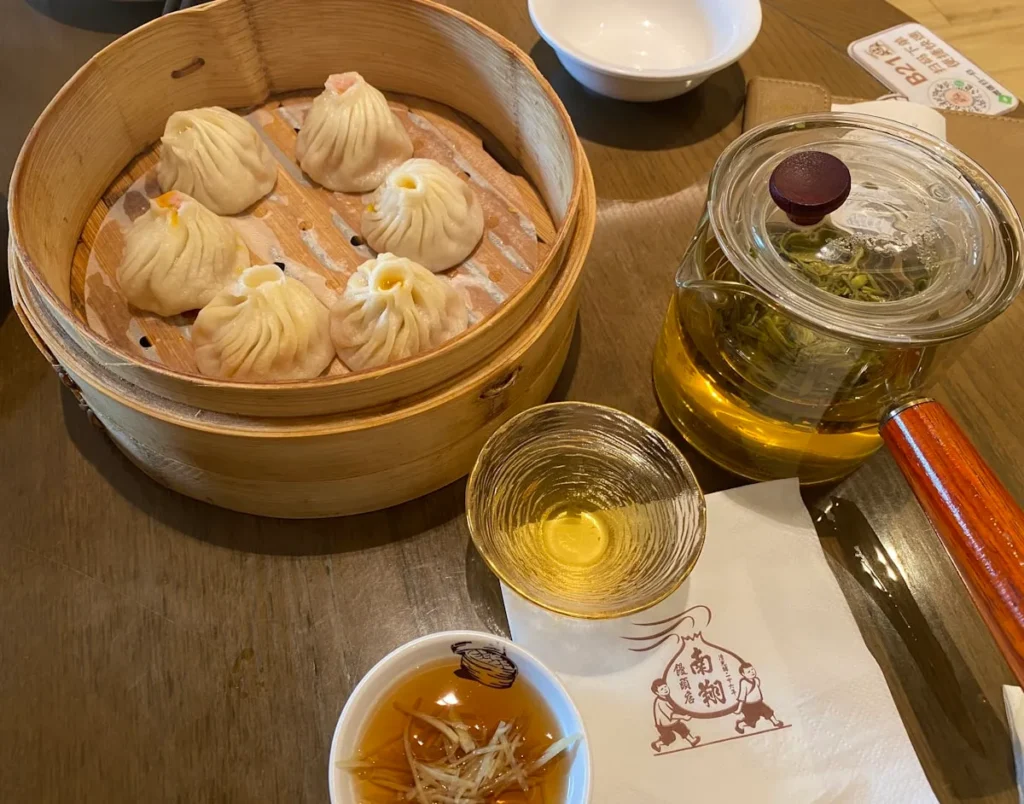
Xiaolongbao
Xiaolongbao is one of Shanghai’s most famous foods.
These delicate steamed dumplings contain a flavorful filling and hot soup inside.
Be careful when taking the first bite because the soup can be very hot. Enjoying freshly prepared xiaolongbao at a local restaurant is a must for many visitors.
Shengjian Mantou
Shengjian mantou are pan-fried buns with a crispy base and juicy filling.
They are a popular Shanghai breakfast and snack option and can often be found at casual local restaurants.
Shanghai Noodles
Shanghai-style noodles are another simple but satisfying local dish.
They can be prepared with different sauces, vegetables, meat, or seafood depending on the restaurant.
Braised Pork
Shanghai-style braised pork is known for its rich flavor and darker color.
It is usually cooked slowly with soy sauce, sugar, and aromatic ingredients to create a savory and slightly sweet taste.
Scallion Pancakes
Scallion pancakes are crispy, flaky, and commonly enjoyed as a snack or breakfast item.
They are an inexpensive way to try a traditional local favorite while exploring Shanghai.
Local Seafood
Shanghai’s location near the coast means seafood is an important part of its food culture.
Depending on the season, restaurants may offer different types of fish, crab, shrimp, and other seafood dishes.
Best Areas to Stay in Shanghai
Choosing the right neighborhood can make sightseeing easier and help you experience the type of Shanghai that interests you most.
Huangpu
Huangpu is a convenient choice for first-time visitors.
The area provides easy access to the Bund, Nanjing Road, People’s Square, restaurants, shopping, and many major attractions.
Pudong
Pudong is ideal for travelers who want modern architecture, impressive skyscrapers, and a contemporary city atmosphere.
It is also a convenient area for visitors interested in observation decks and business districts.
Former French Concession
The Former French Concession is a great choice for travelers who enjoy historic architecture, cafes, restaurants, boutiques, and tree-lined streets.
It can provide a more relaxed atmosphere than some of the busiest central areas.
Jing’an
Jing’an offers a combination of shopping, restaurants, nightlife, business facilities, and cultural attractions.
It is a good option for travelers looking for a central location with a modern urban atmosphere.
How to Get Around Shanghai
Shanghai has an extensive transportation network, making it relatively easy to explore the city.
Metro
The Shanghai Metro is one of the most convenient ways to travel around the city.
It connects many major neighborhoods, attractions, shopping districts, and transportation hubs.
The metro is especially useful when traveling longer distances because Shanghai is a very large city.
Buses
Buses provide access to areas that may not be directly connected by metro.
They can be useful for shorter journeys, although visitors may find the metro easier to navigate.
Taxis and Ride-Hailing
Taxis can be convenient when traveling with luggage or when public transportation is less practical.
Ride-hailing services may also be useful, although visitors should make sure they understand the local booking and payment process.
Walking
Walking is an excellent way to explore neighborhoods such as the Former French Concession, the Bund, and areas around Yu Garden.
However, Shanghai is a large city, so walking works best when combined with public transportation.
Best Time to Travel to Shanghai
Shanghai can be visited throughout the year, but the weather changes noticeably between seasons. Choosing the right time to travel can make a difference to your sightseeing experience, especially if you plan to spend a lot of time outdoors. Spring and autumn are generally comfortable for exploring the city, while summer can be hot and humid and winter brings cooler conditions.
Spring
Spring is a pleasant time to travel to Shanghai, with gradually warmer temperatures and blooming flowers adding color to parks and gardens. It is a good season for walking along the Bund, exploring historic neighborhoods, visiting gardens, and enjoying outdoor attractions.
Rain showers can occur during spring, so carrying a compact umbrella or lightweight rain jacket is a good idea. Popular attractions may also become busier as the weather improves.
Summer
Summer in Shanghai is generally hot, humid, and wetter than other seasons. Temperatures can make long outdoor sightseeing sessions uncomfortable, particularly during the middle of the day.
If you visit during summer, stay hydrated and use sun protection. Plan indoor attractions such as museums, shopping malls, restaurants, and cultural venues during the hottest hours. Keep your schedule flexible because heavy rain can sometimes affect outdoor plans.
Autumn
Autumn is often considered one of the best times to visit Shanghai. Temperatures are generally more comfortable for walking, sightseeing, photography, and exploring outdoor attractions.
The pleasant conditions make it easier to enjoy places such as the Bund, Yu Garden, parks, and the Former French Concession. Because autumn can be a popular travel period, booking accommodation in advance is recommended.
Winter
Winter brings cooler temperatures and can sometimes feel damp, particularly on cloudy days. However, Shanghai remains active, and winter can be a good choice for travelers who prefer fewer tourists and cooler sightseeing conditions.
How Many Days Do You Need in Shanghai?
Three to five days is a good amount of time for a first trip to Shanghai. This gives you enough time to visit the city’s famous landmarks, explore historic neighborhoods, try local food, and experience the contrast between traditional and modern Shanghai. The ideal length of your stay depends on your interests and whether you want to include day trips.
One Day in Shanghai
If you only have one day in Shanghai, focus on the city’s most iconic attractions. Start your morning with a walk along the Bund and enjoy views of the Huangpu River and Pudong skyline.
Continue toward Nanjing Road to experience one of the city’s busiest shopping areas. In the afternoon, explore nearby streets and enjoy a traditional Shanghai meal.
Finish your day by returning to the waterfront after sunset to see the illuminated skyline. Although one day is short, careful planning can give you a good introduction to Shanghai.
Three Days in Shanghai
Three days gives you enough time to explore Shanghai at a more comfortable pace. Visit the Bund and Nanjing Road on your first day, then dedicate another day to Yu Garden, the Old City, and nearby cultural attractions.
On your third day, explore Pudong, visit an observation deck, or take a Huangpu River cruise. You can also spend some time in the Former French Concession, where historic architecture, cafes, boutiques, and restaurants provide a different side of the city.
Five Days in Shanghai
Five days allows you to experience Shanghai without constantly rushing between attractions. Along with the major landmarks, you can visit museums, temples, parks, markets, and less-touristy neighborhoods.
Extra time also gives you more opportunities to explore Shanghai’s food scene and discover local restaurants. You may even consider a nearby day trip if you want to experience more of the surrounding region.
Shanghai Travel Tips
A few practical tips can make your Shanghai trip more comfortable.
Wear Comfortable Shoes
Shanghai is a large city, and sightseeing can involve plenty of walking.
Comfortable shoes are especially important when exploring the Bund, markets, historic neighborhoods, and shopping districts.
Carry a Translation App
Language can sometimes be a challenge for international visitors.
A translation app can be useful for communicating with restaurant staff, transportation providers, and local businesses.
Carry Some Local Currency
Many businesses accept electronic payments, but travelers should still have access to Chinese yuan for smaller purchases and situations where international payment methods may not work.
Plan Your Routes
Shanghai is geographically large, so avoid planning attractions on opposite sides of the city during the same short time period.
Grouping nearby attractions together can save time and make your itinerary more comfortable.
Be Prepared for Crowds
Popular attractions can become busy, especially during holidays and peak travel periods.
Visit major landmarks earlier in the day when possible and allow extra time for transportation.
Respect Local Customs
Be respectful when visiting temples, gardens, museums, and other cultural attractions.
Follow local rules about photography, noise, queues, and appropriate behavior.
Is Shanghai Good for Families?
Shanghai can be a good destination for families because it offers a combination of cultural attractions, parks, shopping, entertainment, and food experiences.
Families can visit museums, explore the waterfront, enjoy parks, and discover traditional gardens.
However, Shanghai’s size and busy streets can be tiring for young children, so avoid packing too many attractions into a single day.
Is Shanghai Good for Couples?
Shanghai is an excellent destination for couples.
A walk along the Bund, a Huangpu River cruise, dinner with skyline views, or an evening exploring the Former French Concession can create memorable experiences.
Couples can also enjoy cafes, restaurants, shopping, and quieter parks throughout the city.
Sample Shanghai Itinerary
A simple itinerary can help you make the most of your trip.
The Bund and Nanjing Road
Begin your trip at the Bund and enjoy the historic architecture and river views.
Continue toward Nanjing Road for shopping and restaurants.
In the evening, admire the illuminated Pudong skyline.
Old Shanghai and Culture
Visit Yu Garden and explore the surrounding Old City.
Continue to a museum or Jing’an Temple before enjoying a traditional Shanghai meal.
Pudong and River Views
Spend time exploring Pudong and visit an observation deck for panoramic city views.
In the evening, take a Huangpu River cruise or enjoy dinner overlooking the skyline.
Former French Concession
Explore the Former French Concession at a relaxed pace.
Visit cafes, boutiques, historic streets, and local restaurants.
Markets and Local Experiences
Use your final day to explore markets, parks, museums, or neighborhoods that you did not have time to visit earlier.
Keep the schedule flexible and enjoy some local food before leaving the city.
Common Mistakes to Avoid in Shanghai
One common mistake is trying to visit too many attractions in a single day.
Shanghai is a huge city, and traveling between distant neighborhoods can take considerable time. Group attractions by location to create a more efficient itinerary.
Another mistake is focusing only on the modern skyline. Shanghai’s historic neighborhoods, temples, gardens, and local markets provide a much deeper understanding of the city.
Do not forget to leave time for food. Local dishes such as xiaolongbao and Shengjian mantou are an important part of the Shanghai experience.
Finally, check transportation options and opening information before visiting major attractions, especially when traveling during busy periods or public holidays.
Must Read:
- Bookabach Review: Is It a Good Vacation Rental Site?
- Travel to Fukuoka: Discover Japanese Culture, Food & Hidden Gems
- Travel to Hong Kong: Best Places, Things to Do, Food & Travel Advice
Final Thoughts:
A Shanghai travel guide is useful for understanding just how diverse this enormous city can be. Shanghai combines futuristic skyscrapers with historic streets, traditional gardens, temples, shopping districts, and a fascinating food culture.
From walking along the Bund and admiring the Pudong skyline to exploring Yu Garden, eating xiaolongbao, discovering the Former French Concession, and enjoying a Huangpu River cruise, there are countless ways to experience the city.
For first-time visitors, three to five days can provide a good introduction to Shanghai. Plan your days by neighborhood, use public transportation, allow plenty of time for food and exploration, and avoid trying to see everything at once.
With a balanced itinerary that includes famous landmarks as well as local experiences, Shanghai can be an exciting and memorable destination for solo travelers, couples, families, and first-time visitors to China.