
Kyoto is one of Japan’s most beautiful travel destinations, famous for its ancient temples, traditional wooden houses, peaceful gardens, historic shrines, and fascinating cultural heritage. However, there is much more to discover beyond the city. The surrounding Kansai region is home to vibrant modern cities, historic towns, scenic mountains, traditional villages, and some of Japan’s most famous attractions.
Whether you enjoy exploring ancient temples, tasting authentic Japanese food, discovering traditional culture, or experiencing exciting city life, there are plenty of wonderful day trips from Kyoto. You can visit the friendly deer of Nara, explore the lively streets of Osaka, discover the historic castle of Himeji, or enjoy the peaceful atmosphere of Uji’s tea plantations.
One of the biggest advantages of staying in Kyoto is its excellent railway network. Many popular destinations can be reached within an hour or two, making it easy to explore different parts of Japan without changing hotels.
In this guide, we will explore 15 of the best day trips from Kyoto, including famous cities, historic attractions, cultural destinations, travel tips, and practical information to help you plan your Japanese adventure.
1. Nara
Nara is one of the best day trips from Kyoto and an excellent destination for travellers interested in Japanese history, culture, and nature. It was Japan’s first permanent capital and is famous for its ancient temples, traditional architecture, peaceful gardens, and friendly free-roaming deer.
The biggest attraction is Nara Park, where hundreds of deer wander freely around the grounds. Visitors can purchase special deer crackers and feed them while exploring the park.
Another must-visit attraction is Todai-ji Temple, home to one of Japan’s largest bronze Buddha statues. The impressive temple building and surrounding gardens create a memorable cultural experience.
Best things to do:
- Explore Nara Park and meet the friendly deer.
- Visit Todai-ji Temple.
- Discover Kasuga Taisha Shrine.
- Walk through the historic streets of Naramachi.
- Explore traditional Japanese gardens.
- Try local Japanese snacks and restaurants.
Travel time: Approximately 35 to 50 minutes by train, depending on the railway service.
Best for: Families, couples, history lovers, and first-time visitors to Japan.
Nara is an excellent choice for a full-day excursion from Kyoto. Start early to enjoy its main attractions before the busiest visitor hours.
2. Osaka
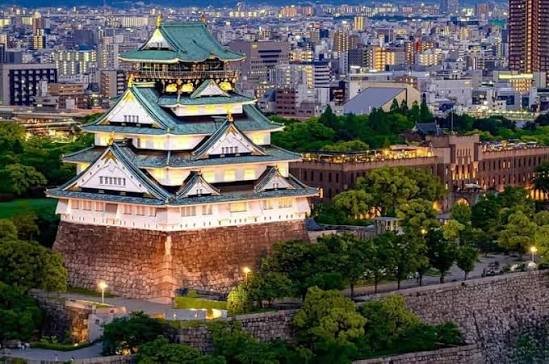
Osaka is one of Japan’s most exciting cities and a fantastic day trip from Kyoto. Known for its energetic atmosphere, street food, shopping districts, entertainment, and modern architecture, Osaka offers a completely different experience from Kyoto’s traditional surroundings.
One of the city’s most famous areas is Dotonbori, a lively entertainment district filled with colourful signs, restaurants, shops, and food stalls. It is an excellent place to experience Osaka’s famous street food culture.
Osaka Castle is another major attraction. Surrounded by beautiful gardens and historic grounds, it provides an interesting look into Japan’s past.
Best things to do:
- Explore Dotonbori.
- Visit Osaka Castle.
- Discover Kuromon Ichiba Market.
- Enjoy takoyaki and okonomiyaki.
- Explore Shinsaibashi shopping district.
- Visit the Umeda Sky Building.
Travel time: Approximately 30 to 45 minutes by train, depending on the route and departure station.
Best for: Food lovers, shoppers, families, and city explorers.
If you want to experience Japan’s modern lifestyle, Osaka is one of the best places to visit near Kyoto.
3. Uji
Uji is a charming historic town located south of Kyoto. It is particularly famous for its high-quality green tea, traditional tea shops, peaceful riverside scenery, and beautiful temples.
For anyone interested in Japanese tea culture, Uji is an excellent destination. The town has a long association with matcha production, and visitors can enjoy matcha desserts, traditional tea ceremonies, and tea-tasting experiences.
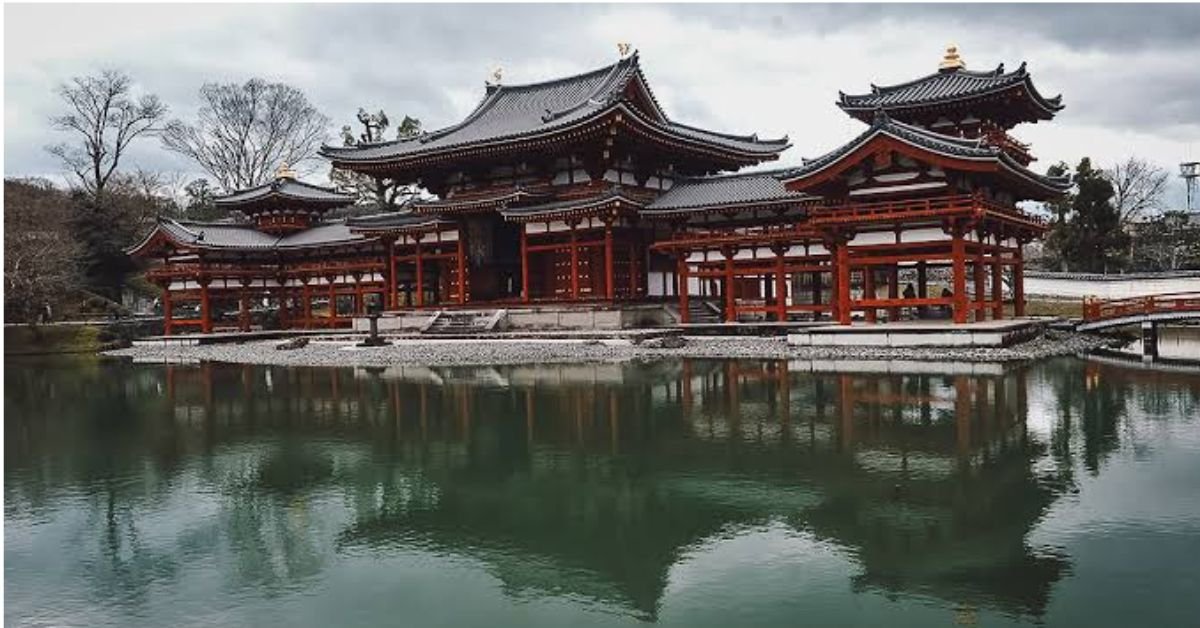
One of its most famous attractions is Byodo-in Temple, a UNESCO World Heritage Site. Its beautiful Phoenix Hall is reflected in the surrounding pond, creating one of Japan’s most recognizable temple views.
Best things to do:
- Visit Byodo-in Temple.
- Explore Uji Bridge.
- Try authentic Uji matcha.
- Enjoy a traditional Japanese tea ceremony.
- Visit local tea shops.
- Walk along the Uji River.
Travel time: Approximately 20 to 30 minutes by train.
Best for: Couples, food lovers, culture enthusiasts, and relaxed travellers.
Uji is ideal for a half-day excursion and can be combined with other nearby attractions if you start early.
4. Himeji
Himeji is a historic city in Hyogo Prefecture, famous for Himeji Castle, one of Japan’s most impressive and best-preserved original castles.
The castle is often called the White Heron Castle because of its elegant white exterior and graceful architectural design. It is a UNESCO World Heritage Site and one of the country’s most important historic landmarks.
Visitors can explore the castle grounds, admire its defensive architecture, and learn about the history of Japan’s feudal period.
Nearby Koko-en Garden is another beautiful attraction. Its traditional Japanese landscaping, ponds, and walking paths provide a peaceful place to relax after visiting the castle.
Best things to do:
- Explore Himeji Castle.
- Visit Koko-en Garden.
- Discover the castle’s historic surroundings.
- Enjoy traditional Japanese food.
- Explore local shopping streets.
- Take photographs of the castle.
Travel time: Approximately 45 to 60 minutes by Shinkansen or around 1.5 hours by regular train, depending on the service.
Best for: History lovers, photographers, architecture enthusiasts, and families.
Himeji is a fantastic destination for anyone who wants to experience Japan’s historic architecture beyond Kyoto.
5. Kobe
Kobe is a beautiful port city located between the mountains and the sea. It is famous for its waterfront attractions, international atmosphere, shopping areas, historic foreign residences, and world-renowned Kobe beef.
The city offers an interesting combination of modern architecture, cultural attractions, and natural scenery.
One of the most popular areas is Kobe Harborland, where visitors can enjoy waterfront walks, shopping, restaurants, and impressive views of the harbour.
Another attraction is the Kitano district, known for its historic Western-style houses built during the period when foreign merchants settled in Kobe.
Best things to do:
- Explore Kobe Harborland.
- Visit the Kitano Ijinkan district.
- Enjoy Kobe beef.
- Discover Nankinmachi Chinatown.
- Take in views from Mount Rokko.
- Walk along the waterfront.
Travel time: Approximately 50 to 60 minutes by train.
Best for: Food lovers, couples, shoppers, and architecture enthusiasts.
Kobe is an excellent choice if you want to experience a modern Japanese city with beautiful waterfront scenery.
6. Lake Biwa and Otsu
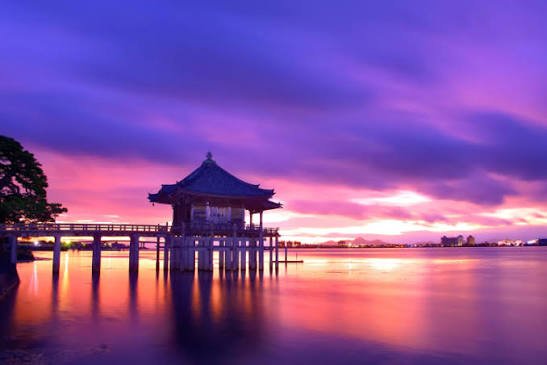
Lake Biwa is Japan’s largest freshwater lake and one of the most beautiful natural destinations near Kyoto. Located in Shiga Prefecture, it offers scenic landscapes, peaceful waterfront areas, and opportunities for outdoor recreation.
The nearby city of Otsu is an excellent starting point for exploring the lake. Visitors can enjoy lakeside walks, boat excursions, cycling, and beautiful views of the surrounding mountains.
One popular attraction in the area is Omi Shrine, known for its traditional architecture and connection with Japanese history.
Lake Biwa is particularly attractive during spring and summer when the surrounding landscapes become greener and outdoor activities are more enjoyable.
Best things to do:
- Enjoy views of Lake Biwa.
- Explore Otsu’s waterfront.
- Take a sightseeing boat when available.
- Visit Omi Shrine.
- Enjoy cycling and walking.
- Discover nearby traditional attractions.
Travel time: Approximately 10 to 20 minutes by train to Otsu, depending on your departure point.
Best for: Families, nature lovers, couples, and outdoor enthusiasts.
Lake Biwa is one of the easiest escapes from Kyoto if you want a relaxing day surrounded by nature.
7. Amanohashidate
Amanohashidate is one of Japan’s most beautiful scenic destinations. Located in northern Kyoto Prefecture, it is famous for a narrow sandbar covered with pine trees that stretches across Miyazu Bay.
The sandbar is considered one of Japan’s Three Scenic Views, making it an important destination for travellers interested in natural beauty and photography.
Visitors can walk or cycle along the sandbar while enjoying views of the surrounding water and pine trees.
Nearby viewpoints provide spectacular panoramic scenery. One popular activity is viewing the sandbar upside down by bending forward, a traditional way to appreciate its unusual shape.
Best things to do:
- Walk along the pine-covered sandbar.
- Rent a bicycle.
- Visit Amanohashidate View Land.
- Enjoy panoramic bay views.
- Explore nearby temples and shrines.
- Try local seafood.
Travel time: Approximately 2 hours by train, depending on the service.
Best for: Couples, photographers, nature lovers, and scenic travel enthusiasts.
Amanohashidate requires a longer journey, so plan a full day and check train schedules in advance.
8. Kurama and Kibune
Kurama and Kibune are two beautiful mountain villages located north of Kyoto. They are popular destinations for travellers looking to escape crowded city attractions and experience Japan’s natural beauty.
Kurama is known for its historic Buddhist temple, forested mountain paths, and peaceful atmosphere. Kibune is famous for Kifune Shrine, traditional restaurants, and its beautiful riverside setting.
One of the best experiences is walking the mountain trail connecting Kurama and Kibune. The route passes through forest landscapes and offers a wonderful opportunity to explore the countryside.
During summer, some riverside restaurants in Kibune offer seasonal dining platforms above the flowing water.
Best things to do:
- Visit Kurama-dera Temple.
- Explore Kifune Shrine.
- Walk the mountain trail between the villages.
- Enjoy forest scenery.
- Experience seasonal riverside dining.
- Discover traditional mountain architecture.
Travel time: Approximately 30 to 45 minutes by train, followed by local connections and walking.
Best for: Nature lovers, hikers, couples, and cultural travellers.
Wear comfortable shoes and check trail conditions before attempting the mountain walk.
9. Hikone
Hikone is a historic city in Shiga Prefecture, famous for Hikone Castle, traditional streets, and beautiful views of Lake Biwa.
Hikone Castle is one of the few original castles remaining in Japan. Its historic architecture, surrounding gardens, and impressive stone walls make it a fascinating destination for history enthusiasts.
The nearby Genkyuen Garden is another attraction worth visiting. Its traditional Japanese landscaping, ponds, and scenic views create a peaceful atmosphere.
Visitors can also explore Yume Kyobashi Castle Road, a shopping street featuring traditional-style buildings, local food, and souvenir shops.
Best things to do:
- Visit Hikone Castle.
- Explore Genkyuen Garden.
- Walk through Yume Kyobashi Castle Road.
- Discover local museums.
- Enjoy traditional Japanese food.
- Take photographs of the historic town.
Travel time: Approximately 50 to 80 minutes by train, depending on the route.
Best for: History lovers, photographers, families, and architecture enthusiasts.
Hikone is a wonderful alternative to the more crowded castle destinations in Japan.
10. Hiroshima
Hiroshima is an important Japanese city with a powerful history and several meaningful cultural attractions. Although it is farther from Kyoto than many other destinations, it can be visited on a long day trip using the Shinkansen.
The city’s most famous attraction is the Hiroshima Peace Memorial Park, which commemorates the victims of the atomic bombing in 1945.
The Hiroshima Peace Memorial Museum provides visitors with historical information and personal accounts of the bombing. It is an emotional but important experience for anyone interested in understanding modern Japanese history.
Visitors can also explore Hiroshima Castle, traditional gardens, and local restaurants.
Best things to do:
- Visit Hiroshima Peace Memorial Park.
- Explore the Atomic Bomb Dome.
- Discover the Peace Memorial Museum.
- Visit Hiroshima Castle.
- Enjoy local okonomiyaki.
- Explore the city’s shopping and dining areas.
Travel time: Approximately 1.5 to 2 hours by Shinkansen, depending on the service.
Best for: History enthusiasts, cultural travellers, and educational trips.
Hiroshima deserves a full day. Start early and check the return Shinkansen schedule before planning your itinerary.
11. Ohara
Ohara is a peaceful rural area located north of central Kyoto. It is known for its traditional village atmosphere, beautiful gardens, historic temples, and surrounding mountain landscapes.
One of its most famous attractions is Sanzen-in Temple, which features attractive gardens, moss-covered grounds, and historic Buddhist buildings.
Ohara is especially beautiful during autumn when the surrounding trees display vibrant colours. Spring is another lovely season for visiting because of the greenery and seasonal flowers.
The area is also known for traditional pickles and local countryside food.
Best things to do:
- Visit Sanzen-in Temple.
- Explore traditional gardens.
- Enjoy countryside walks.
- Discover local shops.
- Try traditional Japanese pickles.
- Photograph the surrounding mountains.
Travel time: Approximately 45 to 60 minutes by bus from central Kyoto, depending on the departure point.
Best for: Couples, photographers, nature lovers, and travellers seeking peaceful destinations.
Ohara is a good choice if you want to experience a quieter side of the Kyoto region.
12. Mount Hiei
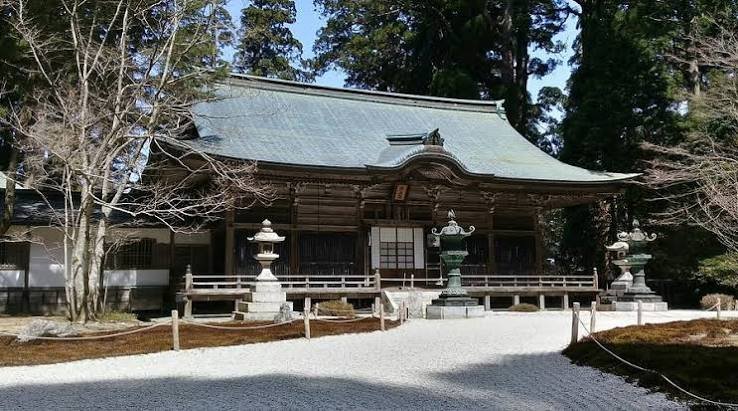
Mount Hiei is a beautiful mountain destination located northeast of Kyoto. It is famous for Enryaku-ji Temple, a historic Buddhist temple complex and UNESCO World Heritage Site.
The mountain has played an important role in Japanese Buddhist history for centuries. Its temple buildings, forest trails, and scenic viewpoints make it an interesting destination for visitors seeking both cultural and natural experiences.
The surrounding area offers beautiful views of Kyoto and Lake Biwa. Visitors can reach different parts of the mountain using transport connections that include cable cars and other mountain services.
Best things to do:
- Visit Enryaku-ji Temple.
- Explore the historic temple complex.
- Enjoy forest walking trails.
- Take in panoramic mountain views.
- Discover Buddhist history.
- Experience the peaceful natural surroundings.
Travel time: Approximately 1 to 1.5 hours, depending on the route and mountain transport connections.
Best for: History enthusiasts, nature lovers, hikers, and spiritual travellers.
Check seasonal cable car operations and temple opening hours before travelling.
13. Koyasan
Koyasan, also known as Mount Koya, is one of Japan’s most important Buddhist destinations. Located in Wakayama Prefecture, it is famous for its historic temples, spiritual atmosphere, forest landscapes, and traditional Buddhist culture.
The area is home to numerous temples and the impressive Okunoin Cemetery, which is surrounded by ancient cedar trees.
Visitors can explore temple grounds, learn about Japanese Buddhism, and experience the peaceful atmosphere of this historic mountain destination.
One of the most interesting experiences is traditional shojin ryori, a vegetarian Buddhist meal served at selected temple lodgings and restaurants.
Best things to do:
- Explore Okunoin Cemetery.
- Visit Kongobu-ji Temple.
- Discover Danjo Garan.
- Learn about Buddhist traditions.
- Enjoy traditional vegetarian cuisine.
- Walk through forested surroundings.
Travel time: Approximately 2.5 hours or more by train and cable car, depending on connections.
Best for: Spiritual travellers, history lovers, photographers, and cultural explorers.
Koyasan is a long excursion from Kyoto. An overnight temple stay is often a better option if you want to experience the destination without rushing.
14. Kurashiki
Kurashiki is a charming historic town in Okayama Prefecture, famous for its beautiful canal district, traditional warehouses, white-walled buildings, and peaceful atmosphere.
The Bikan Historical Quarter is the main attraction. Its picturesque canals, willow trees, traditional houses, and small shops create a wonderful setting for exploring on foot.
Visitors can enjoy boat rides along the canals, discover local museums, and explore traditional Japanese architecture.
Kurashiki is also known for its denim industry and independent boutiques.
Best things to do:
- Explore the Bikan Historical Quarter.
- Enjoy a traditional canal boat ride.
- Visit local museums.
- Discover historic warehouses.
- Explore denim and craft shops.
- Try regional Japanese food.
Travel time: Approximately 1.5 to 2 hours by train, depending on connections.
Best for: Couples, photographers, history lovers, and culture enthusiasts.
Kurashiki is a beautiful choice for travellers who enjoy historic towns and traditional architecture.
15. Fushimi Sake District
Fushimi is a historic neighbourhood in southern Kyoto, known for its traditional sake breweries, canals, historic buildings, and Japanese food culture.
Although it is technically part of Kyoto rather than a separate city, Fushimi makes an excellent half-day excursion away from the main sightseeing districts.
The area has a long history of sake production because of its high-quality water sources. Visitors can explore selected breweries, learn about the sake-making process, and visit museums dedicated to traditional brewing.
The canal-side streets also offer beautiful scenery and opportunities for photography.
Best things to do:
- Explore the historic sake district.
- Visit the Gekkeikan Okura Sake Museum.
- Walk along the canals.
- Discover traditional brewery architecture.
- Explore local shops and restaurants.
- Learn about Japanese sake culture.
Travel time: Approximately 10 to 20 minutes by train from central Kyoto, depending on the departure station.
Best for: History enthusiasts, food lovers, and cultural travellers.
Check the visitor rules and tasting arrangements at individual breweries before planning your visit.
Best Day Trips from Kyoto at a Glance
With so many interesting destinations around Kyoto, choosing the right excursion can be difficult. The following table compares popular places based on approximate travel time and the type of experience they offer.
| Destination | Approximate travel time | Best for |
|---|---|---|
| Nara | 35 to 50 minutes | Deer park and temples |
| Osaka | 30 to 45 minutes | Food and shopping |
| Uji | 20 to 30 minutes | Matcha and culture |
| Himeji | 45 to 60 minutes by Shinkansen | Historic castle |
| Kobe | 50 to 60 minutes | Food and waterfront |
| Lake Biwa and Otsu | 10 to 20 minutes | Nature and relaxation |
| Amanohashidate | Around 2 hours | Coastal scenery |
| Kurama and Kibune | 30 to 45 minutes plus local connections | Hiking and nature |
| Hikone | 50 to 80 minutes | Castle and history |
| Hiroshima | 1.5 to 2 hours by Shinkansen | History and culture |
| Ohara | 45 to 60 minutes by bus | Traditional countryside |
| Mount Hiei | 1 to 1.5 hours | Temples and mountain scenery |
| Koyasan | Around 2.5 hours or more | Buddhist culture |
| Kurashiki | 1.5 to 2 hours | Historic canals |
| Fushimi | 10 to 20 minutes | Sake culture |
Travel times are estimates and may vary depending on the departure station, railway company, train type, transfers, and seasonal transport arrangements.
Best Time to Plan Day Trips from Kyoto
Kyoto and the surrounding Kansai region offer beautiful experiences throughout the year. However, the best season depends on the type of activities and scenery you want to enjoy.
Spring (March to May)
Spring is one of the most popular seasons to visit Japan. Cherry blossoms create beautiful scenery around temples, parks, rivers, and historic streets.
Nara, Osaka, Uji, and Hikone are particularly attractive during cherry blossom season.
However, popular destinations can become crowded, so visiting early in the morning is recommended.
Summer (June to August)
Summer is a wonderful time for exploring mountain villages, lakes, and coastal destinations. Green landscapes and seasonal festivals create a lively atmosphere.
Lake Biwa, Kurama, Kibune, and Amanohashidate are excellent choices during this season.
Japan can become very hot and humid during summer, so carry water and avoid strenuous outdoor activities during the hottest hours.
Autumn (September to November)
Autumn is one of the most beautiful seasons for exploring Kyoto and its surrounding destinations. The changing leaves create spectacular scenery around temples, mountains, and traditional gardens.
Ohara, Mount Hiei, Nara, and Kurama are particularly attractive during autumn foliage season.
Winter (December to February)
Winter offers a quieter travel experience, with fewer visitors at some destinations and beautiful seasonal scenery.
You can explore Osaka’s shopping and food districts, visit historic temples, enjoy winter landscapes, or experience traditional Japanese hot springs in nearby regions.
Mountain destinations may experience snow and transport changes, so check local weather and travel conditions before leaving.
How to Travel from Kyoto to Nearby Destinations
Kyoto has an excellent railway network that makes exploring nearby cities and attractions relatively easy. Depending on your destination, you can choose between trains, buses, rental cars, and organised tours.
By Train
Train travel is one of the most convenient ways to explore the Kansai region.
JR, Kintetsu, Keihan, Hankyu, and other railway operators connect Kyoto with destinations such as Nara, Osaka, Uji, Kobe, and Himeji.
The Shinkansen is especially useful for longer journeys, including Hiroshima.
Check the official railway operator websites for current schedules, ticket prices, and route information.
By Bus
Buses are useful for reaching destinations that are not directly connected by train.
For example, local bus services connect Kyoto with areas such as Ohara and provide access to certain attractions in the mountains.
Check departure times carefully because some rural bus services operate less frequently.
By Rental Car
Renting a car can be a convenient option if you want to explore remote villages, mountain areas, and countryside attractions.
A car may be particularly useful for visiting Amanohashidate, rural Kyoto Prefecture, and destinations that require several public transport connections.
However, consider parking fees, toll roads, traffic, and Japanese driving requirements before renting a vehicle.
By Organised Tour
Organised tours are useful for travellers who prefer not to manage transportation and sightseeing independently.
Several excursions combine destinations such as Nara and Osaka or Amanohashidate and nearby coastal attractions.
Before booking, check whether transportation, admission tickets, meals, and guided sightseeing are included.
Practical Tips for Planning Day Trips from Kyoto
A little preparation can make your day trips more comfortable and help you enjoy more of each destination.
- Start early: Popular attractions such as Nara Park and Himeji Castle can become busy later in the day.
- Check train schedules: Different railway companies operate separate routes, so compare journey times before travelling.
- Choose the right station: Kyoto has several major railway stations, and the nearest station depends on your accommodation.
- Carry comfortable shoes: Historic temples, parks, and mountain trails often involve considerable walking.
- Check attraction opening hours: Temples, museums, castles, and gardens may have different seasonal schedules.
- Carry cash and a payment card: Some smaller restaurants and shops may have different payment preferences.
- Respect local traditions: Follow temple rules and avoid disturbing wildlife.
- Download offline maps: These can be helpful when exploring mountain villages and rural areas.
- Avoid overplanning: Choose one main destination instead of trying to visit too many places in one day.
- Check return connections: Make sure you have enough time to reach the railway station before your return train.
FAQs:
1. What are the best day trips from Kyoto?
Some of the best day trips from Kyoto include Nara, Osaka, Uji, Himeji, Kobe, and Amanohashidate. These destinations offer a combination of historic temples, traditional Japanese culture, beautiful landscapes, shopping, and delicious local food.
2. Can you visit Osaka from Kyoto in one day?
Yes, Osaka is one of the easiest day trips from Kyoto. The journey generally takes around 30 to 45 minutes by train, depending on the route. You can explore Osaka Castle, Dotonbori, Kuromon Market, and popular shopping districts in one day.
3. Is Nara worth visiting from Kyoto?
Absolutely. Nara is famous for its free-roaming deer, historic temples, and beautiful parks. It is also relatively close to Kyoto, making it an excellent destination for a full-day excursion.
4. What is the closest destination to Kyoto for a day trip?
Uji is one of the closest destinations, with train journeys generally taking around 20 to 30 minutes. It is famous for matcha tea, Byodo-in Temple, traditional tea shops, and peaceful riverside scenery.
5. Can I visit Hiroshima from Kyoto in one day?
Yes, Hiroshima can be visited from Kyoto using the Shinkansen. The journey generally takes around 1.5 to 2 hours, depending on the service. It is a long day trip, so start early and plan your return journey carefully.
6. What are the best day trips from Kyoto for nature lovers?
Nature lovers may enjoy Amanohashidate, Lake Biwa, Kurama and Kibune, Mount Hiei, and Ohara. These destinations offer mountain landscapes, forest trails, peaceful lakes, and beautiful countryside scenery.
7. Do I need a Japan Rail Pass for day trips from Kyoto?
Not necessarily. Whether a Japan Rail Pass or regional railway pass is worthwhile depends on how many journeys you plan to make and which train operators you use. Compare individual ticket prices with the pass coverage before purchasing.
8. What is the best time of year for day trips from Kyoto?
Spring and autumn are particularly popular because of cherry blossoms and colourful autumn leaves. Summer is ideal for lakes and mountain escapes, while winter offers quieter sightseeing and seasonal scenery.
Must Read:
- Day Trips from Montreal: Discover Canada’s Hidden Gems
- Motts Travel Day Trips: Discover the Best Places to Visit
- Day Trips from Las Vegas: Discover Nevada and Beyond
Final Thoughts:
Kyoto is much more than a destination for ancient temples, traditional gardens, historic streets, and beautiful shrines. Its location in the Kansai region makes it an excellent starting point for discovering some of Japan’s most fascinating cities, villages, and natural attractions.
From the friendly deer of Nara and the lively food streets of Osaka to the matcha culture of Uji, the impressive castle of Himeji, and the coastal scenery of Amanohashidate, there are countless memorable places waiting to be explored.
Whether you enjoy Japanese history, traditional food, outdoor adventures, shopping, or peaceful countryside experiences, the best day trips from Kyoto offer something for every traveller.
Choose destinations that match your interests, check transportation options, and allow enough time to enjoy each journey. With a little planning, you can explore Osaka, Nara, and beyond while making your Japanese holiday even more memorable.