
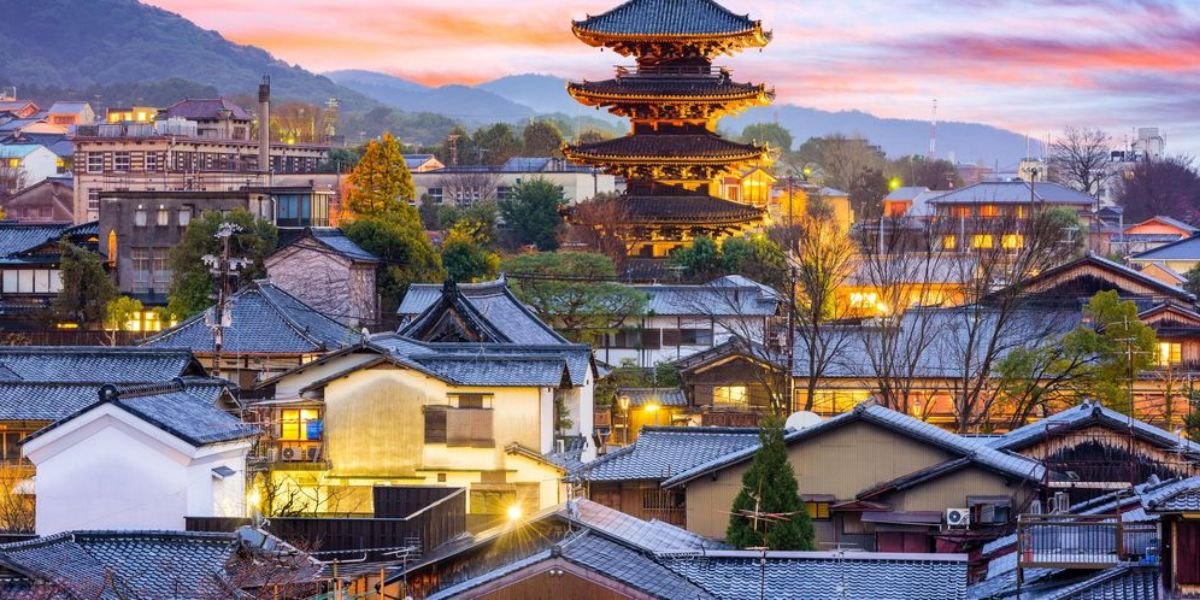
Kyoto is one of Japan’s most fascinating destinations, offering a beautiful combination of historic temples, traditional neighborhoods, peaceful gardens, Japanese cuisine, and cultural experiences. Once the imperial capital of Japan, Kyoto has preserved much of its historic character while developing into a modern and welcoming destination for travelers.
For anyone planning to travel to Kyoto, the city offers far more than famous temples and crowded tourist attractions. You can walk through atmospheric streets in Gion, admire traditional architecture, explore quiet gardens, taste Kyoto specialties, and discover lesser-known neighborhoods away from the busiest sightseeing routes.
Whether you are visiting Kyoto for a weekend or making it part of a longer Japan itinerary, this guide covers the best places to visit in Kyoto, things to do, food to try, cultural experiences, hidden gems, transportation, where to stay, and practical travel tips.
Why Travel to Kyoto?
Kyoto is a destination where Japan’s history and culture are particularly visible. The city is home to thousands of Buddhist temples and Shinto shrines, along with traditional wooden houses, gardens, tea houses, and historic districts.
Unlike Japan’s largest modern cities, Kyoto has a slower and more atmospheric character. You can spend the morning visiting a centuries-old temple, enjoy a traditional Japanese lunch, and finish the day walking through a historic neighborhood.
Rich Japanese Culture
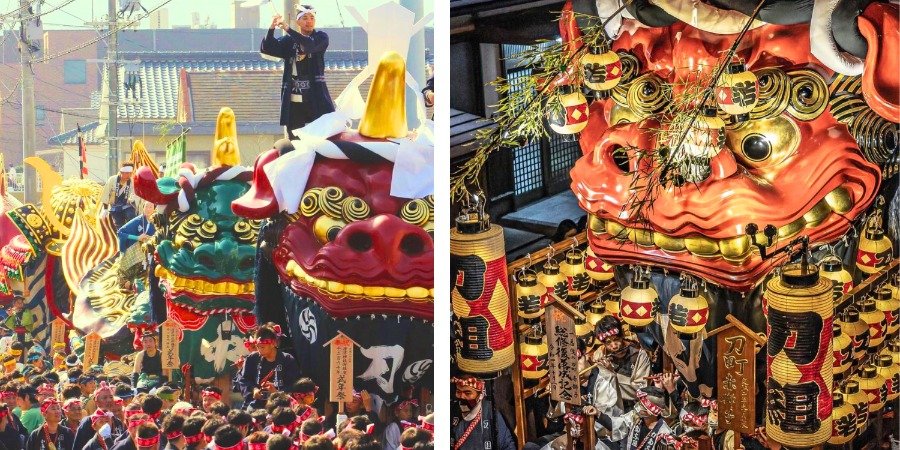
Kyoto is one of the best places in Japan to experience traditional culture. Tea ceremonies, seasonal festivals, traditional crafts, Japanese gardens, and historic architecture are all part of the city’s identity.
Beautiful Temples and Shrines
Kyoto is famous for its temples and shrines. Some are internationally recognized, while others are peaceful places that receive fewer visitors.
Fushimi Inari Taisha, Kiyomizu-dera, Kinkaku-ji, and Ginkaku-ji are among the city’s most popular attractions.
Seasonal Beauty
Every season gives Kyoto a different appearance.
Spring brings cherry blossoms, summer offers lush greenery and traditional festivals, autumn creates spectacular foliage, and winter can bring a peaceful atmosphere with fewer visitors.
Best Places to Visit in Kyoto
Kyoto has countless attractions, so it helps to organize your sightseeing by neighborhood.
Fushimi Inari Taisha
Fushimi Inari Taisha is one of Kyoto’s most recognizable attractions.
The shrine is famous for its thousands of bright torii gates that create long pathways through the forested hills of Mount Inari.
The lower section can become very busy, especially during popular visiting hours. Walking farther up the mountain generally provides a quieter experience.
The complete hike can take several hours, but visitors do not have to complete the entire route.
Kiyomizu-dera
Kiyomizu-dera is another essential Kyoto attraction.
The temple is particularly famous for its wooden stage overlooking the surrounding area. The approach to the temple also features traditional streets filled with shops, cafés, and souvenir stores.
The area is especially attractive during spring and autumn when seasonal colors enhance the scenery.
Kinkaku-ji
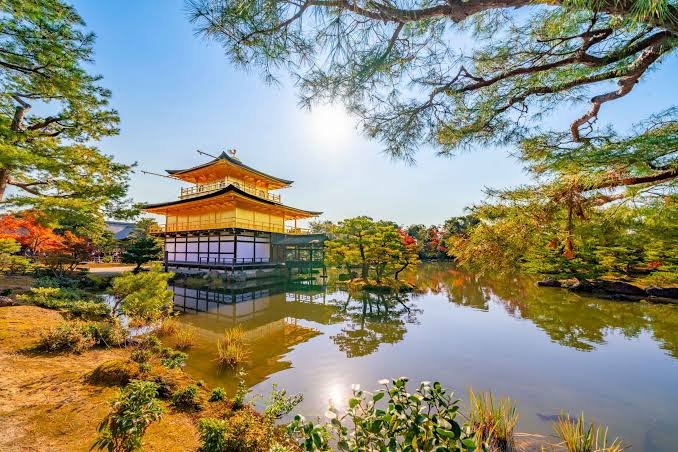
Kinkaku-ji, also known as the Golden Pavilion, is one of Kyoto’s most photographed landmarks.
The famous golden structure stands beside a reflective pond surrounded by gardens.
Although the visit can be relatively short, the surrounding garden and scenery make it worth including in a Kyoto itinerary.
Ginkaku-ji
Ginkaku-ji, or the Silver Pavilion, offers a more understated experience.
Rather than focusing on an elaborate exterior, the attraction is known for its traditional architecture, landscaped gardens, moss-covered areas, and peaceful atmosphere.
It can be combined with a walk along the nearby Philosopher’s Path.
Arashiyama Bamboo Grove
The Arashiyama Bamboo Grove is one of Kyoto’s most famous natural attractions.
Walking between tall bamboo stalks creates a unique atmosphere and provides excellent photo opportunities.
The surrounding Arashiyama district also has temples, gardens, restaurants, shops, and riverside scenery, making it worth exploring beyond the bamboo grove itself.
Nijo Castle
Nijo Castle provides an opportunity to learn about Kyoto’s political and architectural history.
The castle complex includes impressive gates, gardens, historic buildings, and beautifully decorated interiors.
It is a good choice for travelers interested in Japanese history and traditional architecture.
Things to Do in Kyoto
Kyoto is about more than sightseeing. The city provides many opportunities to experience Japanese traditions and everyday culture.
Experience a Traditional Tea Ceremony
A tea ceremony is one of the most memorable cultural experiences you can have in Kyoto.
The ceremony emphasizes preparation, presentation, hospitality, and mindfulness.
Visitors can participate in formal or more accessible tea experiences depending on their interests and schedule.
Walk Through Gion
Gion is one of Kyoto’s most famous traditional districts.
The neighborhood is known for narrow streets, traditional wooden buildings, tea houses, restaurants, and historic architecture.
The area is particularly atmospheric in the evening.
Visitors should be respectful when photographing people and private properties, as Gion is a living neighborhood rather than simply a tourist attraction.
Walk the Philosopher’s Path
The Philosopher’s Path is a scenic walking route along a canal in eastern Kyoto.
It connects several temples and neighborhoods and is particularly popular during cherry blossom season.
The walk is relaxing and can be combined with visits to nearby temples.
Explore Nishiki Market
Nishiki Market is often called Kyoto’s kitchen.
The covered shopping street features food stalls, restaurants, traditional products, snacks, seafood, pickles, sweets, and other local specialties.
It is a great place to explore Kyoto’s food culture in a compact area.
Rent a Kimono
Wearing a traditional kimono can be a fun way to experience Kyoto’s historic neighborhoods.
Several rental services provide clothing, accessories, and dressing assistance.
Popular areas for a kimono walk include Gion, Higashiyama, and the streets around Kiyomizu-dera.
Kyoto Food Guide
Kyoto has a distinctive culinary culture influenced by its history, local ingredients, and Buddhist traditions.
Kaiseki
Kaiseki is a refined multi-course dining experience that emphasizes seasonal ingredients, presentation, and balance.
It can be expensive, but it provides an opportunity to experience a highly traditional style of Japanese cuisine.
Yudofu
Yudofu, or tofu hot pot, is particularly associated with Kyoto.
It is simple but flavorful and has historical connections with Buddhist temple cuisine.
Matcha
Kyoto is strongly associated with matcha, a powdered green tea.
Visitors can find matcha drinks, traditional sweets, ice cream, cakes, and other desserts throughout the city.
Kyoto-Style Sushi
Kyoto has its own sushi traditions, including styles influenced by the city’s historical lack of direct access to the sea.
Trying local sushi can provide a different experience from the sushi commonly found in other Japanese cities.
Shojin Ryori
Shojin ryori is traditional Buddhist vegetarian cuisine.
It focuses on vegetables, tofu, seasonal ingredients, and careful preparation.
Visitors interested in Japanese food culture may want to include a temple or traditional restaurant experience featuring this cuisine.
Hidden Gems in Kyoto
While Kyoto’s most famous attractions are worth visiting, exploring less crowded places can make your trip more enjoyable.
Otagi Nenbutsu-ji
Otagi Nenbutsu-ji is known for its large collection of expressive stone statues.
The temple is located farther into the Arashiyama area and is generally quieter than the famous bamboo grove.
Its unusual statues make it an interesting alternative for travelers looking for something different.
Kennin-ji
Kennin-ji is one of Kyoto’s historic Zen temples.
It features traditional gardens, beautiful architecture, and famous artwork.
Its location near Gion makes it convenient to include in a walking itinerary.
Demachiyanagi
Demachiyanagi is a local-feeling area where two rivers meet.
It offers a quieter atmosphere than central tourist districts and can be a pleasant place to walk, relax, or enjoy local food.
Kyoto Imperial Palace Gardens
The Kyoto Imperial Palace area offers spacious gardens, pathways, and historic surroundings.
It can be a good option when you want a break from Kyoto’s busier streets.
Ohara
Ohara is located outside central Kyoto and offers a quieter countryside experience.
The area is known for temples, gardens, greenery, and a more peaceful atmosphere.
It is a good choice for travelers with extra time who want to explore beyond central Kyoto.
Best Time to Travel to Kyoto
Kyoto can be visited throughout the year, but each season has its own advantages.
Spring
Spring is one of the most popular times to visit Kyoto because of the cherry blossoms.
Parks, temple grounds, gardens, and streets can become extremely beautiful during peak bloom.
However, spring is also one of the busiest periods, so accommodation and transportation can require advance planning.
Summer
Summer is warm and humid, but the season offers lush greenery and traditional festivals.
The Gion Matsuri is one of Kyoto’s best-known cultural events and takes place during July.
Travelers visiting during summer should stay hydrated and plan outdoor sightseeing around the heat.
Autumn
Autumn is another highly popular season.
Kyoto’s temples and gardens can become surrounded by vibrant red, orange, and yellow foliage.
The combination of traditional architecture and autumn colors makes this season particularly attractive for photographers.
Winter
Winter is quieter than spring and autumn.
Cold weather means you need warm clothing, but fewer crowds can make it easier to explore popular attractions.
Occasional snow can also create beautiful scenes around Kyoto’s temples and gardens.
How Many Days Do You Need in Kyoto?
For a first visit, three to four days in Kyoto is an ideal amount of time to experience the city’s famous temples, traditional neighborhoods, local food, gardens, and cultural attractions without feeling too rushed. However, the right length of your Kyoto trip depends on your interests and whether you plan to take day trips to nearby destinations.
One Day in Kyoto
If you have only one day in Kyoto, focus on a compact area to make the most of your limited time. Start early at Fushimi Inari Taisha, where you can walk through the famous torii gates before the crowds arrive.
Afterward, head toward Kiyomizu-dera and explore the historic streets of Higashiyama. Spend your evening walking through Gion, enjoying traditional architecture and a Japanese dinner.
Two Days in Kyoto
With two days, you can explore Kyoto at a more comfortable pace. Spend the first day discovering eastern Kyoto, including Fushimi Inari, Kiyomizu-dera, Higashiyama, and Gion.
On the second day, explore Arashiyama, including the famous bamboo grove and nearby temples and gardens. Grouping attractions by location can help reduce transportation time.
Three Days in Kyoto
Three days gives you enough time to experience many of Kyoto’s highlights without constantly rushing. You can visit major attractions such as Kinkaku-ji, Fushimi Inari, Kiyomizu-dera, and Arashiyama while also enjoying local restaurants and traditional neighborhoods.
This is also a good amount of time to include a cultural experience, such as a tea ceremony or kimono rental.
Four or More Days
If you have four or more days, you can explore Kyoto beyond the main tourist attractions. Consider visiting quieter areas such as Ohara, exploring additional temples and gardens, or taking a day trip to nearby Nara or Osaka.
Extra time also allows you to slow down, discover local cafés, explore traditional shopping streets, and revisit your favorite areas without feeling rushed.
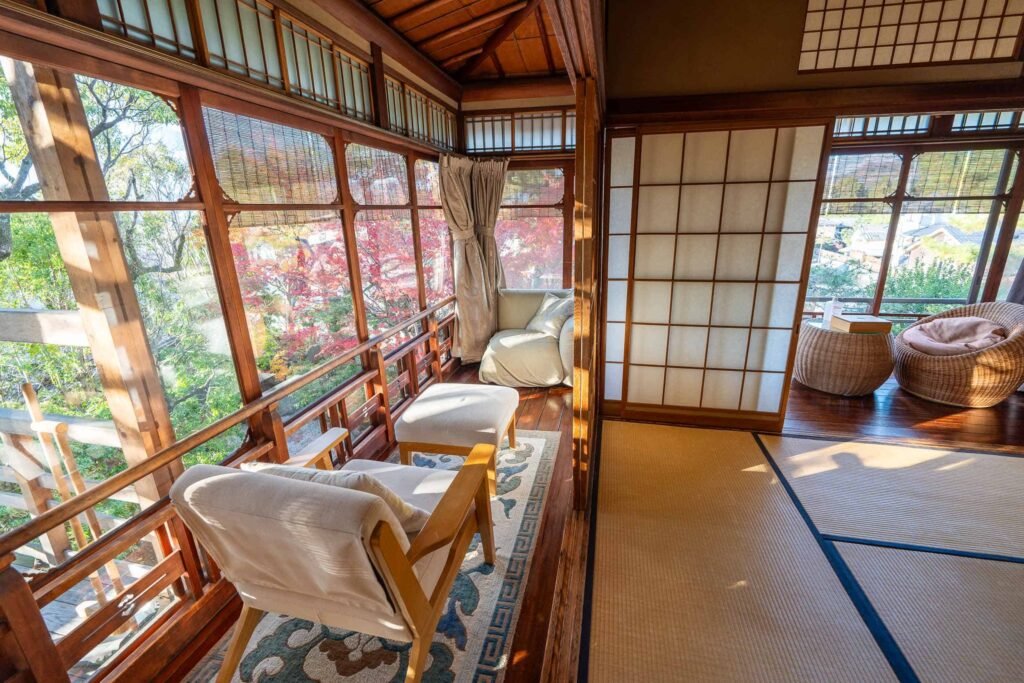
Where to Stay in Kyoto
Choosing the right area can make a major difference to your experience.
Downtown Kyoto
Downtown Kyoto is convenient for shopping, restaurants, public transportation, and nightlife.
It is a practical choice for travelers who want easy access to many parts of the city.
Gion and Higashiyama
Staying around Gion or Higashiyama puts you close to traditional architecture, temples, restaurants, and atmospheric streets.
This area can be particularly appealing for travelers interested in Kyoto’s historic character.
Kyoto Station Area
The Kyoto Station area is convenient for transportation.
It works well for travelers planning day trips to Osaka, Nara, or other destinations.
Arashiyama
Arashiyama can be a good option for visitors who want a quieter environment and easy access to the bamboo grove and nearby attractions.
Staying here may feel more peaceful, although you will spend more time traveling to central Kyoto.
Getting Around Kyoto
Kyoto has a reliable transportation network that makes it possible to explore the city’s historic attractions, temples, neighborhoods, and surrounding areas. Trains, buses, subways, taxis, and walking are the main ways to get around Kyoto. Choosing the right option can help you save time, especially during busy travel seasons.
Trains
Trains are a convenient way to reach several popular attractions and nearby destinations. They are particularly useful for visiting places such as Fushimi Inari and Arashiyama. Trains are also a practical choice if you plan to take day trips from Kyoto to cities such as Osaka or Nara.
Buses
Buses serve many areas that are not directly connected by train or subway. They can be useful for reaching temples and attractions across Kyoto. However, popular sightseeing routes can become crowded during peak hours, spring, and autumn. Allow extra travel time when using buses during busy periods.
Subway
Kyoto’s subway system is smaller than those in major cities such as Tokyo and Osaka, but it remains useful for traveling between several central areas. The subway can also be combined with trains and buses to reach destinations outside the main subway routes.
Walking
Walking is one of the best ways to experience Kyoto’s traditional atmosphere. Neighborhoods such as Gion and Higashiyama are especially enjoyable on foot. Walking allows you to discover small temples, traditional wooden houses, local cafés, gardens, shops, and quiet streets that you might miss when traveling by vehicle.
For many visitors, combining public transportation with walking is the most convenient way to explore Kyoto comfortably and efficiently.
Kyoto Travel Tips
A little preparation can make your Kyoto trip more comfortable.
Start Early
Popular attractions can become very crowded later in the day.
Starting early allows you to enjoy major temples and scenic areas with fewer people.
Group Attractions by Area
Kyoto is spread out, and traveling back and forth across the city can waste valuable time.
Plan your itinerary by neighborhood and visit nearby attractions together.
Respect Temple and Shrine Etiquette
Many temples and shrines are active religious sites.
Follow posted rules, keep noise levels low, dress appropriately when requested, and avoid entering restricted areas.
Carry Comfortable Shoes
You will likely do a lot of walking in Kyoto.
Comfortable footwear is especially important if you plan to explore temples, gardens, historic districts, and walking routes.
Avoid Overpacking Your Schedule
Kyoto rewards slow exploration.
Instead of trying to visit ten attractions in one day, choose a few key places and leave time for food, cafés, shopping, and spontaneous discoveries.
Kyoto for Families
Kyoto can be a rewarding destination for families, although some attractions involve significant walking.
Children may enjoy the Arashiyama area, bamboo grove, scenic train experiences, gardens, markets, and cultural activities.
Families should consider staying near a convenient train or subway station and planning breaks between major sightseeing stops.
Kyoto for Couples
Kyoto is also a popular destination for couples.
Walking through traditional streets, visiting peaceful gardens, enjoying a tea ceremony, dining at a Japanese restaurant, and exploring Kyoto at sunset can create memorable experiences.
The city’s historic architecture and seasonal scenery also make it an attractive destination for photography.
Common Mistakes to Avoid in Kyoto
One common mistake is trying to see every famous temple in a short trip.
Kyoto has so many attractions that an overloaded itinerary can quickly become tiring.
Another mistake is visiting only the most famous locations. Exploring quieter temples and neighborhoods can provide a more authentic experience.
It is also important to remember that Kyoto is a residential city. Visitors should respect local communities, avoid blocking narrow streets, and follow photography restrictions.
Finally, do not underestimate travel time during peak seasons. Crowded buses and busy streets can make journeys longer than expected.
Sample Kyoto Itinerary
A four-day itinerary can provide a comfortable introduction to the city.
Day 1: Fushimi Inari and Higashiyama
Start early at Fushimi Inari Taisha.
Later, head toward Kiyomizu-dera and explore the historic streets around Higashiyama.
Spend the evening walking around Gion.
Arashiyama
Begin with the Arashiyama Bamboo Grove.
Explore nearby temples and gardens before enjoying lunch in the area.
Spend some time along the river and explore quieter streets before returning to central Kyoto.
Northern Kyoto
Visit Kinkaku-ji and explore nearby attractions.
Later, visit another temple or garden and enjoy a relaxed evening in downtown Kyoto.
Culture and Food
Start your day at Nishiki Market.
Explore downtown Kyoto and participate in a tea ceremony or another traditional cultural experience.
Use the evening to revisit Gion or enjoy a traditional Japanese dinner.
Must Read:
- Travel to Osaka: Best Places, Experiences, Food & Travel Advice
- Travel to Sapporo: A Complete Guide to Attractions, Food & Hotels
- Travel to Kuala Lumpur: Ultimate Travel Guide for Your Trip
Final Thoughts:
Travel to Kyoto offers an opportunity to experience a different side of Japan. The city combines centuries of history with beautiful temples, traditional neighborhoods, peaceful gardens, seasonal scenery, and an impressive food culture. From walking beneath the torii gates of Fushimi Inari to exploring the streets of Gion, Kyoto provides experiences that stay with travelers long after their trip ends.
The city is especially rewarding when you take your time. Instead of rushing between attractions, leave room for quiet temple gardens, local cafés, traditional shops, and neighborhood walks. Whether you are visiting during cherry blossom season, autumn foliage, the quieter winter months, or the lively summer period, Kyoto has something distinctive to offer.
For first-time visitors, three to four days is a good starting point, but travelers with more time can explore destinations beyond central Kyoto and discover lesser-known parts of the region. With comfortable accommodation, a practical itinerary, appropriate transportation planning, and an interest in local culture, your Kyoto trip can become one of the most memorable parts of a Japan vacation.