
Kuala Lumpur is one of Southeast Asia’s most exciting city destinations, combining modern skyscrapers, historic neighborhoods, colorful markets, excellent food, shopping centers, and cultural attractions. As the capital of Malaysia, the city offers a convenient mix of urban experiences and easy access to nearby attractions.
If you are planning to travel to Kuala Lumpur, you can build a trip around famous landmarks such as the Petronas Twin Towers, explore the historic streets of Chinatown, enjoy Malaysian cuisine, or spend time shopping in Bukit Bintang. The city also works well as a short weekend destination or as part of a longer Malaysia itinerary.
This Kuala Lumpur travel guide covers the best places to visit, things to do, where to stay, local food, transportation, the best time to visit, and practical travel tips.

Best Places to Visit in Kuala Lumpur
Kuala Lumpur has attractions for different types of travelers. From architectural landmarks to cultural sites and lively entertainment districts, there is plenty to explore.
Petronas Twin Towers
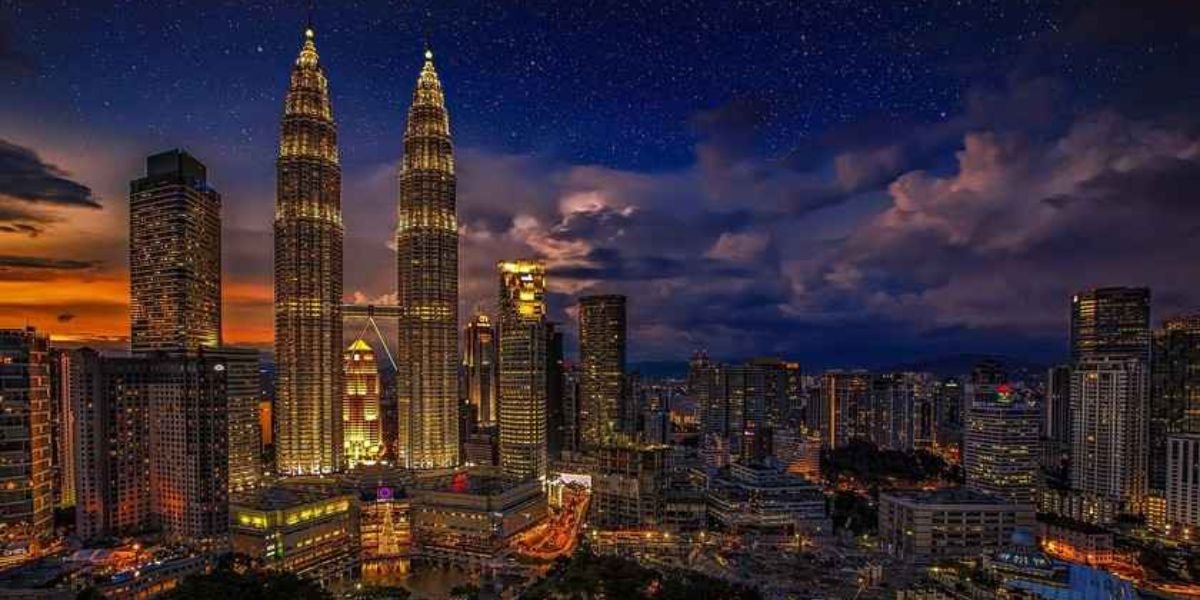
The Petronas Twin Towers are among the most recognizable landmarks in Malaysia and one of the first places many visitors include in their Kuala Lumpur itinerary.
The 451.9-meter towers dominate the city skyline and are particularly impressive when illuminated after sunset. Visitors can go to the Skybridge and observation areas for panoramic views across Kuala Lumpur.
The surrounding KLCC area is also worth exploring. You can visit Suria KLCC for shopping, restaurants, and entertainment, then relax at KLCC Park.
KLCC Park
Located next to the Petronas Twin Towers, KLCC Park provides a green space in the middle of Kuala Lumpur’s modern city center.
The park has walking paths, landscaped gardens, seating areas, and views of the towers. It is a pleasant place to visit in the evening when the weather is generally more comfortable.
Families may also enjoy the children’s facilities and the park’s open spaces.
Batu Caves
Batu Caves is one of the most popular attractions near Kuala Lumpur. The site is famous for its enormous golden statue, limestone caves, colorful staircase, and Hindu temples.
The main staircase has hundreds of steps leading toward the cave entrance. The climb can be tiring, particularly in hot and humid weather, but the views and temple complex make the visit worthwhile.
Batu Caves is located outside central Kuala Lumpur, so allow additional travel time when planning your day.
Merdeka Square
Merdeka Square, also known as Dataran Merdeka, is an important historical landmark in Kuala Lumpur.
The square is surrounded by colonial-era architecture and is located close to several major attractions. The Sultan Abdul Samad Building is particularly impressive, with its distinctive arches, clock tower, and architectural details.
The area is ideal for travelers interested in Kuala Lumpur’s history and architecture.
Chinatown and Petaling Street
Petaling Street is one of the liveliest areas in Kuala Lumpur and a popular destination for shopping, street food, and local atmosphere.
The surrounding Chinatown area contains traditional shops, restaurants, temples, cafés, and colorful streets. It is a good place to explore on foot and experience a different side of the city compared with the modern KLCC district.
Visitors can also explore nearby attractions such as Central Market and Sri Mahamariamman Temple.
Central Market
Central Market is a convenient place to discover Malaysian arts, crafts, souvenirs, and traditional products.
The market building has a long history and today houses shops selling handicrafts, artwork, clothing, decorative items, and gifts.
It is a useful stop if you want to purchase souvenirs while learning more about Malaysian culture.
Bukit Bintang
Bukit Bintang is one of Kuala Lumpur’s most popular entertainment and shopping districts.
The neighborhood is packed with shopping malls, restaurants, cafés, bars, hotels, and entertainment venues. Jalan Alor, located nearby, is particularly popular for its street-food scene.
Bukit Bintang is also a convenient base for travelers who want to stay close to shopping, nightlife, restaurants, and public transportation.
Thean Hou Temple
Thean Hou Temple is a striking Chinese temple situated on a hill overlooking parts of Kuala Lumpur.
The temple features colorful decorations, traditional architectural details, statues, gardens, and cultural displays. It is an excellent place for photography and a peaceful break from the city’s busy commercial areas.
Kuala Lumpur Tower
Kuala Lumpur Tower, commonly known as KL Tower, is another important part of the city’s skyline.
The observation areas offer expansive views over Kuala Lumpur. Depending on your interests, you can visit during the day for clear city views or around sunset for a different atmosphere.
The tower is particularly useful for visitors who want to see the Petronas Twin Towers from a different perspective.
Best Things to Do in Kuala Lumpur
Beyond sightseeing, Kuala Lumpur offers plenty of activities that can make your trip more memorable.
Explore Kuala Lumpur’s Street Food
Food is an important part of the Kuala Lumpur experience. The city’s multicultural population has created a diverse culinary scene influenced by Malay, Chinese, Indian, and other traditions.
You can try dishes such as nasi lemak, char kway teow, roti canai, satay, laksa, and various rice and noodle dishes.
Jalan Alor is one of the city’s well-known food streets, particularly popular in the evening.
Go Shopping
Kuala Lumpur is an excellent destination for shopping, with everything from large luxury malls to traditional markets.
Popular shopping areas include Bukit Bintang and KLCC. Pavilion Kuala Lumpur, Suria KLCC, and Berjaya Times Square offer different combinations of fashion, dining, entertainment, and retail stores.
For souvenirs and traditional products, Central Market and Petaling Street are worth considering.
Explore Little India
Brickfields, often called Little India, is one of Kuala Lumpur’s most interesting cultural neighborhoods.
The area features Indian restaurants, clothing shops, sweet shops, temples, and colorful decorations. It is a good place to experience Malaysian Indian culture and sample South Indian and North Indian cuisine.
Visit Kuala Lumpur at Night
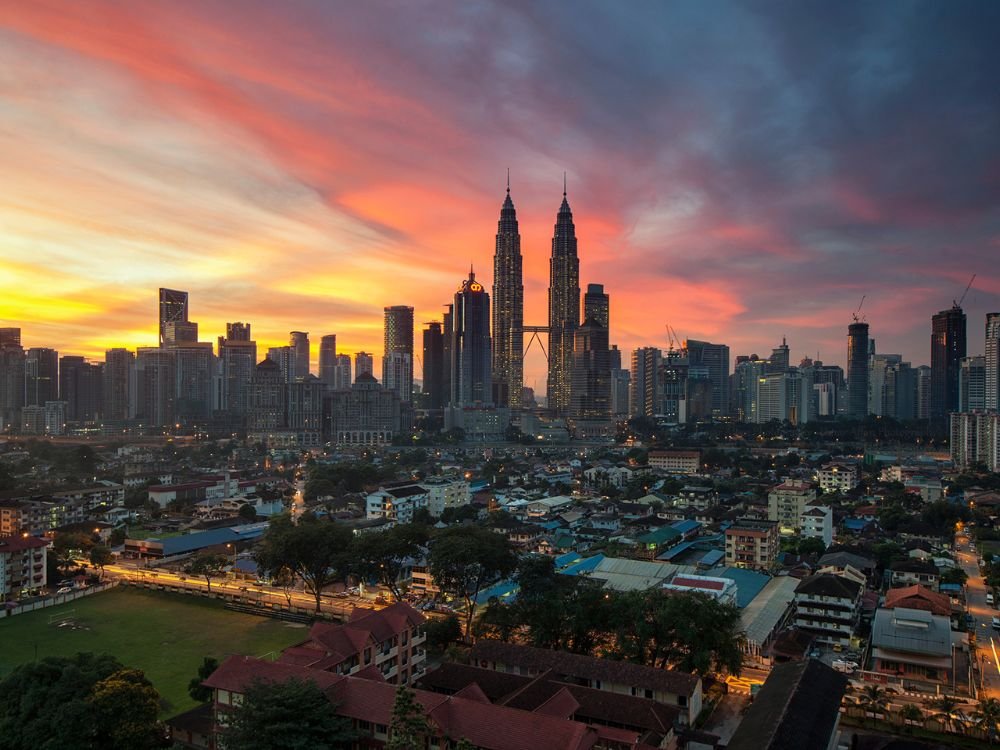
The city changes character after sunset. The Petronas Twin Towers and Kuala Lumpur Tower become illuminated, while areas such as Bukit Bintang and Jalan Alor become increasingly lively.
An evening walk through the city center can be a great way to experience Kuala Lumpur without the intensity of the daytime heat.
Take a Day Trip to Putrajaya
If you have extra time, consider visiting Putrajaya, Malaysia’s planned administrative capital.
Putrajaya is known for its grand government buildings, landscaped parks, bridges, and modern Islamic architecture. It provides a contrast to the busy streets of Kuala Lumpur and can be visited as a day trip.
Best Time to Travel to Kuala Lumpur
Kuala Lumpur has a tropical climate, which means warm temperatures and high humidity throughout much of the year.
Rain can occur at different times, and heavy showers may arrive quickly. However, rain does not necessarily last all day.
March to August
These months can be suitable for sightseeing, although visitors should still expect hot and humid conditions and occasional rainfall.
Early mornings and late afternoons are often more comfortable for outdoor activities.
September to February
Rainfall patterns can vary, but travelers should be prepared for wet weather. The advantage is that rain often comes in short periods rather than preventing sightseeing for an entire day.
Because Kuala Lumpur is a year-round destination, your travel dates can depend on flight prices, hotel availability, and the activities you want to enjoy.
How Many Days Do You Need in Kuala Lumpur?
For most first-time visitors, 3 to 4 days in Kuala Lumpur provides enough time to see the major attractions without rushing.
One Day in Kuala Lumpur
With one day, focus on the city center. Visit the Petronas Twin Towers, KLCC Park, Bukit Bintang, and Jalan Alor.
You can also explore Chinatown if your schedule allows.
Two Days in Kuala Lumpur
Two days provide more flexibility. Add Batu Caves, Merdeka Square, Central Market, and Kuala Lumpur Tower.
You can also spend an evening exploring Bukit Bintang and trying local food.
Three to Four Days in Kuala Lumpur
With three or four days, you can explore the major landmarks at a relaxed pace and include neighborhoods such as Brickfields and additional shopping or cultural experiences.
A day trip to Putrajaya can also fit into a longer itinerary.
Where to Stay in Kuala Lumpur
Choosing the right neighborhood can make your trip easier because Kuala Lumpur is a large city.
Bukit Bintang
Bukit Bintang is a popular choice for first-time visitors who want restaurants, shopping, entertainment, and nightlife close by.
The area has hotels across different price ranges and convenient access to public transportation.
KLCC
Staying around KLCC puts you close to the Petronas Twin Towers, KLCC Park, shopping malls, restaurants, and modern attractions.
It can be a convenient option if you want a central and upscale environment.
Chinatown
Chinatown can appeal to travelers looking for a lively atmosphere and easy access to street food, markets, historical attractions, and budget accommodation.
Brickfields
Brickfields is another practical area, especially for travelers who want good transportation connections and access to Indian restaurants and cultural attractions.
Getting Around Kuala Lumpur
Kuala Lumpur has several transportation options, making it relatively easy to move around the city.
MRT and LRT
The MRT and LRT networks are among the most useful options for tourists. They connect many commercial districts, attractions, residential areas, and transportation hubs.
Using rail services can also help you avoid road traffic during busy periods.
Monorail
The KL Monorail connects several popular central areas, including parts of Bukit Bintang.
It can be particularly useful for travelers staying around the city center.
Buses
Buses provide additional coverage across Kuala Lumpur. However, routes can be less convenient for visitors compared with rail services.
Taxis and Ride-Hailing
Taxis and ride-hailing services are useful when public transportation is not convenient, especially when traveling with luggage or visiting attractions outside the central areas.
Traffic can be heavy during peak periods, so allow extra time.
Walking
Some central areas are walkable, especially around KLCC, Bukit Bintang, and Chinatown.
However, Kuala Lumpur’s heat and humidity can make long walks uncomfortable. Carry water and take breaks when necessary.
Malaysian Food to Try in Kuala Lumpur
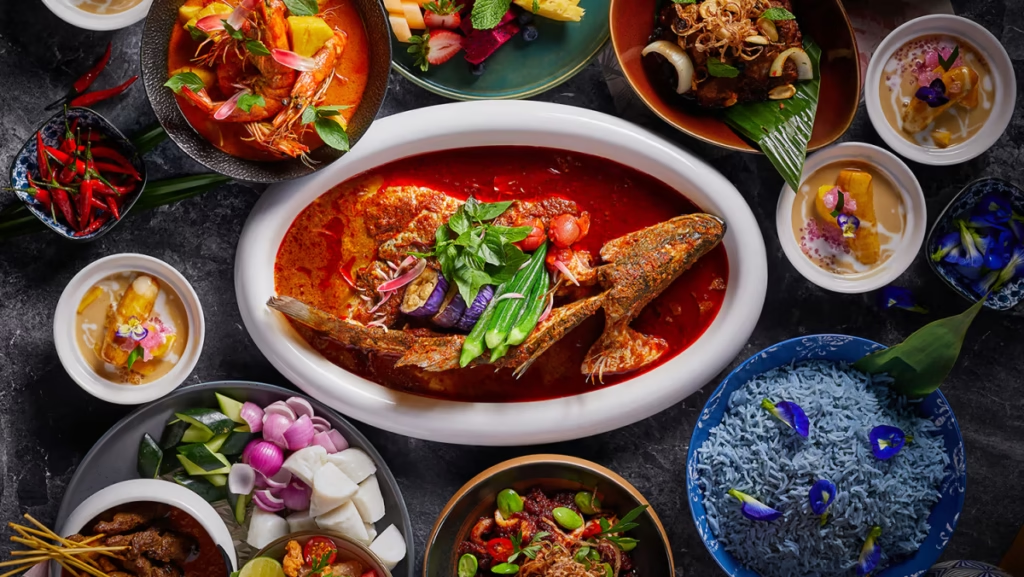
One of the best reasons to travel to Kuala Lumpur is its food.
Nasi Lemak
Nasi lemak is one of Malaysia’s best-known dishes. It typically includes coconut rice accompanied by ingredients such as sambal, peanuts, anchovies, egg, and cucumber.
Different restaurants serve their own variations.
Roti Canai
Roti canai is a popular flatbread with Indian influences. It is commonly served with curry or dhal and can make an inexpensive breakfast or snack.
Satay
Satay consists of grilled skewered meat served with a peanut-based sauce and other accompaniments.
It is widely available at restaurants, food courts, and street-food locations.
Laksa
Laksa refers to several types of spicy noodle soup found across Malaysia.
The ingredients and flavors can vary depending on the regional style.
Char Kway Teow
This stir-fried noodle dish is popular across Malaysia and is often prepared with ingredients such as prawns, vegetables, egg, and soy-based sauces.
Trying local noodle dishes is an easy way to experience the country’s diverse food culture.
Kuala Lumpur Travel Tips
A little preparation can make your Kuala Lumpur trip more comfortable and enjoyable. The city is easy to explore, but its tropical climate, busy streets, and cultural diversity mean that a few practical considerations are worth keeping in mind.
Carry Lightweight Clothing
Kuala Lumpur has a warm and humid climate, so lightweight, breathable clothing is ideal for sightseeing. Comfortable shoes are also important if you plan to explore neighborhoods and attractions on foot. When visiting mosques, temples, or other religious sites, dress modestly and follow any clothing guidelines provided at the entrance.
Carry an Umbrella
Rain showers can occur throughout the year, sometimes arriving quickly. Carrying a small, foldable umbrella can be helpful when exploring outdoor attractions. A lightweight rain jacket can also be useful, especially if you plan to spend several hours sightseeing.
Stay Hydrated
The combination of high temperatures and humidity can make walking around the city tiring. Carry a bottle of water and drink regularly throughout the day. Staying hydrated is particularly important when visiting outdoor attractions such as Batu Caves, where you may need to climb a large number of steps.
Plan Outdoor Activities Carefully
Try to schedule outdoor sightseeing during the morning or later afternoon when conditions may be more comfortable. Attractions that involve walking or climbing can feel considerably more demanding during the hottest part of the day.
Use Public Transportation
Kuala Lumpur has an extensive public transportation network, including MRT, LRT, monorail, and buses. Rail services can be a convenient option for reaching popular areas while avoiding some road traffic. Ride-hailing services can also be useful for destinations that are less accessible by train.
Keep Some Cash
Credit and debit cards are widely accepted at hotels, shopping malls, and many restaurants. However, carrying some Malaysian ringgit is useful for smaller food stalls, local markets, and businesses that may prefer cash payments.
Respect Local Customs
Kuala Lumpur is culturally diverse, so visitors should be respectful of local traditions and religious practices. Follow posted rules at religious sites, ask permission before photographing people, and dress appropriately when required. Being considerate of local customs can make your Malaysia travel experience smoother and more enjoyable.
Kuala Lumpur Travel Costs
The cost of a Kuala Lumpur trip depends on your accommodation, dining preferences, transportation choices, and activities.
Budget Travel
Budget travelers can reduce costs by staying in hostels or affordable hotels, using public transportation, and eating at local food courts and restaurants.
Mid-Range Travel
A mid-range trip can include a comfortable hotel, a combination of local and international restaurants, public transportation, and paid attractions.
Luxury Travel
Luxury travelers can choose high-end hotels around KLCC or Bukit Bintang, fine-dining restaurants, private transportation, and premium experiences.
One advantage of Kuala Lumpur is that travelers can adjust their spending relatively easily depending on their preferences.
Kuala Lumpur Itinerary for First-Time Visitors
A simple itinerary can help you make the most of your trip.
Modern Kuala Lumpur
Start your trip at the Petronas Twin Towers and explore KLCC Park.
Spend some time shopping or dining around Suria KLCC before heading toward Bukit Bintang.
In the evening, visit Jalan Alor for street food.
Culture and History
Begin with Batu Caves before returning to central Kuala Lumpur.
Spend the afternoon around Merdeka Square, the Sultan Abdul Samad Building, and Central Market.
Continue toward Chinatown and explore Petaling Street in the evening.
Neighborhoods and City Views
Visit Thean Hou Temple and explore Brickfields.
Later, head toward Kuala Lumpur Tower for city views.
Finish your day with shopping, dining, or another evening around Bukit Bintang.
Day Trip or Relaxed Exploration
Use your fourth day for a day trip to Putrajaya or simply explore attractions you missed during the first three days.
You can also dedicate the day to shopping and trying more Malaysian food.
Is Kuala Lumpur Good for First-Time Visitors?
Kuala Lumpur can be a convenient introduction to Southeast Asia because it combines modern infrastructure with diverse cultural experiences.
The city has major international transportation connections, extensive shopping and dining options, and several neighborhoods with different personalities.
English is also commonly used in tourist-facing businesses, although learning a few simple Malay expressions can make everyday interactions more enjoyable.
Is Kuala Lumpur Expensive?
Kuala Lumpur can accommodate different travel budgets.
Accommodation prices vary considerably depending on location and hotel category. Local food can be relatively affordable, while luxury restaurants and international hotels can significantly increase your daily expenses.
Public transportation is another way to keep travel costs manageable.
For budget-conscious travelers, planning accommodation around convenient rail connections and eating at local restaurants can help control expenses.
Must Read:
- Travel to Shanghai: Attractions, Food, Hotels & Travel Tips
- Travel to Berlin Germany: Best Places, Attractions & Travel Guide
- Travel to Budapest Hungary: Best Places to Visit, Food & Travel Tips
Final Thoughts:
Travel to Kuala Lumpur offers a combination of modern architecture, cultural attractions, local food, shopping, entertainment, and easy transportation. From the iconic Petronas Twin Towers and Batu Caves to Chinatown, Bukit Bintang, and KLCC, the city has enough attractions to fill several days.
For a first trip, spending around three to four days in Kuala Lumpur can give you a balanced experience. You can explore major landmarks, try Malaysian dishes, visit cultural neighborhoods, and still have time for shopping or a day trip.
Whether you are planning a short city break or using Kuala Lumpur as the starting point for a larger Malaysia itinerary, the city provides plenty of experiences for different types of travelers. With some planning around the weather, transportation, accommodation, and sightseeing schedule, your Kuala Lumpur trip can be both comfortable and memorable.