

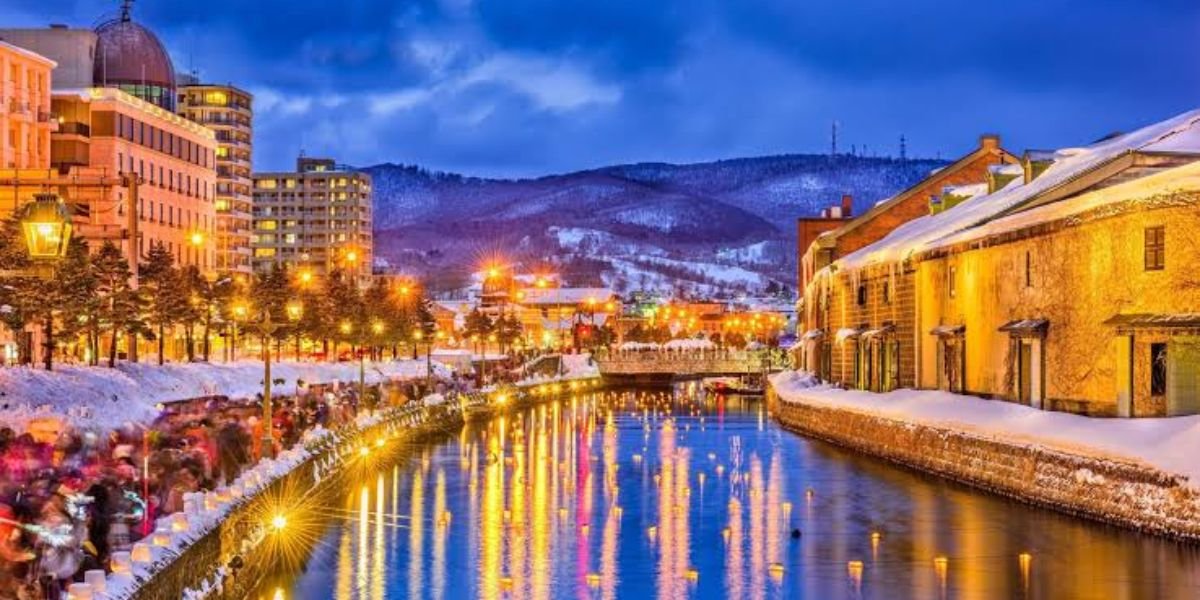
Sapporo is the largest city on Japan’s northern island of Hokkaido and a fascinating destination for travelers looking for a mix of modern city life, natural scenery, Japanese culture, and excellent food. Known for its snowy winters, beautiful parks, historic landmarks, and famous local cuisine, Sapporo offers a different experience from Japan’s larger destinations such as Tokyo and Kyoto.
Travel to Sapporo can be especially rewarding if you enjoy seasonal experiences. Winter brings snow-covered streets and winter festivals, while spring, summer, and autumn offer opportunities to explore parks, gardens, surrounding mountains, and nearby destinations.
Whether you are planning a short city break or a longer Hokkaido vacation, this guide covers the best Sapporo attractions, things to do, local food, hotels, transportation, the best time to visit, and useful travel tips.
Why Travel to Sapporo?
Sapporo combines the conveniences of a modern Japanese city with easy access to nature. The city has a well-developed public transportation system, numerous restaurants and shopping areas, cultural attractions, and a wide selection of accommodation.
One of the biggest reasons to visit Sapporo is its seasonal character. The city looks completely different depending on when you visit. Winter attracts travelers with snow activities and the famous Sapporo Snow Festival, while summer is ideal for exploring parks, gardens, and nearby natural attractions.
Food is another major reason to visit. Sapporo is famous for miso ramen, soup curry, seafood, dairy products, and Hokkaido specialties.
The city also works as an excellent base for exploring other parts of Hokkaido.
Best Places to Visit in Sapporo
Sapporo has a mixture of historic landmarks, parks, observation points, shopping districts, and cultural attractions. Here are some of the best places to include in your itinerary.
Odori Park
Odori Park is one of the most recognizable landmarks in central Sapporo. The long green space stretches through the heart of the city and provides a pleasant place to walk, relax, and enjoy seasonal scenery.
During warmer months, the park becomes a popular place for visitors and locals to enjoy outdoor events. In winter, it plays an important role in the city’s famous snow celebrations.
The park is also surrounded by many attractions, restaurants, shops, and transportation connections, making it an easy starting point for exploring Sapporo.
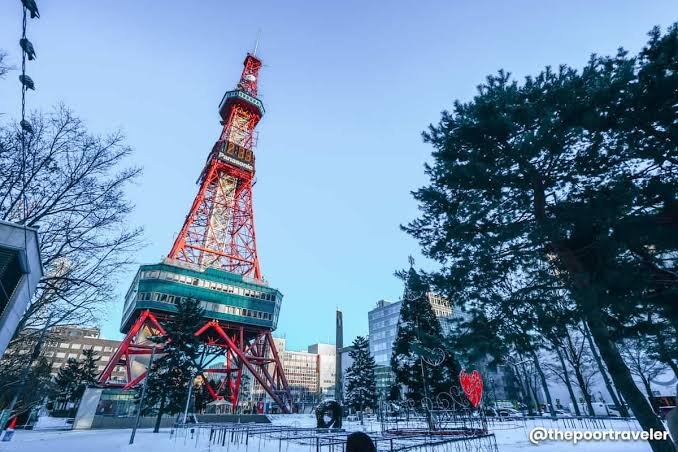
Sapporo TV Tower
Located near the eastern end of Odori Park, Sapporo TV Tower is one of the city’s best-known landmarks.
The observation area offers views across central Sapporo and Odori Park. Visiting during the evening can provide a different perspective as the city lights begin to appear.
The tower’s central location makes it easy to combine with other attractions in the downtown area.
Sapporo Clock Tower
The Sapporo Clock Tower is one of the city’s most recognizable historic buildings.
The building provides an interesting glimpse into Sapporo’s early development and is located within walking distance of several central attractions.
Although the building is relatively small, its historical significance and central location make it a worthwhile stop during a Sapporo sightseeing itinerary.
Hokkaido Shrine
Hokkaido Shrine is an important Shinto shrine surrounded by trees and peaceful walking areas.
The shrine provides a quieter experience compared with the busy city center. Visitors can explore the grounds, observe traditional Japanese architecture, and enjoy the surrounding greenery.
The atmosphere changes throughout the year, making the shrine interesting to visit in different seasons.
Mt. Moiwa
Mt. Moiwa is one of the best places to enjoy panoramic views of Sapporo.
Visitors can travel toward the summit and enjoy views across the city. The experience can be particularly attractive around sunset and after dark when Sapporo begins to light up.
If you enjoy photography and scenic viewpoints, Mt. Moiwa is worth adding to your Sapporo itinerary.
Susukino
Susukino is one of Sapporo’s busiest entertainment and dining districts.
The neighborhood is filled with restaurants, bars, shops, and nightlife venues. It is also an excellent place to experience Sapporo’s food culture.
Visitors looking for ramen, seafood, grilled dishes, and other local specialties will find plenty of choices in and around Susukino.
Nijo Market
Nijo Market is a popular destination for travelers interested in seafood and local food.
The market offers a chance to see fresh seafood and try different Hokkaido specialties. Seafood rice bowls are particularly popular.
A morning visit can be a good way to explore the market before spending the rest of the day sightseeing.
Shiroi Koibito Park
Shiroi Koibito Park is a popular attraction connected with one of Hokkaido’s best-known confectionery products.
The attraction combines food, sweets, themed spaces, gardens, and opportunities to learn more about the production process.
It can be an enjoyable stop for families, couples, and travelers with an interest in Japanese sweets.
Best Things to Do in Sapporo
Beyond visiting individual attractions, there are several experiences that can make your trip more memorable.
Explore Sapporo on Foot
Central Sapporo is relatively easy to explore on foot, especially around Odori Park, the Clock Tower, and nearby shopping areas.
Walking allows you to discover smaller streets, cafes, shops, and restaurants that you might otherwise miss.
During winter, however, sidewalks can become snowy or icy, so suitable footwear is important.
Experience Sapporo’s Winter Attractions
Winter is one of the city’s most distinctive seasons.
Snow-covered streets, winter illumination events, snow activities, and seasonal food create a unique atmosphere. If you visit during winter, check local event schedules and weather conditions before planning outdoor activities.
Visit Local Food Streets
Sapporo’s food culture is one of the highlights of visiting the city. Spend an evening exploring restaurants around Susukino or other central neighborhoods.
Trying different dishes rather than eating at only one restaurant can give you a better introduction to Hokkaido cuisine.
Enjoy the City From an Observation Point
Sapporo looks particularly attractive from above. Mt. Moiwa and other observation locations offer opportunities to see the city’s layout and surrounding landscape.
An evening visit can be especially memorable if the weather is clear.
Best Food to Try in Sapporo
Food should be an important part of any trip to Sapporo. Hokkaido is known for its fresh ingredients, dairy products, seafood, and regional dishes.
Sapporo Miso Ramen
Sapporo is strongly associated with miso ramen. The dish typically features noodles in a rich miso-based broth and can be served with vegetables, meat, corn, butter, or other toppings.
Ramen shops can be found throughout the city, particularly around popular dining districts.
Trying a bowl of local miso ramen is one of the essential food experiences when you travel to Sapporo.
Soup Curry
Soup curry is another popular Sapporo specialty.
Unlike traditional thick curry, soup curry features a lighter and more flavorful broth with vegetables and meat. Diners can often choose spice levels and customize their meal.
It is a good option for travelers looking for something different from standard Japanese curry.
Hokkaido Seafood
Hokkaido is famous for seafood, and Sapporo offers plenty of opportunities to try it.
Crab, sea urchin, salmon roe, scallops, and other seafood can be found in restaurants and markets. Seafood rice bowls are especially popular.
Nijo Market is one place where visitors can explore different seafood options.
Jingisukan
Jingisukan is a grilled mutton dish associated with Hokkaido.
The meat is cooked on a distinctive grill and is commonly served with vegetables. It is a popular choice for travelers who want to try a regional specialty.
Hokkaido Dairy and Desserts
Hokkaido is also well known for its dairy products.
Milk, cheese, ice cream, cakes, and other desserts are widely available throughout Sapporo. Shiroi Koibito and other Hokkaido sweets are popular choices for souvenirs.
Where to Stay in Sapporo
Choosing the right area can make your Sapporo trip more convenient. The city offers hotels, business accommodations, apartments, hostels, and luxury properties.
Sapporo Station Area
The area around Sapporo Station is convenient for travelers who plan to use trains frequently.
It provides easy access to transportation, shopping centers, restaurants, and other parts of the city. It can also be a practical choice for travelers arriving from New Chitose Airport and continuing to other destinations in Hokkaido.
Odori Area
Staying around Odori Park places you close to many central attractions.
The area is convenient for sightseeing, shopping, dining, and public transportation. It is a good choice for first-time visitors who want to explore central Sapporo.
Susukino
Susukino is ideal for travelers who prioritize restaurants, nightlife, and entertainment.
There are many hotels and dining options in the neighborhood, and several major attractions are within walking distance or a short train ride.
Nakajima Park
Nakajima Park offers a quieter alternative while remaining relatively close to central Sapporo.
The neighborhood can appeal to travelers who prefer a more relaxed atmosphere and easy access to green spaces.
How to Get Around Sapporo
Sapporo has a convenient public transportation network that makes sightseeing relatively easy.
Subway
The Sapporo subway is one of the most useful ways to travel around the city.
It connects several major neighborhoods and attractions and can help you avoid traffic during busy periods.
Trains
JR train services are useful for reaching Sapporo Station and traveling to destinations outside the city.
If you plan to explore other parts of Hokkaido, check train routes and schedules in advance.
Buses
Buses can be useful for attractions that are not directly connected to the subway system.
Depending on your itinerary, combining buses with trains and the subway can make getting around easier.
Walking
Walking is an enjoyable way to explore central Sapporo, especially around Odori Park and the downtown area.
In winter, take extra care on snowy and icy paths.
Best Time to Travel to Sapporo
The best time to visit Sapporo depends on the experience you want.
Winter
Winter is ideal for travelers who want to experience snow, winter festivals, skiing, and a distinctive snowy city atmosphere.
Sapporo can become very cold, so warm clothing, waterproof shoes, and proper winter layers are essential.
Spring
Spring brings gradually warmer weather and changing scenery. It can be a pleasant period for sightseeing and exploring parks.
Travelers should still check weather conditions because temperatures can vary.
Summer
Summer is a comfortable time for exploring outdoor attractions and enjoying the surrounding Hokkaido countryside.
The warmer season also provides opportunities to explore parks, gardens, and nearby destinations.
Autumn
Autumn brings colorful foliage and cooler temperatures.
It is a good season for travelers who want comfortable sightseeing weather and seasonal scenery without the heavy snow associated with winter.
Day Trips From Sapporo
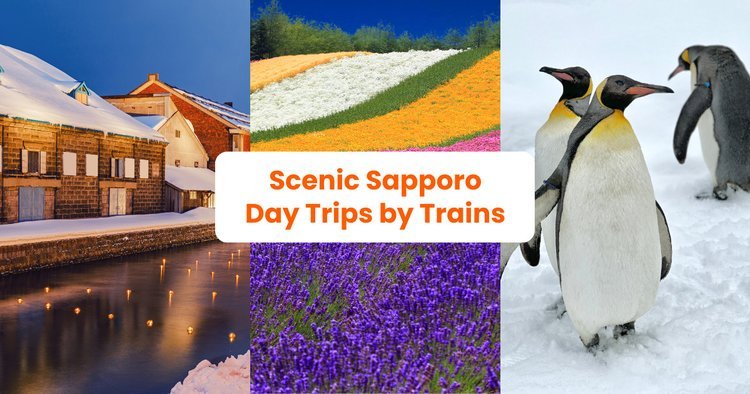
Sapporo is an excellent base for exploring nearby destinations in Hokkaido.
Otaru
Otaru is a historic port city known for its canal, old warehouses, glass shops, and seafood.
Its relaxed atmosphere makes it a popular day-trip option from Sapporo.
Noboribetsu
Noboribetsu is famous for its hot springs and volcanic landscapes.
Jigokudani, also known as Hell Valley, is one of the area’s best-known attractions. It offers dramatic scenery created by geothermal activity.
Furano
Furano is known for its beautiful countryside and seasonal flowers.
During warmer months, colorful fields attract visitors looking for scenic landscapes and photography opportunities.
Asahikawa
Asahikawa is another destination that can be considered for a longer Hokkaido itinerary. The city is known for attractions such as Asahiyama Zoo and its local food culture.
How Many Days Do You Need in Sapporo?
Three to four days is a good amount of time for many first-time visitors to Sapporo. This gives you enough time to explore the city’s main attractions, try local food, visit different neighborhoods, and enjoy Sapporo without making your itinerary too rushed. However, the ideal length of your trip depends on whether you want to focus only on the city or include nearby destinations.
One Day in Sapporo
If you only have one day, focus on the main attractions in central Sapporo. Start with Odori Park and visit nearby landmarks such as the Sapporo TV Tower and Sapporo Clock Tower.
You can then explore the shopping and entertainment areas around Susukino. Make time for a local meal, especially Sapporo miso ramen or another Hokkaido specialty.
One day is enough to get a quick introduction to Sapporo, but you will need to keep your itinerary focused.
Two Days in Sapporo
With two days, you can explore the city at a more comfortable pace. After visiting central attractions on your first day, spend your second day exploring places such as Hokkaido Shrine, Mt. Moiwa, and Nijo Market.
You can also dedicate more time to trying local restaurants, visiting shopping areas, and exploring neighborhoods outside the main tourist center.
Two days works well for travelers who are including Sapporo as part of a larger Japan itinerary.
Three to Four Days in Sapporo
Three to four days allows you to experience Sapporo more thoroughly. You can visit the major attractions while leaving time for museums, parks, shopping, local restaurants, and seasonal activities.
This length of stay also gives you the opportunity to take a day trip to Otaru or another nearby destination. Winter visitors may want additional time for snow-related activities and weather-dependent plans.
Sapporo Travel Tips
A few practical tips can make your trip to Sapporo more comfortable, especially if you are visiting for the first time. From changing weather to transportation and seasonal conditions, a little preparation can help you enjoy the city with fewer surprises.
Check the Weather Before Going Out
Sapporo experiences noticeable seasonal changes, so checking the weather forecast before heading out is a good habit. Winter can bring heavy snow and freezing temperatures, while summer is generally more comfortable for outdoor sightseeing.
If you are planning activities around parks, viewpoints, or nearby destinations, check the forecast and adjust your plans when necessary.
Wear Comfortable Shoes
Comfortable footwear is important because exploring Sapporo can involve plenty of walking. During winter, regular sneakers may not provide enough protection from snow and slippery surfaces.
Choose waterproof shoes or boots with good grip if you are visiting during snowy months. Warm socks can also make long days outdoors more comfortable.
Carry Cash
Although credit cards and electronic payments are widely accepted in Japan, some smaller restaurants, shops, and local businesses may still prefer cash.
Keeping some Japanese yen with you is useful, particularly when visiting smaller establishments or traveling outside central Sapporo.
Try Local Specialties
Food is an important part of the Sapporo experience. Instead of sticking only to familiar Japanese dishes, try local specialties such as Sapporo miso ramen, soup curry, fresh Hokkaido seafood, Jingisukan, and regional desserts.
Exploring local restaurants and food markets can also help you discover dishes that may not be as common elsewhere in Japan.
Plan Winter Travel Carefully
Winter travel requires additional planning. Snow and icy conditions can affect roads and transportation, so allow extra time when traveling between attractions.
Check transportation updates when necessary and avoid making your itinerary too tight.
Reserve Popular Hotels Early
Sapporo can become busy during major events, festivals, and peak travel periods. Popular hotels may fill quickly, particularly in convenient areas such as Sapporo Station, Odori, and Susukino.
Booking accommodation early can give you more choices and make it easier to find a hotel that fits your budget and preferred location.
Add transport and navigation tipsMake each tip more actionable
Is Sapporo Worth Visiting?
Sapporo is worth visiting for travelers who want to experience a different side of Japan.
The city combines modern urban attractions with Japanese traditions, seasonal scenery, excellent food, and easy access to Hokkaido’s natural landscapes.
Sapporo is particularly appealing during winter, but the city has something to offer throughout the year. Food lovers can explore its ramen and seafood scene, while outdoor enthusiasts can use the city as a starting point for exploring Hokkaido.
Its combination of attractions, accommodation choices, transportation, and nearby destinations also makes it suitable for both short vacations and longer Japan itineraries.
Must Read:
- Travel to Kuala Lumpur: Ultimate Travel Guide for Your Trip
- Travel to Berlin Germany: Best Places, Attractions & Travel Guide
- Travel to Budapest Hungary: Best Places to Visit, Food & Travel Tips
Final Thoughts:
Travel to Sapporo offers an opportunity to experience one of Japan’s most distinctive cities. From Odori Park and the Sapporo Clock Tower to Mt. Moiwa, Hokkaido Shrine, Susukino, and Nijo Market, the city has plenty of attractions to explore.
Food is another major highlight. Sapporo’s miso ramen, soup curry, seafood, Jingisukan, and Hokkaido dairy products can make your trip even more memorable.
Choosing a convenient area such as Sapporo Station, Odori, or Susukino can make sightseeing easier. Public transportation also makes it relatively simple to move around the city and explore nearby destinations. Whether you visit for snowy winter experiences, seasonal scenery, Japanese culture, local food, or a wider Hokkaido adventure, Sapporo can be an excellent addition to your Japan travel plans.