
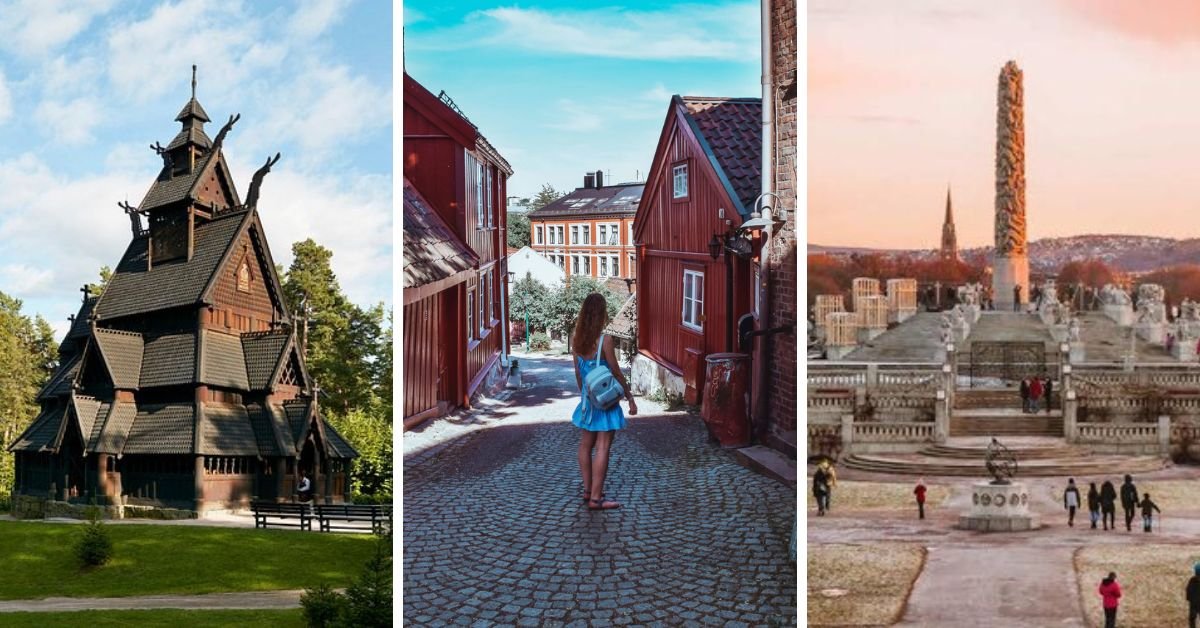
Planning to Travel to Oslo Norway is a great choice if you want to experience a European capital surrounded by nature. Oslo offers a refreshing combination of modern architecture, Viking history, world-class museums, scenic waterfront areas, green parks, and easy access to forests and islands. Unlike many large European cities, Oslo feels spacious and relaxed, with nature never seeming too far away.
Norway’s capital sits at the northern end of the Oslofjord, giving travelers opportunities to enjoy both city attractions and outdoor adventures during the same trip. You can explore historic landmarks in the morning, visit a fascinating museum in the afternoon, and watch the sunset beside the fjord in the evening.
Whether you are planning a short city break, a family vacation, a romantic getaway, or a longer Scandinavian adventure, Oslo has plenty to offer. This guide covers the best places to visit in Oslo, things to do, local food, neighborhoods, transportation, seasonal travel tips, and practical advice to help you plan an enjoyable Norwegian vacation.
Why Travel to Oslo Norway?
Oslo is different from many traditional European capitals because of its close relationship with nature. The city combines urban attractions with forests, waterways, islands, and outdoor recreation.
For travelers, that means you do not have to choose between a city vacation and an outdoor adventure. You can enjoy both.
Some of the biggest reasons to Travel to Oslo Norway include:
- Beautiful Oslofjord views
- Viking history and museums
- Modern Scandinavian architecture
- Historic landmarks
- Outdoor activities
- Excellent public transportation
- Parks and green spaces
- Norwegian cuisine
- Art and culture
- Easy access to nature
- Winter activities
- Scenic waterfront areas
Oslo is also a good starting point for exploring other parts of Norway. If you have additional time, you can continue your journey toward fjords, mountains, coastal towns, and other Scandinavian destinations.
Best Time to Travel to Oslo Norway
Oslo is a year-round destination, but the best time to visit depends on the experiences you want.
Summer in Oslo
Summer is one of the most popular seasons for visiting Oslo.
Long daylight hours make it possible to spend more time outdoors. You can explore parks, walk along the waterfront, take ferry trips, and enjoy outdoor cafés.
The weather is generally more suitable for sightseeing and outdoor activities than during the colder months.
Summer is ideal if you want to experience Oslo’s parks, islands, museums, and waterfront attractions.
Autumn in Oslo
Autumn brings colorful foliage and cooler temperatures.
The city’s parks and surrounding forests become particularly scenic as the leaves change.
It can be a wonderful season for travelers who enjoy photography, walking, museums, and a quieter atmosphere.
Pack layers because temperatures can vary throughout the day.
Winter in Oslo
Winter gives Oslo an entirely different personality.
Snow can transform the city and surrounding landscapes into a winter wonderland. Depending on conditions, visitors can enjoy skiing, skating, sledding, and other seasonal activities.
Winter is also a good time to explore museums and enjoy cozy cafés.
If you are hoping to see the Northern Lights, remember that Oslo is not among the strongest destinations in Norway for this experience. Northern Norway generally offers better opportunities.
Spring in Oslo
Spring brings longer days, blooming flowers, and gradually warmer weather.
It is a pleasant period for sightseeing and exploring the city’s outdoor spaces.
Because weather can remain unpredictable, carrying a light waterproof jacket is useful.
How Many Days Do You Need in Oslo?
For a first visit, three days in Oslo can provide a good introduction to the city.
With three days, you can explore the historic center, visit museums, walk along the waterfront, experience Norwegian food, and spend time in one of the city’s parks or nearby natural areas.
If you have four or five days, you can slow down and add additional museums, island excursions, hiking, or nearby attractions.
Suggested Three-Day Oslo Itinerary
Day 1: Explore the city center, Royal Palace, Karl Johans gate, Oslo Cathedral, and the waterfront.
Day 2: Visit the Viking or maritime museums, explore Bygdøy, and enjoy a relaxing evening.
Day 3: Visit the Oslo Opera House, explore the MUNCH museum, walk around Grünerløkka, and enjoy the Oslofjord.
This itinerary can be customized depending on your interests and the season.
Visit the Oslo Opera House
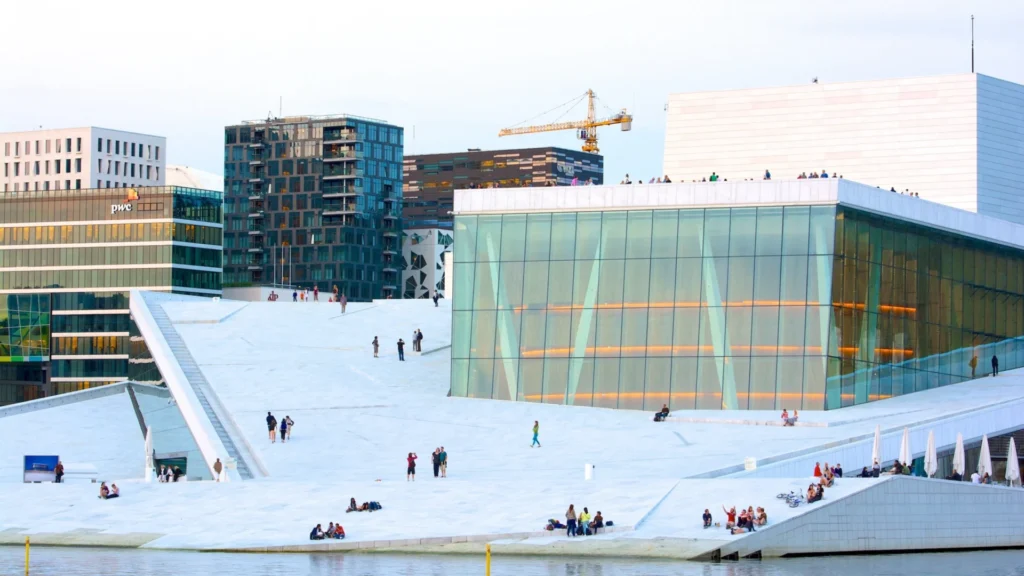
The Oslo Opera House is one of the city’s most recognizable modern landmarks.
Its distinctive architecture appears to rise directly from the waterfront. One of the best features for visitors is the sloping exterior, which allows people to walk up onto the roof.
From the top, you can enjoy views across parts of Oslo and the harbor.
You do not need to attend a performance to appreciate the building.
The Opera House is particularly impressive around sunrise or sunset when the waterfront atmosphere becomes especially beautiful.
Explore the Royal Palace
The Royal Palace is located at the end of Karl Johans gate and is an important landmark in central Oslo.
The surrounding park provides a pleasant place for a walk.
During certain periods of the year, guided tours may allow visitors to explore parts of the palace interior. Check current opening schedules before planning your visit because access can vary seasonally.
The palace is also conveniently located near several other central attractions, making it easy to include in a walking itinerary.
Walk Along Karl Johans Gate
Karl Johans gate is one of Oslo’s main streets and connects several important landmarks.
A walk along this route allows you to experience central Oslo while passing shops, restaurants, historic buildings, and public spaces.
It is a good area to explore if you want to get a feel for the city rather than moving directly between individual attractions.
Take your time, stop at a café, and explore some of the side streets.
Explore Akershus Fortress
Akershus Fortress is one of Oslo’s most important historical landmarks.
The medieval fortress has played an important role in Norway’s history and offers visitors a chance to explore historic buildings and defensive structures.
The fortress is also located near the waterfront, so you can combine a visit with a walk around the harbor.
History enthusiasts should allow enough time to explore the site rather than simply taking a quick photograph.
Discover the Oslofjord
The Oslofjord is one of the defining features of the city.
You do not need to travel far outside Oslo to experience the water. Several islands and coastal areas can be reached by local transportation.
A ferry ride can be a relaxing way to see Oslo from a different perspective.
Depending on the season and weather, you can enjoy:
- Scenic ferry rides
- Island walks
- Swimming
- Picnics
- Photography
- Kayaking
- Boat tours
Summer is especially popular for exploring the fjord.
Visit Bygdøy
Bygdøy is a peninsula known for its museums, beaches, walking paths, and residential surroundings.
It is one of the best areas to visit if you want to combine culture and nature.
Several major museums are located here, making it possible to spend most of a day exploring the peninsula.
You can reach Bygdøy by public transportation, and seasonal boat services may also be available.
Explore Norway’s Viking History
Norway’s Viking heritage is one of the country’s most fascinating cultural subjects.
Oslo has several attractions connected to Norwegian maritime and Viking history.
The Viking-related museums and exhibitions provide insight into how people lived, traveled, traded, and explored during the Viking Age.
Because museums can change exhibitions or undergo renovations, check current visitor information before your trip.
If you are particularly interested in history, consider dedicating a full day to Oslo’s museums.
Visit the Fram Museum
The Fram Museum is a must-see attraction for travelers interested in polar exploration.
It focuses on the famous Norwegian polar exploration ship Fram and the expeditions associated with it.
The museum provides an engaging look at the challenges faced by explorers traveling through some of the world’s most extreme environments.
It is located on Bygdøy, so it can easily be combined with other museums in the area.
Discover the Kon-Tiki Museum
The Kon-Tiki Museum tells the story of Thor Heyerdahl’s famous expeditions.
The museum includes artifacts and exhibits connected with his exploration journeys.
It is another excellent choice for travelers interested in exploration, maritime history, and adventure.
Visiting the Kon-Tiki Museum alongside the Fram Museum creates a fascinating day focused on Norway’s strong relationship with the sea and exploration.
Explore the MUNCH Museum
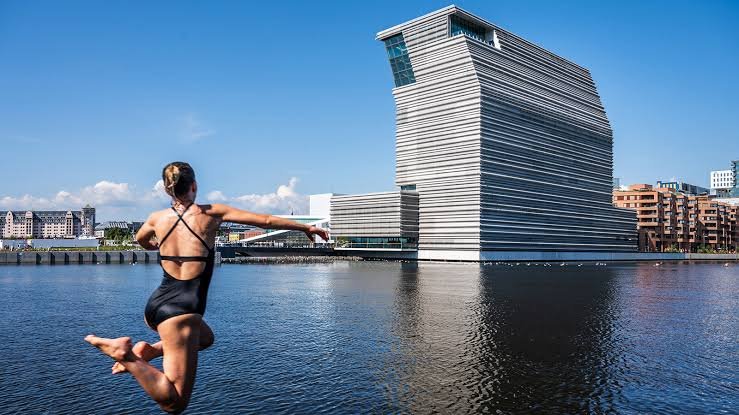
Art lovers should include the MUNCH Museum in their Oslo itinerary.
The museum is dedicated to Norwegian artist Edvard Munch and houses an extensive collection connected with his work and artistic legacy.
The modern museum building is itself an architectural landmark on Oslo’s waterfront.
If you enjoy art, photography, and modern architecture, this is one of the city’s most worthwhile attractions.
Visit Vigeland Sculpture Park
Vigeland Sculpture Park is located inside Frogner Park and is one of Oslo’s most popular outdoor attractions.
The park features a large collection of sculptures created by Gustav Vigeland.
The combination of art, landscaping, pathways, and open space makes it an enjoyable place to walk.
Unlike a traditional indoor museum, the park allows visitors to experience art while enjoying the outdoors.
During warmer months, it is an excellent place for a leisurely afternoon.
Explore Grünerløkka
If you want to experience a more creative and relaxed side of Oslo, spend some time in Grünerløkka.
The neighborhood is known for independent cafés, restaurants, vintage shops, galleries, street art, and a youthful atmosphere.
It is a good place to take a break from major tourist attractions.
Grab a coffee, browse local shops, and walk along the streets to experience a more everyday side of Oslo.
Experience Norwegian Food
Food is an important part of any trip, and Oslo provides opportunities to experience traditional Norwegian cuisine alongside modern Nordic cooking.
Some foods worth trying include:
Norwegian Salmon
Norway is famous for salmon, and you will find it prepared in many different ways.
You can enjoy smoked, grilled, cured, or otherwise prepared salmon depending on the restaurant.
Brown Cheese
Norwegian brown cheese, known as brunost, has a distinctive sweet and caramel-like flavor.
It is often served with bread or waffles and is an interesting food to try if you want something uniquely Norwegian.
Norwegian Waffles
Norwegian waffles are usually thinner and softer than some other European versions.
They are often served with brown cheese, jam, sour cream, or other toppings.
They make a great snack during a sightseeing day.
Fish Soup
Traditional Norwegian fish soup is another dish worth trying.
It is especially comforting during cooler weather.
Reindeer
Reindeer meat is part of traditional cuisine in northern Norway and can appear on menus in Oslo as well.
If you are interested in trying regional Norwegian food, ask restaurants about local preparation and sourcing.
Take a Walk Around Aker Brygge
Aker Brygge is a popular waterfront district filled with restaurants, shops, cafés, and public spaces.
The area is particularly enjoyable on sunny days.
You can walk along the harbor, sit outside at a restaurant, and enjoy views of boats and the Oslofjord.
Nearby attractions make it easy to combine Aker Brygge with a broader waterfront itinerary.
Visit Tjuvholmen
Tjuvholmen is another modern waterfront neighborhood.
It is known for contemporary architecture, restaurants, galleries, and access to the Astrup Fearnley Museum.
The area is a good example of Oslo’s transformation into a modern Scandinavian waterfront city.
Architecture enthusiasts should spend some time walking around the district.
Enjoy Oslo’s Outdoor Activities
One of the biggest advantages of traveling to Oslo is the city’s easy access to nature.
You do not need to travel several hours to find forests and outdoor recreation.
Depending on the season, you can enjoy:
- Hiking
- Cycling
- Skiing
- Cross-country skiing
- Kayaking
- Swimming
- Boating
- Walking
- Island hopping
Hiking Around Oslo
The forests surrounding Oslo offer numerous walking and hiking opportunities.
Nordmarka is one of the most popular areas for outdoor recreation.
In summer, it is excellent for hiking and cycling. During winter, the same landscape can become popular for cross-country skiing.
Always check trail conditions and weather before heading into nature.
Experience Oslo in Winter
If you enjoy winter travel, Oslo offers plenty of seasonal activities.
You can visit Christmas markets, drink hot chocolate in cozy cafés, explore museums, or head outside for snow-based adventures.
Cross-country skiing is particularly important in Norwegian culture.
Skiing opportunities around Oslo can make the city appealing to travelers who want to experience an authentic Scandinavian winter.
However, winter days are shorter, so plan outdoor sightseeing carefully.
Oslo Travel Tips for First-Time Visitors
A little preparation can make your trip more comfortable.
Use Public Transportation
Oslo has an efficient public transportation system that includes buses, trams, metro services, and ferries.
Public transportation is particularly useful for reaching attractions outside the central walking area.
Check current routes, fares, and ticket options before traveling because transportation information can change.
Wear Comfortable Shoes
Walking is one of the best ways to experience central Oslo.
Comfortable waterproof footwear can be especially useful during rainy or snowy periods.
Prepare for Changing Weather
Norwegian weather can change quickly.
Even during summer, carrying a light waterproof layer is a smart idea.
In winter, proper thermal layers and warm footwear are essential.
Consider an Oslo Pass
Depending on your itinerary, a city sightseeing pass may provide savings on museums and transportation.
Before purchasing one, calculate the cost based on the attractions you actually plan to visit.
Passes and included attractions can change, so always check current details before buying.
Carry a Card
Norway is highly card-friendly, and electronic payments are widely accepted.
However, it is still useful to keep a small amount of local currency available for situations where cash may be needed.
Is Oslo Expensive?
Oslo is not generally considered a budget destination.
Accommodation, restaurants, attractions, and transportation can be relatively expensive compared with many other European cities.
However, you can control your budget with some planning.
Choose accommodation outside the most expensive central areas, use public transportation, visit free public spaces, shop at supermarkets for some meals, and prioritize the attractions that interest you most.
Walking around the city, visiting parks, and enjoying the waterfront can also provide memorable experiences without a large expense.
Where to Stay in Oslo
Choosing the right neighborhood depends on your travel style.
Sentrum
Oslo’s central area is convenient for first-time visitors.
You will be close to major attractions, restaurants, shopping streets, and public transportation.
Grünerløkka
This neighborhood is ideal for travelers who enjoy cafés, independent shops, street art, and nightlife.
Aker Brygge
Aker Brygge is a good choice if you enjoy waterfront dining, modern architecture, and an upscale atmosphere.
Majorstuen
Majorstuen offers convenient transportation connections and access to Frogner Park.
It can be a practical choice for travelers who want a quieter residential atmosphere while remaining connected to central Oslo.
Is Oslo Family-Friendly?
Yes, Oslo can be an excellent destination for families.
Children can enjoy museums, parks, ferries, beaches, outdoor activities, and interactive attractions.
The city is relatively easy to navigate, and the combination of urban attractions and outdoor experiences means families can create varied itineraries.
Avoid scheduling too many museums in one day. Mix cultural attractions with parks, waterfront walks, and outdoor activities to keep younger travelers engaged.
Is Oslo Good for Couples?
Oslo offers plenty of experiences for couples.
You can take a romantic walk beside the Oslofjord, enjoy dinner overlooking the water, explore museums together, or take a ferry to one of the nearby islands.
A sunset walk around the Opera House or Aker Brygge can also be a simple but memorable experience.
During winter, cozy cafés and snowy parks create a completely different romantic atmosphere.
Responsible Travel in Oslo
Norway places strong emphasis on its natural environment, and visitors should do the same.
When exploring forests, islands, parks, and hiking areas:
- Take your rubbish with you.
- Stay on marked trails where required.
- Respect wildlife.
- Avoid damaging plants.
- Follow local regulations.
- Use designated swimming and camping areas.
- Respect residential communities.
Responsible tourism helps protect the landscapes that make Oslo such a special destination.
What to Pack for Oslo
Your packing list should depend heavily on the season.
For summer, consider:
- Comfortable walking shoes
- Lightweight layers
- Waterproof jacket
- Sunglasses
- Sunscreen
- Daypack
- Reusable water bottle
For winter, add:
- Warm insulated jacket
- Thermal layers
- Gloves
- Hat
- Scarf
- Waterproof boots
- Warm socks
If hiking or spending significant time outdoors, pack appropriate equipment based on the season and trail conditions.
Common Mistakes to Avoid When Visiting Oslo
Underestimating the Weather
Even if the forecast looks mild, conditions can change.
Layers and rain protection are useful throughout much of the year.
Spending Your Entire Trip Indoors
Oslo’s museums are excellent, but the city’s relationship with nature is one of its greatest attractions.
Make time for parks, waterfront areas, forests, or islands.
Trying to Do Too Much
You do not need to visit every museum in a single weekend.
Choose a few attractions that match your interests and leave time to enjoy the city itself.
Ignoring Transportation Options
Oslo’s public transportation can help you reach attractions that are too far to walk.
Understanding the network before your trip can save time and reduce unnecessary expenses.
Must Read:
- Travel to Warsaw Poland: Top Attractions, Hotels & Travel Tips
- Travel to Tallinn Estonia: Book Flights, Hotels & Attractions
- Travel to Porto: Top Attractions, Food & Travel Tips
Final Thoughts:
Travel to Oslo Norway if you want a destination where modern city life and beautiful nature exist side by side.
From the iconic Oslo Opera House and historic Akershus Fortress to the fascinating museums of Bygdøy, the city’s attractions offer plenty of opportunities to learn about Norwegian history, culture, art, and exploration.
At the same time, Oslo’s parks, forests, islands, and fjord provide countless ways to enjoy the outdoors.
A three-day trip is enough to experience many of the city’s highlights, while four or five days give you more time to explore neighborhoods, museums, and nearby natural areas without rushing.
The best way to experience Oslo is to create a balanced itinerary. Spend part of your trip exploring cultural attractions, then slow down with a waterfront walk, a meal featuring Norwegian cuisine, or an outdoor adventure.
Whether you visit during the bright days of summer, the colorful autumn season, or the snowy months of winter, Oslo offers a distinctive Scandinavian travel experience.
With comfortable clothing, thoughtful planning, and a willingness to explore beyond the main tourist attractions, Travel to Oslo Norway can be a memorable journey filled with history, culture, nature, food, and adventure.