
Kenya is one of Africa’s most complete travel destinations, offering powerful wildlife experiences, stunning tropical beaches, and deeply rooted cultural traditions. What makes Kenya special is not just the variety, but how naturally these experiences connect.
A single journey can include game drives across open savannahs, peaceful days by the Indian Ocean, and meaningful encounters with communities that preserve centuries old customs. This balance makes Kenya appealing to travellers who want depth, authenticity, and variety in one destination.
Why Kenya Is a Standout Travel Destination
Kenya combines natural beauty, biodiversity, and cultural richness in a way few countries can match. Its landscapes range from arid plains and volcanic valleys to lush highlands and coral lined coastlines. At the same time, Kenya is home to over forty ethnic communities, each contributing to the country’s identity.
A Country of Contrasts
Modern cities sit near wildlife reserves. Traditional villages exist alongside growing creative industries. These contrasts create a travel experience that feels dynamic and real rather than staged.
Ideal for First Time and Experienced Travellers
Kenya’s infrastructure, guided experiences, and hospitality make it accessible for first time visitors to Africa, while its depth continues to reward experienced travellers.
Kenya Safaris: The Heart of the Experience
Safaris are central to Kenya’s global reputation. The country offers some of the most reliable wildlife viewing in the world, supported by strong conservation practices.
What Makes Kenyan Safaris Unique
Kenyan safaris take place in open landscapes that allow wide views and close observation of animals in their natural habitats. Wildlife encounters often feel unfiltered and emotional, especially during early morning and sunset game drives.
Types of Safari Experiences
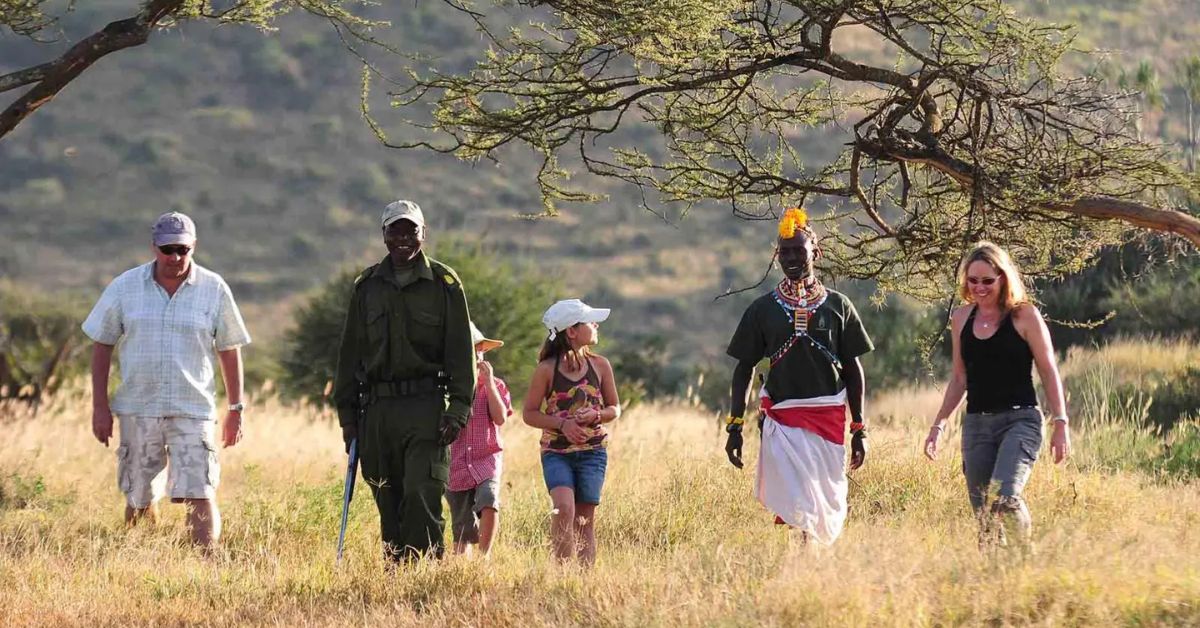
Travellers can choose from classic game drives, walking safaris, hot air balloon rides, and community based conservancy visits, each offering a different perspective on wildlife.
Maasai Mara: Iconic Wildlife Encounters
The Maasai Mara National Reserve is Kenya’s most famous safari region.
The Great Migration
Every year, millions of wildebeest and zebras cross the plains in search of fresh grazing. River crossings and predator encounters make this one of the most dramatic wildlife events on Earth.
Year Round Wildlife Viewing
Even outside migration season, the Maasai Mara offers excellent sightings of lions, cheetahs, elephants, and giraffes, supported by its open terrain and healthy ecosystems.
Amboseli National Park: Elephants and Open Skies
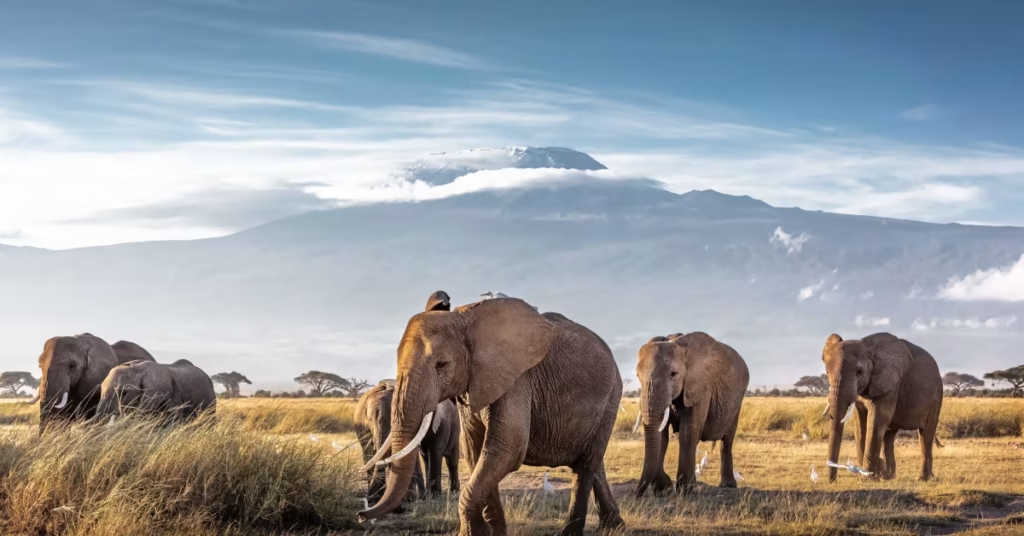
Amboseli National Park is celebrated for its wide open plains, dramatic skies, and some of Africa’s largest elephant herds. The park feels calm and spacious, allowing travellers to observe wildlife without visual barriers. Its vast landscapes create powerful safari moments that feel natural, intimate, and deeply connected to the surrounding environment.
Photography and Landscape
Amboseli is one of Kenya’s most photogenic parks. Mount Kilimanjaro often appears in the distance, creating iconic backdrops for wildlife photography. The flat terrain makes animals easy to spot and observe, while changing light throughout the day adds depth and contrast to every scene captured.
Birdlife and Wetlands
Seasonal wetlands attract a wide variety of bird species alongside grazing animals. Flamingos, herons, and waterfowl appear during wetter months, adding colour and movement. These wetlands balance the focus on large mammals, offering birdwatchers and nature lovers a richer, more diverse experience.
Tsavo National Parks: Raw and Untamed Kenya
Tsavo East and Tsavo West together form one of Africa’s largest protected wilderness areas. These parks feel remote and expansive, offering a strong sense of adventure. With fewer crowds and wide open spaces, Tsavo appeals to travellers who value solitude, exploration, and a more rugged safari atmosphere.
A Sense of Wilderness
Tsavo’s vast scale creates a powerful feeling of isolation. Long drives through open terrain and fewer vehicles allow wildlife encounters to feel spontaneous and earned. This sense of wilderness suits adventurous travellers seeking an authentic safari experience away from busy tourist routes.
Unique Natural Features
Red soil, ancient lava flows, rocky hills, and diverse habitats define Tsavo’s landscape. These dramatic features shape wildlife movement and create striking scenery. The rugged terrain gives safaris here a raw, untamed character that feels deeply immersive.
Kenya’s Rift Valley and Lake Regions
The Great Rift Valley adds geological drama and ecological diversity to Kenyan travel. Escarpments, lakes, and volcanic features create striking landscapes. This region combines wildlife viewing with scenic exploration, offering insight into Kenya’s natural history beyond traditional savannah safaris.
Lake Nakuru National Park
Lake Nakuru National Park is famous for birdlife, rhinos, and panoramic lake views framed by steep escarpments. Flamingos and pelicans gather seasonally, while conservation efforts make the park important for protecting endangered species.
Scenic and Educational Value
The Rift Valley appeals to travellers interested in landscapes and conservation. Geological formations, diverse ecosystems, and educational opportunities make this region ideal for birdwatchers, photographers, and travellers seeking a deeper understanding of Kenya’s environment.
Responsible and Community Based Safaris
Kenya is widely recognised for its leadership in ethical tourism. Responsible safaris focus on conservation, community involvement, and sustainable practices. Travellers can enjoy meaningful wildlife encounters while knowing their visit supports environmental protection and local livelihoods.
Community Conservancies
Community conservancies allow local people to manage land alongside wildlife protection. Tourism revenue supports education, healthcare, and infrastructure, ensuring benefits reach residents directly while preserving habitats and wildlife corridors.
Conservation Impact
Many safari lodges actively fund wildlife protection, education, and healthcare initiatives. Anti poaching efforts, habitat restoration, and community projects are often supported by tourism income, allowing travellers to contribute positively through responsible travel choices.
Kenya Beaches: A Change of Pace
Kenya’s Indian Ocean coastline offers a calm contrast to safari adventures. Soft white sands, warm waters, and relaxed rhythms provide rest and reflection. Coastal destinations help balance active inland travel with peaceful seaside experiences.
Climate and Coastal Lifestyle
Warm temperatures, steady breezes, and slower daily routines define life along the coast. Days move gently with the sun and tides, encouraging relaxation and unhurried exploration in a naturally soothing environment.
Diani Beach: Tropical Calm and Comfort
Diani Beach is known for palm lined shores, clear turquoise waters, and a tranquil atmosphere. The beach offers comfort, natural beauty, and easy access to both relaxation and light adventure.
Activities and Relaxation
Snorkelling, diving, and dhow sailing are popular coastal activities. Beachside dining, spa treatments, and wellness retreats support slow travel. These experiences allow travellers to unwind fully while enjoying Kenya’s coastal charm.
Watamu: Marine Life and Conservation
Watamu is a quiet coastal destination ideal for travellers who value nature and sustainability. Known for its peaceful atmosphere, Watamu attracts eco focused visitors rather than crowds. The area combines beautiful beaches with strong conservation values, creating a relaxed environment where marine life and responsible tourism exist side by side.
Marine Park Experiences
Watamu Marine National Park protects coral reefs, sea turtles, and vibrant tropical fish. Snorkelling and diving here offer clear views of healthy marine ecosystems. Calm waters and guided experiences make it suitable for beginners and experienced divers, while maintaining strong environmental protections that preserve underwater biodiversity.
Sustainable Tourism
Conservation projects are central to Watamu’s identity. Local initiatives focus on reef protection, turtle rescue, and sustainable fishing practices. Visitors support these efforts through eco lodges and guided activities, ensuring tourism helps protect marine ecosystems rather than damage them.
Mombasa: Coastal History and Culture
Mombasa blends beach life with deep historical roots shaped by centuries of trade. As Kenya’s main port city, Mombasa reflects African, Arab, Indian, and European influences. Its culture feels layered and vibrant, offering travellers both coastal relaxation and meaningful historical exploration.
Swahili Architecture and Trade History
Mombasa’s Old Town, Fort Jesus, and carved wooden doors reveal centuries of Indian Ocean trade. Narrow streets and coral stone buildings reflect Swahili architectural traditions, while historic sites tell stories of merchants, explorers, and cultural exchange that shaped the East African coast.
Coastal Cuisine
Coastal food in Mombasa reflects Swahili culture. Spiced seafood, coconut based curries, rice dishes, and grilled fish dominate local menus. These flavours highlight the blend of African and Asian influences, making food an important part of cultural discovery along the coast.
Kenya’s Cultural Diversity
Kenya’s cultural richness is as powerful as its wildlife and landscapes. With more than forty ethnic communities, culture here is diverse and deeply rooted. Traditions are not performed only for visitors but practised daily through language, clothing, food, and social customs across the country.
Living Traditions
Kenyan culture is lived, not displayed. Everyday life includes traditional dress, greetings, rituals, and storytelling. These practices pass values between generations, allowing travellers to witness culture as part of daily routines rather than staged experiences.
The Maasai Community
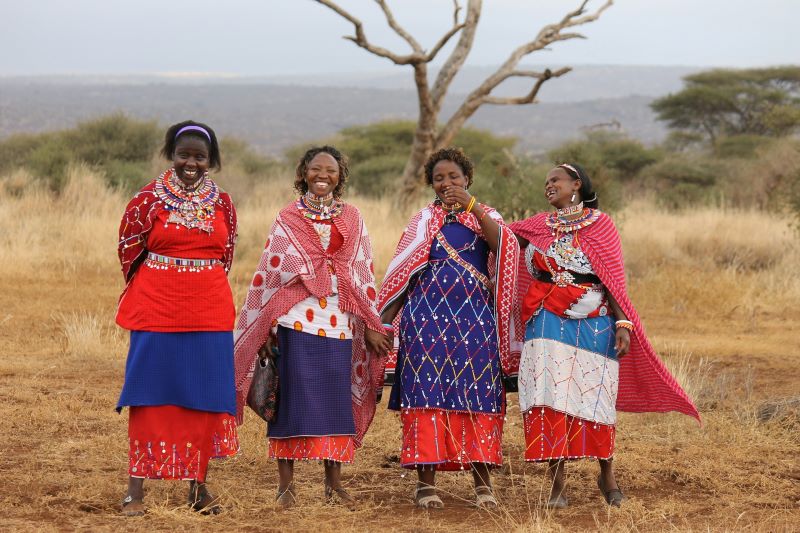
The Maasai people are among Kenya’s most recognised communities. Known for distinctive dress and strong traditions, the Maasai maintain a deep connection to land and livestock. Their cultural identity remains resilient despite modern influences and changing landscapes.
Cultural Values
Strong ties to land, cattle, and community define Maasai life. Social structure, ceremonies, and daily practices reflect respect for tradition and collective responsibility. These values shape how the Maasai interact with both nature and neighbouring communities.
Responsible Cultural Visits
Community led visits allow travellers to learn respectfully about Maasai life. These experiences prioritise consent, education, and fair compensation, ensuring cultural exchange benefits communities without exploitation or loss of dignity.
Other Kenyan Communities
Kikuyu, Luhya, and Luo
Communities such as the Kikuyu people, Luhya people, and Luo people each contribute unique traditions. Farming, fishing, music, and ceremonies vary by region, adding depth to Kenya’s cultural identity beyond safari imagery.
Regional Identity
Understanding Kenya’s ethnic diversity helps travellers appreciate regional differences in language, food, music, and customs. This awareness transforms travel from sightseeing into cultural connection and respect.
Music, Dance, and Storytelling
Traditional performance plays a vital role in Kenyan life. Music, dance, and storytelling preserve history, celebrate milestones, and strengthen community bonds. These art forms connect generations and remain central to cultural expression across the country.
Cultural Expression
Dance and music mark celebrations, rites of passage, and communal gatherings. Rhythms, movement, and song vary by community, reflecting regional identity and shared values.
Oral History
Storytelling preserves history, morals, and cultural memory. Passed verbally through generations, these stories keep traditions alive and help communities maintain a strong sense of identity and continuity.ross generations.
Kenyan Cuisine: Food Rooted in Community
Kenyan cuisine is shaped by geography, climate, and community life. Food here is practical, nourishing, and deeply social. Ingredients come from the land and sea, and recipes are passed through families rather than written down. Eating in Kenya is less about presentation and more about connection, sharing, and everyday tradition.
Everyday Dishes
Staples like ugali, sukuma wiki, nyama choma, and coastal seafood form the backbone of Kenyan diets. These dishes are simple, filling, and widely eaten across the country. Preparation methods vary by region, but the focus remains on freshness, balance, and meals that sustain both body and community.
Social Eating
Meals in Kenya are often shared, reinforcing hospitality and togetherness. Families and friends eat from common plates, talk freely, and take time over food. This shared approach turns eating into a social experience, helping visitors feel welcomed and included rather than treated as outsiders.
Urban Kenya: Modern Life and Creativity
Urban Kenya reveals a dynamic and evolving side of the country. Cities balance tradition with innovation, offering culture, food, and creativity in modern settings. Travellers exploring urban areas gain insight into how Kenya is shaping its future while staying connected to its roots.
Nairobi: A Contemporary African Capital
Nairobi showcases Kenya’s modern energy. The city blends business, culture, and social life, with neighbourhoods that feel lively and diverse. Cafés, markets, and creative spaces reflect a growing middle class and a confident urban identity.
Art and Innovation
Nairobi’s restaurants, galleries, and markets highlight a strong creative scene. Chefs reinterpret local flavours, artists address social themes, and designers draw from tradition and modern life. This creativity shows how Kenyan culture continues to evolve rather than remain fixed in the past.
Nature Within the City
Nairobi National Park sits just outside the city centre, offering wildlife views alongside skyscrapers. This rare setting highlights Kenya’s unique balance, where modern urban life and natural heritage exist side by side.
Best Time to Visit Kenya
Kenya is a year round destination, but timing affects the type of experience travellers enjoy. Weather patterns influence wildlife movement, beach conditions, and overall travel comfort, making seasonal planning important for first time visitors.
Safari Seasons
The dry months from June to October and January to February offer the best wildlife viewing. Animals gather around water sources, vegetation is thinner, and roads are easier to navigate. These periods are ideal for classic safari experiences and photography.
Beach Travel
Kenya’s coast remains appealing most of the year, with warm temperatures and steady sea breezes. The Indian Ocean beaches are especially enjoyable during dry seasons, offering calm waters, clear skies, and relaxed coastal living suitable for rest after safaris.
Practical Travel Tips
- Respect wildlife and local customs
- Dress modestly in rural and coastal areas
- Support local guides and businesses
- Learn basic Swahili greetings
Who Should Visit Kenya
Kenya is ideal for:
- Wildlife enthusiasts
- Beach lovers seeking cultural depth
- Ethical and responsible travellers
- Families, couples, and solo explorers
Must Read:
- Vacation Guide to Italy for Food and Culture Lovers
- Why France Is Perfect for a Romantic Getaway?
- Planning the Perfect Trip to Switzerland
Final Thoughts:
Kenya offers more than scenery. It offers understanding. Safaris reveal the power of nature, beaches provide balance, and culture adds meaning.
Together, they create a journey that feels complete and deeply human. Exploring Kenya leaves travellers with lasting memories and a genuine connection to land, people, and wildlife.