
Utah National Parks feel almost unreal the first time you see them. Towering red rock cliffs, natural stone arches, deep canyons, narrow slot trails, and vast desert landscapes stretch as far as the eye can see. This is not a place you simply visit. It is a place you experience slowly, mile by mile, viewpoint by viewpoint.
Utah is home to five world-famous national parks, often called The Mighty Five. Each park is distinct in landscape, mood, and adventure style. Together, they create one of the most concentrated collections of natural beauty anywhere in the United States.
This guide is designed to help you plan a meaningful, well-paced visit to Utah National Parks. Whether you are planning a road trip, a family vacation, or a hiking-focused adventure, you will find everything you need here, from park overviews to timing tips and practical planning advice.
Why Utah National Parks Are So Special?
Utah National Parks stand out because of their diversity packed into a relatively small region. Within a single trip, you can explore narrow river canyons, walk beneath massive arches, stand at canyon rims that stretch for miles, and hike through landscapes shaped by millions of years of erosion.
What Sets Utah National Parks Apart?
One of the biggest advantages of Utah National Parks is accessibility. Many of the most iconic views require little to no hiking. Scenic drives, overlooks, and short trails allow visitors of all fitness levels to experience dramatic scenery.
Utah also benefits from a dry climate, which means more predictable weather and fewer rain disruptions than many other national park regions. This makes trip planning easier and outdoor activities more reliable.
The Mighty Five: Utah National Parks Overview
Utah’s five national parks are all located in the southern half of the state. While each park can be visited independently, many travelers choose to explore several parks in one road trip.
The five Utah National Parks are:
- Zion National Park
- Bryce Canyon National Park
- Arches National Park
- Canyonlands National Park
- Capitol Reef National Park
Each park offers a different perspective on Utah’s geology and history.
1. Zion National Park
Zion National Park is often the first stop for travelers visiting Utah National Parks, and for good reason. The park feels immersive from the moment you enter. Massive canyon walls rise straight up from the valley floor, creating a dramatic and almost enclosed landscape.
What Makes Zion Unique
Zion Canyon was carved by the Virgin River, and unlike many desert parks, Zion features flowing water, shaded trails, and lush vegetation along the canyon floor. The contrast between greenery and red rock cliffs is striking.
Top Experiences in Zion
Visitors can enjoy riverside walks, scenic viewpoints, and hikes that range from easy to challenging. Even if you do not plan to hike long distances, simply riding the park shuttle and stopping at viewpoints delivers an unforgettable experience.
Best Time to Visit Zion
Spring and fall are the most comfortable seasons. Summer brings intense heat and heavy crowds, while winter offers fewer visitors but limited access to some areas.
2. Bryce Canyon National Park
Bryce Canyon National Park feels like stepping into a natural amphitheater filled with thousands of towering rock spires called hoodoos. The park’s unique geology makes it one of the most visually striking Utah National Parks.
Why Bryce Canyon Is Different
Bryce Canyon sits at a higher elevation than most Utah parks. This means cooler temperatures, sweeping views, and dramatic color changes during sunrise and sunset.
Things to Do in Bryce Canyon
Walking along the rim provides incredible views with minimal effort. For those who want to go deeper, short trails descend into the hoodoo formations, offering an entirely different perspective.
Seasonal Considerations
Snow is common in winter, but the park remains open year-round. Spring through early fall is ideal for most visitors.
3. Arches National Park

Arches National Park is home to more than 2,000 natural stone arches, making it one of the most geologically fascinating parks in the world.
What Makes Arches So Popular
Many of the park’s most famous formations are accessible via short walks, making Arches appealing to casual visitors and photographers alike. The red sandstone formations glow during sunrise and sunset, creating iconic scenes.
Must-See Areas in Arches
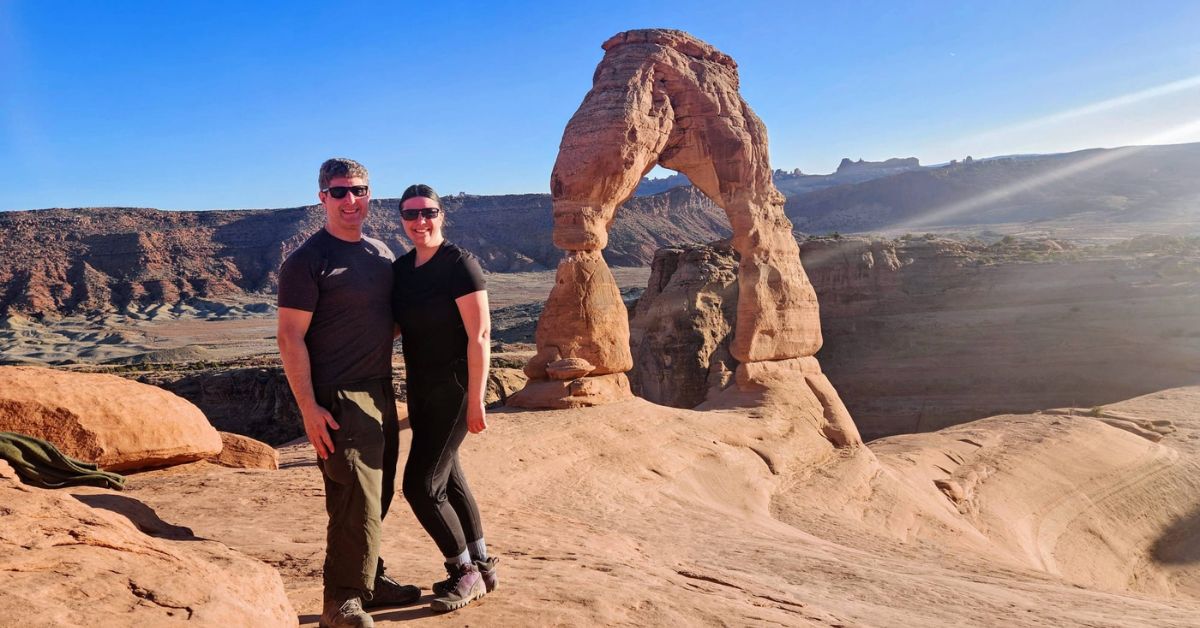
Delicate Arch, Balanced Rock, and the Windows Section are among the most recognizable landmarks in Utah National Parks. Each showcases a different stage of erosion and natural formation.
Visiting Tips
Timed entry systems are often used during peak seasons. Visiting early in the morning or later in the afternoon helps avoid crowds and extreme heat.
4. Canyonlands National Park
Canyonlands National Park is vast, rugged, and less crowded than some of the other Utah National Parks. It is divided into multiple districts, each offering a unique experience.
Island in the Sky District
This is the most accessible area, known for its sweeping overlooks and short hikes. The views stretch for miles, offering a sense of scale that few parks can match.
Other Districts
The Needles district offers longer hikes and colorful rock formations, while The Maze is extremely remote and suited only for experienced adventurers.
Best Time to Visit Canyonlands
Spring and fall provide the best conditions. Summer heat can be intense, especially in exposed areas.
5. Capitol Reef National Park
Capitol Reef National Park is often overlooked, which makes it one of the most peaceful and rewarding Utah National Parks to visit.
What Makes Capitol Reef Special
The park centers around the Waterpocket Fold, a massive geological formation that runs for nearly 100 miles. Historic orchards and scenic drives add to its charm.
Things to Do in Capitol Reef
Visitors can explore short trails, scenic overlooks, and historic sites. In season, fruit picking in the orchards is a unique experience found nowhere else in the national park system.
Crowd Levels
Capitol Reef is typically less crowded than Zion or Arches, even during peak seasons.
Best Time to Visit Utah National Parks
Timing plays a major role in how much you enjoy Utah National Parks. Weather, crowd levels, road access, and hiking conditions can vary dramatically by season. Choosing the right time to visit can mean the difference between a relaxed, scenic experience and a trip filled with heat, congestion, or limited access. Each season offers its own advantages, depending on what kind of experience you are looking for.
1. Spring (March to May)
Spring is one of the most popular times to visit Utah National Parks, especially from late April through May. Temperatures are generally mild, making hiking and sightseeing far more comfortable than in summer. Desert wildflowers begin to bloom, adding color to the red rock landscapes.
Snowmelt can enhance waterfalls and flowing streams, particularly in Zion National Park, creating rare seasonal scenery. Early spring may still bring snow at higher elevations, especially in Bryce Canyon, so flexibility is important.
2. Summer (June to August)
Summer brings long daylight hours and full access to most park roads and trails, but it also comes with intense heat. Daytime temperatures in parks like Arches and Canyonlands can exceed safe hiking levels. Early morning starts and late afternoon exploration are essential.
Summer is also the busiest season, so expect crowds and limited parking. Despite the challenges, summer works well for travelers focused on scenic drives rather than strenuous hikes.
3. Fall (September to November)
Fall is widely considered the best season to visit Utah National Parks. Temperatures are comfortable, crowds thin out after summer, and lighting conditions are excellent for photography. Hiking becomes more enjoyable, and weather is generally stable.
September and October are especially popular months for travelers seeking balanced conditions across all five parks.
4. Winter (December to February)
Winter offers a quieter, more dramatic side of Utah National Parks. Snow transforms landscapes in Bryce Canyon National Park, creating striking contrasts against red rock formations. Visitor numbers are low, but snow and ice can limit trail access and road conditions. Winter travel requires preparation, flexibility, and awareness of weather forecasts.
Planning a Utah National Parks Road Trip

A road trip is the most popular way to experience Utah National Parks.
Suggested Route
Many travelers start in Zion, continue to Bryce Canyon, then head east toward Capitol Reef, Arches, and Canyonlands. This route minimizes backtracking and showcases changing landscapes.
How Much Time You Need
A minimum of seven days allows for a rushed overview. Ten to fourteen days is ideal for a balanced experience that includes hiking, scenic drives, and rest.
Entrance Fees and Park Passes
Understanding entrance fees and park passes is an important part of planning a visit to Utah National Parks. These fees help fund conservation, infrastructure, and visitor services that keep the parks accessible and well maintained throughout the year.
1. Entrance Fees for Utah National Parks
All Utah National Parks charge an entrance fee, usually per vehicle. In most cases, this fee is valid for seven consecutive days, allowing visitors to enter and exit the park as often as they like during that period. Fees vary slightly by park but generally fall within a similar range. Some parks may charge per person for walk-in or bicycle access.
2. America the Beautiful Pass
If you plan to visit multiple Utah National Parks, the America the Beautiful Pass is a cost effective option. This annual pass provides access to all U.S. national parks and federal recreation sites for one year from the date of purchase. It covers entrance fees for one vehicle or up to four adults at sites that charge per person.
3. Who Should Buy a Park Pass
The America the Beautiful Pass is ideal for road trippers, families, and travelers visiting more than two Utah National Parks. It saves money, reduces wait times at entrance stations, and simplifies park access. Passes can be purchased online or at most park entrance gates.
Hiking and Safety Tips
Utah’s desert environment requires preparation.
Key Safety Advice
- Carry plenty of water at all times
- Avoid midday hikes in summer
- Watch for flash flood warnings
- Wear proper footwear and sun protection
Respecting the environment and your limits ensures a safe and enjoyable trip.
Where to Stay Near Utah National Parks
Nearby towns serve as excellent bases for exploration.
Popular Base Locations
- Springdale near Zion
- Bryce Canyon City near Bryce
- Torrey near Capitol Reef
- Moab near Arches and Canyonlands
Booking early is highly recommended during peak seasons.
Photography and Stargazing
Utah National Parks are a paradise for photographers and night sky lovers. Dramatic rock formations, clear desert air, and minimal light pollution create ideal conditions for capturing stunning images by day and breathtaking skies by night. Whether you are a casual traveler or a serious photographer, these parks offer endless visual inspiration.
1. Photography in Utah National Parks
Photography in Utah National Parks is all about timing and light. Early mornings and late afternoons are the most rewarding, as low angled sunlight brings out textures, shadows, and rich colors in the rock formations. Sunrise is especially striking in places like Arches National Park, where soft light highlights natural arches and sandstone fins without harsh contrast.
Golden hour and sunset work well in canyon environments, including Zion National Park, where glowing cliffs and deep shadows create dramatic depth. Midday light can be harsh, but it is useful for wide scenic views and scouting compositions. Cloudy or stormy conditions can also add mood and contrast, making landscapes feel more dynamic.
A tripod is helpful for low light situations, and wide angle lenses work well for landscapes, while zoom lenses allow you to isolate details in distant formations.
2. Stargazing in Utah National Parks
Utah National Parks are some of the best stargazing destinations in the United States. Many areas are designated dark sky locations, meaning artificial light is extremely limited. On clear nights, thousands of stars, constellations, and the Milky Way are visible with the naked eye.
Bryce Canyon National Park is especially well known for its night skies due to its high elevation and dry climate. Capitol Reef National Park also offers quiet viewpoints and wide horizons perfect for night sky viewing.
3. Best Tips for Night Sky Viewing
For the best experience, plan stargazing on moonless nights and check weather forecasts for clear skies. Late spring through early fall offers the most comfortable conditions, though winter skies can be exceptionally clear with proper preparation. Whether observing casually or photographing stars, Utah National Parks offer unforgettable views after dark.
Must Read:
- What is the Oldest National Park in the World?
- Top Wildlife Safari Locations for Adventures
- Mountain Climbing Adventures in Luzon
Final Thoughts:
Utah National Parks offer some of the most breathtaking and diverse landscapes in the world. Each park tells a different story, shaped by time, water, and wind. Whether you visit one park or all five, the experience leaves a lasting impression.
With thoughtful planning and a willingness to slow down, Utah National Parks reward travelers with moments of awe, silence, and deep connection to the natural world.