

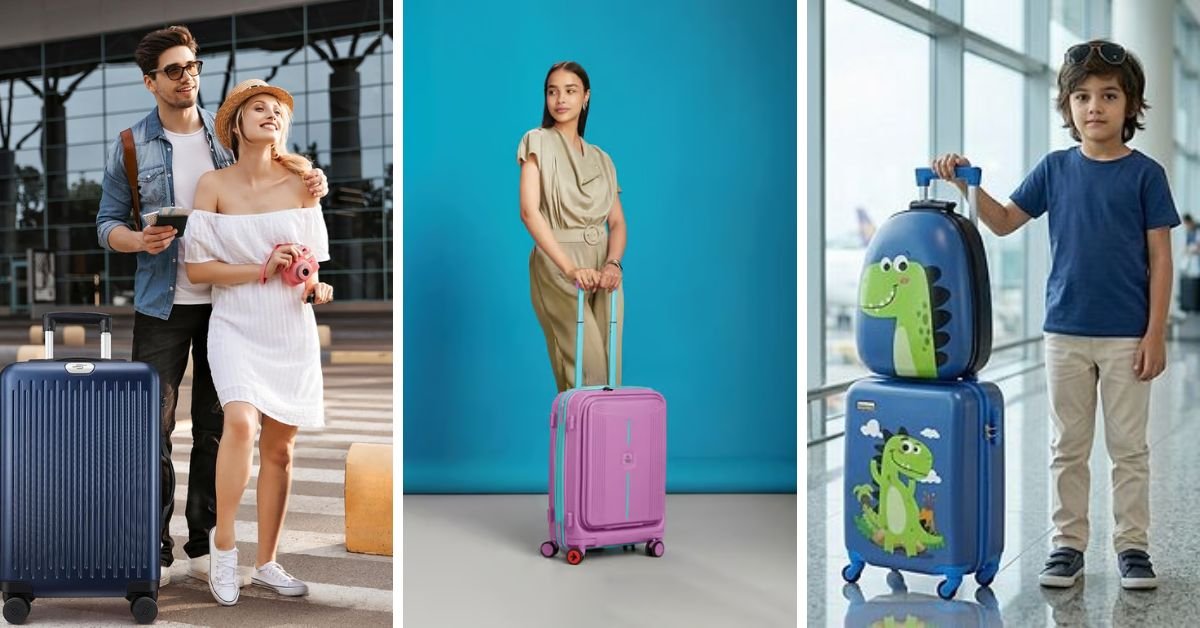
Traveling can be exciting, but carrying heavy luggage through airports, train stations, hotels, and busy streets can quickly become exhausting. This is where travel suitcases with wheels make a major difference. Instead of lifting your luggage everywhere, you can roll it beside you, making transportation easier and more comfortable.
Modern wheeled suitcases are available in many sizes, materials, designs, and price ranges. You can find compact carry-on luggage for short trips, spacious checked suitcases for longer vacations, lightweight models for frequent flyers, and durable options designed for demanding travel.
However, having so many choices can make it difficult to know which suitcase is right for you.
This guide explores the best types of travel suitcases with wheels, important features to consider, luggage materials, wheel designs, sizes, security features, packing tips, and practical buying advice. Whether you travel occasionally or frequently, understanding these factors can help you choose luggage that suits your travel style and budget.
Why Choose Travel Suitcases With Wheels?
The biggest advantage of wheeled luggage is convenience.
A suitcase without wheels can become uncomfortable when it is packed with clothing, shoes, toiletries, electronics, and other travel essentials. Carrying that weight through an airport or railway station can put unnecessary strain on your arms and shoulders.
A wheeled suitcase allows you to move your belongings with much less effort.
Other benefits include:
- Easier transportation
- Less physical strain
- Better organization
- Convenient airport travel
- Multiple size options
- Improved maneuverability
- Easy packing and unpacking
- Suitable for different types of trips
For travelers who frequently move between destinations, a good suitcase with reliable wheels can become one of the most useful pieces of travel equipment they own.
Types of Travel Suitcases With Wheels
Before buying luggage, it helps to understand the main types available.
1. Two-Wheel Suitcases
Two-wheel suitcases, sometimes called roller luggage, have wheels positioned on one end of the suitcase.
You typically pull the suitcase behind you using a telescopic handle.
Their main advantage is stability on uneven surfaces. Two-wheel designs can perform well on sidewalks, cobblestone streets, ramps, and other surfaces where small spinner wheels may struggle.
However, they usually require more space when turning because you need to pull them behind you.
Two-wheel luggage can be a good choice for travelers who frequently move through outdoor environments.
2. Four-Wheel Spinner Suitcases
Four-wheel spinner suitcases have a wheel at each corner, allowing the luggage to move in multiple directions.
You can roll the suitcase beside you, push it forward, pull it behind you, or move it sideways.
This maneuverability makes spinner luggage especially popular in airports and hotels.
Four-wheel suitcases are particularly useful when navigating crowded terminals because you can keep the luggage close to your body instead of pulling it several feet behind you.
3. Carry-On Suitcases With Wheels
Carry-on suitcases are designed to fit within airline cabin baggage restrictions.
They are ideal for:
- Weekend trips
- Short business trips
- Minimalist travelers
- Domestic flights
- Travelers who want to avoid checked baggage
However, airline baggage dimensions and weight limits vary, so always check the current rules of your airline before purchasing a carry-on suitcase.
4. Checked Suitcases With Wheels
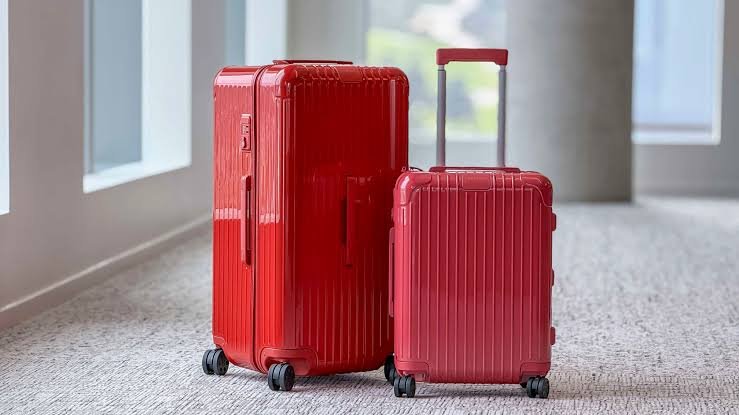
Checked luggage is larger and designed for trips where you need to pack more belongings.
Large suitcases are useful for:
- Long vacations
- Family travel
- International trips
- Cold-weather destinations
- Travelers carrying more clothing
The disadvantage is that larger luggage can become heavy and may be subject to airline weight limits and additional baggage fees.
5. Expandable Suitcases
Expandable suitcases include a zipper section that allows you to increase the packing capacity.
This feature is useful when you plan to return home with souvenirs or additional clothing.
However, an expanded suitcase may exceed airline size restrictions, so always check its dimensions before checking it in.
6. Soft-Sided Wheeled Suitcases
Soft-sided luggage is usually made from fabrics such as polyester or nylon.
These suitcases can be flexible and often include external pockets for items you want to access quickly.
They can be particularly useful for travelers who prefer easy-access storage and flexible packing.
7. Hard-Shell Wheeled Suitcases
Hard-shell suitcases have a rigid exterior designed to provide protection for the contents inside.
Common materials include:
- Polycarbonate
- ABS plastic
- Polypropylene
- Aluminum
Hard-shell luggage can offer good protection against impacts, although durability varies considerably by material and construction.
Hard-Shell vs. Soft-Sided Suitcases
One of the most common decisions when buying travel suitcases with wheels is choosing between hard-shell and soft-sided luggage.
Advantages of Hard-Shell Luggage
Hard-shell luggage can provide:
- Strong exterior protection
- Water resistance depending on construction
- Structured packing space
- Modern designs
- Protection for fragile items
The rigid exterior can be particularly useful if you are carrying electronics, cameras, or other items that need additional protection.
Advantages of Soft-Sided Luggage
Soft-sided luggage can offer:
- Flexible storage
- Exterior pockets
- Easier access
- Lightweight designs
- More flexibility when packing
The best option depends on your travel habits.
If protection is your priority, a hard-shell suitcase may make sense. If organization and accessibility are more important, soft-sided luggage may be preferable.
Choosing the Right Suitcase Size
Suitcase size should depend on the length and purpose of your trip.
Small Suitcases
Small luggage is ideal for short trips.
A compact suitcase can encourage you to pack only the essentials and may help you avoid checking a bag.
Medium Suitcases
Medium luggage provides a balance between capacity and portability.
It is often suitable for trips lasting several days to around a week, depending on your packing style.
Large Suitcases
Large suitcases provide maximum capacity.
They are useful for longer vacations or travelers who need additional clothing and equipment.
However, a larger suitcase can become difficult to maneuver when fully packed.
Extra-Large Suitcases
Extra-large luggage may be useful for extended travel or family packing, but it can become heavy quickly.
Always check airline weight and size restrictions before using oversized luggage.
Understanding Wheel Quality
Wheels are arguably one of the most important components of a wheeled suitcase.
A suitcase may look attractive and have plenty of storage, but poor-quality wheels can make it frustrating to use.
Spinner Wheels
Spinner wheels rotate independently, allowing the suitcase to move in different directions.
They are excellent for smooth surfaces such as airport floors and hotel corridors.
Inline Wheels
Inline wheels are usually recessed into the suitcase and designed to roll forward and backward.
They can offer greater stability and may perform better on some rough surfaces.
Double Wheels
Some suitcases use two wheels at each corner.
This design can improve stability and may distribute weight more effectively.
When evaluating wheels, do not focus only on size. Check how smoothly they rotate and whether they feel securely attached to the suitcase.
Look for a Strong Telescopic Handle
A reliable telescopic handle is essential for wheeled luggage.
The handle should extend smoothly and lock securely into different positions.
Ideally, you should be able to adjust it to a comfortable height without excessive movement.
Before buying a suitcase, test the handle if possible.
Pull it out, retract it, and move the suitcase around. A handle that feels loose or unstable may become frustrating during regular travel.
Check the Suitcase Material
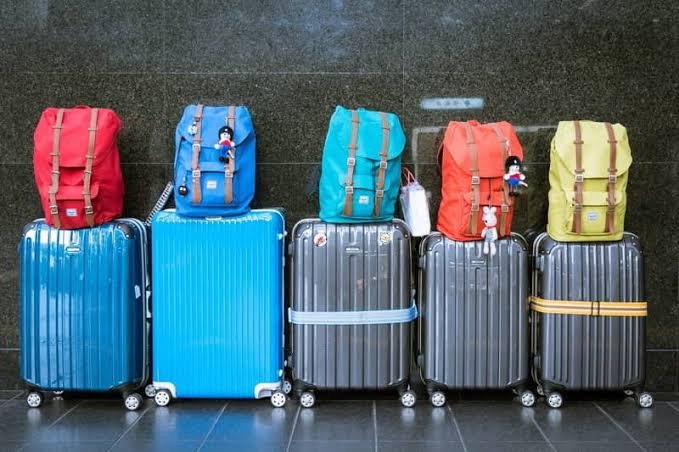
The material affects the luggage’s weight, flexibility, durability, and price.
Polycarbonate
Polycarbonate is widely used in hard-shell luggage because it combines durability with relatively low weight.
It can handle impacts better than some cheaper plastic materials.
ABS
ABS is often found in more affordable hard-shell suitcases.
It can be lightweight and attractive but may not provide the same durability as higher-quality polycarbonate.
Polypropylene
Polypropylene can offer a good balance between strength and weight.
It is commonly used in modern luggage designs.
Aluminum
Aluminum suitcases can provide a premium feel and strong protection.
However, they can be heavier and more expensive than plastic alternatives.
Polyester and Nylon
These fabrics are common in soft-sided luggage.
They offer flexibility and can make it easier to use exterior pockets and expandable compartments.
Consider Suitcase Weight
The empty weight of a suitcase matters more than many travelers realize.
A heavy suitcase gives you less useful weight capacity before reaching an airline’s baggage limit.
For example, if your luggage itself is already heavy, you have less room for clothing and other essentials.
For frequent flyers, lightweight construction can be particularly valuable.
However, do not choose the lightest suitcase automatically. Extremely lightweight construction can sometimes involve compromises in durability, wheel quality, or structural support.
The goal is to find a good balance between weight, durability, and capacity.
Look at the Interior Organization
Good interior organization can make packing much easier.
Useful features include:
- Zippered compartments
- Compression straps
- Mesh pockets
- Divider panels
- Shoe compartments
- Laundry sections
- Small accessory pockets
A suitcase with several compartments can help separate clothing, shoes, toiletries, and electronics.
However, too many compartments can sometimes reduce the main packing space.
Choose a design that matches the way you normally pack.
Compression Features
Some travel suitcases include compression systems that help reduce the amount of space clothing occupies.
Compression panels or straps can keep clothes organized and prevent them from shifting during transportation.
They can be particularly useful for travelers who pack bulky clothing.
Remember that compression does not reduce the actual weight of your luggage. It simply helps you use the available space more efficiently.
Check the Zippers
Zippers are easy to overlook, but they are critical to suitcase performance.
A poor-quality zipper can get stuck, separate, or break when the suitcase is overpacked.
Look for smooth, sturdy zippers that do not feel fragile.
Water-resistant zipper designs can also provide additional protection from light rain, although they should not be assumed to make the entire suitcase waterproof.
Security Features to Consider
Modern luggage often includes security features designed to make travel more convenient.
TSA-Compatible Locks
Many suitcases include combination locks designed for use with TSA screening procedures.
These locks can be useful when traveling to or through countries where TSA screening applies.
However, a built-in lock should not be considered a complete security solution. Keep valuable items with you when possible.
Double Zippers
Suitcases with two zipper pulls can make it easier to secure the main compartment.
Some designs also allow the zipper pulls to be attached to a lock.
Choose a Color You Can Recognize
A practical suitcase does not have to be boring.
Bright colors and distinctive designs can make your luggage easier to identify at baggage claim.
If you prefer a black or dark-colored suitcase, consider adding a luggage tag, strap, or other visible identifier.
This can reduce the chance of accidentally picking up someone else’s luggage.
Best Suitcases for Different Types of Travelers
The “best” suitcase depends on your travel style.
For Frequent Flyers
Frequent flyers may benefit from lightweight, durable luggage with high-quality wheels and a reliable handle.
A practical carry-on can reduce the need to check baggage.
For Business Travelers
Business travelers may prefer compact luggage with laptop compartments, document storage, and easy-access pockets.
Organization is often more important than maximum capacity.
For Family Vacations
Families may need larger suitcases with expandable compartments and durable wheels.
Organized interior sections can also make it easier to separate different family members’ belongings.
For Weekend Trips
A compact spinner or carry-on suitcase can be enough for a short trip.
Choose something lightweight and easy to maneuver.
For Adventure Travelers
Adventure travelers may prefer durable soft-sided luggage or rugged wheeled bags that can handle different surfaces.
If you frequently travel beyond smooth airports and hotels, wheel construction becomes especially important.
How to Pack a Wheeled Suitcase Efficiently
Buying good luggage is only half the solution. Packing it correctly can make your trip easier.
Start With a Packing List
Create a list before putting anything into your suitcase.
This helps prevent overpacking and reduces the chance of forgetting important items.
Roll or Fold Clothing
Rolling clothing can help organize smaller items, while folding may work better for structured garments.
Try both methods and see which works best with your suitcase.
Use Packing Cubes
Packing cubes can help divide your luggage into categories.
For example, you can have separate cubes for:
- Shirts
- Trousers
- Underwear
- Accessories
- Sleepwear
This can make unpacking much easier.
Put Heavy Items Near the Bottom
When using a two-wheel suitcase, placing heavier items closer to the wheels can improve balance.
With spinner luggage, distribute weight evenly so the suitcase remains stable.
Protect Fragile Items
If you must pack fragile belongings, place them between layers of clothing and avoid putting them directly against the exterior.
For extremely valuable or fragile items, carrying them in your cabin baggage may be safer when airline rules permit.
How to Maintain Travel Suitcases With Wheels
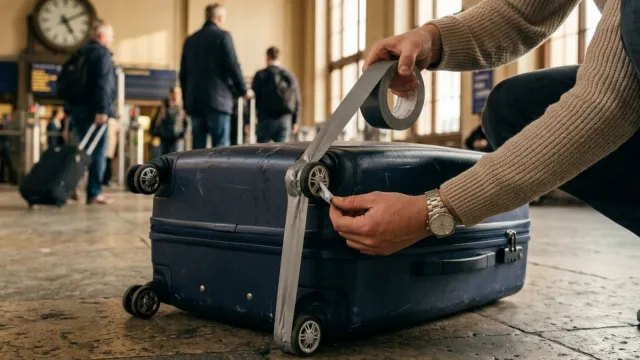
Taking care of your suitcase can extend its useful life.
Clean the Exterior
Wipe your suitcase after trips, especially if you have traveled through dusty or wet environments.
Follow the manufacturer’s cleaning instructions.
Check the Wheels
Inspect the wheels regularly for hair, dirt, stones, or other debris.
Removing debris can help maintain smooth movement.
Do Not Overpack
Overpacking places stress on:
- Zippers
- Seams
- Handles
- Wheels
- Shells
A suitcase should close comfortably without requiring excessive force.
Store It Properly
When you are not traveling, keep your suitcase in a dry area away from extreme temperatures and moisture.
Avoid placing heavy objects on top of it for extended periods.
Common Mistakes When Buying Wheeled Luggage
Choosing Based Only on Appearance
A stylish suitcase may look great, but appearance should not be your main consideration.
Pay attention to wheels, handles, zippers, material, weight, and warranty.
Buying the Wrong Size
A huge suitcase may seem convenient until you have to lift it or pay overweight baggage fees.
Think about your typical trip length before choosing a size.
Ignoring Wheel Quality
Poor wheels can ruin an otherwise good suitcase.
Always test them when possible.
Focusing Only on Price
A cheaper suitcase may save money initially but could require replacement sooner.
At the same time, an expensive suitcase is not automatically better.
Look at the overall value, construction quality, warranty, and features.
Forgetting Airline Requirements
Cabin baggage limits differ among airlines.
Check the current size and weight requirements for the airlines you use most frequently.
How Much Should You Spend on Travel Suitcases With Wheels?
There is no single correct budget.
Affordable luggage can be perfectly suitable for occasional travelers.
Mid-range luggage may provide better materials, wheel systems, handles, and warranties.
Premium luggage can offer advanced construction, higher-quality materials, and long-term durability.
Instead of choosing a suitcase based solely on its price, consider how often you travel.
If you travel several times a year, investing in durable luggage may provide better long-term value.
If you travel once every few years, a reliable budget or mid-range suitcase may be sufficient.
Final Buying Checklist
Before purchasing travel suitcases with wheels, ask yourself:
- What size do I need?
- Will I use it as carry-on or checked luggage?
- Do I prefer hard-shell or soft-sided luggage?
- Are the wheels smooth and sturdy?
- Is the handle comfortable?
- Is the suitcase lightweight enough?
- Does it have useful interior compartments?
- Are the zippers strong?
- Does it include a security lock?
- Is the suitcase expandable?
- Does the manufacturer offer a warranty?
- Does the design suit my travel style?
- Does the suitcase meet the airline’s current size requirements?
Answering these questions can help narrow down your options.
Must Read:
Final Thoughts:
Choosing the right travel suitcases with wheels can make a noticeable difference in your overall travel experience. Good luggage should be easy to move, comfortable to handle, durable enough for regular use, and large enough to carry what you actually need.
Four-wheel spinner suitcases are excellent for travelers who prioritize maneuverability, while two-wheel luggage can be useful on uneven surfaces. Hard-shell suitcases can provide additional protection, whereas soft-sided models offer flexibility and convenient exterior pockets.
The ideal suitcase depends on your destination, trip length, packing habits, transportation needs, and budget.
Before buying, pay close attention to wheel quality, handle construction, suitcase weight, materials, interior organization, zipper durability, security features, and airline baggage restrictions.
Most importantly, avoid choosing luggage simply because it looks attractive or has the lowest price. Think about how you travel and what you expect your suitcase to handle.
With the right combination of size, durability, maneuverability, organization, and comfort, a quality wheeled suitcase can make everything from airport transfers to hotel check-ins much easier. Whether you’re taking a quick weekend break or planning a long international vacation, the right luggage can help you travel with less stress and more confidence.