

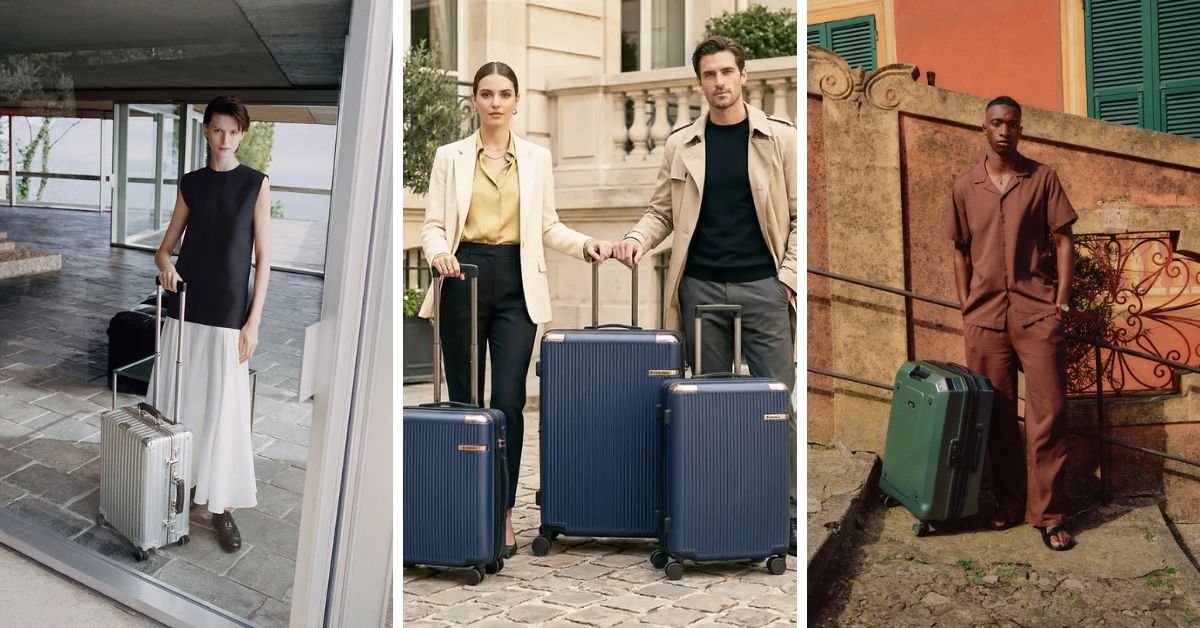
Choosing the best luggage bags can make a noticeable difference to your travel experience. Whether you are taking a weekend trip, planning an international vacation, traveling for business, or going on a family holiday, the right luggage helps you organize your belongings and move through airports, train stations, hotels, and city streets with less hassle.
Luggage is no longer limited to a basic suitcase. Travelers can choose from hard-shell suitcases, soft-sided bags, carry-on luggage, duffel bags, backpacks, garment bags, spinner luggage, and expandable designs. Each type has its own advantages, and the right choice depends on your destination, trip duration, packing habits, transportation, and budget.
With so many options available, knowing what to look for before buying luggage is important. A bag may look attractive but still have weak wheels, uncomfortable handles, poor organization, or insufficient storage space.
This guide explains the best luggage bags, their different types, important features, materials, sizes, security options, packing tips, and buying considerations to help you choose luggage that fits your travel needs.
Why Choosing the Right Luggage Bag Matters?
Luggage carries everything you need during your trip, so reliability matters.
A poorly designed bag can create problems when you are moving between destinations. Broken wheels, damaged zippers, weak handles, and difficult-to-access compartments can turn simple travel tasks into frustrating experiences.
Good luggage should provide a balance of:
- Durability
- Storage capacity
- Comfortable handling
- Easy mobility
- Lightweight construction
- Practical organization
- Security
- Weather resistance
- Attractive design
- Value for money
The best luggage bags are not necessarily the most expensive ones. Instead, they should match the way you travel.
Someone taking short business trips may need a compact carry-on with a laptop compartment, while a family going on a two-week vacation may need large checked luggage.
Types of Luggage Bags
Understanding different luggage styles is the first step toward choosing the right option.
Hard-Shell Suitcases
Hard-shell suitcases have a rigid exterior designed to protect the contents inside.
They are commonly made from materials such as polycarbonate, ABS, polypropylene, or aluminum.
Hard-shell luggage is popular because it provides structured storage and can offer good protection against impacts.
These bags are especially useful when carrying items that need additional protection.
Pros:
- Strong exterior
- Structured shape
- Good protection
- Easy to clean
- Modern designs
Cons:
- Limited flexibility
- May develop scratches
- Some models can be heavier
- Exterior pockets are less common
Soft-Sided Luggage
Soft-sided luggage is typically made from nylon, polyester, or similar fabrics.
Unlike hard-shell luggage, it can compress slightly when you need to fit additional items inside.
Many soft-sided bags also include exterior pockets, making them convenient when you need quick access to documents, chargers, books, or other essentials.
Pros:
- Flexible
- Lightweight options available
- Exterior pockets
- Easy access
- Often expandable
Cons:
- Less rigid protection
- Fabric can absorb moisture
- May be easier to cut or tear than a hard shell
Carry-On Luggage
Carry-on luggage is designed to travel with you inside the aircraft cabin.
It is an excellent choice for:
- Weekend trips
- Short vacations
- Business travel
- Minimalist packing
- Travelers who want to avoid checked baggage
Airlines have different restrictions for carry-on dimensions and weight, so check the current requirements of your airline before purchasing.
Checked Luggage
Checked bags are larger pieces of luggage that are handed over to the airline before boarding.
They are suitable for longer trips when you need more clothing, shoes, toiletries, or other belongings.
Large luggage provides more space but can become heavy quickly.
Always check the airline’s current baggage allowance because overweight or oversized bags may result in additional charges.
Duffel Bags
Duffel bags are flexible travel bags that can be useful for short trips, sports travel, road trips, and casual vacations.
Some duffel bags include wheels and telescopic handles, combining the flexibility of a duffel with the convenience of rolling luggage.
They are often easier to store than rigid suitcases because the fabric can compress when the bag is empty.
Travel Backpacks
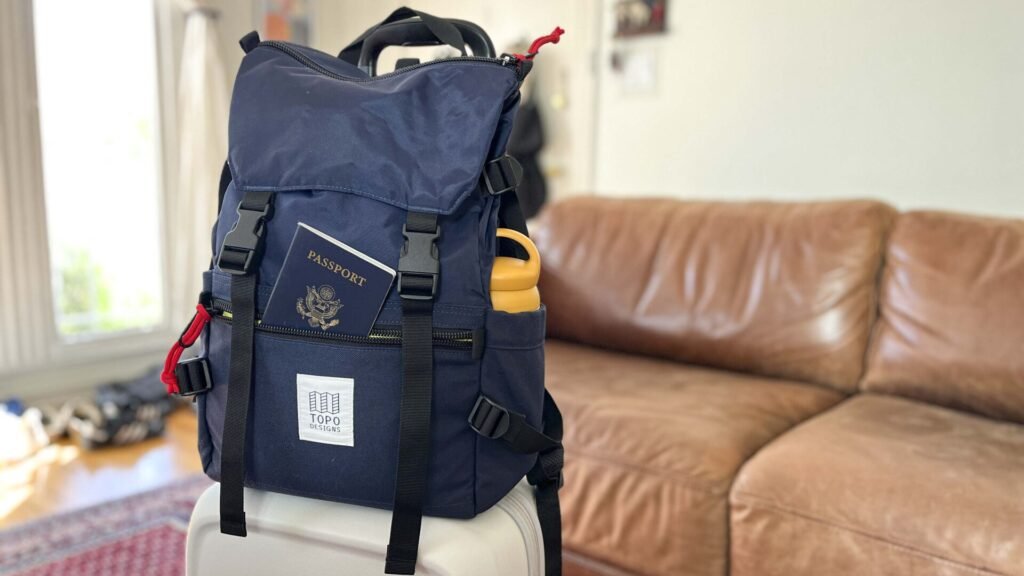
Travel backpacks are popular among backpackers, students, adventure travelers, and people who prefer traveling hands-free.
A well-designed travel backpack may include:
- Padded laptop compartment
- Multiple organizational pockets
- Water bottle holder
- Compression straps
- Hidden security pockets
- Comfortable shoulder straps
For public transportation and destinations with uneven streets, backpacks can be particularly convenient.
Garment Bags
Garment bags are designed to carry suits, dresses, formal clothing, and other garments that can wrinkle easily.
Business travelers and people attending weddings or formal events may find them useful.
Some garment bags can be folded or attached to rolling luggage.
Two-Wheel vs. Four-Wheel Luggage
Wheels are one of the most important features of modern luggage.
Two-Wheel Luggage
Two-wheel suitcases are pulled behind you using a telescopic handle.
They tend to perform well on uneven surfaces, sidewalks, ramps, and some outdoor environments.
However, they require a larger turning radius than spinner luggage.
Four-Wheel Spinner Luggage
Four-wheel luggage can move in multiple directions.
You can push it beside you, pull it behind you, or move it sideways.
This makes spinner luggage particularly convenient in airports, elevators, hotels, and other smooth environments.
When buying spinner luggage, check whether the wheels rotate smoothly and whether they feel securely attached.
Important Features of the Best Luggage Bags
Not all luggage is built the same way. Several features can influence its performance and lifespan.
Durable Wheels
High-quality wheels can make a suitcase much easier to maneuver.
Look for wheels that move smoothly without excessive wobbling.
Double-wheel systems can provide additional stability, while larger wheels may handle uneven surfaces better.
Strong Telescopic Handle
A telescopic handle should extend smoothly and lock securely.
It should also be comfortable at your preferred height.
A loose or weak handle can become a major problem when you are moving through an airport.
Quality Zippers
Zippers experience significant stress when luggage is packed tightly.
Look for smooth-moving, durable zippers.
Avoid overstuffing your luggage because excessive pressure can damage the zipper and surrounding seams.
Interior Organization
Good organization makes packing and unpacking easier.
Useful features include:
- Compression straps
- Mesh pockets
- Zippered compartments
- Divider panels
- Shoe sections
- Small accessory pockets
Choose organization features based on your packing style.
Expandable Design
Expandable luggage provides extra space when needed.
This is particularly useful if you expect to purchase souvenirs during your trip.
However, remember that expanding your suitcase can increase its dimensions beyond airline limits.
Always check the final size before traveling.
Choosing the Right Luggage Material
Material affects durability, weight, flexibility, and price.
Polycarbonate
Polycarbonate is a popular material for hard-shell luggage because it offers a good balance between strength and weight.
It can handle impacts better than some lower-cost plastics.
ABS
ABS luggage is often more affordable and lightweight.
It can be suitable for occasional travelers, although the durability of individual products varies.
Polypropylene
Polypropylene is another common material used in hard-shell suitcases.
It can provide a useful combination of durability and relatively low weight.
Aluminum
Aluminum luggage offers a premium appearance and rigid construction.
It can provide strong protection but may be heavier and more expensive than plastic alternatives.
Nylon
Nylon is commonly used in soft-sided luggage.
It can offer durability and flexibility while allowing manufacturers to add exterior pockets and expandable sections.
Polyester
Polyester luggage is widely available and often used in affordable soft-sided bags.
It can be lightweight and practical for casual travel.
How to Choose the Right Luggage Size
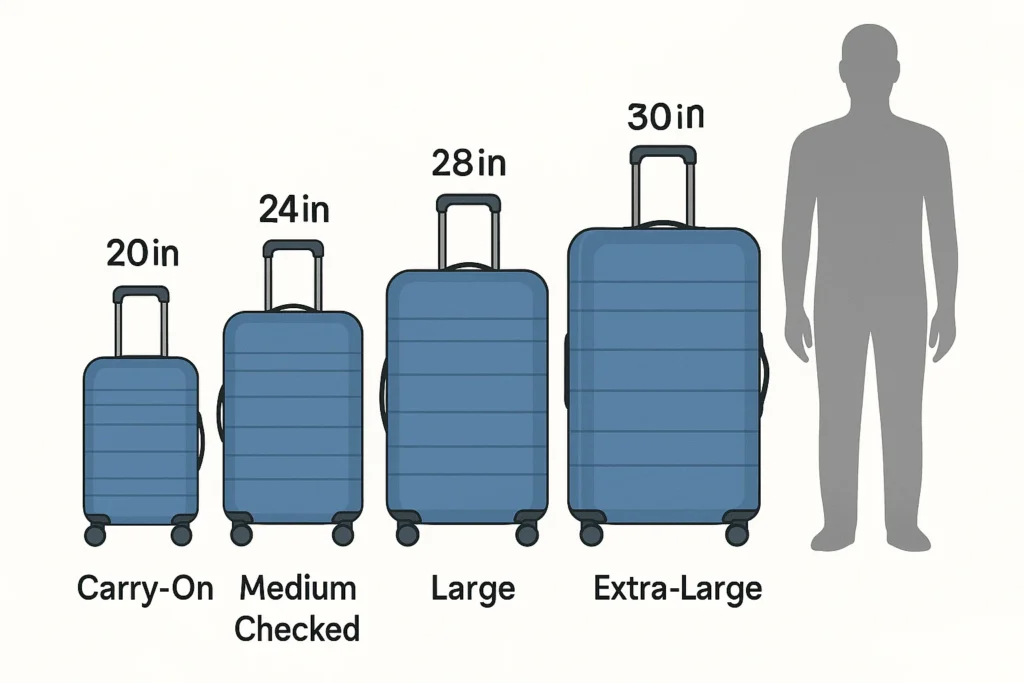
The best luggage size depends on your trip.
Small Luggage
Small bags are ideal for short trips and light packers.
They can also help you avoid overpacking.
Medium Luggage
Medium-sized suitcases provide a balance between storage capacity and portability.
They can be suitable for trips lasting several days to around a week, depending on your packing habits.
Large Luggage
Large suitcases work well for extended vacations and travelers who need more clothing and equipment.
The main disadvantage is that they can become heavy and difficult to maneuver.
Extra-Large Luggage
Extra-large luggage can be useful for extended travel or family packing but requires careful attention to airline weight and size limits.
Bigger is not always better. Choose the smallest suitcase that comfortably holds what you need.
Best Luggage Bags for Different Travelers
There is no single bag that works perfectly for everyone.
For Frequent Travelers
Frequent travelers should prioritize durability, wheel quality, comfortable handles, and lightweight construction.
A reliable carry-on can also reduce the need to check luggage.
For Business Travelers
Business travelers may benefit from luggage featuring:
- Laptop compartments
- Document pockets
- USB charging features where appropriate
- Easy-access compartments
- Compact dimensions
Organization is particularly important when you need quick access to work equipment.
For Families
Families often need larger luggage or multiple coordinated bags.
Expandable suitcases and organized compartments can make packing easier.
Instead of putting everything into one enormous suitcase, dividing belongings among several bags can make transportation more manageable.
For Backpackers
Travel backpacks may be more practical for backpackers because they are easier to carry through crowded streets and public transportation systems.
Look for padded straps, ventilation, durable fabric, and smart organization.
For Weekend Travelers
A small carry-on or compact duffel bag may be enough for a weekend trip.
Choosing a smaller bag can also encourage efficient packing.
Luggage Security Features
Security is another consideration when selecting luggage.
Combination Locks
Many suitcases include built-in combination locks.
These can prevent casual access to your luggage, although no luggage lock provides complete protection against determined theft.
TSA-Compatible Locks
Some luggage includes locks designed to be compatible with TSA screening procedures.
If you travel to or through destinations where these screening systems apply, this feature can be convenient.
Hidden Pockets
Hidden pockets can provide a discreet place to keep documents or other small essentials.
However, valuable items should generally remain with you rather than inside checked luggage.
Waterproof vs. Water-Resistant Luggage
Travelers often confuse waterproof and water-resistant luggage.
Water-resistant materials or coatings can help protect your belongings from light rain and splashes.
Waterproof luggage provides a much higher level of protection but is less common for traditional suitcases.
If you regularly travel to rainy destinations, look for water-resistant fabrics, sealed construction, or protective covers.
Do not assume that a suitcase is waterproof simply because its material does not absorb water easily.
Lightweight Luggage: Is It Worth It?
Lightweight luggage can be especially useful for air travel.
Airlines impose weight restrictions, so every kilogram of suitcase weight reduces the amount of personal belongings you can carry.
For frequent travelers, choosing a lightweight bag can provide more usable packing capacity.
However, extremely lightweight luggage may sometimes sacrifice durability.
The ideal choice is a suitcase that balances:
Low weight + strong construction + reliable wheels + good capacity.
How to Pack Luggage Efficiently
Even the best luggage bags can become difficult to manage if you overpack.
Make a Packing List
Write down everything you need before putting items into your suitcase.
This prevents unnecessary items from taking up valuable space.
Pack by Category
Keep similar items together.
For example:
- Clothing in one section
- Shoes in another
- Toiletries in a separate pouch
- Electronics in an accessible compartment
This makes finding things easier.
Use Packing Cubes
Packing cubes can help divide clothing into categories.
You can use separate cubes for shirts, underwear, trousers, sleepwear, or accessories.
They also make unpacking easier because you can move an entire category without emptying the suitcase.
Use Shoes Efficiently
Shoes take up considerable space.
Pack only the pairs you are likely to use.
You can place small items such as socks inside shoes to use otherwise empty space.
Keep Important Items Accessible
Travel documents, medications, electronics, chargers, and valuables should be easy to access.
For items you may need during a flight, keep them in your personal item or carry-on rather than checked luggage when permitted.
How to Maintain Your Luggage
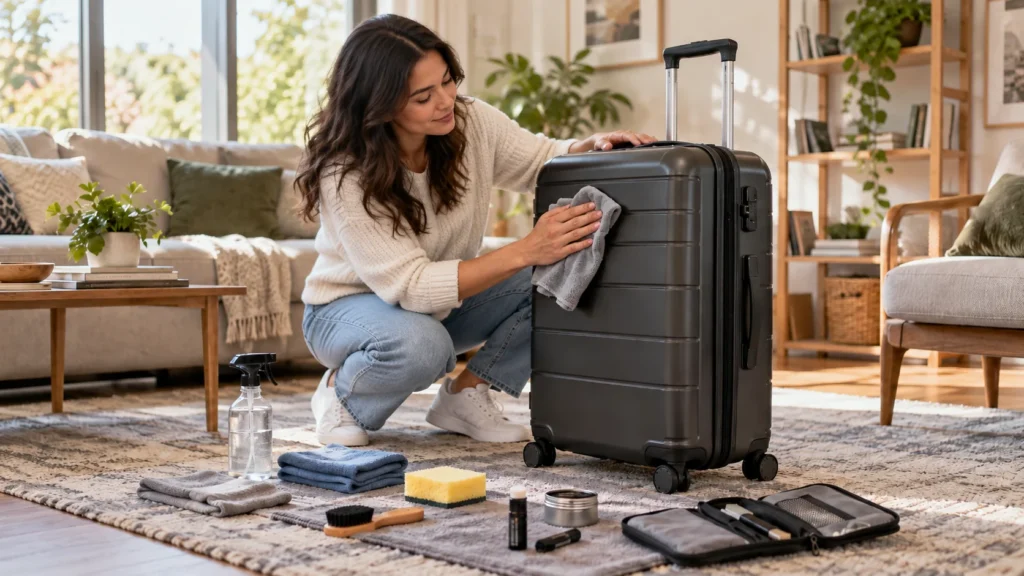
Proper maintenance can extend the life of your travel bags.
Clean Your Luggage
Wipe down your suitcase after returning from a trip.
For fabric luggage, follow the manufacturer’s cleaning instructions.
Check the Wheels
Remove hair, dirt, and small debris from the wheel area.
Inspect wheels for cracks or loose components.
Inspect Handles
Check telescopic handles and carrying handles for signs of damage.
If a handle becomes loose, repair it before your next trip.
Do Not Overfill
Overpacking puts stress on zippers, seams, handles, and wheels.
If you have to force the suitcase closed, you probably have too much inside.
Store It Properly
Keep luggage in a dry place when it is not being used.
Avoid storing heavy objects on top of soft-sided bags for long periods.
Common Mistakes When Buying Luggage Bags
Buying Based Only on Appearance
A stylish suitcase may look appealing, but functionality matters more.
Check its wheels, handles, material, storage capacity, and construction.
Ignoring Weight
A heavy empty suitcase can reduce your useful packing capacity.
Always check the luggage’s empty weight.
Choosing the Wrong Size
A huge suitcase may provide plenty of storage but can become difficult to lift and may exceed airline limits.
Think about your typical travel duration before choosing a size.
Ignoring Wheel Quality
Poor wheels can make even a premium suitcase frustrating to use.
Test the wheels whenever possible.
Forgetting the Warranty
A warranty can provide additional confidence, especially when purchasing luggage for frequent travel.
Check what the warranty covers and for how long.
How Much Should You Spend on Luggage?
The right luggage budget depends on how often you travel.
Budget Luggage
Budget luggage can work well for occasional travelers.
Look for decent construction and avoid sacrificing essential features simply to get the lowest price.
Mid-Range Luggage
Mid-range bags often provide a good balance of durability, features, and price.
This category can be attractive for regular travelers who want reliable luggage without paying for premium branding.
Premium Luggage
Premium luggage may include advanced materials, high-quality wheels, stronger construction, and longer warranties.
It can make sense for frequent travelers who use their luggage regularly.
The key is to evaluate value rather than price alone.
A Simple Luggage Buying Checklist
Before buying the best luggage bags for your needs, ask:
- How long are my typical trips?
- Do I need carry-on or checked luggage?
- Do I prefer hard-shell or soft-sided luggage?
- How much does the empty bag weigh?
- Are the wheels smooth and durable?
- Is the telescopic handle strong?
- Are the zippers reliable?
- Does it have enough compartments?
- Is it expandable?
- Does it have a useful security feature?
- Is the material suitable for my travel style?
- Does the suitcase meet my airline’s current baggage requirements?
- Is there a warranty?
- Does the price match the quality?
Answering these questions can make your buying decision much easier.
Must Read:
- Travel Suitcases With Wheels: Best Types, Features & Buying Tips
- Best Portable Air Pump for Road Trips
- Best Duffel Bags For Travel | Cheap Price at Amazon
Final Thoughts:
The best luggage bags are the ones that make your particular style of travel easier.
For short trips, a compact carry-on may be all you need. Frequent flyers may prefer lightweight spinner luggage, while families and long-term travelers may benefit from larger checked suitcases. Backpackers may find a travel backpack more practical, while business travelers may prioritize laptop storage and organization.
When comparing luggage, pay attention to the details that affect everyday use. Wheel quality, handle strength, material, weight, zipper construction, interior organization, and size can all influence how well a bag performs.
Do not choose luggage solely because it looks good or has a low price. Think about where you travel, how often you travel, how much you normally pack, and how you move between destinations.
A well-designed luggage bag should make transportation easier rather than becoming another problem to manage. With the right size, durable construction, smooth wheels, useful compartments, and comfortable handling, your luggage can become a reliable travel companion for years.
Whether you’re planning a weekend getaway, business trip, family vacation, or international adventure, taking the time to choose the right luggage can help you pack smarter, move more comfortably, and enjoy a smoother journey from departure to arrival.