

When people ask about the oldest national park in the world, one name stands above all others: Yellowstone National Park. Established in 1872, Yellowstone is widely recognised as the world’s first national park. Its creation marked a turning point in human history, setting a global example for preserving natural landscapes not for kings or private owners, but for everyone.
This article explains why Yellowstone holds this title, how national parks existed before and after it, and why the idea of a national park matters even more today. You will also learn how Yellowstone shaped conservation movements worldwide, influenced governments, and continues to inspire environmental protection across continents.
Understanding the Concept of a National Park
Before identifying the oldest national park in the world, it is important to understand what the term national park actually means. A national park is a protected area set aside by a government to preserve natural beauty, wildlife, ecosystems, and geological features.
Unlike private reserves or royal hunting grounds, national parks are intended for public benefit, education, and long-term conservation.
What Makes a National Park Different?
A true national park usually includes:
- Legal protection by the state
- Preservation of natural landscapes
- Public access for recreation and education
- Restrictions on commercial exploitation
- Long-term conservation goals
Many ancient cultures protected forests or sacred lands, but these did not function as national parks in the modern sense. Yellowstone was the first place where nature itself was protected by law for everyone.
Why Yellowstone National Park Is the Oldest in the World
Yellowstone National Park was officially established on 1 March 1872 by the United States Congress and signed into law by President Ulysses S. Grant. This made it the first area in the world specifically designated as a national park.
A Revolutionary Decision in 1872
At the time, the idea of preserving land purely for public enjoyment was radical. Most land was used for farming, mining, timber, or settlement. Yellowstone changed that mindset forever. It was protected not because it was profitable, but because it was extraordinary.
The law declared Yellowstone a “public park or pleasuring-ground for the benefit and enjoyment of the people.” No earlier protected area used this language or purpose at a national scale.
The Natural Wonders That Inspired Protection
Yellowstone’s unique landscape played a major role in its protection. Explorers, artists, and scientists returned from the region with stories that sounded almost unbelievable.
Geothermal Features Like Nowhere Else
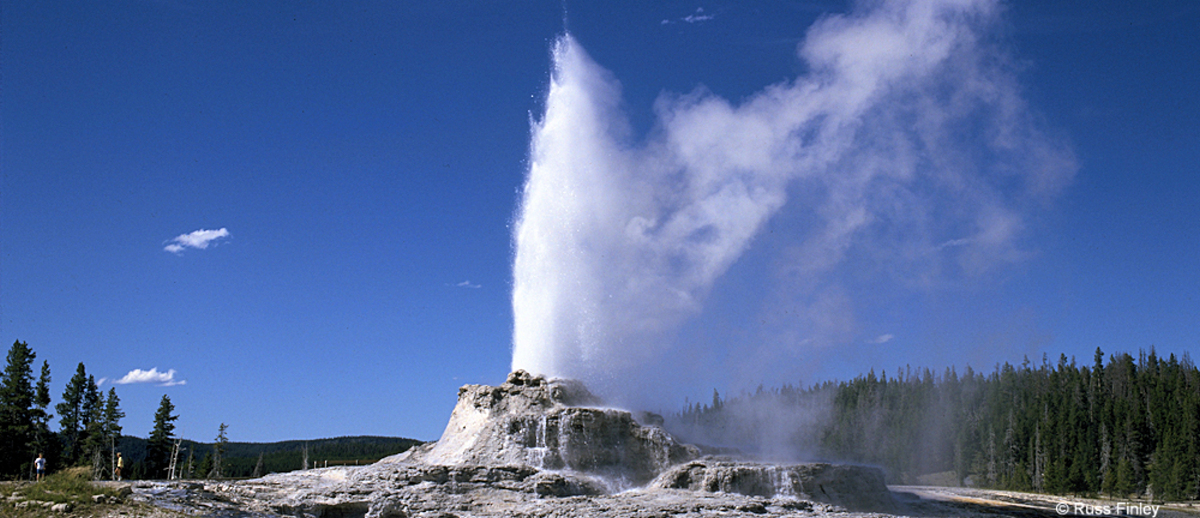
Yellowstone sits on top of a massive volcanic hotspot. It contains:
- Over half of the world’s geysers
- Famous sites like Old Faithful
- Colourful hot springs such as Grand Prismatic Spring
- Mud pots, fumaroles, and steaming vents
No other place on Earth combines so many geothermal features in one area.
Wildlife on a Grand Scale
Yellowstone is also home to:
- Bison herds roaming freely
- Wolves reintroduced to restore balance
- Grizzly bears and black bears
- Elk, moose, and pronghorn
This intact ecosystem helped people realise the importance of preserving entire landscapes, not just scenic viewpoints.
Were There Protected Areas Before Yellowstone?
Some critics ask whether Yellowstone was truly the first. The answer depends on definitions.
Earlier Protected Lands
Before Yellowstone:
- Royal hunting reserves existed in Europe
- Sacred groves were protected in Asia
- Forest laws preserved timber for navies
- Scenic parks existed within cities
However, none of these were national parks as we understand them today. They were not preserved primarily for public enjoyment and ecological protection under national law.
Why Yellowstone Still Holds the Title
Yellowstone was:
- Federally protected
- Open to the public
- Dedicated to nature preservation
- Managed by the state
This combination makes it the oldest national park in the world by modern standards.
How Yellowstone Influenced the Global National Park Movement
Yellowstone did not just protect one area. It inspired an entire global movement.

National Parks Around the World Followed
After Yellowstone:
- Yosemite National Park gained full national park status in 1890
- Banff National Park became Canada’s first national park in 1885
- Royal National Park was established in 1879
- Kruger National Park followed in the early 20th century
Each of these parks adopted principles first proven successful in Yellowstone.
Yellowstone and the Birth of Conservation Ethics
Yellowstone helped shift human thinking from exploitation to stewardship.
Changing Attitudes Toward Nature
Before national parks:
- Nature was seen as a resource to use
- Wilderness was viewed as empty or wasted land
- Wildlife was hunted without regulation
After Yellowstone:
- Nature gained intrinsic value
- Ecosystems were worth protecting
- Governments began planning for long-term conservation
This ethical shift influenced environmental laws, wildlife protection acts, and later climate awareness.
Indigenous History Before Yellowstone Became a Park
Long before Yellowstone was declared a national park, Indigenous peoples lived on and moved through the land.
Native American Presence
Tribes such as the Shoshone, Crow, Blackfeet, and others:
- Hunted bison
- Used hot springs
- Traveled seasonally through the region
- Had spiritual connections to the land
The creation of Yellowstone did not initially recognise these communities. Modern park management increasingly acknowledges this history and works toward cultural preservation alongside natural conservation.
Challenges Yellowstone Faced in Its Early Years
Being the first national park came with serious problems.
Lack of Funding and Protection
In its early decades:
- There was no dedicated park service
- Poaching was common
- Vandalism damaged geothermal features
- Enforcement was weak
The U.S. Army eventually stepped in to manage the park until the National Park Service was created in 1916.
Learning Through Mistakes
Yellowstone became a testing ground for:
- Wildlife management
- Visitor regulation
- Fire management policies
- Ecosystem restoration
Lessons learned here shaped park management worldwide.
The Creation of the National Park Service
The success and challenges of Yellowstone led directly to the creation of the National Park Service.
Why a Dedicated Agency Was Needed
By the early 20th century, the United States had several national parks. Managing them required:
- Scientific expertise
- Consistent policies
- Trained rangers
- Educational programmes
The National Park Service unified park management and ensured long-term protection.
Yellowstone’s Role in Modern Environmental Science
Today, Yellowstone is more than a tourist destination. It is a living laboratory.
Scientific Research and Monitoring
Researchers study:
- Volcanic activity
- Climate change effects
- Wildlife migration
- Predator-prey relationships
The reintroduction of wolves in the 1990s became one of the most famous ecological restoration projects in history.
Lessons for the Planet
Findings from Yellowstone influence:
- Global conservation strategies
- Wildlife rewilding projects
- Ecosystem-based land management
- Climate resilience planning
Tourism and Public Access Today
Yellowstone welcomes millions of visitors each year.

Balancing Access and Protection
Modern challenges include:
- Overcrowding in peak seasons
- Wildlife disturbances
- Infrastructure strain
- Environmental impact
Park authorities use zoning, permits, and education to protect fragile areas while keeping Yellowstone accessible.
Why Yellowstone Still Matters Today
Yellowstone remains relevant because it represents an idea larger than itself.
A Global Symbol of Conservation
Yellowstone stands for:
- Public ownership of natural beauty
- Responsibility toward future generations
- Respect for ecological systems
- International inspiration
Every national park created since 1872 carries Yellowstone’s legacy.
Is Yellowstone the Oldest National Park Without Debate?
While discussions exist about earlier protected areas, global consensus remains strong.
Why Historians Agree
Most historians and conservation bodies recognise Yellowstone as:
- The first national park by law
- The first protected for public benefit
- The model that defined the concept globally
This makes Yellowstone the clear answer to the question.
Must Read:
- Top Wildlife Safari Locations for Adventures
- Nature Treks With Stunning Views
- Mountain Climbing Adventures in Luzon
Final Thoughts:
The title of the oldest national park in the world belongs to Yellowstone National Park. Established in 1872, it transformed how humanity views nature. Yellowstone proved that landscapes could be protected not for profit, power, or privilege, but for shared enjoyment and preservation.
More than 150 years later, Yellowstone continues to shape environmental thinking, inspire global conservation, and remind us that protecting the natural world is one of humanity’s greatest responsibilities. Its legacy lives on in every national park across the planet.