
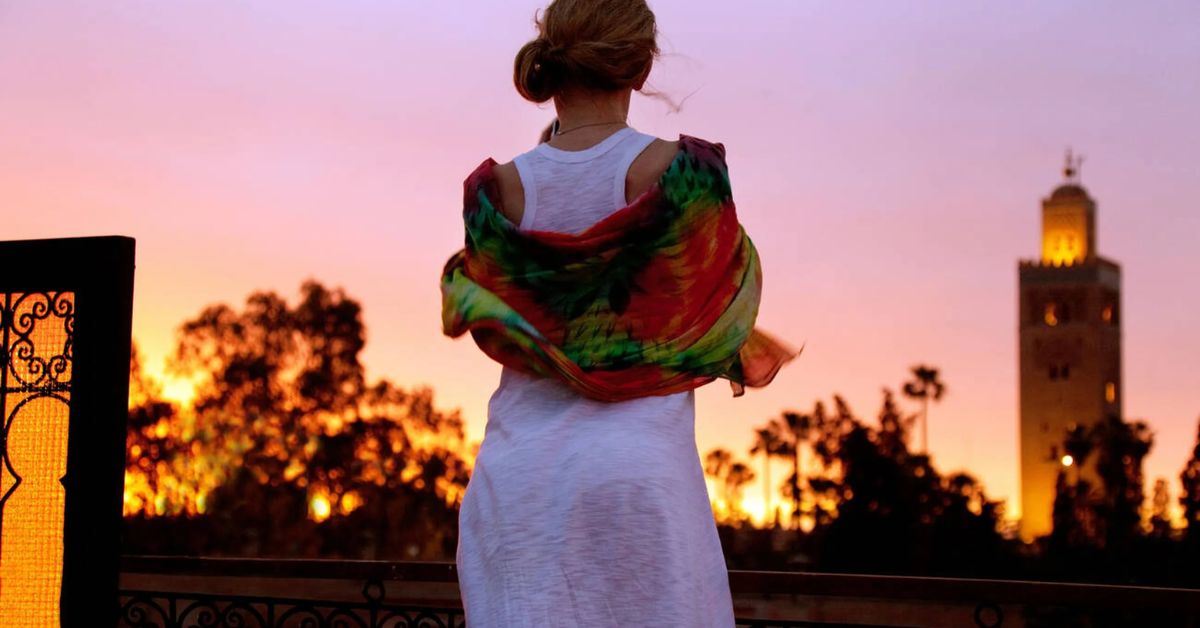
Travelling to Morocco feels like stepping into a living story filled with colour, culture, and centuries of history. From lively city squares to quiet desert landscapes, the country offers an incredible variety of experiences that attract travellers from across the world. A well-planned Morocco Travel Guide helps visitors explore historic cities, wander through traditional markets, and discover unforgettable landmarks that define the nation’s identity.
Morocco sits at the crossroads of Africa, Europe, and the Middle East, which has shaped its architecture, food, language, and traditions. Visitors often find themselves walking through ancient medinas in the morning, enjoying coastal views in the afternoon, and experiencing desert sunsets by evening. This diversity makes the country one of the most rewarding travel destinations in North Africa.
In this detailed guide, travellers will learn about Morocco’s most captivating cities, famous markets, and iconic attractions. Whether planning a first visit or returning to explore deeper cultural experiences, this Morocco Travel Guide highlights destinations and tips that help make every journey memorable.
Why Morocco Is a Unique Travel Destination?
Morocco stands out as a destination where ancient traditions meet modern travel experiences. Its rich heritage, vibrant culture, and dramatic landscapes make it one of the most fascinating countries to explore.
The country’s location has played a significant role in shaping its identity. Over centuries, traders, explorers, and empires passed through Morocco, leaving behind architectural influences and cultural traditions that still exist today. Visitors exploring a Morocco Travel Guide will quickly notice the blend of Islamic architecture, Berber traditions, and Mediterranean influences.
Morocco’s landscapes are equally impressive. The Atlas Mountains, Sahara Desert, and Atlantic coastline create a wide variety of natural environments. Travellers can hike through mountain villages, ride camels across desert dunes, or relax on coastal beaches within the same trip.
Food is another highlight. Moroccan cuisine is known for rich spices, slow-cooked dishes, and traditional cooking techniques. Meals often include tagine, couscous, grilled meats, and sweet mint tea served in decorative glasses.
The combination of culture, scenery, and hospitality makes Morocco one of the most exciting destinations for travellers seeking both adventure and cultural exploration.
Best Cities to Visit in Morocco
Morocco’s cities are full of history, architecture, and vibrant daily life. Each city offers a unique experience for travellers.
Marrakech
Marrakech is one of Morocco’s most iconic cities. Often called the “Red City” because of its terracotta buildings, it is famous for lively markets, historic palaces, and colourful gardens.
At the centre of Marrakech lies Jemaa el-Fnaa Square, a bustling gathering place where visitors can see street performers, musicians, and traditional food stalls. As evening approaches, the square transforms into a lively night market filled with aromas of grilled meats and local spices.
Other highlights include Bahia Palace, known for its intricate Moroccan design, and Majorelle Garden, a peaceful botanical garden created by French artist Jacques Majorelle.
Marrakech perfectly captures the energy and culture that travellers expect when visiting Morocco.
Fez
Fez is considered Morocco’s cultural and spiritual capital. The city is famous for its ancient medina, one of the largest car-free urban areas in the world.
Walking through the narrow streets of Fez feels like travelling back in time. Traditional craftsmen continue to work in small workshops producing leather goods, ceramics, metalwork, and textiles.
The Chouara Tannery is one of the most famous sites in Fez, where leather has been dyed using traditional methods for centuries. Visitors can view the colourful dye pits from surrounding terraces.
Fez also hosts historic mosques and madrasas, including the Al-Qarawiyyin University, recognised as one of the world’s oldest educational institutions.
Casablanca
Casablanca is Morocco’s largest city and its economic centre. Unlike the historic atmosphere of Fez and Marrakech, Casablanca offers a more modern urban experience.
The city’s most impressive landmark is the Hassan II Mosque, which sits dramatically along the Atlantic coastline. The mosque features one of the tallest minarets in the world and can accommodate thousands of worshippers.
Casablanca also offers seaside promenades, stylish cafés, and modern shopping districts. Travellers interested in Morocco’s contemporary culture often include Casablanca in their itinerary.
Rabat
Rabat, Morocco’s capital city, offers a quieter and more relaxed atmosphere compared with other major cities. The city combines historical landmarks with modern infrastructure.
Key attractions include the Kasbah of the Udayas, a charming neighbourhood overlooking the Atlantic Ocean, and the Hassan Tower, an unfinished mosque tower dating back to the 12th century.
Rabat also features beautiful gardens, museums, and coastal views, making it an appealing destination for travellers interested in history and culture.
Chefchaouen
Chefchaouen is famous for its striking blue-painted buildings and scenic mountain setting. Located in the Rif Mountains, the town offers a peaceful retreat away from the busier cities.
Visitors enjoy wandering through narrow blue streets, photographing colourful doorways, and relaxing in small cafés. The surrounding mountains also provide opportunities for hiking and nature exploration.
Chefchaouen has become one of the most photographed destinations in Morocco.
Traditional Markets in Morocco

Markets play an essential role in Moroccan culture. Known as souks, these markets are lively spaces where traders sell everything from spices and textiles to handmade crafts.
Exploring these markets is one of the most memorable experiences in the country.
Marrakech Souks
The markets of Marrakech are among the most famous in North Africa. Located near the central square, these markets are divided into sections dedicated to different products.
Visitors can find traditional lanterns, colourful carpets, handcrafted jewellery, leather bags, and decorative ceramics.
Bargaining is a common part of the shopping experience, and friendly negotiation is expected when purchasing items.
Fez Medina Market
Fez offers one of the most authentic market experiences in Morocco. The narrow alleyways are filled with shops selling traditional goods produced by local artisans.
Visitors can watch craftsmen carving wood, shaping metal, or dyeing leather using techniques passed down through generations.
The markets of Fez are ideal for travellers interested in traditional Moroccan craftsmanship.
Casablanca Central Market
Casablanca’s Central Market offers a slightly different atmosphere compared with traditional souks. The market features fresh seafood, local produce, spices, and traditional Moroccan ingredients.
It is an excellent place to experience everyday Moroccan life and taste authentic local food.
Iconic Attractions in Morocco
Morocco offers numerous attractions that showcase its natural beauty and historical heritage.
Sahara Desert
The Sahara Desert is one of Morocco’s most unforgettable destinations. Visitors often travel to Merzouga or Zagora to experience camel treks across golden sand dunes.
Many tours include overnight stays in desert camps where travellers can enjoy traditional music, local food, and clear night skies filled with stars.
Watching sunrise over the dunes is one of the most memorable experiences in Morocco.
Atlas Mountains
The Atlas Mountains stretch across much of Morocco and offer incredible scenery. Travellers can explore traditional Berber villages, hike through valleys, and visit waterfalls.
Mount Toubkal, the highest peak in North Africa, attracts hikers seeking adventure and panoramic views.
The mountains provide a refreshing contrast to Morocco’s desert landscapes.
Ait Benhaddou
Ait Benhaddou is a historic fortified village made of clay buildings. The site has been used as a filming location for many international movies and television series.
Visitors can walk through the village, climb to the hilltop for scenic views, and learn about traditional Moroccan architecture.
Moroccan Cuisine
Food is an important part of the travel experience in Morocco.
Popular dishes include:
- Tagine (slow-cooked stew)
- Couscous with vegetables and meat
- Moroccan grilled kebabs
- Harira soup
- Sweet pastries with honey and almonds
Mint tea is often served throughout the day and symbolises hospitality.
Best Time to Visit Morocco

The best time to visit Morocco depends on travel preferences.
Spring (March to May) and autumn (September to November) offer comfortable temperatures and pleasant weather.
Summer can be very hot, especially in desert regions, while winter brings cooler temperatures in mountain areas.
Planning travel during mild seasons helps visitors enjoy outdoor activities and sightseeing.
Travel Tips for Visiting Morocco
Travellers can improve their experience by keeping a few practical tips in mind.
Helpful suggestions include:
- Dress modestly in traditional areas
- Carry cash for small purchases
- Learn basic Arabic or French phrases
- Stay in traditional riads for cultural experience
- Respect local customs and traditions
These small preparations help travellers feel comfortable and respectful while exploring Morocco.
Conclusion:
Morocco offers an extraordinary combination of culture, history, and natural beauty. From vibrant cities filled with centuries-old architecture to peaceful desert landscapes and colourful markets, every destination reveals a different aspect of the country’s identity.
Travellers exploring Morocco will discover lively medinas, welcoming communities, and breathtaking scenery. Cities like Marrakech, Fez, and Casablanca provide a glimpse into Morocco’s past and present, while destinations such as Chefchaouen and the Sahara Desert showcase the country’s natural charm.
A thoughtful travel plan allows visitors to experience Morocco’s diverse attractions while enjoying its famous hospitality and cuisine. With historic landmarks, traditional markets, and unforgettable landscapes, Morocco remains one of the most rewarding destinations for travellers seeking culture and adventure.
Must Read:
- Chile Travel Destinations Deserts Mountains And Parks
- Colombia Tourist Attractions Historic Cities And Beaches
- Top Tourist Attractions In Peru Inca Sites And Mountains
FAQs:
Is Morocco safe for tourists?
Yes, Morocco is generally considered safe for travellers. Like any destination, visitors should remain aware of their surroundings and follow basic travel precautions.
What language is spoken in Morocco?
Arabic and Berber are the official languages, but French is widely spoken. English is also commonly used in tourist areas.
Do travellers need a visa to visit Morocco?
Many travellers from Europe, North America, and several other regions can enter Morocco without a visa for short stays.
What currency is used in Morocco?
The official currency is the Moroccan Dirham.
How many days are needed to explore Morocco?
A trip of 7–10 days allows travellers to visit major cities and experience both cultural and natural attractions.