


Travelling with children can feel overwhelming at first. When learning How to Travel With Children, parents often face more bags, more planning, and unexpected situations. But when done right, it becomes one of the most rewarding experiences for families. You are not just visiting new places, you are building memories that your children will carry for life.
Many parents delay trips because they worry about tantrums, long journeys, or disrupted routines. These concerns are valid, especially when thinking about How to Travel With Children in a smooth way. However, they should not stop you from exploring the world together. With the right approach, travelling with children becomes easier, more enjoyable, and even relaxing over time.
This guide on How to Travel With Children walks you through everything you need to know. From planning and packing to managing behaviour and making the journey fun, you will find practical advice that actually works for real families.
Why Travelling With Children Is Worth It?
Travelling with children may require extra effort, but the benefits far outweigh the challenges. It helps children grow in ways that everyday life cannot provide.
Key Benefits
- Builds confidence in new environments
- Encourages curiosity and learning
- Strengthens family bonding
- Improves adaptability and patience
- Creates lifelong memories
Children learn by seeing and experiencing. A trip to a new city, beach, or countryside introduces them to different cultures, foods, and ways of life. These experiences shape their thinking and make them more open-minded.
For parents, it is also a chance to step away from routine and reconnect with their children without daily distractions.
Choosing the Right Destination
The destination plays a major role in how smooth your trip will be. Not every place suits young travellers.
What to Consider
- Travel time and distance
- Weather conditions
- Availability of medical facilities
- Family-friendly attractions
- Safety and cleanliness
Shorter travel times work best for younger children. Long journeys can be tiring and may lead to frustration. If you are planning a longer trip, break it into smaller segments.
Choose destinations that offer activities for children. Parks, beaches, museums, and interactive spaces keep them engaged and happy.
Planning Ahead Makes Everything Easier
Planning is your biggest advantage when travelling with children. A well-thought-out plan reduces stress and prevents last-minute problems.
Important Planning Steps
- Book tickets and accommodation early
- Check travel documents and identification
- Research child-friendly places
- Plan daily activities in advance
- Keep backup options ready
Try to avoid overloading your schedule. Children need time to rest and adjust. A flexible plan works better than a strict itinerary.
Packing Smart for Children
Packing is often the most challenging part for parents. It is easy to overpack or forget essential items.
Essentials to Pack
- Comfortable clothing suitable for weather
- Snacks and water bottles
- Favourite toys or comfort items
- Medicines and first-aid kit
- Baby wipes and sanitiser
Packing Tips
- Use separate bags for each child
- Keep important items in hand luggage
- Pack extra clothes for emergencies
- Carry lightweight and multi-purpose items
A small backpack for your child can also help. It gives them a sense of responsibility and keeps their favourite items within reach.
Travel Modes: What Works Best With Children
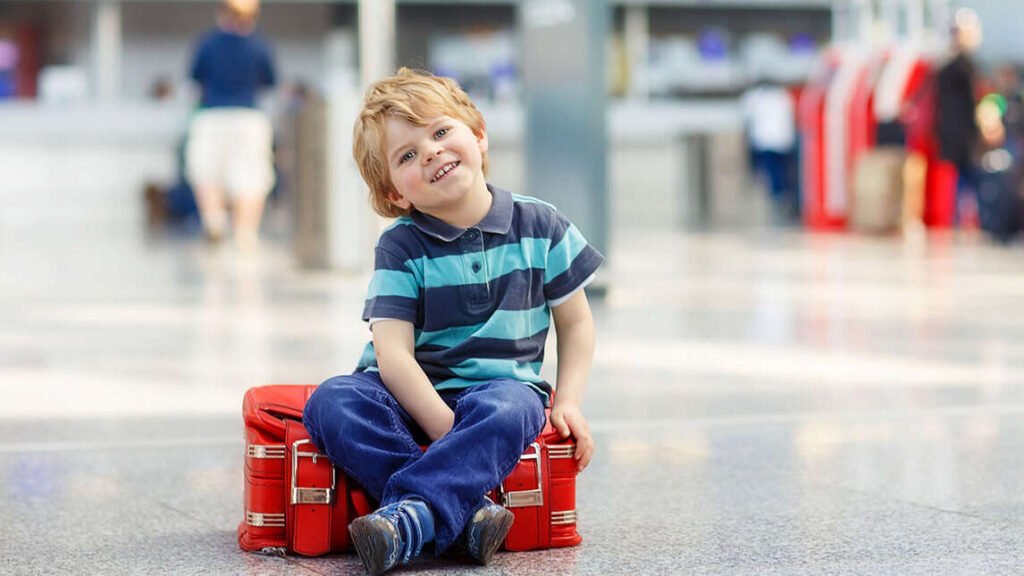
Choosing the right mode of transport can make a huge difference in your experience.
Travelling by Car
- Offers flexibility and comfort
- Allows frequent breaks
- Ideal for short to medium distances
Travelling by Train
- More space to move around
- Less restrictive than flights
- Good for longer journeys
Travelling by Flight
- Saves time for long distances
- Requires better planning
- Carry essentials in cabin luggage
Each option has its pros and cons. Choose based on your child’s age, travel time, and your comfort level.
Keeping Children Entertained During Travel
One of the biggest challenges is keeping children engaged during the journey.
Entertainment Ideas
- Storybooks and colouring books
- Puzzle games and small toys
- Downloaded cartoons or movies
- Music and audiobooks
- Interactive games like guessing or storytelling
Variety is key. Children get bored quickly, so switching activities helps keep them interested.
Managing Food and Snacks
Food plays a big role in your child’s mood during travel. Hunger often leads to irritability.
Smart Food Choices
- Healthy snacks like fruits and nuts
- Easy-to-carry items like sandwiches
- Avoid too much sugary food
- Keep hydration a priority
Always carry extra snacks. Delays can happen, and having food ready keeps children comfortable.
Handling Sleep and Routine
Maintaining a routine during travel is not always possible, but a basic structure helps.
Tips for Better Sleep
- Carry familiar items like a pillow or blanket
- Try to keep sleep timings consistent
- Avoid overstimulation before bedtime
- Create a calm environment
A well-rested child is easier to manage and more likely to enjoy the trip.
Safety Tips Every Parent Should Follow
Safety should always be a top priority when travelling with children.
Basic Safety Measures
- Keep identification details with the child
- Teach them basic contact information
- Use child safety gear when needed
- Stay alert in crowded places
- Keep emergency numbers handy
For younger children, consider using ID bands or tags. It adds an extra layer of security.
Managing Tantrums and Behaviour
Tantrums are part of travelling with children. The key is how you handle them.
Practical Strategies
- Stay calm and patient
- Identify triggers like hunger or tiredness
- Offer distractions
- Give simple choices
- Avoid overreacting
Children often act out when they feel uncomfortable or overwhelmed. Addressing the cause helps reduce the problem.
Budgeting for Family Travel
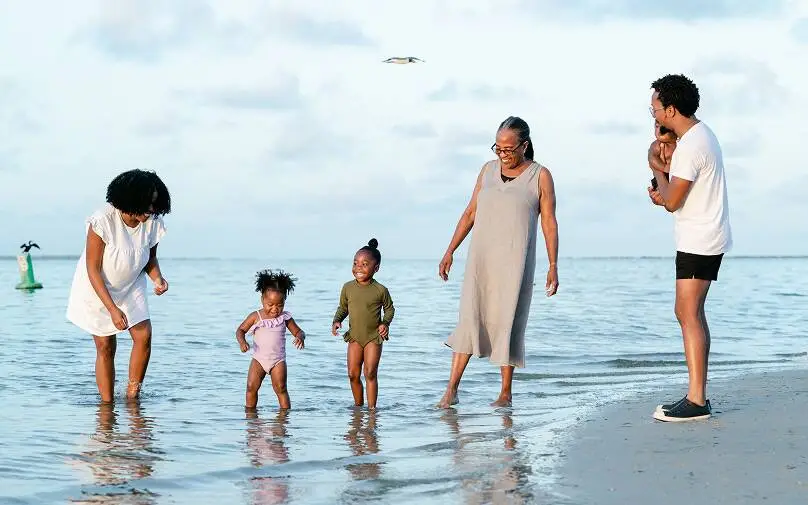
Travelling with children often brings additional expenses, but careful planning can make a significant difference. Instead of cutting corners, the focus should be on making thoughtful choices that balance comfort, experience, and cost. When you plan ahead and stay flexible, family travel becomes both enjoyable and financially manageable.
Book Tickets Early for Better Prices
One of the easiest ways to reduce travel costs is to book tickets well in advance. Whether you are travelling by flight, train, or bus, early bookings usually come with lower prices and better availability.
This also gives you the advantage of selecting comfortable seating arrangements for your family, which is especially helpful when travelling with young children. Waiting until the last moment often leads to higher fares and limited options, which can make the journey more stressful.
Choose Family-Friendly Accommodation
Accommodation is often one of the biggest expenses during a trip. Choosing the right place can help you save money while improving comfort. Family-friendly stays such as serviced apartments, budget hotels, or homestays often provide more space and useful facilities like kitchens or laundry services.
These features reduce your daily expenses, especially for meals and basic needs. A well-chosen stay also ensures that your children feel relaxed, which makes the overall trip smoother.
Look for Free or Low-Cost Attractions
Not every memorable experience comes with a high price tag. Many destinations offer beautiful parks, beaches, historical sites, and local markets that are either free or very affordable. These places often provide a more authentic experience and allow children to explore freely.
Planning your itinerary around such attractions helps you control costs while still creating meaningful experiences for your family.
Carry Snacks to Reduce Food Expenses
Food expenses can quickly add up, especially when travelling with children who may need frequent meals or snacks. Carrying simple, healthy snacks like fruits, sandwiches, or homemade items helps reduce unnecessary spending.
It also ensures that your children have something familiar to eat, which can be comforting during travel. This small step not only saves money but also helps avoid situations where suitable food options are not easily available.
Use Public Transport When Possible
Using public transport is a practical way to reduce travel costs within your destination. Buses, trains, and metro systems are often more affordable than taxis or private vehicles. They also give your children a chance to experience the local way of life, which adds an educational aspect to the journey. In many cities, public transport is well-connected and safe, making it a convenient option for families.
Sample Budget Table
| Expense Category | Estimated Cost Range |
|---|---|
| Transport | Medium to High |
| Accommodation | Medium |
| Food | Medium |
| Activities | Low to Medium |
| Miscellaneous | Low |
Planning your budget in advance prevents unnecessary spending and keeps your trip stress-free.
Choosing Family-Friendly Accommodation
Where you stay affects your overall travel experience.
What to Look For
- Spacious rooms
- Child-friendly facilities
- Safe environment
- Easy access to attractions
- Availability of food options
Hotels, serviced apartments, and homestays are good options. Choose what suits your family size and comfort.
Health and Hygiene While Travelling
Keeping your child healthy during travel is essential.
Health Tips
- Carry basic medicines
- Maintain hygiene with wipes and sanitiser
- Avoid unsafe food and water
- Keep your child hydrated
- Dress appropriately for weather
Being prepared helps you handle minor health issues quickly.
Making Travel Educational and Fun
Travel offers children a natural way to learn without pressure. When they step outside their usual environment, every new place, sound, and experience becomes a lesson. The key is to turn these moments into engaging opportunities that feel like fun rather than study.
Visit Museums and Cultural Sites
Museums, historical landmarks, and cultural centres introduce children to stories, art, and history in a visual and interactive way. Many places now include child-friendly sections where learning is presented through games, models, and hands-on activities. These visits help children connect with the past and understand how different cultures live and grow.
Teach Them About Local Traditions
Every destination has its own traditions, food, and way of life. Sharing these details with your child helps them see the world from a broader perspective. You can talk about local festivals, clothing styles, or daily habits. Even simple observations, like how people greet each other or what they eat, can become meaningful lessons.
Encourage Them to Ask Questions
Children are naturally curious, and travel often increases that curiosity. Encourage them to ask questions about what they see around them. Answering their questions, or even exploring the answers together, makes the experience more interactive. It also helps develop their thinking and communication skills.
Involve Them in Planning Activities
Including children in the planning process makes them feel important and excited about the trip. Let them choose between a park, a museum, or a fun activity. When they have a say in the plan, they are more likely to stay engaged and enjoy the experience fully.
Learning That Stays for Life
Travel-based learning feels natural and enjoyable, which is why children remember it longer. Instead of memorising facts, they experience them in real life. These moments not only build knowledge but also shape their confidence, curiosity, and understanding of the world around them.
Creating Memorable Experiences
The goal is not just to travel, but to create meaningful moments.
Ideas for Special Memories
- Take family photos
- Keep a travel journal
- Try local food together
- Celebrate small moments
These experiences strengthen family bonds and make trips more meaningful.
Common Mistakes to Avoid
Avoiding common mistakes can make your trip smoother.
Mistakes Parents Often Make
- Overpacking
- Planning too many activities
- Ignoring child’s routine
- Not carrying enough snacks
- Expecting everything to go perfectly
Flexibility is important. Accept that not everything will go as planned, and that is okay.
Tips for Travelling With Toddlers

Travelling with toddlers is a completely different experience compared to travelling with older children. At this stage, they are full of energy, curiosity, and emotions, which means they need extra care, flexibility, and attention throughout the journey. The key is not to aim for a perfect trip, but to create a comfortable and manageable experience for both you and your child.
Stick to a Simple Routine
Toddlers feel more secure when they follow a familiar routine. While travel may disrupt daily schedules, trying to maintain basic patterns like meal times and sleep routines can make a big difference. Even small efforts, such as keeping bedtime consistent or following their usual nap schedule, help reduce crankiness and make them feel more at ease in a new environment.
Carry Favourite Toys
A toddler’s favourite toy can be a powerful comfort tool during travel. Whether it is a soft toy, a small car, or a familiar book, these items provide a sense of security in unfamiliar surroundings. They can also serve as a quick distraction during long journeys or waiting times, helping to keep your child calm and engaged.
Plan Frequent Breaks
Toddlers find it difficult to sit still for long periods. Planning regular breaks during your journey allows them to stretch, move around, and release energy. If you are travelling by car, stop at safe and open places where they can walk or play for a few minutes. These short breaks can prevent restlessness and make the journey smoother.
Keep Them Engaged With Activities
Keeping toddlers busy is essential to avoid boredom and frustration. Simple activities such as colouring books, small puzzles, or interactive games can keep them entertained for longer periods. Rotating activities instead of giving everything at once helps maintain their interest throughout the journey.
Be Prepared for Sudden Mood Changes
Toddlers can switch from happy to upset very quickly, especially when they are tired, hungry, or overwhelmed. Being prepared for these mood changes is important. Carry snacks, keep hydration in check, and be ready to comfort them when needed. Staying calm during these moments helps your child settle down faster.
Patience Is Your Best Tool
Patience plays the most important role when travelling with toddlers. There will be unexpected situations, delays, or emotional moments, but handling them calmly makes a big difference. When you stay relaxed, your child is more likely to feel secure and respond positively. A flexible approach allows you to enjoy the journey without unnecessary stress.
Tips for Travelling With School-Age Children
Older children are easier to manage but still need engagement.
Useful Strategies
- Involve them in planning
- Give them small responsibilities
- Encourage independence
- Keep them entertained
- Set clear expectations
They enjoy being part of the journey and feel more excited when involved.
Travel Checklist for Parents
Having a checklist ensures you do not forget anything important.
Complete Checklist
- Travel documents
- Tickets and bookings
- Clothes and essentials
- Medicines and first aid
- Snacks and water
- Entertainment items
- Hygiene products
A checklist keeps everything organised and reduces stress.
Must Read:
- Family Travel With Young Children
- Best Family-Friendly Activities
- Outdoor Vacation Ideas With a Toddler
Final Thoughts:
Travelling with children is not about perfection. It is about shared experiences, laughter, and learning together. There will be moments of chaos, but those moments often turn into the best memories later.
With the right planning, a flexible mindset, and a focus on your child’s comfort, travel becomes easier and more enjoyable. Every trip helps your child grow, explore, and connect with the world in a meaningful way.
Take that trip you have been postponing. Start small if needed, but start. The memories you create will be worth every effort.