
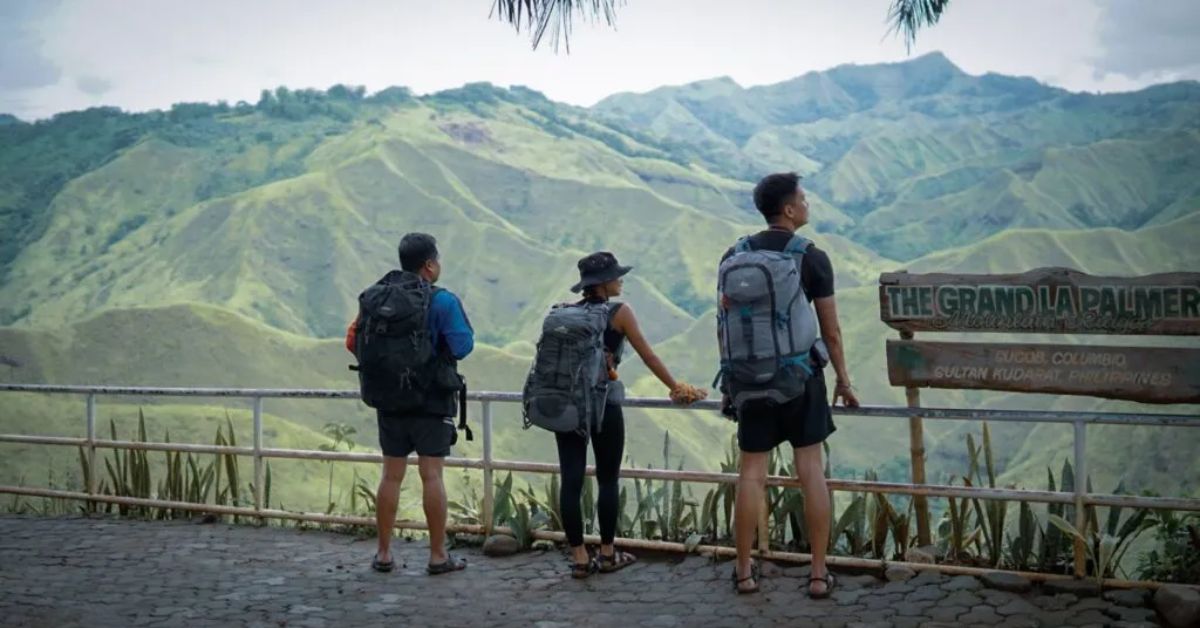
Mindanao is where hiking in the Philippines feels raw, spacious, and deeply grounded. This southern island is shaped by volcanoes, ancient forests, crater lakes, and mountain ranges that still feel wild compared to more developed hiking destinations. Trails here are not rushed experiences. They unfold slowly, often demanding patience, physical effort, and respect for the land and the people who protect it.
Hiking in Mindanao is not about chasing popularity. It is about immersion. You climb through thick rainforests where light barely reaches the ground. You walk across grasslands shaped by wind and altitude. You reach summits that look out over entire provinces, sometimes without another hiker in sight. Many mountains are considered sacred, and local guides often share stories that give the trail meaning beyond scenery.
This long-form guide explores the best hiking trails in Mindanao in detail. Each section follows a clear structure, and every major heading is followed by a short introductory paragraph to keep the article organized and easy to read. Whether you are a first-time trekker or an experienced hiker looking for serious climbs, Mindanao offers trails that leave a lasting impression.
Why Mindanao Is Ideal for Hiking
Mindanao stands apart because of its scale and diversity. The island is home to several of the highest peaks in the Philippines, including the tallest of all. Elevation changes are dramatic, and ecosystems shift quickly as you climb. In one hike, you may move from tropical rainforest to mossy cloud forest and then into open volcanic terrain.
Cultural depth is another reason Mindanao is special. Many hiking trails pass through ancestral lands cared for by indigenous communities for generations. Mountains are often considered sacred spaces. Hiking here requires respect, permits, and local guides, which adds cultural awareness to the journey.
Another advantage is solitude. Compared to popular mountains near major cities, Mindanao’s trails are far less crowded. Even well-known hikes feel peaceful, allowing hikers to move at their own pace and experience nature without constant noise or congestion.
Best Time to Hike in Mindanao
Choosing the right season is essential for safety and enjoyment.
The best time to hike in Mindanao is from March to May. These months are generally drier, with clearer trails and more reliable summit views. Temperatures can be warm at lower elevations but remain cool higher up.
The rainy season from June to October brings frequent downpours. Trails become muddy, river crossings are more dangerous, and landslides are possible. Many protected areas restrict or suspend hiking during this period.
From November to February, temperatures are cooler, but weather can change quickly. Sudden rain and strong winds are common, especially on exposed ridges. Always check local advisories and secure permits early.
1. Mount Apo
The Highest Peak in the Philippines
Mount Apo is the most iconic hiking destination in Mindanao and the highest mountain in the country. It attracts hikers seeking both challenge and variety rather than a single type of terrain.
Mount Apo feels like several mountains combined into one journey. Each day on the trail reveals a different landscape, keeping the experience engaging from start to finish.
What Makes Mount Apo Special
Mount Apo is known for its remarkable diversity. Lower slopes are covered in dense rainforest filled with birds and rare wildlife. Higher up, hikers encounter mossy forests, sulfur vents, boulder fields, and wide grasslands. Sunrise at the summit often reveals a sea of clouds stretching across Mindanao.
Trail Difficulty and Duration
This is a moderate to difficult multi-day hike. Most routes take 2 to 4 days, depending on pace and trail choice. Popular routes include Kidapawan, Kapatagan, and Sta. Cruz, each offering different scenery and difficulty.
Who Should Hike It
Mount Apo is best suited for hikers with good physical fitness and some trekking experience. Beginners can attempt it with proper training, pacing, and licensed guides.
2. Lake Holon
The Most Scenic Crater Lake Hike
Lake Holon is often described as the most beautiful lake hike in the Philippines. It sits inside the crater of Mount Parker, hidden within forested slopes in South Cotabato.
The trail feels welcoming and calm, making it one of the most visually rewarding hikes in Mindanao.
What Makes Lake Holon Special
The lake’s near-perfect shape and clear waters create a peaceful atmosphere. Campsites near the shoreline offer stunning reflections during sunrise and sunset. The surrounding crater walls make the area feel secluded and quiet.
Trail Difficulty and Duration
This is a moderate hike that typically takes 4 to 6 hours one way. Many hikers choose to camp overnight, while others complete it as a long day hike.
Who Should Hike It
Lake Holon is ideal for beginners with basic fitness, families with hiking experience, and photographers seeking scenic rewards without extreme difficulty.
3. Mount Hamiguitan Range
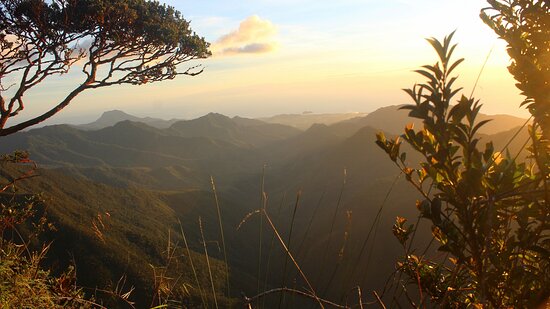
A UNESCO World Heritage Trail
Mount Hamiguitan is one of the most ecologically unique hiking destinations in the Philippines. It is protected as a UNESCO World Heritage Site and is known for its rare ecosystems.
Hiking here feels educational as much as physical.
What Makes Mount Hamiguitan Unique
The upper slopes are home to a pygmy forest where trees grow only a few feet tall due to mineral-rich soil and harsh conditions. Many plant and animal species found here exist nowhere else in the world.
Trail Difficulty and Duration
This is a moderate hike that usually takes 1 to 2 days. Permits and accredited guides are required, and daily hiker limits are enforced.
Who Should Hike It
Best for hikers interested in biodiversity, conservation, and unique landscapes rather than summit views alone.
4. Mount Kitanglad Range
Sacred Peaks of the Highlands
The Mount Kitanglad Range is one of Mindanao’s most respected mountain systems. It includes several major peaks, including Mount Dulang-Dulang, one of the highest mountains in the country.
The atmosphere here feels remote and deeply spiritual.
What Makes Kitanglad Special
Dense mossy forests, cold temperatures, and untouched terrain define this range. Indigenous communities consider these mountains sacred, and hikers are expected to follow cultural protocols.
Trail Difficulty and Duration
Hikes in this range are difficult and usually take 2 to 3 days. Trails are often muddy and physically demanding, especially during cooler months.
Who Should Hike It
Recommended for experienced hikers seeking challenging climbs and meaningful cultural experiences.
5. Mount Matutum
A Steep and Striking Volcano
Mount Matutum is known for its near-perfect cone shape and steep forested slopes. It rises sharply above surrounding farmland in South Cotabato.
This hike is short but intense.
What Makes Mount Matutum Special
The contrast between dense rainforest and open summit views is dramatic. On clear days, hikers can see surrounding provinces and nearby mountains.
Trail Difficulty and Duration
Mount Matutum is a difficult hike that usually takes 1 to 2 days. Expect steep ascents, slippery trails, and limited flat sections.
Who Should Hike It
Best for physically fit hikers who enjoy steep climbs and fast elevation gain.
6. Mount Malindang Range
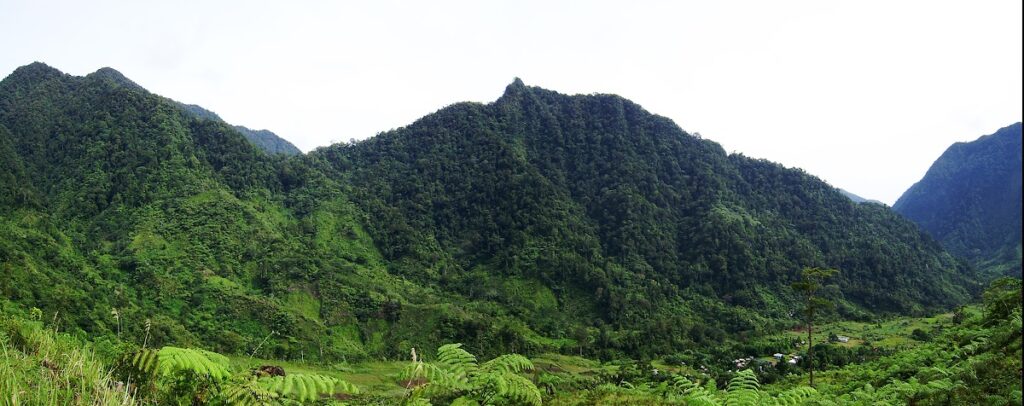
Remote Trails and Hidden Lakes
The Mount Malindang Range is one of Mindanao’s least explored hiking areas. It offers solitude, raw landscapes, and a sense of true remoteness.
Hiking here feels like stepping far from modern routines.
What Makes Mount Malindang Special
The range features crater lakes, waterfalls, and dense forest trails with minimal foot traffic. Wildlife sightings are more common due to low human presence.
Trail Difficulty and Duration
These hikes range from moderate to difficult, often taking 2 to 4 days depending on the chosen route.
Who Should Hike It
Ideal for adventurous hikers who value solitude and are comfortable with limited facilities.
Essential Hiking Tips for Mindanao
Hiking in Mindanao is deeply rewarding, but it requires more preparation than many other destinations in the Philippines. Trails are often remote, weather can change quickly, and cultural respect is essential. These practical tips will help you hike safely, responsibly, and with confidence.
Plan Permits and Guides in Advance
Many mountains in Mindanao are protected areas or ancestral domains. Permits are often required, and some trails strictly require accredited local guides. Do not treat this as a formality. Guides are familiar with weather patterns, trail conditions, and cultural protocols. They also play a key role in safety and emergency response. Arrange permits and guides several days ahead, especially during peak hiking months.
Respect Indigenous Culture and Sacred Lands
Several mountains in Mindanao are considered sacred by indigenous communities. This means certain behaviors may be restricted, such as loud noise, improper clothing, or careless actions at summits and campsites. Always listen to your guide, ask questions respectfully, and follow local customs. Hiking becomes more meaningful when you understand the cultural value of the land you are walking on.
Prepare for Weather Changes
Mindanao’s weather can shift rapidly, particularly at higher elevations. Clear mornings can turn into rainy afternoons with little warning. Always bring a waterproof jacket, dry bags, and extra clothing layers. Even during the dry season, rain is possible. Wet conditions can make trails slippery and significantly increase difficulty.
Pack Smart, Not Heavy
Because many trails are steep and remote, carrying unnecessary weight quickly becomes exhausting. Pack only essentials: enough water, high-energy food, basic first aid supplies, navigation tools, headlamp, and emergency items. Avoid relying solely on mobile phones for navigation, as signal is unreliable in many areas.
Wear Proper Footwear
Trail conditions in Mindanao range from muddy rainforest paths to rocky volcanic slopes. Good hiking shoes with strong grip are essential. Trail running shoes may work for easier hikes, but boots are safer for multi-day or steep climbs. Break in your footwear before the hike to avoid blisters.
Understand Your Physical Limits
Mindanao’s mountains are not ideal for rushing or overestimating ability. Many hikes involve long ascents, heavy humidity, and limited exit points. Choose trails that match your fitness and experience level. Take regular breaks, hydrate frequently, and communicate honestly with your group and guide if you feel unwell or fatigued.
Practice Leave No Trace Principles
Most hiking areas in Mindanao remain clean because of low traffic and strong local stewardship. Do your part by packing out all trash, avoiding damage to plants, and using established campsites. Do not take souvenirs from nature, including rocks or plants. Respect wildlife by observing quietly and from a distance.
Prioritize Safety Over Summits
Reaching the summit is never more important than returning safely. If weather deteriorates or conditions feel unsafe, turning back is the right decision. Experienced hikers know that mountains will always be there for another attempt. Safety decisions should be respected without debate.
Communicate Your Plans
Before any hike, inform someone reliable of your itinerary, including expected return time. In remote areas, this simple step can be critical during emergencies. Some regions may also require registration at ranger stations, which further improves safety.
Stay Mentally Prepared
Mindanao hikes often test patience as much as endurance. Trails can be muddy, slow, and demanding. Approach each hike with flexibility and respect for the environment. The reward comes not only from the destination but from the experience itself.
With proper preparation, hiking in Mindanao becomes one of the most fulfilling outdoor experiences in the Philippines.
Must Read:
- Places to Visit in Thailand for First-Time Travelers
- Badlands National Park Southern Dakota America
- Top Family-Friendly Destinations for Every Traveler
Final Thoughts:
Mindanao is one of the most rewarding hiking destinations in the Philippines. Its trails offer challenge, beauty, and cultural depth without overwhelming crowds. Each hike tells a different story shaped by nature and tradition.
If you hike not just to reach summits but to experience landscapes fully, Mindanao deserves a place at the top of your list.