
Traveling is one of the best ways to explore new places, experience different cultures, and create unforgettable memories. However, every trip comes with certain risks, from lost luggage and minor injuries to theft, power outages, unexpected weather, and other emergencies. Carrying the right travel safety gear can help you prepare for these situations and enjoy your journey with greater peace of mind.
Modern travel safety products are designed to be compact, lightweight, and easy to use. You do not need to carry a huge emergency kit everywhere you go. A few carefully selected items can provide valuable protection for your personal belongings, health, documents, electronic devices, and overall safety.
Whether you are planning an international vacation, solo trip, road trip, business journey, camping adventure, or family holiday, having the right safety essentials can make a significant difference.
In this guide, we explore the top 10 best travel safety gear essentials that every traveler should consider. We will also discuss how to choose the right products, how to use them effectively, and what additional safety precautions can make your trip safer.
Top 10 Best Travel Safety Gear
The best travel safety equipment depends on your destination, transportation, accommodation, and activities. However, some safety products are useful for almost every type of traveler.
Here are the 10 most practical travel safety essentials:
- Anti-Theft Travel Backpack
- Portable Door Lock
- Personal Safety Alarm
- Travel First Aid Kit
- RFID-Blocking Wallet
- Luggage Locks
- Portable Power Bank
- Emergency Flashlight
- Money Belt or Hidden Travel Pouch
- Travel Water Purification Bottle
Let’s take a closer look at each item and understand why it deserves a place in your travel kit.
1. Anti-Theft Travel Backpack
An anti-theft travel backpack is one of the most practical pieces of safety gear for travelers. Backpacks are convenient because they allow you to carry electronics, documents, water bottles, chargers, and other essentials while keeping your hands free.
However, traditional backpacks can sometimes make it easier for someone to access your belongings in crowded locations. Airports, train stations, buses, tourist attractions, markets, and busy streets can create opportunities for pickpocketing.
Anti-theft backpacks are designed with additional security features that can make unauthorized access more difficult. Depending on the model, these features may include hidden zippers, lockable compartments, cut-resistant materials, concealed pockets, and RFID-blocking sections.
Features to Look For
When choosing an anti-theft backpack, consider:
- Lockable zippers
- Hidden compartments
- Cut-resistant materials
- Water-resistant construction
- Padded laptop compartments
- Comfortable shoulder straps
- Reinforced stitching
- Multiple organizational pockets
The backpack should also be comfortable enough for extended use. A highly secure bag is not very useful if it becomes uncomfortable after an hour of walking.
For city travel, choose a compact design that keeps your valuables close to your body. For hiking or long trips, focus on capacity, weight distribution, ventilation, and durability.
An anti-theft backpack can be especially useful when carrying passports, smartphones, cameras, laptops, travel documents, and other valuable belongings.
2. Portable Door Lock
Accommodation security is another important consideration, particularly for solo travelers and people staying in unfamiliar hotels, hostels, rental properties, or guesthouses.
A portable door lock can provide an additional layer of security where compatible with the door. These devices are generally small and lightweight, making them easy to carry inside a travel pouch.
Different types of portable door security products include:
- Portable door locks
- Door wedges
- Doorstop alarms
- Compact door reinforcement devices
Before purchasing one, check how the product works and what type of door it supports. Not every portable lock is compatible with every door design.
A portable door lock should be viewed as an additional security measure rather than a replacement for the accommodation’s existing locks or emergency procedures.
When staying somewhere unfamiliar, always identify emergency exits and follow the property’s safety instructions.
3. Personal Safety Alarm
A personal safety alarm is a small device that produces a loud sound when activated. It can be used to attract attention during a potentially dangerous situation or emergency.
The main benefit of a personal alarm is its simplicity. You do not need an internet connection, smartphone app, or complicated setup to activate most models.
You can typically attach a personal alarm to:
- A backpack
- Handbag
- Keychain
- Belt loop
- Jacket
- Travel pouch
What to Consider Before Buying
Look for a model with:
- A loud alarm
- Easy activation
- Long battery life
- Compact design
- Durable construction
- An accessible activation button or pin
Keep the alarm somewhere you can reach quickly. Storing it deep inside your luggage defeats much of its purpose.
A personal alarm is not a substitute for situational awareness. Travelers should still avoid isolated locations when possible, follow local safety advice, and stay aware of their surroundings.
4. Travel First Aid Kit
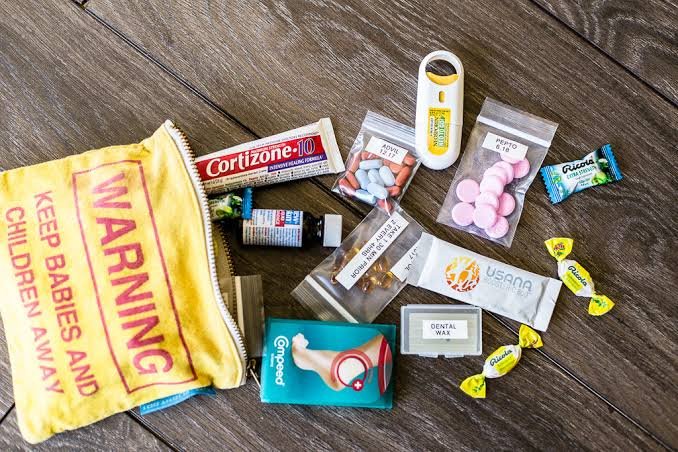
A travel first aid kit is one of the most useful safety essentials because minor injuries can happen during almost any trip.
Walking for long periods can result in blisters. Outdoor activities can lead to minor cuts or scrapes. Travelers can also experience headaches, minor stomach problems, or other common issues.
A compact first aid kit can help you deal with minor problems without immediately searching for a pharmacy.
What Should a Travel First Aid Kit Include?
Depending on your needs, a basic kit may contain:
- Adhesive bandages
- Gauze
- Medical tape
- Antiseptic wipes
- Disposable gloves
- Tweezers
- Small scissors where permitted
- Blister treatment
- Basic over-the-counter medication
- Personal medications
If you take prescription medication, carry enough for the trip and keep it stored appropriately. When traveling internationally, check the destination’s regulations before carrying prescription or controlled medications.
A first aid kit should be adapted to your destination. A short city break may only require a small pouch, while hiking or camping trips may require more comprehensive supplies.
Remember that a travel first aid kit is designed for basic first aid. Serious injuries and medical emergencies require professional medical assistance.
5. RFID-Blocking Wallet
A wallet is another important part of your travel security setup. An RFID-blocking wallet is designed to reduce unauthorized RFID communication with compatible contactless cards.
These wallets typically contain a protective layer intended to block RFID signals.
A good travel wallet should be compact while providing enough room for the cards and identification you actually need.
Features to Consider
Look for:
- Secure card slots
- Durable construction
- Compact size
- Easy access
- Space for emergency cash
- RFID-blocking protection
However, RFID protection should not be considered a complete financial security solution.
Travelers should also avoid carrying unnecessary cards, monitor bank accounts for suspicious transactions, and keep backup payment methods stored separately.
One useful strategy is to carry only the cards you need for the day while keeping emergency funds and backup cards in a separate secure location.
6. Luggage Locks
Luggage can pass through several locations during a journey, including airports, hotels, buses, trains, and storage facilities. A luggage lock can add another basic layer of protection.
Luggage locks are available in different designs, with combination locks being particularly convenient because you do not need to carry a separate key.
How to Choose a Luggage Lock
Consider:
- Strong construction
- Durable shackle
- Easy-to-use combination mechanism
- Suitable size
- Compatibility with your luggage
- Security requirements for air travel
If you are flying, check the current requirements of your airline and relevant airport security authorities. Depending on your destination, a security-approved lock may be appropriate.
A luggage lock is not designed to make your suitcase impossible to open. Instead, it can discourage casual tampering and make unauthorized access more difficult.
Avoid putting your most valuable items in checked luggage whenever possible. Passports, important documents, essential medication, electronics, and emergency cash are generally better kept with you.
7. Portable Power Bank
A portable power bank may not immediately appear to be travel safety equipment, but it can become extremely valuable during an unexpected situation.
Your smartphone can provide access to maps, hotel information, transportation details, emergency contacts, translation tools, banking services, and communication.
If your phone battery reaches zero while you are in an unfamiliar place, you could lose access to many of these important resources.
A reliable power bank gives you a backup source of power when electrical outlets are unavailable.
What to Look For
Consider:
- Battery capacity
- Charging speed
- Size and weight
- Number of charging ports
- Device compatibility
- Safety certifications
- Airline transportation requirements
Always check the current airline rules before flying with a power bank because restrictions can apply to lithium-ion batteries.
It is also smart to carry the correct charging cables and a suitable wall adapter.
For long journeys, keeping both your phone and power bank charged before leaving your accommodation can help prevent avoidable problems.
8. Emergency Flashlight
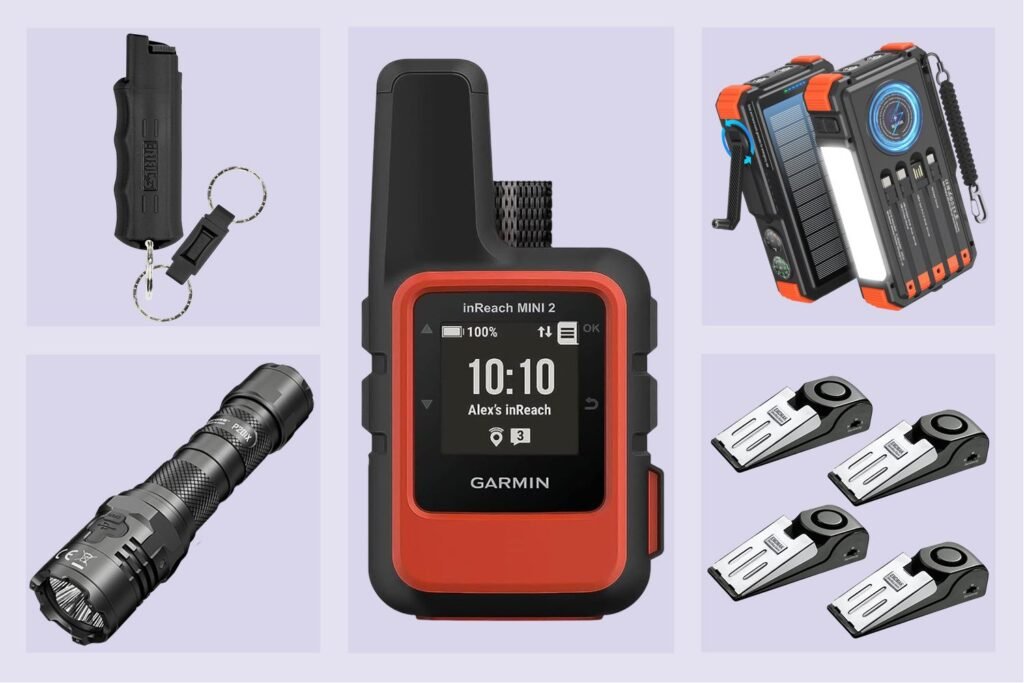
A compact emergency flashlight is another simple but valuable travel safety tool.
Although smartphones usually include built-in flashlights, a dedicated flashlight can be more practical when you need continuous illumination for an extended period.
It can be useful during:
- Power outages
- Roadside emergencies
- Camping
- Hiking
- Nighttime travel
- Searching for items in dark areas
- Unexpected accommodation problems
Features to Look For
Choose a flashlight that offers:
- Bright illumination
- Long battery life
- Compact size
- Durable construction
- Simple controls
- Water resistance if needed
For outdoor trips, carrying a backup light source is also a good idea.
A flashlight takes up very little space, yet it can become extremely useful when normal lighting is unavailable.
9. Money Belt or Hidden Travel Pouch
A money belt or hidden travel pouch can help protect important documents and emergency funds while traveling.
These products are designed to be worn discreetly under clothing or close to the body. They can be useful for carrying:
- Passport
- Emergency cash
- Backup cards
- Identification
- Important travel information
One important rule is to avoid storing all your valuables in a single location.
For example, you might keep your everyday payment card in your regular wallet, emergency cash in a hidden pouch, and backup payment information in another secure location.
This strategy reduces the potential impact of losing one item.
A hidden travel pouch can be particularly useful in crowded tourist destinations, busy public transportation, and other places where travelers may be concerned about pickpocketing.
10. Travel Water Purification Bottle
Safe drinking water is an important part of travel preparation, especially for outdoor adventures and trips to areas where water quality may vary.
A travel water purification bottle or suitable portable water treatment system can provide an additional option for treating water, depending on the product’s specifications.
Not every filter or purification bottle removes the same contaminants. Some are designed to filter particles and certain microorganisms, while others provide different levels of treatment.
What to Check Before Buying
Look at:
- Contaminants the product is designed to address
- Filter lifespan
- Replacement filter availability
- Bottle capacity
- Weight
- Cleaning requirements
- Testing or certification information
Do not assume that a portable filter makes every water source safe. Research your destination and follow local or official health recommendations.
For hiking, camping, and remote travel, a reliable water treatment method can be an important component of an emergency preparedness kit.
How to Choose the Best Travel Safety Gear
There are hundreds of travel security products available today, but you do not need all of them.
The best approach is to choose gear based on your destination, activities, transportation, accommodation, and personal needs.
Consider Your Destination
Different destinations can require different types of preparation.
For example, a city vacation may make an anti-theft backpack, luggage lock, personal alarm, and portable charger particularly useful.
An outdoor adventure may require a first aid kit, flashlight, water treatment system, emergency communication equipment, and weather-appropriate supplies.
Before your trip, research:
- Local safety conditions
- Weather
- Transportation
- Medical facilities
- Water quality
- Local laws
- Emergency numbers
- Common tourist risks
Destination-specific research allows you to build a more practical travel safety kit.
Consider Your Travel Style
Your travel style should also influence your choices.
Solo travelers may benefit from personal alarms, portable door locks, hidden travel pouches, and compact first aid kits.
Business travelers may prioritize secure backpacks, luggage locks, portable chargers, and document organizers.
Backpackers should focus on lightweight and durable safety products that do not take up unnecessary space.
Family travelers may need larger first aid supplies, additional charging equipment, secure luggage, and age-appropriate safety items.
Outdoor travelers may require flashlights, water purification equipment, first aid supplies, emergency communication devices, and weather protection.
The best travel safety gear is always the gear that fits your actual journey.
Choose Lightweight and Durable Products
Travelers already have enough luggage to manage, so safety equipment should ideally be compact and lightweight.
Before purchasing a product, ask yourself:
- Will I realistically use it?
- Is it easy to carry?
- Is it durable?
- Does it solve a genuine travel problem?
- Can I operate it quickly?
- Does it work without complicated technology?
A simple and reliable safety product can often be more useful than a sophisticated gadget that is difficult to operate.
Travel Safety Tips Beyond Safety Gear
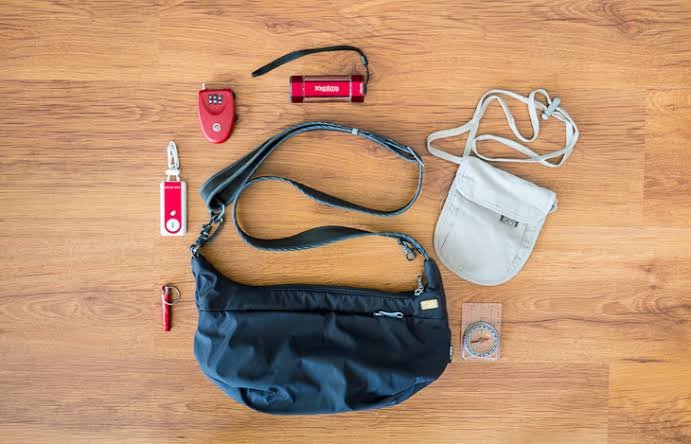
Buying travel safety equipment is only one part of staying safe. Your habits and preparation are equally important.
Keep Digital Copies of Important Documents
Before leaving home, create secure digital copies of important travel documents.
These may include:
- Passport
- Visa
- Travel insurance information
- Hotel reservations
- Transportation tickets
- Emergency contacts
- Identification documents
Store them securely and make sure you can access them when necessary.
Avoid keeping sensitive information in unsecured public locations or sharing documents unnecessarily.
Keep Emergency Contacts Accessible
Save important emergency numbers on your phone before your trip.
You should know how to contact local emergency services, your accommodation, travel insurance provider, and trusted contacts.
It is also useful to keep essential information available offline in case you lose mobile connectivity.
Share Your Travel Plans
If you are traveling alone or visiting a remote destination, consider sharing your basic itinerary with someone you trust.
They should know your general destination, accommodation, and expected travel schedule.
This can make it easier for someone to assist you if your plans change unexpectedly.
Protect Your Electronic Devices
Smartphones, tablets, cameras, and laptops can be expensive and may contain sensitive information.
Use strong passwords, enable device security features, and avoid leaving valuable electronics unattended in public places.
Back up important information before your trip so that losing a device does not automatically mean losing important data.
Be Careful With Public Wi-Fi
Public Wi-Fi can be convenient at airports, hotels, restaurants, and cafes. However, travelers should be careful when accessing sensitive accounts through unfamiliar networks.
When possible, use trusted networks and secure connections. Avoid entering sensitive financial information on suspicious websites or unsecured pages.
Avoid Carrying Everything Together
One of the simplest travel safety strategies is to avoid keeping all your valuables in one location.
Do not carry your passport, all your cash, every payment card, electronics, and important documents together unless necessary.
Separating essential items can reduce the consequences of theft or loss.
Stay Aware of Your Surroundings
Good situational awareness is one of the most important forms of travel safety.
Pay attention when arriving in a new location. Keep your belongings close in crowded places and avoid displaying large amounts of cash or expensive electronics.
Be especially cautious when someone unexpectedly distracts you or when you are approached with unusual requests.
Best Travel Safety Gear for Different Types of Trips
Different journeys require different safety essentials. The following table provides a simple starting point.
| Type of Trip | Recommended Travel Safety Gear |
|---|---|
| International Vacation | Anti-theft backpack, luggage lock, RFID wallet, power bank |
| Solo Travel | Personal alarm, portable door lock, first aid kit, hidden pouch |
| Road Trip | First aid kit, flashlight, power bank, emergency supplies |
| Hiking | First aid kit, flashlight, water purification system, emergency communication device |
| Camping | Flashlight, first aid kit, water treatment equipment, emergency supplies |
| Business Travel | Secure backpack, luggage lock, power bank, document organizer |
| Family Vacation | First aid kit, secure luggage, power bank, personal safety items |
Common Travel Safety Mistakes to Avoid
Even the best travel safety gear will not be effective if it is not used correctly.
One common mistake is buying products without checking whether they are suitable for your trip. For example, a portable door lock may not work with every type of door, while a water filter may not be designed to remove every type of contaminant.
Another mistake is keeping emergency equipment inaccessible. A flashlight buried underneath clothes or a first aid kit stored inside checked luggage may not be immediately available when needed.
Travelers should also avoid relying completely on technology.
Smartphones, GPS devices, apps, and electronic systems can fail because of dead batteries, poor connectivity, technical problems, or other unexpected circumstances.
A better approach is to combine technology with traditional preparation.
Carry backup charging options, keep important information accessible offline, and know basic emergency procedures.
How to Build a Practical Travel Safety Kit
You do not need a large suitcase filled with emergency equipment.
Start with a small collection of essential items based on your trip.
For a typical vacation, your basic kit could include:
- Anti-theft backpack
- Travel first aid kit
- Luggage lock
- Personal alarm
- Portable power bank
- Secure travel wallet
- Emergency flashlight
If you are going outdoors, consider adding appropriate water treatment equipment, additional first aid supplies, weather protection, and emergency communication tools.
Before packing, test your equipment.
Check whether your flashlight works, charge your power bank, inspect your first aid supplies, and confirm that locks and alarms function correctly.
Preparation before departure can prevent unnecessary problems during your journey.
Must Read:
- Best Luggage Bags: Types, Features & Buying Tips for Travelers
- Travel Suitcases With Wheels: Best Types, Features & Buying Tips
- Best Portable Air Pump for Road Trips
Final Thoughts:
The best travel safety gear does not have to be expensive, complicated, or bulky. The most valuable products are practical items that address common travel problems and can be used quickly when needed.
An anti-theft backpack can help protect your belongings in crowded locations. A personal alarm can attract attention during an emergency. A first aid kit can help with minor injuries, while a portable power bank can keep your phone working when you need communication or navigation.
Other essentials, including luggage locks, RFID-blocking wallets, emergency flashlights, portable door locks, hidden travel pouches, and suitable water purification products, can provide additional layers of preparedness.
However, travel safety is about more than equipment. Good planning, situational awareness, secure document storage, responsible financial habits, and knowledge of local conditions are equally important.
Before every trip, consider where you are going, what activities you will participate in, how you will travel, and what unexpected situations you might encounter. Then choose your safety gear accordingly.
The goal is not to prepare for every possible problem. It is to be prepared enough to handle common issues calmly and effectively.
With the right combination of travel safety gear, preparation, and common sense, you can reduce unnecessary risks and focus more on enjoying your trip.
A safe journey starts before you leave home. Take a little time to prepare your travel essentials, protect your valuables, organize emergency supplies, and understand your destination. Those simple steps can make your trip more comfortable, confident, and enjoyable.