
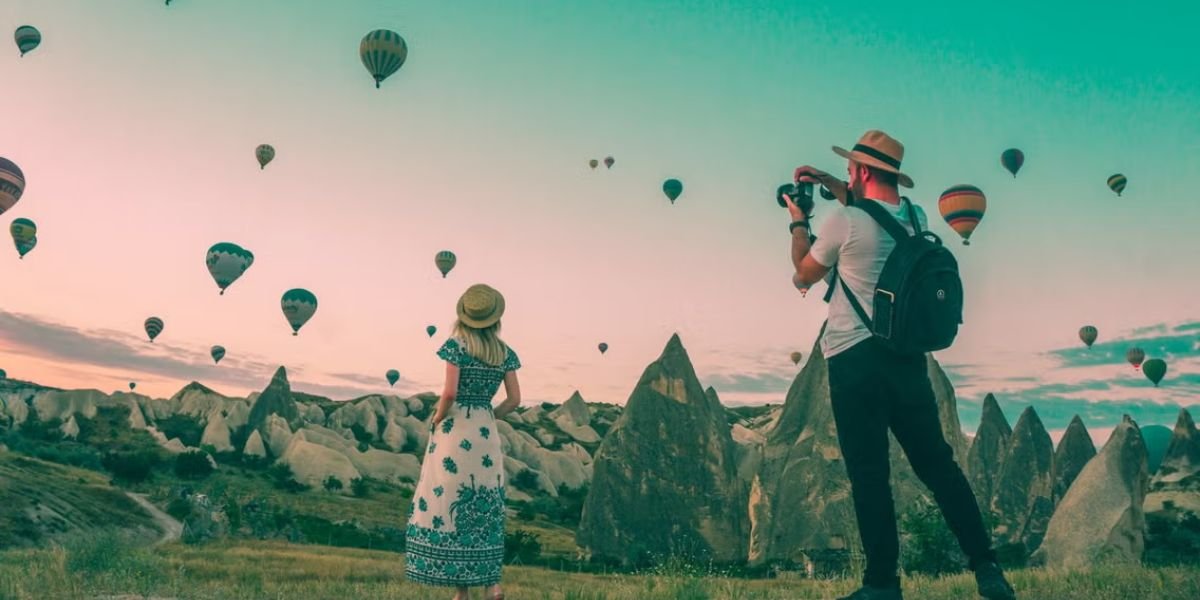
Travel photography tips can completely change the way people capture memories during trips. A simple photo can tell a story, preserve emotions, and bring back unforgettable moments years later. Whether someone travels with a smartphone or a professional camera, learning practical travel photography tips helps create images that feel alive and meaningful.
Many travellers take hundreds of photos but still feel disappointed when the pictures look dull, blurry, or poorly framed. The good news is that great travel photography is not only for professionals. With the right travel photography tips, anyone can improve photo quality, create eye-catching shots, and build a memorable travel collection.
This guide covers everything from camera settings and composition to lighting, editing, packing gear, and social media sharing. These travel photography tips are written in a simple and practical way so beginners and experienced travellers can improve their skills quickly while enjoying every adventure.
Why Travel Photography Matters?
Travel photography tips are valuable because photographs preserve moments that words often cannot describe. A photo from a mountain sunrise, local street market, or beach sunset captures emotions instantly.
Good travel photography also helps travellers:
- Preserve memories for years
- Share experiences with friends and family
- Create engaging social media content
- Build travel blogs or online portfolios
- Inspire other people to travel
- Improve creativity and observation skills
Many travellers later regret not taking better photos during important trips. Following travel photography tips allows people to return home with meaningful visual memories instead of random snapshots.
Essential Travel Photography Equipment
Travel photography tips often begin with choosing the right equipment. Expensive gear is not always necessary, but reliable tools make photography easier and more enjoyable.
Basic Travel Photography Gear Checklist
| Equipment | Purpose |
|---|---|
| Smartphone or Camera | Capturing travel images |
| Extra Batteries | Prevents power issues |
| Memory Cards | Extra storage space |
| Lightweight Tripod | Stable low-light photos |
| Camera Bag | Protects equipment |
| Cleaning Cloth | Keeps lens clean |
| Portable Hard Drive | Backup photos |
| Power Bank | Charges devices during travel |
Smartphone vs Camera for Travel Photography
Travel photography tips apply to both smartphones and cameras. Smartphones are lightweight, easy to carry, and perfect for casual travellers. Modern phones also include excellent portrait and night photography modes.
Cameras provide better image quality, stronger zoom capabilities, and more control over settings. DSLR and mirrorless cameras are popular choices for serious travel photographers.
For beginners, starting with a smartphone and learning basic travel photography tips is often the best approach.
Best Camera Settings for Travel Photography
Travel photography tips become more effective when travellers learn basic camera settings. Even simple adjustments can improve image quality dramatically.
ISO Settings
ISO controls light sensitivity.
- Low ISO works best during daylight
- Higher ISO helps in dark conditions
- Extremely high ISO may create grainy images
Aperture Settings
Aperture controls background blur and depth.
- Wide aperture creates soft backgrounds
- Narrow aperture keeps landscapes sharp
Shutter Speed
Shutter speed controls motion.
- Fast shutter speed freezes movement
- Slow shutter speed creates motion effects
White Balance
Travel photography tips often ignore white balance, but it strongly affects colour tones. Adjusting white balance helps photos look natural in different lighting situations.
Travel Photography Tips for Beginners
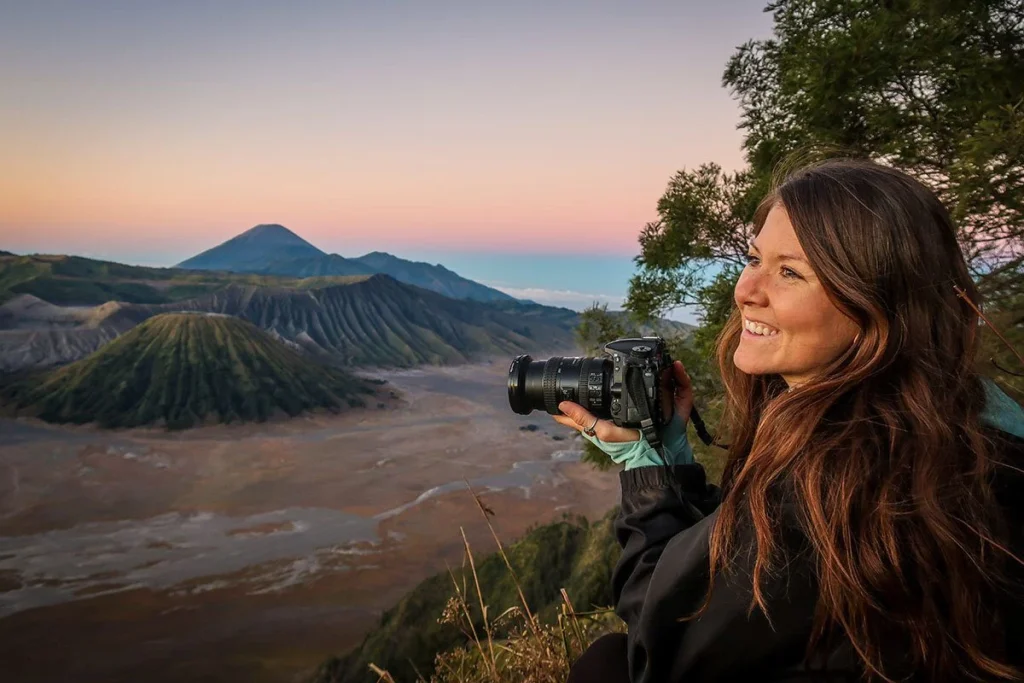
Many beginners feel overwhelmed during trips because they try to master everything at once. The smartest travel photography tips focus on simple improvements first.
Start with Natural Light
Natural light creates soft and realistic images. Early morning and evening light usually look better than harsh midday sunlight.
Keep the Horizon Straight
Tilted horizons make travel photos look unprofessional. Most phones and cameras include grid lines to help alignment.
Take Multiple Shots
Professional photographers rarely rely on one photo. Capture several angles and expressions to increase the chance of getting the perfect shot.
Focus on Storytelling
Travel photography tips should not only focus on technical skills. Every photo should tell a story about the location, culture, people, or experience.
Golden Hour Photography Tips
Golden hour is one of the most important travel photography tips for beautiful lighting.
Golden hour happens:
- Shortly after sunrise
- Shortly before sunset
During this time, sunlight becomes softer and warmer. Skin tones look natural, landscapes appear magical, and shadows become less harsh.
Golden Hour Photography Checklist
- Arrive early at the location
- Prepare camera settings beforehand
- Use silhouettes creatively
- Capture reflections
- Shoot wide landscape photos
- Include people for emotional impact
Many famous travel photographs are captured during golden hour because the lighting naturally improves colours and mood.
Composition Tips for Better Travel Photos
Composition is one of the most effective travel photography tips because it helps travellers create balanced, eye-catching, and professional-looking images. Good composition improves storytelling, directs attention to the subject, and makes ordinary scenes appear more visually appealing. Simple composition techniques can instantly improve travel photos without requiring expensive equipment or advanced editing skills.
Rule of Thirds
The rule of thirds helps create balanced and visually pleasing travel photos. Imagine dividing the frame into nine equal sections using grid lines. Place the main subject near the intersecting points instead of directly in the centre. This technique adds depth, improves storytelling, and makes travel photography look more natural and professional.
Leading Lines
Leading lines naturally guide the viewer’s eyes toward the main subject in a photograph. Roads, rivers, bridges, railways, staircases, and pathways work well for this technique. Leading lines create movement and depth within the image. Many professional travel photographers use this method to make landscape and street photography more engaging and dynamic.
Framing
Framing helps draw attention to the subject by surrounding it with natural or architectural elements. Windows, doorways, tree branches, tunnels, and arches create beautiful frames in travel photography. This technique adds depth and storytelling while making photos feel more artistic. Framing also helps remove distractions from busy travel backgrounds effectively.
Symmetry
Symmetry creates balanced and visually satisfying travel photographs. Reflections in water, architectural designs, streets, and buildings often provide excellent symmetrical opportunities. Centre positioning usually works well for symmetrical shots because it highlights balance perfectly. Symmetry makes travel photos appear cleaner, more organised, and highly appealing on social media platforms and blogs.
Negative Space
Negative space refers to the empty area surrounding the subject in a photograph. Large skies, oceans, walls, or open landscapes help create negative space effectively. This technique keeps the focus on the subject while creating a clean and modern appearance. Negative space also adds emotion and simplicity to travel photography compositions naturally.
Travel Photography Tips for Smartphones
Many travellers now rely completely on smartphones for capturing travel memories. Modern smartphones include powerful cameras, portrait modes, night photography features, and editing tools that can produce professional-looking results. Learning simple travel photography tips for smartphones helps travellers capture sharp, colourful, and engaging images without carrying heavy camera equipment during trips.
Clean the Lens
A dirty smartphone lens can quickly reduce image quality and make travel photos appear blurry or dull. Dust, fingerprints, and moisture often collect on the camera lens while travelling. One of the easiest travel photography tips is cleaning the lens regularly using a soft cloth. A clean lens instantly improves sharpness, brightness, and colour clarity.
Use Grid Lines
Grid lines help travellers improve composition and keep photos aligned properly. Most smartphones include built-in grid settings that divide the screen into sections. These lines make it easier to apply the rule of thirds and maintain straight horizons. Using grid lines creates balanced travel photos that look cleaner, more professional, and visually appealing.
Avoid Digital Zoom
Digital zoom often lowers photo quality by reducing sharpness and detail. Instead of zooming digitally, travellers should move physically closer to the subject whenever possible. Walking closer helps maintain image clarity and improves composition naturally. Many professional photographers avoid digital zoom because it can make travel photos appear pixelated and less attractive.
Tap to Focus
Manually tapping the smartphone screen helps control focus and exposure before taking a picture. This simple feature allows travellers to highlight the main subject clearly while improving brightness levels. Tap-to-focus is especially useful during portrait photography, street photography, and low-light situations where automatic focus may struggle to capture accurate details properly.
Edit Carefully
Editing helps improve travel photos by adjusting brightness, contrast, sharpness, and colours. Small improvements often make smartphone photos appear more vibrant and professional. However, excessive editing can create unrealistic images that look unnatural. The best travel photography tips recommend maintaining realistic colours and natural lighting while enhancing overall image quality carefully.
Landscape Travel Photography Tips
Landscape photography remains one of the most popular styles because it captures the beauty, scale, and atmosphere of destinations around the world. Mountains, beaches, forests, deserts, and city skylines all create stunning photography opportunities. Following simple landscape travel photography tips helps travellers create more detailed, dramatic, and visually balanced images during every adventure.
Include Foreground Elements
Foreground elements help add depth and dimension to landscape photography. Rocks, flowers, boats, trees, or people placed in the foreground create a stronger sense of scale within the image. This technique prevents landscapes from looking flat or empty. Many professional travel photographers use foreground details to guide viewers naturally through the entire scene.
Use Wide Angles
Wide-angle shots capture more of the surrounding environment and highlight the size of beautiful destinations. Beaches, mountains, waterfalls, and city skylines often appear more impressive when photographed from a wider perspective. Travellers can use smartphone wide-angle modes or camera lenses to create dramatic compositions that showcase the full atmosphere of a location.
Shoot During Good Weather
Weather conditions strongly affect landscape photography results. Soft clouds, fog, rain, or golden sunlight often create more dramatic scenes than completely clear skies. Many travellers avoid photography during changing weather, but professional photographers often wait for these moments. Interesting weather conditions can add texture, mood, and emotional impact to travel landscape photos naturally.
Be Patient
Patience is one of the most valuable travel photography skills for landscape photography. The perfect lighting, cloud movement, reflections, or atmosphere may take time to appear. Many beautiful travel photographs happen after waiting several minutes or even hours at the same location. Patient photographers usually capture more unique and visually striking landscape images during trips.
Portrait Travel Photography Tips
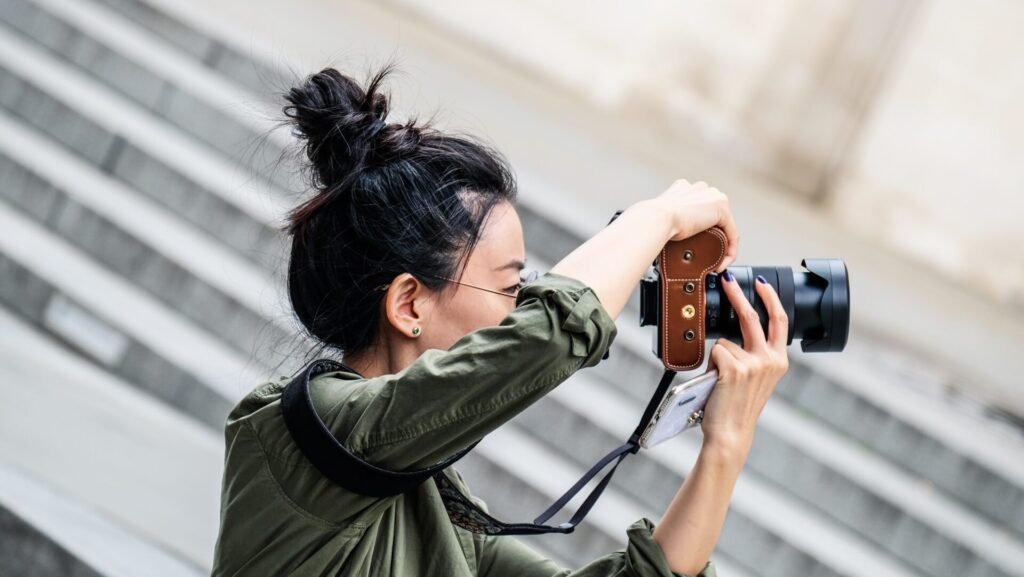
Travel portraits capture emotions, personalities, cultures, and real human experiences. A strong portrait tells a story beyond the location itself. Good travel portrait photography focuses on natural expressions, emotional connection, and respectful interaction with local people. These travel photography tips help travellers create authentic portraits that feel personal and meaningful during their journeys.
Respect Local People
Respect is extremely important when taking travel portraits. Travellers should politely ask permission before photographing strangers, especially in local villages, markets, or cultural areas. Friendly communication creates trust and often leads to better expressions and more relaxed portraits. Respectful behaviour also helps travellers build positive experiences and meaningful connections with local communities during trips.
Focus on Eyes
Eyes are often the strongest emotional element in portrait photography. Sharp and clear eyes create a deeper connection between the subject and the viewer. Travel portraits become more powerful when emotions are visible naturally through facial expressions. Many professional photographers focus carefully on the eyes because they immediately attract attention within the photograph.
Use Natural Backgrounds
Natural backgrounds help travel portraits feel authentic and connected to the destination. Local streets, beaches, cafes, mountains, temples, and marketplaces create storytelling elements within the image. Backgrounds should support the subject without becoming distracting. Using real travel environments helps portrait photography capture both the personality of the subject and the atmosphere of the location.
Capture Genuine Emotions
Natural emotions make travel portraits feel more memorable and emotionally powerful. Genuine laughter, curiosity, surprise, or quiet moments often create stronger images than forced poses. Travellers can encourage natural expressions through conversation and relaxed interaction. Candid portraits usually appear more realistic because they capture real human emotions instead of staged facial expressions or awkward body language.
Street Photography Travel Tips
Street photography allows travellers to document everyday life, culture, movement, and human interaction. Busy streets, local markets, public transport, and festivals often provide endless photography opportunities. Strong street photography captures real moments naturally while showing the energy and personality of a destination. These travel photography tips help travellers improve street photography skills confidently and respectfully.
Stay Observant
Street photography requires strong observation skills because interesting moments happen quickly. Travellers should pay attention to expressions, movement, colours, reflections, and interactions happening around them. Sometimes the smallest details create the most powerful images. Staying alert and ready helps photographers capture unique street moments before they disappear within seconds in busy travel environments.
Blend into the Environment
Street photographers often achieve better results when they avoid attracting unnecessary attention. Dressing casually, moving naturally, and observing quietly helps photographers blend into the surroundings. People usually behave more naturally when they do not feel watched closely. This approach allows travellers to capture authentic street scenes and genuine human interactions without disturbing the environment around them.
Use Continuous Shooting Mode
Continuous shooting mode, also called burst mode, helps capture fast-moving street scenes more effectively. People walking, cycling, dancing, or interacting can change positions quickly within seconds. Burst mode increases the chances of capturing the perfect expression or movement. Many professional street photographers rely on this feature during crowded festivals, markets, and busy city environments.
Look for Human Interaction
Human interaction adds emotion and storytelling to street photography. Conversations, laughter, movement, and daily activities create more engaging and relatable images. Street photographs become stronger when they show relationships between people and their environment naturally. Capturing real human moments helps travellers create photographs that feel authentic, emotional, and connected to the culture of the destination.
Travel Photography Tips for Different Weather Conditions
Weather changes photography completely. Skilled travellers adapt rather than complain.
Rainy Weather Photography
Rain creates reflections and dramatic moods.
Tips:
- Use waterproof protection
- Capture reflections on roads
- Photograph umbrellas and city lights
- Protect lenses carefully
Snow Photography
Snow scenes often confuse camera exposure.
Tips:
- Increase brightness slightly
- Wear gloves with touch support
- Capture footprints and textures
Sunny Weather Photography
Harsh sunlight creates strong shadows.
Tips:
- Use shade when possible
- Shoot early morning or evening
- Avoid direct overhead sunlight
Best Travel Photography Tips for Social Media
Travel photography tips are extremely useful for content creators who want to grow their audience and improve engagement online. Social media users are naturally attracted to eye-catching travel photos that feel authentic and emotional. Strong photography combined with consistent editing and storytelling helps travellers build visually appealing profiles that attract more followers, shares, comments, and long-term audience interest.
Keep a Consistent Style
A consistent photography style helps create a recognizable social media profile. Using similar tones, colours, lighting, and editing techniques makes travel content look more professional and organised. Followers often connect with creators who maintain a clear visual identity. Consistency also helps travellers build a stronger personal brand across platforms like Instagram, Pinterest, blogs, and travel websites.
Focus on Quality Over Quantity
Posting fewer high-quality travel photos often performs better than uploading large amounts of average content. Clear, sharp, and well-composed images attract more engagement and audience attention naturally. Many successful travel creators spend extra time selecting their best photographs instead of sharing every image. Quality content also improves credibility and keeps followers interested for longer periods online.
Add Human Elements
Travel photos with people usually create stronger emotional connections on social media. Human expressions, movement, and real experiences help audiences imagine themselves within the destination. Simple moments like walking through markets, drinking coffee, or watching sunsets make travel photography feel more relatable. Adding human elements also creates storytelling opportunities that increase engagement and emotional response from viewers.
Write Strong Captions
Captions play an important role in social media travel photography because they provide context and storytelling. A beautiful image becomes more meaningful when paired with a personal experience, useful travel tip, or emotional memory. Strong captions encourage comments, sharing, and audience interaction. Good storytelling helps followers feel connected to both the destination and the creator’s travel experience naturally.
Common Travel Photography Mistakes
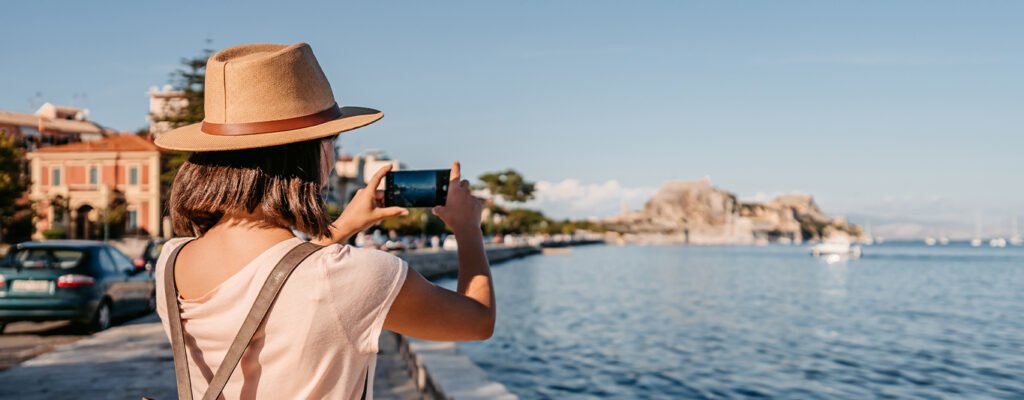
Many travellers make simple photography mistakes that reduce image quality and overall travel enjoyment. Learning these common problems helps photographers improve their skills faster and avoid disappointment later. Strong travel photography depends on preparation, observation, and thoughtful shooting habits. Avoiding these mistakes helps travellers capture cleaner, more professional, and emotionally engaging travel photographs during every journey.
Overediting Photos
Overediting can make travel photos appear unrealistic and unnatural. Excessive filters, extreme colours, and heavy sharpening often reduce image quality instead of improving it. Many travellers edit photos too aggressively for social media attention. Professional-looking travel photography usually maintains realistic colours and balanced lighting. Small adjustments often create better results while preserving the natural beauty of the destination.
Ignoring Backgrounds
Busy or distracting backgrounds can take attention away from the main subject. Many travellers focus only on the subject without checking surrounding elements carefully. Objects like trash bins, crowds, bright signs, or random people may ruin an otherwise beautiful image. Paying attention to backgrounds helps create cleaner compositions that look more professional and visually balanced in travel photography.
Carrying Too Much Gear
Heavy camera equipment can quickly become exhausting during long travel days. Many beginners pack unnecessary lenses, accessories, and gadgets they rarely use. Carrying too much gear may reduce comfort and limit movement while exploring destinations. Experienced travel photographers often prefer lightweight setups because they allow faster shooting, easier transportation, and a more enjoyable overall travel experience during trips.
Not Backing Up Photos
Losing travel photos can become one of the most frustrating travel experiences. Cameras, phones, memory cards, and hard drives can fail unexpectedly during trips. Professional travellers regularly back up images using cloud storage, external drives, or multiple memory cards. Creating backups protects valuable travel memories and prevents permanent photo loss caused by technical problems or accidental damage.
Shooting Only Tourist Spots
Famous tourist attractions are popular for photography, but hidden streets and local areas often provide more authentic travel experiences. Many travellers only photograph well-known landmarks and miss the unique culture surrounding them. Local markets, quiet neighbourhoods, cafes, and side streets often create more original and emotional travel photos that feel personal and different from common tourist images online.
Best Photo Editing Tips for Travellers
Editing is an important part of travel photography tips because even strong photos benefit from small adjustments.
Basic Editing Adjustments
- Brightness
- Contrast
- Saturation
- Sharpness
- Crop alignment
Recommended Editing Apps
| Editing App | Best Feature |
|---|---|
| Lightroom Mobile | Professional editing |
| Snapseed | Free powerful tools |
| VSCO | Creative filters |
| Canva | Social media design |
| Photoshop Express | Quick enhancements |
Keep Edits Natural
Natural colours and realistic lighting usually perform better than extreme editing styles.
Travel Photography Packing Tips
Packing smart helps photographers stay comfortable during trips.
Travel Photography Packing Checklist
- Lightweight camera body
- Multi-purpose lens
- Extra batteries
- Portable charger
- Lens cloth
- Rain cover
- Compact tripod
- Secure memory storage
Protect Your Equipment
Travel photography tips should include safety habits:
- Use padded bags
- Avoid exposing gear to sand or water
- Never leave equipment unattended
- Carry backup storage devices
Solo Travel Photography Tips
Solo travel photography allows travellers to capture personal experiences, freedom, and adventure in a creative way. However, many solo travellers struggle with taking high-quality self-portraits without assistance. Simple photography techniques and smart tools can make solo travel photos look professional and natural. These travel photography tips help solo travellers capture memorable images confidently during every journey.
Use a Tripod
A lightweight tripod is one of the most useful tools for solo travel photography. It helps capture stable self-portraits, landscape shots, and night photography without blurry results. Compact travel tripods are easy to carry and work well with smartphones or cameras. Many solo travellers use tripods to create professional-looking photos without depending on strangers for assistance.
Use Camera Timers
Most smartphones and cameras include built-in timer features that allow solo travellers to position themselves before the photo is taken. Timers help create more natural poses and reduce rushed photography. Some devices also support remote controls and voice commands for easier shooting. Timer modes are especially useful for beach photos, scenic landscapes, and travel portraits.
Ask Locals or Travellers
Many people are happy to help travellers take photos when asked politely. Friendly locals, tourists, or fellow travellers often assist with quick portraits at famous locations or scenic viewpoints. Giving simple instructions about framing or angles can improve results significantly. Asking others for help also creates positive travel interactions and sometimes leads to meaningful conversations during trips.
Use Reflections
Reflections create artistic and creative solo travel photographs. Mirrors, windows, puddles, lakes, and wet streets can produce visually interesting self-portraits with unique compositions. Reflection photography adds depth and originality while helping travellers capture themselves naturally within the environment. Many travel photographers use reflections to create more emotional and visually appealing images during solo adventures.
Final Thoughts:
Travel photography tips are valuable because they help travellers preserve emotions, stories, and unforgettable experiences. Great travel photography is not about owning the most expensive camera. It comes from creativity, patience, observation, and learning how to use light, composition, and storytelling effectively.
Anyone can improve photography skills with regular practice. Even small changes like using natural light, improving composition, or editing carefully can make a huge difference. The best travel photography tips focus on capturing authentic moments rather than chasing perfection.
Travelling offers endless opportunities to create meaningful images. From busy streets and quiet beaches to mountain adventures and cultural experiences, every destination has stories waiting to be captured. Following these travel photography tips helps travellers return home with photos that feel personal, emotional, and timeless.
Must Read:
- Proven Travel Blogging Tips for Long-Term Success
- Travel Packing Hacks to Avoid Overpacking
- Best Historic City Tours with Guides for Travellers
FAQs:
What is the best camera for travel photography?
The best camera depends on travel style and budget. Smartphones work well for casual travellers, while mirrorless cameras provide higher image quality and flexibility.
What are the most important travel photography tips for beginners?
Beginners should focus on natural light, composition, clean lenses, and simple editing before learning advanced camera settings.
How can I take better travel photos with my phone?
Clean the lens, use grid lines, avoid digital zoom, shoot during golden hour, and edit photos lightly for better smartphone photography.
What time is best for travel photography?
Golden hour during sunrise and sunset usually provides the best lighting conditions for travel photography.
How do travel photographers keep photos safe?
Professional travellers back up images using cloud storage, portable hard drives, and extra memory cards.
Is expensive equipment necessary for travel photography?
No. Many amazing travel photos are captured using smartphones. Strong composition and storytelling matter more than expensive gear.