
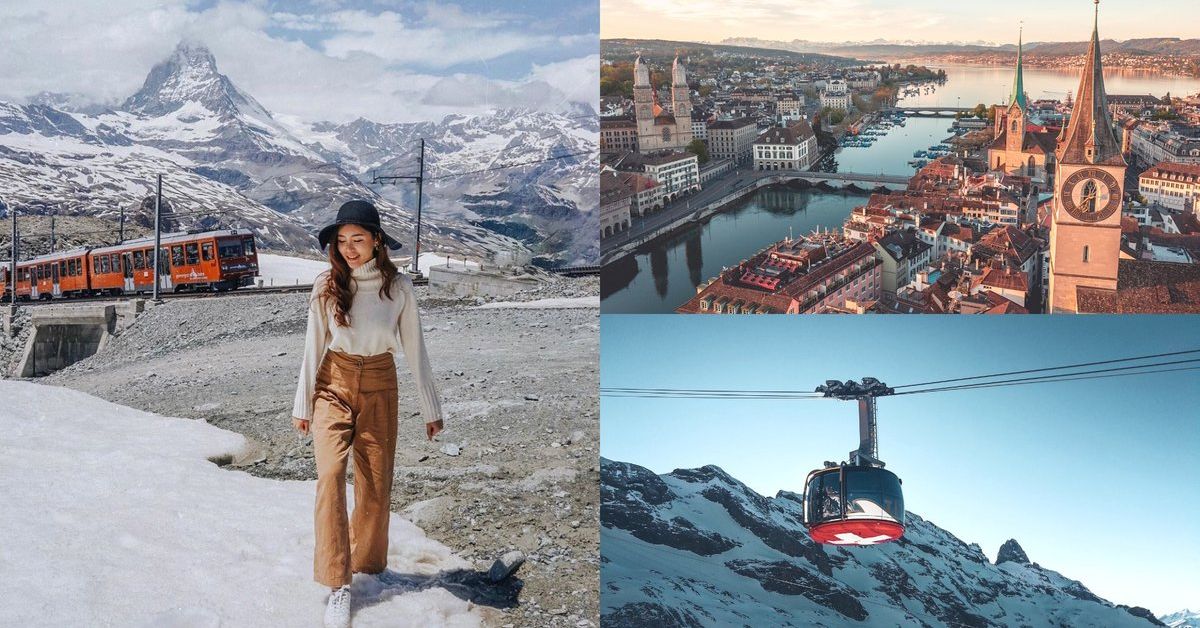
Switzerland is one of those destinations that feels almost unreal until you experience it in person. Snow-covered mountains rise behind quiet villages, lakes reflect medieval towns, and trains glide through landscapes that feel carefully designed by nature itself. For many travelers, Switzerland represents precision, beauty, and balance. But behind the postcard-perfect image lies a country that rewards thoughtful planning.
This guide is written to help you Planning the Perfect Trip to Switzerland, whether it is your first visit or a return journey. It covers destinations, seasons, transportation, budgeting, culture, food, and realistic planning tips. Switzerland can be expensive and complex if approached casually, but with the right preparation, it becomes one of the most rewarding travel experiences in the world.
Understanding Switzerland as a Travel Destination
Switzerland is a small country in central Europe, but its diversity is remarkable. It is shaped by the Alps, dotted with lakes, and divided into regions that speak different languages and follow distinct traditions. Despite its size, travel experiences vary widely depending on where you go and how you move around.
What makes Switzerland unique is how seamlessly everything works. Transportation is punctual, cities are clean, and even remote mountain villages feel accessible. This efficiency allows travelers to focus on experiences rather than logistics, but it also means planning matters. Switzerland rewards structure, clarity, and realistic itineraries.
Best Time to Visit Switzerland
Choosing the right time to visit Switzerland is one of the most important planning decisions. The country offers strong experiences year-round, but seasons dramatically shape what you can do and where you should go.
Summer in Switzerland
Summer runs from June to September and is ideal for hiking, lake activities, scenic train journeys, and alpine villages. Mountain trails open fully, and cable cars operate on full schedules. Weather is generally mild, though temperatures vary by altitude. Summer is peak season, especially in destinations like Interlaken, so early booking is essential.
Winter in Switzerland
Winter, from December to March, transforms Switzerland into a snow paradise. Ski resorts operate at full capacity, and alpine towns feel festive and cozy. Skiing, snowboarding, winter hiking, and Christmas markets dominate travel experiences. While winter travel is more expensive, the atmosphere and scenery make it unforgettable for snow lovers.
Shoulder Seasons for Smart Travelers
Spring and autumn offer fewer crowds and lower prices. Spring brings melting snow and blooming valleys, while autumn offers golden landscapes and quieter towns. Some mountain routes may be limited, but cities, lakes, and lower-altitude regions are ideal. These seasons suit travelers who prefer calm exploration over peak activity.
Top Cities to Include in Your Switzerland Trip
Swiss cities are compact, efficient, and rich in culture. Including a few cities provides balance to mountain and nature experiences.
Zurich
Zurich is often the entry point into Switzerland. It combines financial strength with creative culture, historic streets, and a scenic lake. The city offers museums, shopping, nightlife, and easy transport connections. Zurich is ideal for easing into Swiss life while staying connected to international travel routes.
Lucerne
Lucerne feels like a fairytale town. Its wooden bridges, old town streets, and lake setting make it one of Switzerland’s most charming cities. Lucerne also serves as a gateway to Mount Pilatus and Mount Rigi, making it perfect for combining city comfort with mountain access.
Geneva
Geneva offers a global atmosphere with strong cultural and diplomatic influences. Located on Lake Geneva, it provides scenic walks, museums, and fine dining. It is an excellent base for exploring western Switzerland and nearby wine regions.
Bern
Bern’s medieval old town is a UNESCO World Heritage Site. The city feels relaxed and historical, with arcaded streets and views of the Alps. It offers insight into Swiss political life and traditional architecture without feeling crowded.
Exploring the Swiss Alps and Mountain Regions
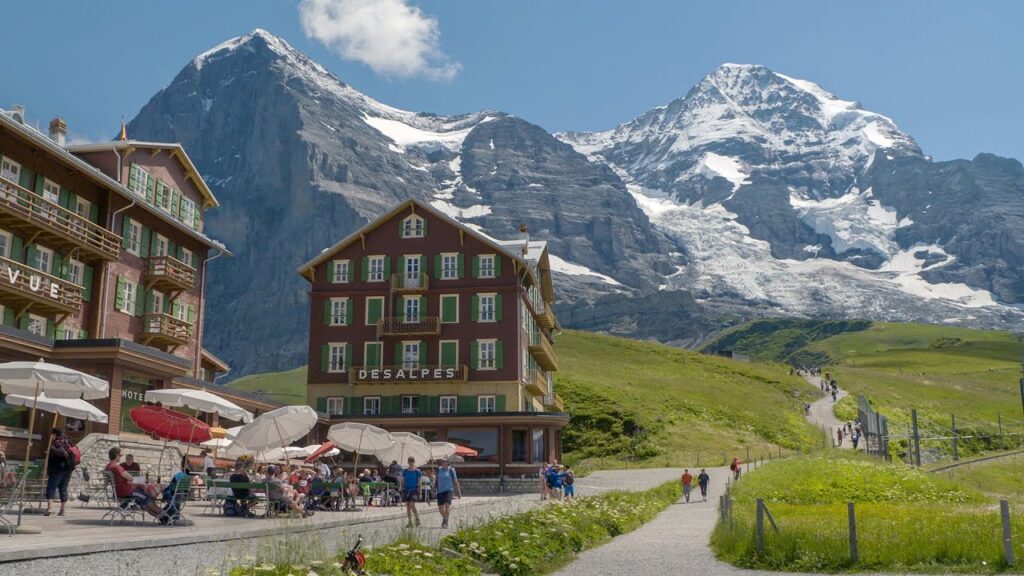
The Alps are the heart of Switzerland’s global appeal. Planning time here is essential for a complete trip.
Jungfrau Region
The Jungfrau region includes Interlaken, Grindelwald, and Lauterbrunnen. Waterfalls, alpine meadows, and dramatic peaks define the area. Cable cars and mountain railways make high-altitude views accessible even to non-hikers.
Zermatt and the Matterhorn
Zermatt is one of Switzerland’s most iconic mountain towns, located beneath the Matterhorn. The village is car-free, creating a peaceful atmosphere. Skiing, hiking, and glacier views dominate experiences here. Zermatt suits travelers who want dramatic scenery and refined alpine charm.
St. Moritz and Eastern Alps
St. Moritz represents luxury alpine travel. Known for winter sports and upscale resorts, it also offers beautiful summer hiking and lake views. Scenic train routes connect the region to the rest of Switzerland.
Scenic Train Journeys You Should Not Miss
Switzerland’s rail system is world-famous for its efficiency and scenic beauty. Train journeys are not just transport but experiences in themselves.
The Glacier Express connects Zermatt to St. Moritz, offering panoramic views of mountains, valleys, and bridges. The Bernina Express crosses into Italy through dramatic alpine scenery. These routes allow travelers to experience Switzerland comfortably without driving.
Transportation and Getting Around Switzerland
Transportation planning is crucial for a smooth trip. Switzerland’s public transport system is among the best in the world.
Swiss Travel Pass
The Swiss Travel Pass offers unlimited travel on trains, buses, boats, and many mountain routes. It also includes free museum entry. For travelers moving frequently, it simplifies logistics and can save money.
Driving vs Public Transport
While driving offers flexibility, trains are often faster and less stressful. Parking is limited and expensive in cities. For first-time visitors, public transport is usually the better option.
Accommodation Options in Switzerland
Switzerland offers accommodation for all travel styles, but prices are higher than many destinations.
Hotels range from luxury alpine resorts to efficient city hotels. Guesthouses and alpine lodges offer more character. Vacation rentals suit families and longer stays. Booking early is essential, especially in summer and winter.
Swiss Food, Dining, and Local Cuisine
Swiss cuisine is hearty, regional, and comforting. Cheese, bread, potatoes, and chocolate play central roles.
Fondue and raclette are iconic dishes best enjoyed in mountain regions. Cities offer international cuisine alongside traditional restaurants. Dining out is expensive, but quality is consistently high.
Budgeting and Travel Costs in Switzerland
Switzerland is one of Europe’s most expensive countries. Accommodation, food, and transport costs add up quickly.
Smart budgeting includes using travel passes, shopping at supermarkets, choosing lunch specials, and traveling in shoulder seasons. Many natural attractions are free, which balances costs.
Cultural Etiquette and Practical Tips
Swiss culture values punctuality, cleanliness, and respect for rules. Quiet behavior in public spaces is appreciated. Tipping is included in service charges, though rounding up is common.
English is widely spoken, but learning basic greetings in German, French, or Italian is appreciated depending on the region.
Common Mistakes When Planning a Switzerland Trip
Switzerland is one of the most rewarding destinations in Europe, but it is also one of the easiest places to misplan. Its small size often gives travelers a false sense of simplicity, leading to rushed itineraries, unexpected costs, and missed experiences. Understanding common mistakes before you go can help you enjoy Switzerland in a way that feels relaxed, balanced, and truly memorable.
1. Trying to See Too Much in One Trip
The most common mistake travelers make is trying to cover too many places in a short time. Switzerland may look small on a map, but moving between regions, especially mountain areas, takes time. Packing Zurich, Lucerne, Interlaken, Zermatt, Geneva, and St. Moritz into one week often leads to exhaustion. Switzerland rewards slow travel. Fewer destinations with longer stays allow you to enjoy landscapes, local culture, and scenic journeys without constant packing and transit.
2. Underestimating Travel Costs
Many travelers are unprepared for how expensive Switzerland can be. Accommodation, dining, and mountain excursions add up quickly. Assuming prices will be similar to neighboring countries often leads to budget stress. While Switzerland offers excellent value, planning costs in advance is essential. Using travel passes, shopping at supermarkets, choosing lunch menus, and traveling in shoulder seasons can make a significant difference, but only if planned early.
3. Ignoring Seasonal Differences
Another major mistake is not planning around seasons. Switzerland looks beautiful year-round, but experiences change dramatically. Some mountain routes and cable cars close in spring and autumn. Hiking trails may still have snow early in the season, while summer crowds can overwhelm popular spots. Winter travel is magical but comes with higher costs and weather-related delays. Understanding what each season realistically offers helps avoid disappointment.
4. Skipping Advance Reservations
Switzerland runs on efficiency, and that includes booking systems. Many travelers assume they can decide everything last minute, only to find trains fully booked, hotels unavailable, or mountain excursions sold out. Popular scenic trains, alpine hotels, and summer destinations require advance reservations. Booking accommodation and key experiences early ensures smoother travel and often better prices.
5. Relying Too Much on Driving
While driving seems appealing for flexibility, many first-time visitors overestimate its usefulness. Parking in cities is expensive and limited, and mountain roads can be stressful for unfamiliar drivers. Switzerland’s public transport is often faster, more scenic, and far more convenient. Trains reach remote villages and mountain bases efficiently. For most travelers, especially first-timers, relying on public transport simplifies the trip.
6. Not Allowing Time for Weather Changes
Swiss weather can change quickly, especially in the Alps. Travelers who plan tight schedules without flexibility often feel frustrated when clouds block mountain views or rain disrupts plans. A common mistake is booking one single day for a major mountain excursion. Allowing buffer days increases the chance of clear weather and better experiences.
7. Treating Switzerland Like a Checklist Destination
Switzerland is not about ticking landmarks off a list. It is about atmosphere, scenery, and moments of calm. Rushing from attraction to attraction misses what makes the country special. Sitting by a lake, taking a slow train ride, or walking through a quiet village often becomes the highlight of a trip. Travelers who embrace this mindset leave more satisfied.
Sample Itinerary for the Perfect Switzerland Trip
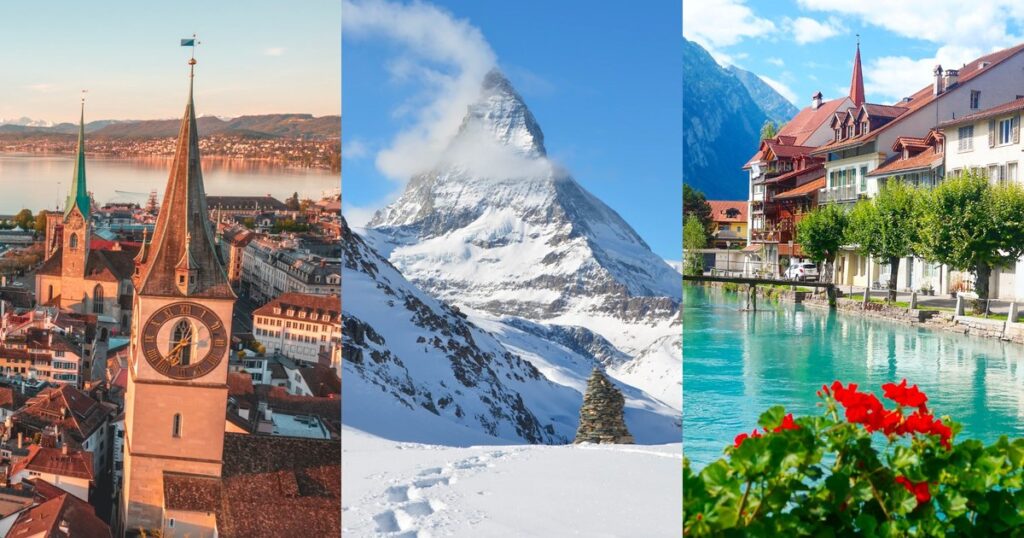
A well-designed Switzerland itinerary balances cities, lakes, and mountains while keeping travel smooth and enjoyable. The goal is not to see everything but to experience the country’s rhythm. This sample itinerary is ideal for first-time visitors who want iconic sights, scenic travel, and enough flexibility to adjust plans based on weather and energy levels.
1. Start in Zurich: Gateway to Switzerland
Begin your trip in Zurich, Switzerland’s main international entry point. Spend two days exploring the old town, walking along Lake Zurich, and enjoying museums and cafés. Zurich introduces you to Swiss efficiency and urban culture without feeling rushed. It also provides excellent transport connections, making onward travel simple and stress free for first-time visitors.
2. Continue to Lucerne: Lakes and Mountain Views
Travel next to Lucerne, about one hour by train. Plan two days here to explore the medieval old town, Chapel Bridge, and lakeside promenades. Lucerne also offers easy access to nearby mountains like Mount Pilatus and Mount Rigi. This stop blends city comfort with alpine scenery, making it a favorite for many travelers.
3. Explore the Jungfrau Region: Alpine Highlights
From Lucerne, head into the Jungfrau region, staying in towns such as Interlaken, Grindelwald, or Lauterbrunnen. Allow three to four days for this area. Waterfalls, alpine valleys, and cable car rides define the experience. The region offers hiking, scenic train routes, and dramatic mountain views. Weather can change quickly, so extra time increases the chance of clear skies.
4. Choose Between Zermatt or Geneva
For the final part of the trip, choose one contrasting destination. Zermatt is ideal for travelers seeking iconic mountain scenery and the Matterhorn. Spend two to three days enjoying cable cars, hiking, or glacier views. Alternatively, Geneva suits those interested in culture, museums, wine regions, and lakeside walks.
Sustainable Travel in Switzerland
Switzerland is a global leader in sustainable tourism, making it easy for travelers to reduce their environmental impact without sacrificing comfort. Sustainability is built into daily life, infrastructure, and travel systems rather than treated as an optional extra.
1. Using Public Transport to Reduce Emissions
Swiss trains, buses, and boats are powered increasingly by renewable energy and offer one of the world’s most efficient transport networks. Choosing public transport over cars significantly lowers carbon emissions. Scenic train routes also reduce the need for domestic flights, allowing travelers to enjoy landscapes while traveling responsibly.
2. Respecting Nature and Protected Landscapes
Switzerland places strong emphasis on conservation. Trails are clearly marked, wildlife is protected, and visitors are expected to follow rules. Staying on paths, avoiding litter, and respecting quiet zones helps preserve fragile alpine environments. Responsible behavior ensures these landscapes remain accessible for future generations.
3. Choosing Eco-Friendly Accommodation
Many Swiss hotels and lodges follow eco-certification standards, focusing on energy efficiency, waste reduction, and local sourcing. Choosing such accommodations supports sustainability while maintaining high comfort levels. Travelers can also support local communities by staying in family-run guesthouses and using regional services.
Must Read:
- Beach Escapes and Culture in Papua New Guinea
- Vacation Guide to Australia for First-Time Visitors
- Why New Zealand Is a Dream Vacation Spot?
FAQs:
1. Is Switzerland a good destination for first-time visitors to Europe?
Yes, Switzerland is an excellent choice for first-time Europe travelers. It is safe, clean, well organized, and easy to navigate. Public transport is reliable, English is widely spoken, and cities are compact. While it is more expensive than many European countries, the comfort, efficiency, and scenery make Switzerland a stress-free and rewarding introduction to Europe.
2. How many days are enough to explore Switzerland properly?
Ideally, 10 to 14 days allow you to experience Switzerland without rushing. This timeframe lets you visit a few cities, explore alpine regions, and enjoy scenic train journeys. Shorter trips are possible, but trying to cover too much in limited time often leads to fatigue. Switzerland rewards slower travel and deeper exploration rather than checklist sightseeing.
3. Is Switzerland very expensive for tourists?
Switzerland is one of the most expensive travel destinations in Europe, especially for accommodation and dining. However, value is high due to excellent infrastructure, safety, and quality services. Costs can be managed by using travel passes, shopping at supermarkets, choosing lunch menus, and traveling in shoulder seasons. Many natural attractions are free.
4. What is the best way to get around Switzerland?
Public transport is the best way to travel around Switzerland. Trains, buses, and boats are punctual, scenic, and well connected. The Swiss Travel Pass simplifies travel and includes many attractions. Driving is possible but often unnecessary due to parking costs and efficient rail coverage, especially for first-time visitors.
5. Do I need to rent a car in Switzerland?
Renting a car is not essential for most travelers. Trains reach nearly all major destinations, including mountain regions. Car rentals may be useful for remote villages or flexible countryside travel, but public transport is usually faster and less stressful. For first-time visitors, trains provide the most convenient and scenic experience.
6. What should I pack for a trip to Switzerland?
Packing depends on the season, but layers are essential year-round. Comfortable walking shoes are a must, especially for cities and alpine areas. In summer, pack light jackets for mountains. In winter, warm clothing and waterproof gear are important. Regardless of season, weather can change quickly, so flexibility is key.
Final Thoughts:
Planning the perfect trip to Switzerland is about balance. Balance between cities and mountains, structure and spontaneity, comfort and exploration. Switzerland rewards travelers who plan carefully and travel mindfully.
While it requires a higher budget and thoughtful preparation, the return is extraordinary. From alpine silence to lake reflections and flawless transport, Switzerland delivers an experience that feels calm, precise, and unforgettable.