
Italy is one of the few countries where food and culture are inseparable. You cannot fully understand Italian history without tasting its cuisine, and you cannot enjoy its food without feeling the weight of tradition behind it.
For travellers who care about authentic meals, local customs, art, architecture, and everyday life, Italy offers an experience that feels deep, human, and endlessly rewarding.
This vacation guide to Italy for food and culture lovers explores destinations, regional flavours, cultural habits, and practical travel insights to help you experience Italy beyond surface level tourism.
Why Italy Is a Must Visit for Food and Culture Lovers
Italy stands out because food is not treated as entertainment and culture is not frozen in time. Both are lived daily.
Food in Italy reflects geography, history, and family traditions. Recipes are passed down, protected, and respected. A simple plate of pasta often carries generations of knowledge. At the same time, culture in Italy exists in open squares, neighbourhood cafés, local festivals, and daily routines. You are not watching culture from the outside. You are part of it the moment you arrive.
For food and culture lovers, Italy feels authentic. Nothing feels forced or overly packaged. Experiences unfold naturally through meals, conversations, and exploration.
Understanding Italian Food Culture Before You Travel
Italian food culture is built on a few core principles that travellers should understand to fully appreciate their meals.
Regional Identity Over National Uniformity
There is no single Italian cuisine. Each region has its own ingredients, cooking styles, and food philosophy. What you eat in the north is very different from what you eat in the south. Even neighbouring towns may prepare the same dish in distinct ways.
Seasonality and Simplicity
Italian cooking respects seasons. Ingredients appear when they are fresh and disappear when they are not. Dishes often use only three to five ingredients, allowing natural flavours to stand out.
Food Is a Social Ritual
Meals are moments of connection. Lunches and dinners are rarely rushed. Eating together is valued more than efficiency. Understanding this mindset helps travellers slow down and enjoy Italian food properly.
Rome: Where History and Food Share the Same Streets
Rome is one of the best places to begin a food and culture focused journey through Italy.
Rome’s streets feel like an open air museum. Ancient ruins sit beside bakeries, markets, and trattorias. The city’s food reflects its history, shaped by both wealth and scarcity.
Roman Cuisine Highlights
Classic Roman dishes include carbonara, cacio e pepe, amatriciana, and supplì. These recipes use simple ingredients like pasta, cheese, eggs, and cured pork, prepared with precision and pride.
Cultural Experiences in Rome
Rome offers unmatched access to history. Walking past the Colosseum, the Roman Forum, and neighbourhood churches gives travellers constant reminders of the city’s long story. Food becomes part of that story, eaten in the same areas where history unfolded.
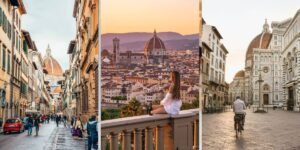
Florence: Art, Wine, and Tuscan Tradition
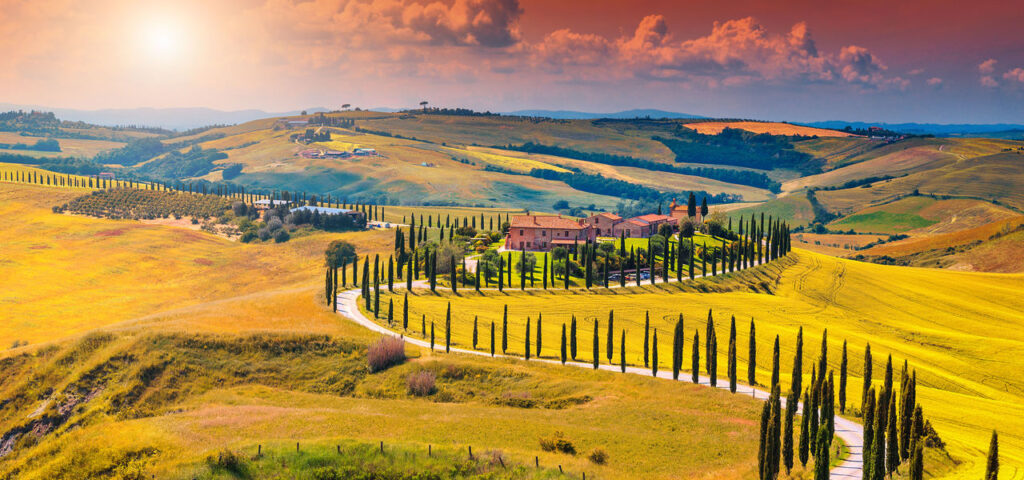
Florence is ideal for travellers who appreciate art, craftsmanship, and traditional food.
Florence feels intimate compared to Rome. Its historic centre is walkable, filled with museums, workshops, and local eateries.
Tuscan Food Philosophy
Tuscan cuisine values rustic simplicity. Bread, olive oil, beans, meat, and seasonal vegetables dominate the table. Dishes like ribollita and bistecca alla fiorentina reflect local farming traditions.
Art and Daily Culture
Florence is home to Renaissance masterpieces, yet daily life continues around them. Locals shop, eat, and socialise in the same streets tourists explore, creating a living cultural environment.
Venice: Culture on Water and Unique Flavours
Venice offers a food and cultural experience unlike anywhere else.
Built on water, Venice developed its own culinary traditions shaped by trade, seafood, and preservation methods.
Venetian Food Experiences
Cicchetti, small bar snacks similar to tapas, are central to Venetian culture. Enjoyed with wine, they encourage social eating and movement between neighbourhoods.
Cultural Atmosphere
Venice’s architecture, canals, and slower pace create a reflective mood. Food here is often enjoyed standing at a bar or sitting quietly near water, reinforcing intimacy and observation.
Naples: Passion, Pizza, and Living Tradition
Naples is essential for food lovers seeking authenticity and intensity.
Naples is energetic, loud, and deeply emotional. Its food mirrors that spirit.
Birthplace of Pizza
Naples is the home of pizza. The simplicity of dough, tomato, mozzarella, and basil reflects the city’s respect for honest ingredients.
Cultural Energy
Naples feels raw and real. Street life is vibrant, traditions are strong, and food is central to daily routines. Travellers often feel immersed rather than entertained.
Northern Italy: Richness, Precision, and Elegance
Northern Italy offers a more structured and refined approach to food and culture. The cuisine here reflects colder climates, historic trade routes, and a strong emphasis on technique. Butter, cheese, rice, and slow cooked meats are common, creating richer flavours than those found in the south. Culturally, Northern Italy feels polished and organised, with cities known for design, industry, and precision shaped by centuries of craftsmanship.
Milan and Lombardy
Milan represents modern Italy while preserving deep culinary roots. As the heart of Lombardy, Milan blends fashion, business, and tradition seamlessly. Classic dishes like risotto alla milanese and ossobuco highlight precision and balance rather than excess. Dining here feels refined and intentional, mirroring the city’s elegant pace and structured cultural rhythm.
Emilia Romagna: Italy’s Food Heart
Often called the food capital of Italy, Emilia Romagna is a dream destination for food lovers. This region is home to Parmigiano Reggiano, prosciutto di Parma, traditional balsamic vinegar, and fresh handmade pasta. Visiting local producers allows travellers to see how patience, tradition, and craftsmanship shape Italian food at its highest level.
Southern Italy: Sun, Simplicity, and Strong Identity
Southern Italy’s cuisine reflects its climate and history. Sunlight, coastal access, and periods of hardship shaped food that is simple, resourceful, and deeply emotional. Olive oil replaces butter, vegetables take centre stage, and seafood is common. Culturally, the south feels expressive and deeply rooted in family life, with food acting as a symbol of resilience and identity.
Sicily
Sicily offers one of Italy’s richest food cultures. Influenced by Italian, Arab, Greek, and Spanish traditions, Sicilian cuisine is bold and diverse. Street food, seafood, and sweets dominate local eating habits. Dishes often combine sweet and savoury flavours, reflecting centuries of cultural exchange and making Sicily a standout destination for culinary exploration.
Puglia and Calabria
Regions like Puglia and Calabria focus on honest, ingredient driven cooking. Meals rely on vegetables, olive oil, bread, and seafood, often prepared using family recipes passed down through generations. Food here feels grounded and personal, closely tied to land, season, and tradition rather than presentation or complexity.
Italian Markets: Where Culture Comes Alive
Italian markets are among the best places to understand true food culture. They reveal what locals actually eat rather than what is designed for visitors. Seasonal produce, fresh fish, cheeses, and cured meats reflect daily habits and regional identity. Conversations with vendors, even without shared language, create meaningful cultural exchange.
Markets also highlight regional differences clearly. Ingredient quality, preparation styles, and food priorities change from place to place. For food and culture lovers, visiting markets offers insight into Italian life that no restaurant menu alone can provide.
Wine Culture and Regional Identity
Wine is not separate from food in Italy. It is part of the meal.
Every region produces its own wine styles. Locals often drink regional wine with regional food, creating harmony rather than luxury.
Wine tastings in vineyards allow travellers to learn about geography, climate, and tradition. These experiences feel educational and social rather than commercial.
Italian Coffee Culture Explained
Italian coffee culture has its own rules and rhythms.
Espresso is quick, standing at the bar. Cappuccino is usually enjoyed in the morning. Coffee breaks are brief but meaningful.
Understanding these habits helps travellers blend in and appreciate small daily rituals that define Italian life.
Festivals and Local Celebrations
Italy’s calendar is filled with food and cultural festivals.
Village sagre celebrate local ingredients and dishes. Religious festivals combine food, music, and community traditions. These events allow travellers to experience Italy as locals do.
Attending a local festival often becomes a highlight of a food and culture focused trip.
Accommodation Choices for Food and Culture Lovers
Where you stay strongly influences how deeply you connect with local food and culture. In Italy, accommodation is more than a place to sleep. It often shapes daily routines, eating habits, and neighbourhood interactions. Choosing the right stay can turn ordinary meals into cultural experiences and help travellers feel part of local life.
Agriturismo Stays
Agriturismo stays offer an authentic connection to Italian food traditions. Located on working farms, they provide homemade meals, regional wine, and seasonal ingredients grown on site. Guests experience rural life, slow mornings, and traditional recipes while enjoying peaceful surroundings far from busy tourist centres.
Historic Guesthouses
Historic guesthouses place travellers inside Italy’s living history. Often set in restored buildings, they reflect local architecture and tradition. Staying here connects guests to neighbourhood life, small cafés, and nearby markets. These properties offer character and cultural atmosphere that modern hotels rarely provide.
City Apartments
City apartments allow travellers to live like locals. With access to kitchens, guests can shop at nearby markets and prepare regional dishes themselves. Apartments also offer flexibility and privacy, helping food and culture lovers explore neighbourhoods, daily routines, and local rhythms more naturally.
Practical Tips for Food Focused Travel in Italy
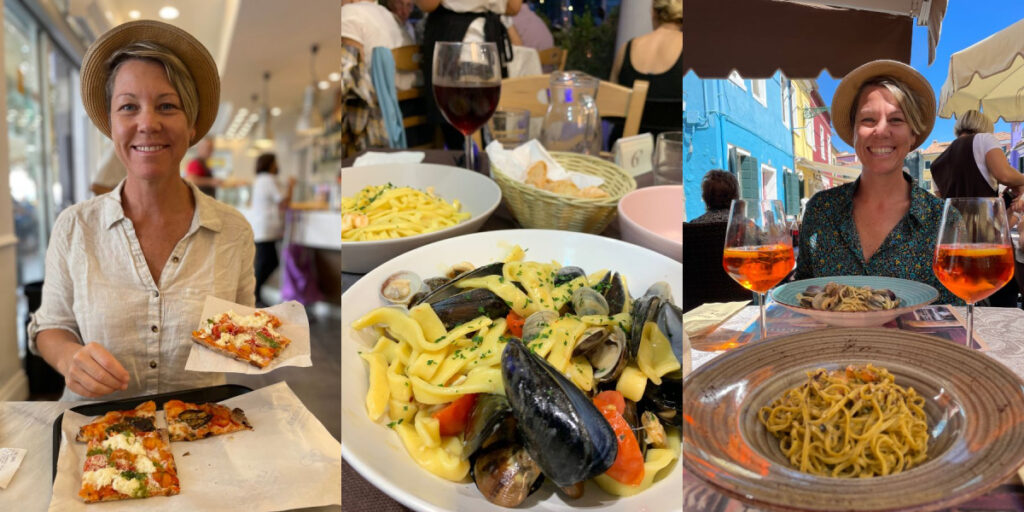
- Eat where locals eat, not near major attractions
- Respect meal times and dining customs
- Ask for recommendations instead of menus
- Learn basic Italian food terms
- Avoid rushing meals
These habits help travellers enjoy Italian food as intended.
How Italy Compares to Other Food and Culture Destinations
Italy is often regarded as the benchmark for food and culture travel, yet many countries offer outstanding cuisine and deep cultural traditions. What makes Italy distinctive is how closely food, history, and daily life are woven together.
Eating, socialising, and cultural expression happen naturally in the same spaces, creating experiences that feel authentic rather than curated. This integration gives Italy a depth that many other destinations approach differently.
Italy vs France: Comfort and Emotion vs Refinement
When compared with France, Italy feels warmer and more emotionally expressive. French cuisine is built on precision, technique, and presentation. Meals often follow formal structures and emphasise culinary discipline. Italian food values simplicity, memory, and instinct, with recipes shaped by family tradition rather than strict rules.
Culturally, France often presents its heritage through museums and curated spaces, while Italy places history directly into daily life through streets, neighbourhoods, and everyday rituals.
Italy vs Spain: Regional Depth vs Social Energy
Compared with Spain, Italy offers deeper regional variation in everyday cooking. Spain is known for its lively tapas culture, late nights, and strong social energy around food. Dining often involves sharing small plates and moving between venues.
Italy favours longer meals at one table, where each dish is given attention. Both cultures value social connection, but Italy places greater emphasis on preserving regional recipes and culinary identity.
Italy vs Greece: Variety vs Consistency
When compared to Greece, Italy provides more contrast across regions. Greek cuisine relies on consistent flavours such as olive oil, herbs, seafood, and grilled meats, creating a sense of unity.
Italy changes dramatically from region to region. Pasta shapes, sauces, cheeses, and cooking fats vary widely, offering travellers a stronger feeling of discovery and diversity.
Italy vs Japan: Intuition vs Discipline
Compared with Japan, Italy feels more intuitive and emotionally driven. Japanese cuisine is precise, structured, and guided by strong culinary rituals.
Presentation and technique are central. Italian cooking encourages personal interpretation, flexibility, and family influence. While both cultures deeply respect ingredients, Italy allows more room for variation and personal expression.
Italy vs Thailand: Heritage vs Intensity
When compared with Thailand, Italy offers a calmer and more reflective experience. Thai cuisine is bold, spicy, and intensely flavoured, often built around contrast. Italian food focuses on balance, texture, and ingredient quality.
Culturally, Thailand feels vibrant and energetic, while Italy often feels layered and historical, shaped by centuries of visible heritage.
Why Italy Feels Different Overall
What truly sets Italy apart is integration. Food is not separated from culture, and culture is not limited to attractions. Markets, cafés, family meals, and festivals all reflect history and identity. Travellers do not simply consume Italian food or observe Italian culture.
They participate in it through daily routines, shared meals, and meaningful human interaction.
Who This Vacation Guide to Italy Is Perfect For
- Food lovers seeking authentic regional cuisine
- Culture enthusiasts interested in history and daily life
- Slow travellers who value connection over speed
- Couples and solo travellers wanting meaningful experiences
Italy adapts to different travel styles while maintaining authenticity.
Must Read:
- Why France Is Perfect for a Romantic Getaway?
- Planning the Perfect Trip to Switzerland
- Beach Escapes and Culture in Papua New Guinea
FAQs:
1. What is the best time to visit Italy for food and cultural experiences?
The best time to visit Italy for food and culture is spring (April to June) and autumn (September to October). These seasons offer fresh seasonal ingredients, food festivals, and pleasant weather for walking historic cities. Summer can be lively but crowded, while winter offers fewer tourists and a more local cultural experience.
2. Which Italian regions are best for food lovers?
Emilia Romagna, Tuscany, Campania, and Sicily are top regions for food lovers. Emilia Romagna is famous for cheese, cured meats, and fresh pasta. Tuscany focuses on rustic flavours and wine. Campania is known for pizza and seafood, while Sicily offers bold flavours shaped by multiple cultures.
3. Is Italian food very different from region to region?
Yes, Italian food changes significantly by region. Northern Italy uses butter, rice, and cheese, while southern regions rely on olive oil, tomatoes, and seafood. Even the same dish may taste different from one town to another. This regional diversity is one of the main reasons Italy is so appealing to food focused travellers.
4. How can travellers experience authentic Italian food culture?
To experience authentic Italian food culture, eat where locals eat, visit neighbourhood markets, and respect meal times. Avoid tourist menus and choose small trattorias. Joining cooking classes, food tours, or staying in agriturismo properties also helps travellers understand how food fits into daily Italian life.
5. Do I need to speak Italian to enjoy food and culture in Italy?
Speaking Italian is not required, but learning basic food related words improves the experience. Simple phrases help with ordering, shopping at markets, and interacting with locals. Italians appreciate effort and are often more welcoming when travellers show interest in the language and local customs.
6. Is Italy suitable for slow travel focused on food and culture?
Italy is ideal for slow travel. Efficient trains, walkable cities, and strong regional identities allow travellers to spend more time in fewer places. Slow travel makes it easier to enjoy meals, attend local events, and connect with daily life, making the trip more meaningful for food and culture lovers.
Final Thoughts:
Italy feeds both body and mind. Meals tell stories. Streets carry history. Conversations feel personal. For food and culture lovers, Italy offers more than sightseeing. It offers participation.
Travelling through Italy means learning through taste, understanding through observation, and connecting through shared moments. That is why Italy continues to inspire travellers who want more than just a holiday.