


Travelling off the beaten path is not about being extreme or reckless. It is about choosing depth over crowds, authenticity over trends, and meaningful experiences over popular checklists. If you have ever felt overwhelmed in tourist hotspots or disappointed by overcrowded landmarks, learning How to Travel Off the Beaten Path can completely change the way you explore the world.
In recent years, more travellers have started searching for How to Travel Off the Beaten Path because mainstream tourism often feels rushed and commercial. Hidden villages, quiet landscapes, and lesser-known cultural regions offer richer experiences. You connect more deeply with local people, discover traditions that are not staged for visitors, and move at a slower, more intentional pace.
This comprehensive guide explains exactly How to Travel Off the Beaten Path, including planning strategies, safety tips, budgeting advice, destination research methods, and mindset shifts that make all the difference.
What Does “Off the Beaten Path” Really Mean?
Before understanding How to Travel Off the Beaten Path, it is important to define what it truly means. It does not always mean remote jungles or extreme expeditions. Often, it simply refers to places that are not trending on social media or flooded with tour buses.
Off-the-beaten-path travel can include:
- Secondary cities instead of capitals
- Rural villages instead of major resorts
- Local neighbourhoods instead of tourist districts
- Regional festivals instead of global events
- Nature reserves instead of theme parks
Learning How to Travel Off the Beaten Path begins with redefining what a “must-see” destination really is.
Why Choose Off-the-Beaten-Path Travel?
Understanding the real advantages behind this style of exploration makes it much easier to master How to Travel Off the Beaten Path effectively. Choosing lesser-known destinations is not about avoiding famous places completely. It is about seeking depth, authenticity, and a more meaningful connection with the places you visit.
1. Authentic Cultural Experiences
One of the strongest reasons people learn How to Travel Off the Beaten Path is to experience culture in its natural rhythm. In smaller towns and lesser-visited regions, daily life continues without being shaped around tourism. Conversations feel genuine. Meals are prepared for locals, not adapted for visitors. Traditions are practised because they matter, not because they are scheduled performances.
When you travel this way, you might shop at local markets, attend community events, or observe daily routines that rarely appear in guidebooks. These moments offer a more honest understanding of a destination’s identity.
2. Fewer Crowds
Crowds change the atmosphere of a place. Noise levels rise, queues form, and experiences become rushed. Learning How to Travel Off the Beaten Path allows you to step away from that pressure.
In quieter locations, you can explore at your own pace. You can sit in a town square without feeling hurried, walk through historic streets without large tour groups, and enjoy nature without competing for space. Peaceful exploration creates space for reflection and deeper appreciation.
3. Lower Costs
Off-the-beaten-path destinations often offer better value. Accommodation prices in smaller towns tend to be lower than in major tourist centres. Restaurants may charge local rates rather than tourist premiums. Transportation within rural areas can also be more affordable.
When applying How to Travel Off the Beaten Path, travellers often find that their budget stretches further. Lower costs can mean longer stays, upgraded lodging, or more local experiences without financial stress.
4. Unique Stories
Popular destinations often produce similar travel stories. Visiting iconic landmarks can be memorable, but the experiences sometimes feel predictable. Travelling off the beaten path leads to moments that are entirely your own.
You may stumble upon a small festival, meet a family-run guesthouse owner with fascinating stories, or discover a scenic viewpoint with no signboard. These unexpected encounters shape your journey in personal ways. Understanding How to Travel Off the Beaten Path means embracing unpredictability and allowing space for spontaneous discoveries.
5. Sustainable Travel
Overtourism places strain on infrastructure, local communities, and natural environments. By spreading your travel choices across lesser-known regions, you help distribute economic benefits more evenly.
Choosing alternative destinations supports small businesses that depend on tourism but are often overlooked. It also reduces environmental pressure on famous landmarks. Practising How to Travel Off the Beaten Path becomes a conscious decision to travel responsibly.
When you fully understand these advantages, planning How to Travel Off the Beaten Path becomes more intentional. It shifts from simply avoiding crowds to creating a richer, more thoughtful travel experience that benefits both you and the places you visit.
1: Shift Your Travel Mindset
The first lesson in How to Travel Off the Beaten Path is mental. You must move away from checklist tourism.
Instead of asking:
“What are the top 10 attractions?”
Ask:
“What kind of environment do I want to experience?”
Be open to:
- Slower schedules
- Flexible itineraries
- Fewer structured tours
- Spontaneous discoveries
Off-the-beaten-path travel rewards curiosity more than rigid planning.
2: Research Beyond Popular Platforms

If you want to master How to Travel Off the Beaten Path, avoid relying only on mainstream travel websites.
Better Research Methods
- Read local blogs from residents
- Search regional tourism board websites
- Explore smaller travel forums
- Use satellite maps to spot remote areas
- Look at train routes instead of flight hubs
When researching, zoom out from capital cities and explore secondary towns.
For example:
Instead of only visiting Paris, research smaller French towns like Annecy or Colmar.
Instead of Tokyo alone, consider Kanazawa.
This approach strengthens your understanding of How to Travel Off the Beaten Path.
3: Travel During Shoulder Seasons
Timing plays a huge role in How to Travel Off the Beaten Path.
Even popular destinations become quieter during:
- Early spring
- Late autumn
- Weekdays
- Early mornings
For example, visiting Venice in November feels entirely different from visiting in July.
Sometimes, travelling off the beaten path is about timing rather than location.
4: Choose Alternative Neighbourhoods
In large cities, staying outside the main tourist district helps you practise How to Travel Off the Beaten Path without leaving the city entirely.
Instead of staying near major landmarks, look for:
- Residential neighbourhoods
- Local markets
- Independent cafés
- Community parks
You gain insight into everyday life rather than curated tourist zones.
5: Use Local Transportation
Learning How to Travel Off the Beaten Path often means avoiding organised tours.
Try:
- Regional trains
- Public buses
- Bicycle rentals
- Walking routes
- Local ferries
These methods expose you to smaller towns and unexpected stops.
6: Prioritise Conversations
True off-the-beaten-path travel depends on connection.
When practising How to Travel Off the Beaten Path, talk to:
- Café owners
- Guesthouse hosts
- Local drivers
- Market vendors
Ask simple questions:
“Where do locals go on weekends?”
“Is there a quiet place nearby?”
Local recommendations often lead to the most authentic experiences.
7: Choose Nature Over Infrastructure
Nature-based destinations naturally support How to Travel Off the Beaten Path.
Consider:
- National parks
- Mountain villages
- Coastal trails
- Desert landscapes
- Forest retreats
For example, instead of crowded beaches, explore lesser-known islands near Greece such as Folegandros.
Safety Considerations
While learning How to Travel Off the Beaten Path, safety remains essential.
Practical Safety Tips
- Research local healthcare access
- Share your itinerary with someone
- Keep digital and printed copies of documents
- Check weather conditions carefully
- Respect local customs
Off-the-beaten-path travel should feel adventurous but responsible.
Budgeting for Off-the-Beaten-Path Travel
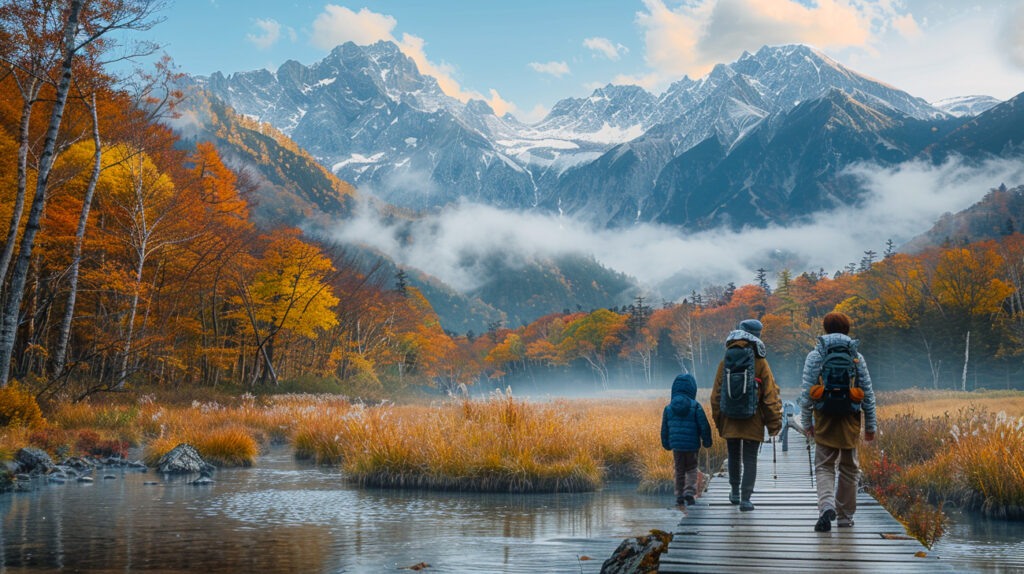
Many people assume remote travel is expensive. Often, the opposite is true.
When planning How to Travel Off the Beaten Path, you may save money on:
- Accommodation
- Local food
- Entrance fees
- Transportation
However, remote areas may require:
- Rental cars
- Extra travel time
- Limited ATMs
Balance savings with practical logistics.
Digital Tools That Help
Modern tools simplify How to Travel Off the Beaten Path.
Useful resources include:
- Offline map apps
- Translation tools
- Regional transport apps
- Local event listings
Technology allows you to explore responsibly without getting lost or disconnected.
Common Mistakes to Avoid
Understanding How to Travel Off the Beaten Path is not only about choosing quieter destinations. It also requires awareness of potential pitfalls. Travelling beyond mainstream routes can be deeply rewarding, but only when approached thoughtfully. Avoiding common mistakes ensures your experience remains positive, safe, and respectful.
1: Romanticising Isolation
It is easy to imagine that the more remote a place is, the more magical it will feel. However, learning How to Travel Off the Beaten Path means recognising that isolation is not always comfortable. Extremely remote areas may have limited healthcare access, weak internet connectivity, scarce food options, or challenging transportation.
Before committing to a secluded destination, ask yourself honest questions. Are you comfortable with limited amenities? Can you manage unexpected delays? Do you feel confident navigating unfamiliar environments without constant support?
Off-the-beaten-path travel should feel enriching, not stressful. Choosing destinations that match your experience level and comfort zone makes the journey more enjoyable. Remote does not automatically mean better. Balance adventure with practicality.
2: Ignoring Infrastructure
One of the biggest misunderstandings about How to Travel Off the Beaten Path is assuming spontaneity replaces preparation. While flexibility is important, infrastructure still matters. Smaller towns may have limited public transport schedules. Accommodation options may be fewer, especially during local festivals or peak seasons.
Before travelling, research:
- Bus and train frequency
- Availability of taxis or ride services
- Accommodation reviews
- Local shop and restaurant hours
- ATM access
Arriving in a quiet village late at night without confirmed lodging can quickly turn an exciting plan into unnecessary stress. Smart preparation supports smoother travel, even in less-visited places.
3: Disrespecting Local Culture
Off-the-beaten-path areas often preserve stronger traditional customs. Learning How to Travel Off the Beaten Path includes understanding that you are entering communities that may not be accustomed to high tourist traffic.
Respect local norms regarding:
- Dress codes
- Photography etiquette
- Religious practices
- Gender roles
- Social behaviour
Observe first, then act. Dress modestly where appropriate. Ask before taking photos of people. Learn basic greetings in the local language. Small gestures show respect and openness.
Travelling responsibly ensures that your presence contributes positively rather than disruptively. When you avoid these common mistakes, How to Travel Off the Beaten Path becomes not just a travel style, but a mindful and respectful way of exploring the world.
Benefits of Travelling Off the Beaten Path
When you successfully learn How to Travel Off the Beaten Path, the rewards are powerful.
You experience:
- Deeper cultural understanding
- Slower travel pace
- Meaningful conversations
- Greater personal growth
- Unique travel memories
Your journey becomes less about proving you travelled and more about how it made you feel.
Real-World Examples of Off-the-Beaten-Path Travel
Here are practical illustrations of How to Travel Off the Beaten Path:
- Exploring Matera instead of Rome
- Visiting Gjirokastër instead of crowded capitals
- Hiking near Banff during shoulder season
- Staying in rural villages near Portugal rather than Lisbon centre
Each choice reflects intentional travel planning.
The Emotional Side of Off-the-Beaten-Path Travel
Learning How to Travel Off the Beaten Path changes more than your itinerary. It changes your perspective.
You become:
- More adaptable
- More observant
- More patient
- More appreciative
Silence and simplicity create mental clarity.
Sustainable Impact
Spreading tourism beyond crowded hotspots supports local economies.
Practising How to Travel Off the Beaten Path helps:
- Reduce overcrowding
- Support small businesses
- Preserve cultural heritage
- Protect natural environments
Responsible travellers think beyond personal experience.
Must Read:
- Can Americans Travel to Cuba?
- Budget Travel Hacks That Can Cut Your Trip Cost in Half
- Best Checking Accounts for Travelers
Final Thoughts:
Understanding How to Travel Off the Beaten Path is less about geography and more about intention. It requires curiosity, flexibility, and respect.
You do not need to travel to extreme locations. Sometimes, travelling off the beaten path simply means choosing the second most popular town instead of the first. It means waking up early to see a landmark before crowds arrive. It means talking to locals instead of following a rigid guidebook.
When done thoughtfully, learning How to Travel Off the Beaten Path transforms travel into something deeper. It becomes immersive, personal, and memorable.
The world is larger than trending destinations. Step slightly sideways from the main road, and you will discover stories, landscapes, and connections that most travellers miss.