
Thailand is one of those countries that works for almost every kind of traveler. First time international visitors feel comfortable here. Experienced travelers keep coming back because there is always more to explore. Digital nomads, couples, solo travelers, families, food lovers, adventure seekers, and beach dreamers all find something that fits their style.
What makes Thailand special is balance. It blends ancient culture with modern life, busy cities with peaceful islands, and deep tradition with global influence. You can explore golden temples in the morning, eat street food at night markets in the evening, and relax on a quiet beach the next day. Travel is easy, costs are reasonable, and hospitality feels genuine rather than forced.
This guide covers the best places to visit in Thailand, focusing on destinations that offer strong cultural value, natural beauty, and memorable experiences. Each section explains what makes the place unique, what travelers can expect, and why it deserves a spot on your itinerary.
Bangkok: The Heartbeat of Thailand
Bangkok is the energetic heart of Thailand, where tradition and modern life exist side by side. Grand temples, bustling markets, and historic neighborhoods sit alongside skyscrapers, malls, and rooftop bars.
The city moves fast, but it never loses its cultural soul. From street food stalls to sacred shrines, Bangkok delivers an intense, authentic experience that defines the spirit of the country.
Why Bangkok Is Unmissable
Bangkok is often the first stop for travelers, and it sets the tone for the entire country. The city is energetic, chaotic, colorful, and deeply cultural. Skyscrapers rise next to centuries old temples. Luxury malls sit minutes away from street food stalls.
Bangkok does not try to impress quietly. It overwhelms you at first, then slowly reveals its rhythm.
Cultural Landmarks and Temples
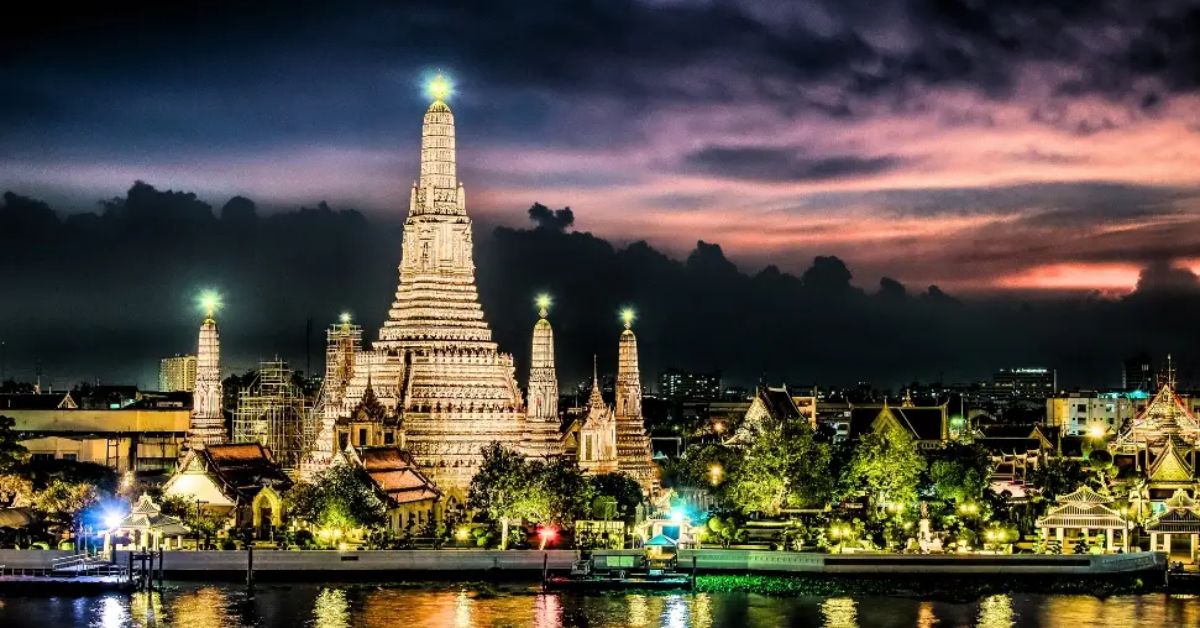
The Grand Palace complex is one of Thailand’s most important landmarks. Nearby, Wat Phra Kaew houses the Emerald Buddha, the country’s most sacred religious symbol. Wat Arun, located along the Chao Phraya River, offers stunning views at sunrise and sunset.
These temples are not just tourist attractions. They remain active religious sites where daily rituals continue.
Food and Nightlife
Bangkok is one of the world’s top food cities. Street food dominates daily life, with dishes like pad thai, mango sticky rice, grilled skewers, and spicy soups available everywhere. From casual stalls to Michelin recognized eateries, Bangkok delivers flavor at every level.
Nightlife ranges from rooftop bars to night markets and live music venues, giving the city a vibrant after dark personality.
Chiang Mai: Culture, Mountains, and Calm
Chiang Mai offers a calmer, more reflective side of Thailand, shaped by mountains, history, and deep cultural traditions. Ancient temples sit within old city walls, while forests and hill villages surround the region.
The pace is slower, the atmosphere more relaxed, and the focus is on culture, nature, and everyday life. Chiang Mai appeals to travelers who value meaningful experiences, scenic landscapes, and a quieter connection to Thai heritage.
A Softer Side of Thailand
Chiang Mai offers a slower pace compared to Bangkok. Located in northern Thailand, it is surrounded by mountains, forests, and traditional villages.
The city feels relaxed and creative, attracting artists, digital nomads, and travelers who enjoy cultural depth without constant noise.
Temples and Old City Charm
Chiang Mai’s Old City is surrounded by ancient walls and moats. Inside, dozens of temples reflect different periods of Lanna architecture. Wat Phra Singh and Wat Chedi Luang are among the most visited.
A short drive up the mountain leads to Doi Suthep, a temple with panoramic views over the city.
Ethical Wildlife and Nature
Many travelers visit Chiang Mai for elephant experiences. Reputable sanctuaries focus on rescue and ethical care rather than riding. This allows visitors to learn while supporting responsible tourism.
Nearby national parks and hiking trails make Chiang Mai a strong base for nature lovers.
Phuket: Thailand’s Most Famous Island
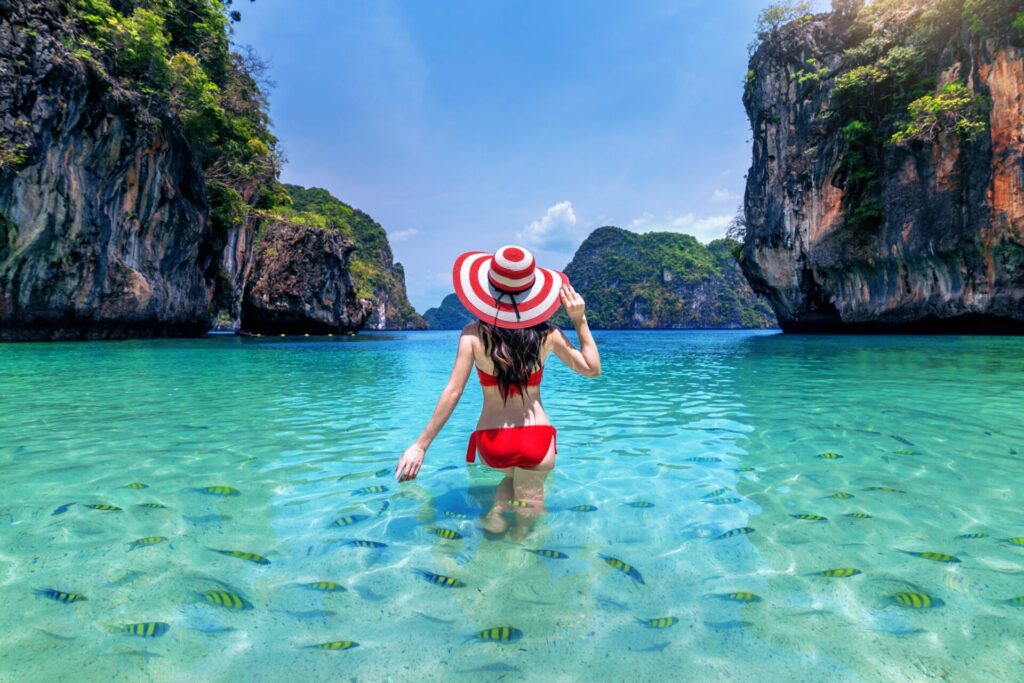
Phuket is Thailand’s most famous island, known for beautiful beaches, lively nightlife, diverse resorts, island hopping tours, and a mix of relaxation, entertainment, and culture.
1. Beaches and Accessibility
Phuket is Thailand’s largest island and most well known beach destination. It is easy to reach, with an international airport and strong tourism infrastructure.
Phuket offers something for every travel style, from party focused beaches to quiet coastal resorts.
2. Beach Variety
Patong Beach is lively and crowded, known for nightlife and entertainment. Kata and Karon beaches offer a more relaxed atmosphere, while smaller beaches like Freedom Beach provide seclusion.
Boat trips to nearby islands such as Phi Phi add to Phuket’s appeal.
3. Culture Beyond the Beach
Phuket Old Town surprises many visitors. Colorful Sino Portuguese buildings, local cafés, and street art create a charming contrast to beach resorts.
Food in Phuket reflects southern Thai flavors, often spicier and seafood focused.
Krabi: Dramatic Landscapes and Island Hopping
Krabi is known for towering limestone cliffs, turquoise waters, island hopping tours, scenic beaches, snorkeling spots, and relaxed coastal towns surrounded by striking natural scenery.
1. Natural Beauty at Its Best
Krabi is known for towering limestone cliffs, emerald waters, and postcard perfect beaches. The scenery feels cinematic and instantly recognizable.
Krabi suits travelers who want visual impact without the heavy crowds of larger destinations.
2. Railay and Ao Nang
Railay Beach, accessible only by boat, is one of Thailand’s most iconic coastal spots. Rock climbers, photographers, and beach lovers all gravitate here.
Ao Nang serves as a convenient base with hotels, restaurants, and easy access to island tours.
3. Island Tours and Snorkeling
Krabi is ideal for island hopping. Tours often include stops at small islands with snorkeling, shallow reefs, and quiet beaches.
The region balances accessibility with natural beauty.
Ayutthaya: Ancient Capital and History
Ayutthaya showcases Thailand’s rich history through temple ruins, river landscapes, and UNESCO heritage sites, offering a powerful glimpse into the country’s former royal capital.
1. A Journey Into Thailand’s Past
Ayutthaya was once one of Southeast Asia’s most powerful cities. Today, its ruins form a UNESCO listed historical park.
Ayutthaya is an easy day trip from Bangkok, making it accessible even for short itineraries.
2. Temple Ruins and River Views
Wat Mahathat, famous for the Buddha head entwined in tree roots, is one of the most photographed sites. Other temples showcase massive prangs and decaying brick structures.
Exploring by bicycle allows visitors to move at a relaxed pace.
Pai: Nature, Creativity, and Escape
Pai is a relaxed mountain town known for natural scenery, creative energy, hot springs, waterfalls, and a slow pace that attracts travelers seeking escape and simplicity.
1. A Laid Back Mountain Town
Pai attracts travelers looking to slow down. Located in the mountains north of Chiang Mai, Pai feels informal and artistic.
The town has become popular with backpackers and long stay travelers.
2. Nature and Outdoor Activities
Pai Canyon offers sunset views, while nearby waterfalls and hot springs provide easy day trips. The surrounding countryside is ideal for motorbike exploration.
Evenings are relaxed, centered around the walking street and casual dining.
Koh Samui: Comfort and Tropical Ease

1. Island Living With Convenience
Koh Samui offers a polished island experience. It combines beaches, resorts, shopping, and wellness in one compact destination.
The island is well suited for couples, families, and travelers seeking comfort.
2. Beaches and Wellness
Chaweng Beach is lively, while Lamai and Maenam offer quieter alternatives. Yoga retreats, spas, and wellness centers are common across the island.
Koh Samui is also a gateway to nearby islands like Koh Phangan and Koh Tao.
Koh Phi Phi: Iconic Beauty
Koh Phi Phi is famous for dramatic limestone cliffs, turquoise bays, white sand beaches, snorkeling, and breathtaking viewpoints that have made it one of Thailand’s most photographed destinations.
1. A Global Symbol of Thailand
Koh Phi Phi became famous worldwide for its dramatic cliffs and turquoise bays. Maya Bay, surrounded by steep limestone walls, is one of the most photographed beaches in the world.
2. Managing Popularity
Phi Phi can be crowded, especially during peak season. Visiting early in the morning or staying overnight helps avoid the busiest times.
Snorkeling, boat tours, and viewpoints remain highlights.
Sukhothai: Birthplace of Thai Civilization
Sukhothai is considered the birthplace of Thai civilization, known for elegant temple ruins, serene landscapes, and a UNESCO listed historical park reflecting early Thai art and culture.
1. Cultural Significance
Sukhothai represents the origins of Thai art, architecture, and identity. Its historical park features elegant ruins set among ponds and greenery.
2. Peaceful Exploration
Compared to Ayutthaya, Sukhothai feels quieter and more reflective. Cycling through the park offers a calm and immersive experience.
Kanchanaburi: Nature and History Combined
Kanchanaburi blends natural beauty and history, featuring waterfalls, rivers, national parks, and World War II landmarks like the Bridge on the River Kwai.
Beyond the Cities
Kanchanaburi is known for its connection to World War II history and its natural surroundings.
The Bridge on the River Kwai and nearby museums provide historical context, while Erawan National Park offers beautiful waterfalls.
Best Time to Visit Thailand
Choosing the best time to visit Thailand depends on your travel style, budget, and the experiences you want. Thailand is a year round destination, but weather patterns, regional differences, and seasonal travel trends can strongly influence your trip. Understanding these seasons helps you plan more comfortably and get better value from your journey.
Cool and Dry Season (November to March)
The most popular time to visit Thailand is between November and March. During these months, the weather is generally cooler, drier, and more comfortable for sightseeing and outdoor activities. Daytime temperatures are pleasant, humidity is lower, and rainfall is minimal across most regions.
This season is ideal for exploring cities like Bangkok, cultural destinations such as Chiang Mai, and beach areas including Phuket and Koh Samui. It is also the best period for island hopping, snorkeling, and long days of sightseeing.
Because conditions are favorable, this is peak tourist season. Flights and accommodation prices are higher, and popular destinations can feel crowded, especially around December and January. Booking in advance is strongly recommended.
Hot Season (April to May)
April and May mark Thailand’s hottest period. Temperatures often exceed 35°C, and humidity increases, especially in urban areas. While the heat can be intense, this season still attracts travelers who are comfortable with warmer climates.
One highlight of this period is the Thai New Year festival, Songkran, celebrated in April. Water fights take over cities and towns, offering a fun and refreshing cultural experience. Beach destinations remain popular, as coastal breezes provide some relief from the heat.
Travel costs during the hot season are generally lower than peak months, making it appealing for budget conscious travelers willing to plan activities around early mornings and evenings.
Rainy or Green Season (June to October)
The rainy season runs from June to October and is influenced by the southwest monsoon. Rainfall usually comes in short, heavy bursts rather than all day storms. Landscapes become lush and green, rivers fill, and waterfalls are at their most impressive.
This season is ideal for travelers seeking fewer crowds and lower prices. Many hotels and tours offer discounts, and popular attractions are less busy. Cultural sites, food experiences, and city exploration remain enjoyable.
However, weather conditions vary by region. Some islands may experience rough seas, affecting ferry schedules and water activities. Flexibility in planning is helpful during this period.
Overall Best Time to Visit
For most travelers, November to February offers the best balance of weather and activities. Those prioritizing budget and quieter experiences may prefer the rainy season, while festival lovers often enjoy April despite the heat.
Thailand rewards travelers in every season. The key is matching the time of year with your travel expectations, comfort level, and desired experiences to create the most enjoyable trip possible.
Why Thailand Remains a Top Travel Destination
Thailand works because it feels welcoming and flexible. You can travel comfortably on a budget or enjoy luxury without stress. Cultural traditions remain strong, yet the country adapts easily to global travelers.
The variety of destinations ensures that no two trips feel the same. Mountains, islands, cities, and ancient ruins all coexist within manageable distances.
Must Read:
- Best Places to Visit in Thailand
- Badlands-NationalPark South Dakota USA
- Top Tourist Destinations in South America
FAQs:
What are the best places to visit in Thailand for first time travelers?
First time visitors often enjoy Bangkok, Chiang Mai, Phuket, Krabi, and Ayutthaya because they offer culture, beaches, history, easy transport, and well developed tourism facilities.
Is Thailand suitable for budget travelers?
Thailand is very budget friendly, offering affordable accommodation, cheap public transport, low cost street food, free temples, and flexible travel options without sacrificing comfort or overall travel experiences.
Which Thailand destinations are best for beaches?
Top beach destinations include Phuket, Krabi, Koh Samui, Koh Phi Phi, and Koh Tao, known for clear waters, island hopping, snorkeling, resorts, and both lively and quiet beach areas.
What places in Thailand are best for culture and history?
Bangkok, Chiang Mai, Ayutthaya, and Sukhothai are ideal for cultural travelers, featuring historic temples, ancient ruins, traditional festivals, museums, and strong connections to Thailand’s heritage.
How much time is needed to explore Thailand properly?
A minimum of ten to fourteen days allows travelers to experience cities, beaches, and cultural sites, while longer stays provide deeper exploration and slower, more immersive travel experiences.
Is Thailand safe for tourists?
Thailand is generally safe for tourists, especially in popular destinations. Using common sense, respecting local customs, staying aware, and following travel advice ensures a smooth and enjoyable trip.
Final Thoughts:
The best places to visit in Thailand reflect the country’s diversity. From Bangkok’s intensity to Chiang Mai’s calm, from Phuket’s beaches to Sukhothai’s history, each destination adds a different layer to the experience.
Thailand is not just a place you visit once. It is a country many travelers return to, each time discovering something new. Whether you stay for a week or several months, Thailand leaves you with memories that feel both exciting and deeply human.