
Badlands National Park is one of the most visually striking and geologically unique landscapes in the United States. Located in western South Dakota, this national park is defined by sharply eroded buttes, layered rock formations, deep canyons, and wide open prairie. At first glance, the terrain appears harsh and almost alien. Spend a little time here, and it reveals a quiet beauty shaped by time, wind, and water.
Badlands-NationalPark South Dakota USA attracts travelers who appreciate raw scenery, solitude, wildlife, and a strong sense of place. It is not polished or dramatic in the traditional mountain sense. Instead, it feels ancient, vast, and honest. The park offers powerful sunsets, star filled skies, fossil rich history, and a deep connection to both geology and Native American culture.
This in depth guide explores Badlands National Park from every angle. You will learn about its geography, history, scenic drives, hiking trails, wildlife, best times to visit, photography opportunities, nearby attractions, and practical travel tips. Whether you are planning a road trip, a family vacation, or a quiet solo escape, this guide helps you understand why Badlands National Park deserves a place on your travel list.
Understanding the Landscape of Badlands National Park
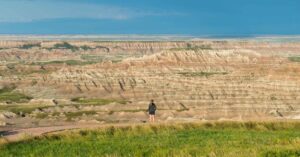
The Badlands are the result of millions of years of erosion. Layers of sedimentary rock were deposited by ancient rivers and seas. Over time, wind and water carved these layers into the jagged formations seen today.
The park’s rock layers tell a geological story that spans nearly 75 million years. You can see bands of color ranging from pale yellow and gray to rust red and white. Each layer represents a different era of Earth’s history.
Despite the name, the Badlands are far from lifeless. The prairie grasslands that surround the formations support a wide range of plants and animals. This contrast between sharp rock spires and rolling grassland is part of what makes the park visually compelling.
History and Cultural Significance
Long before it became a national park, this land was home to Indigenous peoples, most notably the Oglala Lakota Tribe. The Lakota name for the area roughly translates to land that is difficult to travel through, which reflects both the rugged terrain and the respect it commanded.
The Badlands were once viewed as undesirable land by early settlers. Farming was nearly impossible due to the dry climate and eroded soil. However, this perceived disadvantage helped preserve the landscape.
In 1939, the area was designated as Badlands National Monument, and in 1978 it became a national park. Today, the park includes lands co managed with the Oglala Lakota Tribe, recognizing the deep cultural ties to the region.
Geography and Park Layout
Badlands National Park covers over 240,000 acres. It is divided into two main sections: the North Unit and the South Unit.
The North Unit is the most visited area. It includes scenic overlooks, visitor centers, hiking trails, and the famous Badlands Loop Road. This area is ideal for first time visitors.
The South Unit, also known as the Stronghold District, is less developed and more remote. It is co managed with the Oglala Lakota Tribe and requires permits for certain areas. This section offers a quieter, more reflective experience.
Scenic Drives in Badlands National Park
Scenic drives in Badlands National Park offer one of the easiest and most rewarding ways to experience the park’s dramatic landscapes. Well-maintained roads wind through jagged rock formations, open prairies, and sweeping overlooks, allowing visitors to enjoy breathtaking views without extensive hiking.
Each drive reveals changing colors, unique geological patterns, and frequent wildlife sightings, making the journey just as memorable as the destinations themselves.
1. Badlands Loop Road
The Badlands Loop Road is the most popular drive in the park. This 31 mile paved road winds through the heart of the Badlands formations. Numerous pullouts allow visitors to stop and take in sweeping views.
Each overlook offers a different perspective. Some highlight layered rock walls, while others open up to vast prairie and distant horizons. Early morning and late afternoon provide the best light for viewing and photography.
2. Sage Creek Rim Road
For a more rugged experience, Sage Creek Rim Road offers gravel roads and fewer crowds. This drive passes through open grasslands where bison, pronghorn, and prairie dogs are often spotted.
This area feels wilder and less structured. It is perfect for travelers who want a quieter connection with the landscape.
Hiking Trails for Every Level
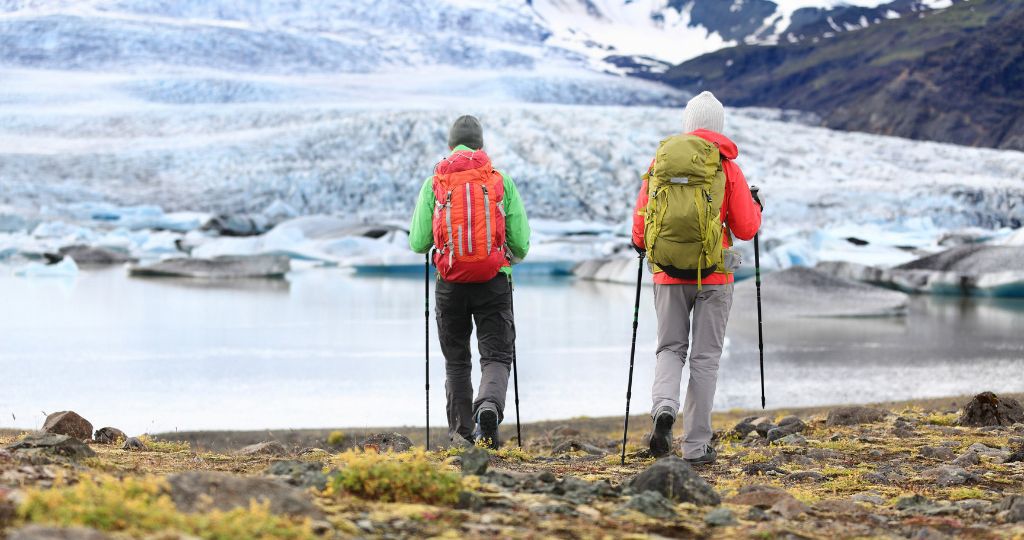
Badlands National Park offers hiking options ranging from short boardwalks to backcountry adventures. Trails are generally exposed, so sun protection and water are essential.
1. Door Trail
The Door Trail is a short and accessible walk that leads through a break in the Badlands wall. Once past the boardwalk, visitors can explore freely among the formations.
This trail is ideal for families and first time hikers.
2. Notch Trail
The Notch Trail is one of the park’s most popular hikes. It includes a wooden ladder and narrow ledges with dramatic views.
The trail ends at a cliff overlook that showcases the White River Valley. It is moderately challenging and not recommended for those uncomfortable with heights.
3. Castle Trail
The Castle Trail is the longest developed trail in the park. It stretches across open terrain and offers deep immersion into the Badlands landscape.
This hike is best for experienced hikers who enjoy solitude and wide open views.
Wildlife and Nature
Badlands National Park supports a surprising range of wildlife. Early morning and evening are the best times to spot animals.
Common wildlife includes bison, bighorn sheep, pronghorn antelope, prairie dogs, coyotes, and various bird species. Reptiles such as prairie rattlesnakes are also present, especially during warmer months.
The prairie ecosystem plays a vital role in the park’s biodiversity. Native grasses help stabilize soil and support grazing animals.
Fossils and Ancient Life in Badlands National Park
Badlands National Park is one of the most important fossil rich landscapes in North America. Beneath its dramatic rock formations lies a detailed record of ancient life that helps scientists understand how ecosystems evolved over millions of years. The park’s exposed sediment layers act like pages of a history book, revealing what lived here long before humans arrived.
1. A Window Into Prehistoric Time
The fossils found in the Badlands date back roughly 23 to 75 million years, covering periods when this region looked very different from today. What is now a dry, rugged landscape was once a lush environment filled with rivers, forests, and open plains. These conditions supported a wide variety of animals, many of which are now extinct.
Because erosion continuously exposes new rock layers, fossils are often revealed naturally. This ongoing process makes the Badlands a living laboratory for paleontologists.
2. Ancient Animals of the Badlands
The Badlands preserve fossils from an era dominated by early mammals rather than dinosaurs. Among the most notable discoveries are ancient horses, rhinoceros like mammals, saber toothed cats, camels, and oreodonts, which were sheep sized herbivores common to the region.
These animals adapted to changing climates over time. Fossil evidence shows how species evolved, migrated, or disappeared as grasslands replaced forests and water sources shifted. This makes the Badlands especially valuable for studying long term environmental change.
3. Fossil Formation and Preservation
Fossils in the Badlands formed when animals died near rivers or floodplains and were quickly buried by sediment. Over time, layers of mud, sand, and volcanic ash hardened into rock, preserving bones and teeth.
The park’s soft sedimentary rock erodes easily, which is why fossils are often visible on the surface. While this natural erosion reveals fossils, it also makes them vulnerable, requiring careful protection and monitoring.
4. Scientific Importance of the Badlands
Badlands National Park is considered one of the richest fossil areas in the world for the Oligocene Epoch. Scientists from around the globe study fossils here to understand mammal evolution, climate shifts, and extinction patterns.
Research conducted in the park contributes to broader knowledge about how ecosystems respond to long term climate change. This makes the Badlands not only a scenic destination but also a site of global scientific value.
5. Visitor Education and Fossil Protection
Visitors can learn about fossils at the Ben Reifel Visitor Center, where displays explain ancient animals, fossil formation, and ongoing research. Ranger programs often highlight the importance of paleontology within the park.
Collecting fossils is strictly prohibited. Even removing small fragments can damage scientific research and the natural integrity of the park. Protecting fossils ensures future discoveries and preserves this ancient record for generations to come.
Best Time to Visit Badlands National Park
The best time to visit Badlands National Park is late spring through early fall.
1. Spring
Spring offers cooler temperatures and blooming wildflowers. Wildlife activity increases, and crowds are still manageable.
2. Summer
Summer brings the highest visitor numbers. Temperatures can be extreme, often exceeding 90°F. Early mornings and evenings are the most comfortable times to explore.
3. Fall
Fall is one of the best seasons to visit. Temperatures are mild, crowds decrease, and the light is ideal for photography.
4. Winter
Winter visits are possible but challenging. Snow and ice can limit access, but the park becomes incredibly quiet and atmospheric.
Photography in the Badlands
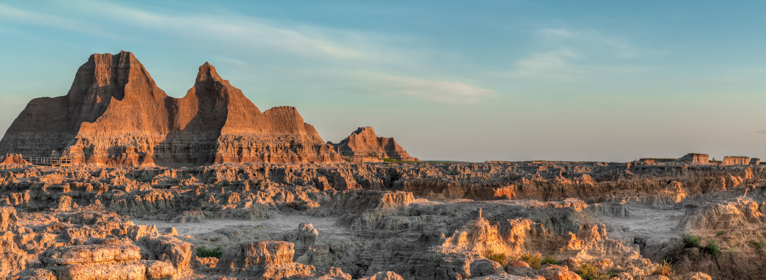
Badlands National Park is a dream destination for photographers. The constantly changing light transforms the landscape throughout the day.
Sunrise and sunset bring warm colors that highlight the layered rock formations. Night skies are exceptionally dark, making the park ideal for astrophotography.
Wide angle lenses work well for capturing sweeping landscapes, while telephoto lenses help isolate patterns and wildlife.
Stargazing and Night Skies
Due to minimal light pollution, Badlands National Park offers outstanding stargazing opportunities. On clear nights, the Milky Way is visible with the naked eye.
The park occasionally hosts night sky programs during peak seasons. These events help visitors understand astronomy and the importance of preserving dark skies.
Camping and Accommodation Options
Camping and accommodation options in Badlands National Park suit a wide range of travel styles, from rustic outdoor stays to comfortable nearby lodging. Visitors can camp under dark, star filled skies within the park or choose hotels and motels in surrounding towns for added convenience.
Whether you prefer a quiet night in nature or modern amenities after a day of exploring, the area offers flexible choices to match different budgets and comfort levels.
Camping Inside the Park
The Cedar Pass Campground is the primary campground within the park. It offers basic amenities and easy access to scenic drives and trails.
Primitive camping is allowed in certain areas with permits.
Lodging Nearby
Most visitors stay in nearby towns such as Wall or Rapid City. These towns offer hotels, motels, and dining options.
Wall is famous for its roadside attraction Wall Drug, which adds a fun stop to any trip.
Things to Do Near Badlands National Park
Badlands National Park pairs well with other nearby attractions.
Mount Rushmore
Mount Rushmore is about a two hour drive from the park. The iconic monument adds historical context to a regional road trip.
Black Hills
The Black Hills region offers forests, lakes, and scenic drives. It contrasts beautifully with the stark terrain of the Badlands.
Custer State Park
Custer State Park features rolling hills, wildlife, and scenic routes like Needles Highway. Many travelers combine it with a Badlands visit.
Practical Travel Tips
- Bring plenty of water, especially during warmer months. There are limited services inside the park.
- Wear sturdy footwear and sun protection. Shade is minimal on most trails.
- Cell service can be unreliable. Download maps in advance.
- Respect wildlife and keep a safe distance, especially from bison.
- Stay on designated trails to protect fragile ecosystems.
Why Badlands National Park Is Worth Visiting?
Badlands National Park is not about comfort or convenience. It is about perspective. The land feels ancient, open, and quietly powerful.
It invites you to slow down, observe, and reflect. The silence, vast skies, and sculpted earth leave a lasting impression.
For travelers who appreciate natural beauty without crowds, history without spectacle, and landscapes shaped by time, Badlands National Park offers an experience that feels deeply authentic.
Must Read:
- Top Tourist Destinations in South America
- Explore Kenya: Safaris, Beaches, and Culture
- Vacation Guide to Italy for Food and Culture Lovers
FAQs:
Can you camp inside Badlands National Park?
Yes, Badlands National Park offers campground facilities and limited primitive camping, allowing visitors to stay overnight within the park and experience dark skies, quiet landscapes, and early morning views.
Are reservations required for camping in the park?
Cedar Pass Campground accepts reservations during peak season, while some sites may be first come, first served. Booking in advance is recommended, especially during summer and holiday periods.
What amenities are available at park campgrounds?
Campgrounds provide basic amenities such as restrooms, picnic tables, and access to nearby roads. They do not offer full hookups, so campers should arrive prepared with water and supplies.
Are there hotels near Badlands National Park?
Yes, several hotels and motels are available in nearby towns like Wall and Rapid City, offering comfortable lodging, dining options, and easy driving access to the park.
Is camping suitable for families and beginners?
Camping in the Badlands is suitable for families and first time campers, especially at developed campgrounds. Clear rules, paved access, and ranger presence make it a manageable outdoor experience.
What should visitors consider when choosing accommodation?
Travelers should consider season, weather, comfort preferences, and driving distance. Camping offers immersion in nature, while nearby lodging provides convenience and protection from extreme temperatures.
Final Thoughts:
Badlands National Park stands as one of America’s most underrated natural treasures. It rewards curiosity, patience, and respect for nature.
Whether you come for a few hours or several days, the park leaves you with a sense of humility and wonder. The formations may look harsh, but the experience is rich, grounding, and unforgettable.
If you are planning a road trip through the American West or seeking a destination that feels untouched and real, Badlands National Park deserves a place on your journey.