



- No win no fee
- Handles EU261 compensation claims
- Legal escalation support included
- Simplifies airline dispute process
Flight delays and cancellations are frustrating. Long airport waits, missed connections, and unexpected overnight stays can ruin carefully planned trips. What many passengers do not realise is that under EU Regulation 261, often referred to as EU261, you may be entitled to financial compensation when your flight is significantly delayed, cancelled, or overbooked.
This is where AirHelp enters the conversation. If you search online for EU261 compensation assistance, AirHelp appears frequently. But the real question remains: should you use AirHelp for EU261 claims, or is it better to file directly with the airline?
This detailed AirHelp reviews breaks down how the service works, how much it costs, pros and cons, real user experiences, alternatives, and whether it makes financial sense for your situation.
What Is EU261 and Why It Matters?
Before evaluating AirHelp, it is essential to understand EU261. EU261 is a European regulation designed to protect air passengers when flights are:
- Delayed by three hours or more on arrival
- Cancelled without sufficient notice
- Overbooked, resulting in denied boarding
Compensation amounts are typically:
- €250 for short-distance flights
- €400 for medium-distance flights
- €600 for long-haul flights
The regulation applies to flights departing from the EU, or flights arriving in the EU operated by an EU airline.
Airlines often do not advertise these rights clearly. Many passengers simply accept vouchers or apologies instead of cash compensation. That is why claim services like AirHelp have grown rapidly.
What Is AirHelp?
AirHelp is a flight compensation company that helps passengers claim money under EU261 and similar passenger protection regulations. Instead of filing a claim yourself, you provide your flight details, and AirHelp handles the entire process.
The company operates on a no-win, no-fee basis. This means:
- If you win compensation, AirHelp takes a percentage.
- If you do not win, you pay nothing.
AirHelp also claims to escalate cases legally when airlines refuse to cooperate, which can be a major advantage for passengers who do not want to pursue court action themselves.
How AirHelp Works Step by Step?
Using AirHelp for EU261 claims is designed to be straightforward. Many passengers feel overwhelmed by airline paperwork and unclear legal language. AirHelp positions itself as a hands-off solution that handles the administrative and legal burden on your behalf. Below is a clear breakdown of how the process typically works from start to finish.
1: Enter Your Flight Details
The first step in using AirHelp for EU261 claims is submitting your flight information through their website or app. You provide your flight number, travel date, departure and arrival airports, and a short description of what happened.
You may also be asked to upload supporting documents such as boarding passes or booking confirmations. The more accurate your information, the smoother the claim process tends to be.
2: Eligibility Check
After submitting your details, AirHelp runs an automated assessment to determine whether your flight likely qualifies under EU261. This includes reviewing:
- Length of delay
- Flight distance
- Route
- Airline type
- Possible extraordinary circumstances
If the system determines that compensation is unlikely, the process stops there. If the claim appears valid, you are invited to proceed.
3: Claim Submission to the Airline
Once eligibility is confirmed, AirHelp formally submits the compensation request to the airline on your behalf. This includes preparing legal arguments that reference EU261 regulations.
At this stage, you no longer need to communicate directly with the airline. AirHelp manages correspondence, documentation, and follow-ups. This step alone saves many passengers significant time and frustration.
4: Negotiation and Escalation
Airlines frequently reject initial claims. When this happens, AirHelp reviews the airline’s reasoning. If the rejection appears unjustified, they may challenge the decision.
Escalation can involve:
- Additional negotiation
- Formal complaints
- Legal proceedings in appropriate jurisdictions
This legal escalation is one of the main reasons passengers choose AirHelp instead of filing independently. Many individuals are unwilling or unable to pursue court action themselves.
5: Payout
If the claim succeeds, the airline transfers the compensation to AirHelp. AirHelp then deducts its agreed service fee and sends the remaining balance to you.
The amount you receive depends on the compensation awarded and the service fee percentage outlined in your agreement.
How Much Does AirHelp Charge?

The biggest concern in most AirHelp reviews is the fee.
AirHelp typically charges around 29 percent of the compensation amount plus VAT. In practical terms, this often equals about 35 percent total including VAT.
If legal action is required and successful, additional legal success fees may apply.
For example:
If you are awarded €600:
You may receive approximately €390 after AirHelp’s fee.
This is the trade-off. You get convenience and legal assistance, but you give up a significant portion of your payout.
Pros of Using AirHelp for EU261 Claims
Using AirHelp for EU261 claims offers several practical advantages, particularly for travellers who prefer convenience over handling legal disputes independently. Below are the main benefits explained clearly and concisely.
1. No Upfront Risk
One of the biggest advantages of using AirHelp for EU261 claims is the no-win, no-fee model. You do not pay anything in advance, and if the claim fails, you owe nothing. This reduces financial risk, especially for passengers uncertain about eligibility or airline responsibility.
2. Legal Expertise
Airlines frequently reject EU261 claims by arguing extraordinary circumstances. Many passengers are unsure how to challenge these decisions effectively. AirHelp employs legal specialists who review airline responses, assess case strength, and escalate disputes when appropriate, increasing the likelihood of success in more complicated situations.
3. Time Saving
Filing EU261 claims independently can involve multiple email exchanges, lengthy response delays, online form submissions, and sometimes court paperwork. AirHelp manages communication, documentation, and follow-ups on your behalf. This significantly reduces stress and saves time for passengers with busy schedules.
4. Higher Success in Complex Cases
When airlines deny EU261 claims incorrectly, many passengers give up due to frustration or lack of legal knowledge. AirHelp may continue pursuing the case through negotiation or legal channels. This persistence can improve outcomes in complicated disputes where individuals might otherwise abandon the process.
Cons of Using AirHelp
While AirHelp offers convenience and legal support, there are also drawbacks to consider before assigning your EU261 claim.
1. High Service Fee
AirHelp typically keeps around one-third of the compensation amount, including VAT. While you pay nothing upfront, surrendering a significant portion of your payout reduces the final amount received. For straightforward claims, this fee may feel substantial compared to filing independently.
2. Reduced Control
Once you assign your EU261 claim to AirHelp, they manage communication and strategy with the airline. You have limited involvement in negotiations or escalation decisions. Some passengers prefer direct control over their case rather than relying entirely on a third-party service.
3. Processing Time Can Still Be Long
Although AirHelp simplifies the process, resolution timelines still depend on airline responsiveness and potential legal escalation. Some EU261 claims may take several months to finalise, particularly when airlines strongly contest liability or delay responses. Convenience does not always guarantee faster outcomes.
4. Marketing Communication
Some users report receiving promotional emails or follow-up marketing messages after submitting EU261 claims through AirHelp. While this does not affect compensation outcomes, frequent communication may feel excessive for passengers who prefer minimal ongoing contact beyond the claim process.
When Should You Use AirHelp?
AirHelp may be a good choice if:
- The airline has already rejected your claim
- You do not want to deal with legal escalation
- The compensation amount is high enough that convenience outweighs the fee
- You have limited time to manage paperwork
For example, if your claim is worth €600 and you prefer not to handle disputes, accepting €390 without stress may feel reasonable.
When You Should Consider Filing Yourself
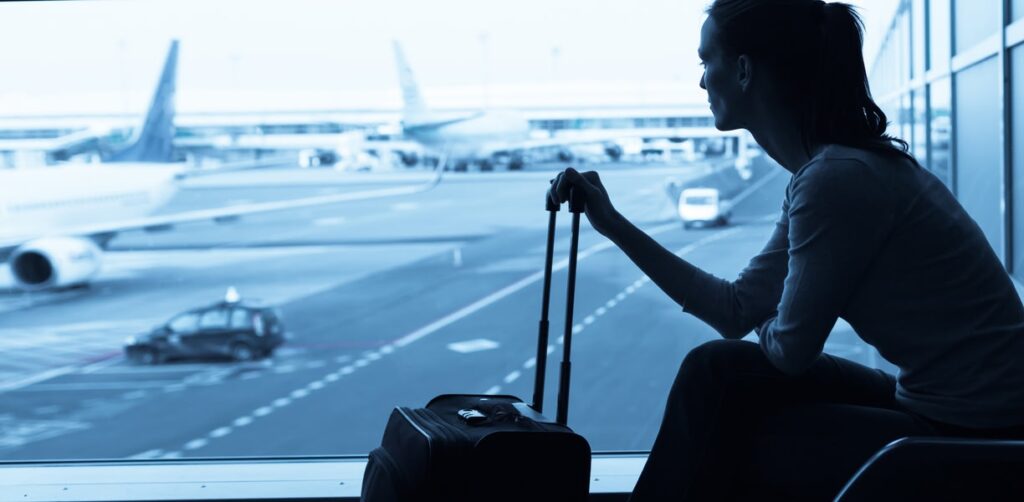
You may prefer filing directly with the airline if:
- Your case is straightforward
- The airline has a clear online claim form
- You are comfortable following up persistently
- You want the full compensation amount
Many simple delay cases are resolved directly through airline websites.
Real User Experiences: What AirHelp Reviews Say
AirHelp reviews are generally mixed but lean positive.
Positive feedback often highlights:
- Successful payouts
- Minimal effort required
- Clear communication in straightforward cases
Negative feedback typically involves:
- Longer waiting times
- Fee dissatisfaction
- Cases rejected due to extraordinary circumstances
Overall, many travellers who would not have pursued legal action themselves feel satisfied with the outcome.
Comparing AirHelp vs Filing Directly
| Factor | AirHelp | Filing Yourself |
|---|---|---|
| Upfront Cost | None | None |
| Effort Required | Minimal | Moderate to High |
| Legal Escalation | Included | You manage |
| Compensation Kept | Around 65% | 100% |
| Speed | Moderate | Varies |
| Stress Level | Low | Higher |
This comparison shows the key trade-off clearly: convenience versus full payout.
Common EU261 Claim Scenarios
When evaluating EU261 compensation, the reason behind the delay or cancellation plays a crucial role. Airlines frequently rely on specific explanations to avoid paying compensation. Below are the most common scenarios passengers encounter and how they typically affect eligibility.
Weather Delays
Severe weather is one of the most common reasons airlines deny EU261 claims. Storms, heavy snow, strong winds, or airport closures are often classified as extraordinary circumstances. In these situations, compensation is usually not owed because the airline cannot control the weather.
However, not every weather-related delay automatically removes eligibility. If poor planning or operational issues contributed to extended delays after conditions improved, the situation may require closer review.
Technical Issues
Technical faults are among the most debated EU261 claim scenarios. Routine maintenance problems or unexpected mechanical issues often qualify for compensation because airlines are responsible for maintaining aircraft properly.
Only genuinely rare and unforeseeable technical defects may fall under extraordinary circumstances. Airlines sometimes attempt to label standard maintenance problems as exceptional, which is why many passengers seek professional review.
Crew Shortage
Crew shortages typically do not qualify as extraordinary circumstances. Staffing issues are generally considered part of airline operational responsibility.
If a flight is delayed or cancelled because crew members are unavailable, passengers may still be entitled to compensation under EU261. This is a common area where airlines reject claims incorrectly.
Air Traffic Control Restrictions
Air traffic control restrictions are often classified as extraordinary circumstances. If delays are caused by airport congestion, government-imposed restrictions, or airspace closures, compensation may not apply.
However, details matter. If the restriction affects only part of the journey and operational issues extend the delay further, eligibility could still exist depending on the situation.
AirHelp’s value increases when airlines use these explanations incorrectly or apply extraordinary circumstances too broadly. In disputed scenarios, professional assessment can clarify whether compensation is truly owed under EU261 regulations.
How Long Does an AirHelp Claim Take?
Processing times vary significantly:
- Simple cases: 4 to 8 weeks
- Contested cases: Several months
- Court escalations: Potentially longer
Patience is important regardless of whether you file directly or use a service.
Is AirHelp Legit?
Yes, AirHelp is a legitimate registered company operating internationally. It has processed millions of claims and maintains global operations.
However, legitimacy does not automatically mean it is the best option for everyone. It simply means the company is real and functional.
Alternatives to AirHelp
If you are unsure about using AirHelp, you may consider:
- Filing directly with the airline
- Using national enforcement bodies
- Using other compensation companies
- Small claims court
Each method has advantages depending on your comfort level and case complexity.
How to Maximise Your EU261 Claim Success
Whether using AirHelp or filing yourself:
- Keep boarding passes
- Save delay confirmation emails
- Take photos of airport screens
- Record arrival time accurately
- Keep receipts for meals and accommodation
Documentation strengthens your case significantly.
Financial Perspective: Is It Worth the Fee?
Consider this simple question:
Would you rather receive 65 percent of the compensation without effort, or invest time and possibly frustration to receive 100 percent?
If your time is valuable or you dislike administrative processes, the fee may feel justified.
If you are financially motivated and organised, filing directly may make more sense.
Must Read:
- Airalo Review: Is This eSIM Worth It for International Travel?
- FlightNetwork Reviews: Cheap Flights or Extra Fees?
Final Verdict:
AirHelp offers convenience, legal expertise, and a no-risk structure. It is particularly useful when airlines reject claims or when passengers do not want to pursue legal escalation.
However, the service fee is substantial. For straightforward cases, filing directly with the airline often makes more financial sense.
The decision depends on your personal priorities:
- Value of time
- Comfort with paperwork
- Complexity of the case
- Size of the compensation
For many travellers, AirHelp provides peace of mind. For others, keeping the full compensation outweighs the convenience.