

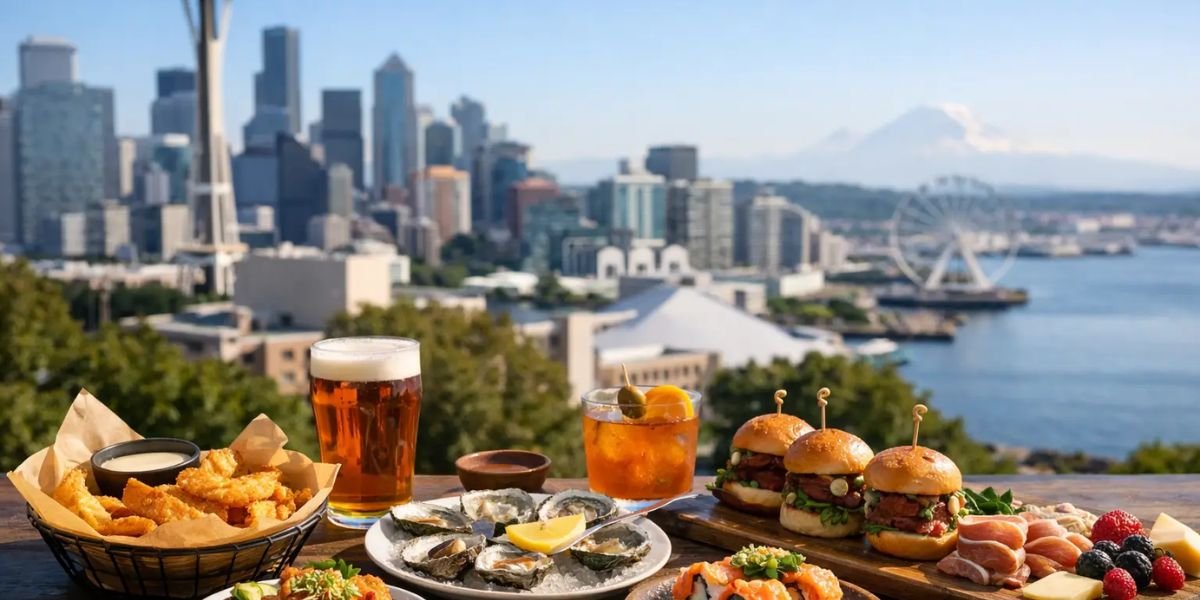

- Taste authentic local culinary traditions
- Explore unforgettable food destinations worldwide
- Learn cooking from local chefs
- Enjoy delicious tours every budget
Food has the power to bring people together, tell stories, and create lasting memories. While famous landmarks and beautiful beaches attract millions of travelers every year, many people now plan vacations around local cuisine. From busy street food markets to family-owned restaurants and hands-on cooking classes, culinary tours offer an exciting way to experience a destination through its flavors.
The best part is that food travel is no longer reserved for luxury travelers. Whether you have a modest budget or want to enjoy premium dining experiences, there are culinary tours that fit every price range. A well-planned food tour can introduce you to regional specialties, local traditions, and talented chefs while helping you connect with the culture in a meaningful way.
This guide covers some of the best culinary tours worth taking on any budget. You will learn how to choose the right tour, ways to save money, top food destinations, and practical tips that make every meal part of your travel adventure.
Quick Comparison of Culinary Tour Types
Choosing the right culinary experience depends on your interests and travel budget.
| Tour Type | Best For | Budget Level |
|---|---|---|
| Street Food Tours | Local flavors | Budget |
| Walking Food Tours | First-time visitors | Budget to Mid-range |
| Cooking Classes | Learning local recipes | Mid-range |
| Farm-to-Table Tours | Fresh regional cuisine | Mid-range |
| Wine & Vineyard Tours | Couples and groups | Mid-range to Luxury |
| Gourmet Dining Tours | Fine dining lovers | Luxury |
| Market Tours | Culture and shopping | Budget |
| Multi-Day Culinary Trips | Serious food enthusiasts | Mid-range to Luxury |
Each option offers a unique way to enjoy local cuisine while matching different travel styles.
Why Culinary Tours Are Growing in Popularity?
Food has become one of the biggest reasons people choose a travel destination. Instead of simply visiting famous attractions, travelers now want authentic experiences that help them connect with local communities.
A culinary tour combines sightseeing with memorable meals. It allows visitors to taste regional dishes, meet passionate chefs, visit traditional markets, and hear the stories behind popular recipes.
Many tours also include:
- Cooking demonstrations
- Local ingredient tastings
- Cultural history
- Visits to family-owned restaurants
- Traditional food preparation
- Seasonal specialties
Unlike standard sightseeing tours, culinary experiences engage all five senses. Every meal becomes an opportunity to learn something new while creating unforgettable memories.
Benefits of Taking a Culinary Tour
Food tours offer much more than delicious meals. They provide meaningful travel experiences that combine local flavors, cultural traditions, and memorable interactions. Here are some of the biggest benefits.
Experience Local Culture
Every destination has unique recipes that reflect its history, traditions, and lifestyle. A culinary tour introduces you to authentic dishes prepared with regional ingredients while explaining the stories behind them. Sharing meals with local people creates a stronger connection to the place than visiting attractions alone, making your vacation more memorable.
Meet Local Experts
Many culinary tours are guided by chefs, food historians, market vendors, or passionate local guides. Their knowledge helps you learn about cooking techniques, regional ingredients, and food traditions that visitors often miss. These personal interactions add depth to your experience and make every stop more interesting and informative throughout the journey.
Taste Authentic Recipes
A culinary tour takes you beyond popular tourist restaurants to places where local residents actually eat. You can sample family recipes, seasonal specialties, handmade desserts, and traditional street food prepared using time-tested methods. Every tasting introduces authentic flavors that represent the destination’s true culinary identity and heritage.
Support Small Businesses
Many food tours work closely with family-owned restaurants, neighborhood bakeries, local markets, and independent food vendors. By joining these tours, your spending directly supports local entrepreneurs and preserves traditional recipes. This creates positive economic benefits for communities while giving travelers a more genuine and rewarding dining experience.
Save Time
Researching restaurants before a trip can take hours and still lead to disappointing choices. Culinary tours remove the guesswork by taking you to carefully selected locations known for quality and authenticity. Instead of searching for places to eat, you spend more time enjoying excellent food and exploring the destination.
How to Choose the Right Culinary Tour?
Not every culinary tour offers the same experience. Some focus on street food, while others feature cooking classes, gourmet dining, or local markets. Choosing a tour that matches your interests, travel style, and budget helps you enjoy a more rewarding and memorable food adventure. Before making a reservation, consider these important factors.
Your Budget
Start by deciding how much you are comfortable spending on your culinary experience. Budget-friendly walking tours, market visits, and street food tastings are excellent for saving money, while premium tours often include private guides, fine dining, and exclusive activities. Comparing prices and included services helps you find the best overall value.
Food Preferences
Make sure the tour matches your dietary needs and personal tastes. Many culinary tours now offer vegetarian, vegan, gluten-free, seafood, and allergy-friendly options. Reviewing the menu in advance ensures you can fully enjoy every stop without worrying about food restrictions or limited meal choices during the experience.
Tour Duration
Culinary tours vary from short two-hour tasting walks to multi-day food vacations. If your schedule is limited, a half-day or evening tour may be ideal. Travelers with more time can enjoy longer experiences that combine cooking classes, market visits, local farms, and regional sightseeing into one memorable itinerary.
Group Size
The number of participants can greatly influence your experience. Small groups usually provide more personal attention, easier conversations with guides, and better opportunities to ask questions. Larger groups may cost less but can feel crowded, especially at popular restaurants and busy local markets.
Included Activities
Review exactly what the tour includes before booking. Some experiences offer cooking classes, wine tastings, farm visits, market tours, or transportation between locations. Others focus only on restaurant tastings. Choosing a tour with activities that match your interests will give you greater value and create lasting travel memories.
Reading recent traveler reviews is also one of the best ways to identify reliable tour operators. Honest feedback can reveal the quality of the food, guide expertise, organization, and overall experience, helping you choose a culinary tour that exceeds your expectations.
Budget-Friendly Culinary Tours
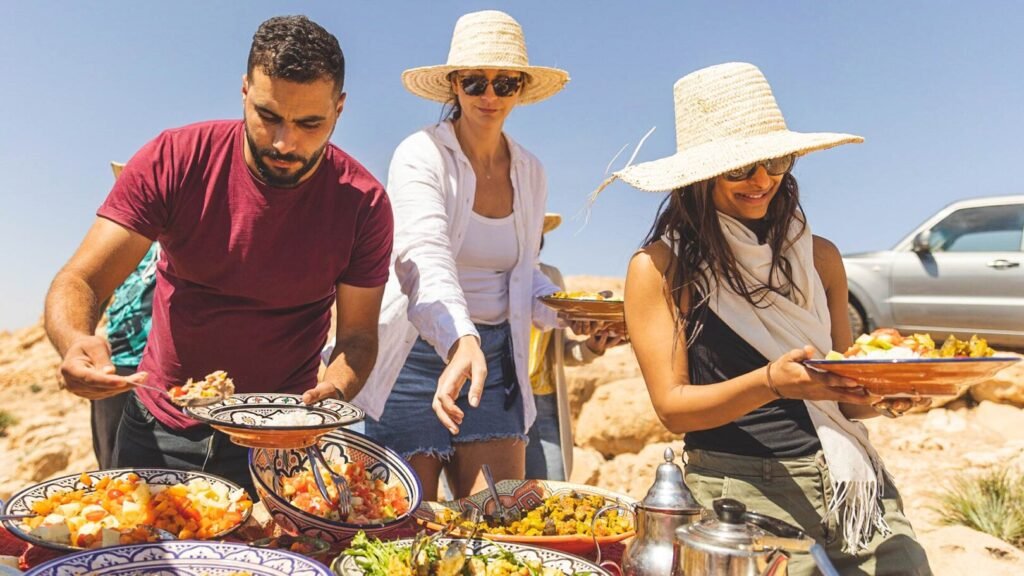
Travelers do not need expensive reservations to enjoy excellent food. Some of the most memorable meals come from small local vendors and neighborhood restaurants.
Street Food Tours
Street food reflects local traditions while remaining affordable.
Popular choices include:
- Tacos
- Dumplings
- Kebabs
- Fresh seafood
- Rice dishes
- Regional desserts
Guided street food tours often include several tasting stops at a lower price than a fine dining meal.
Local Market Tours
Public markets showcase fresh ingredients, handmade products, and regional specialties.
Many market tours include:
- Fruit tastings
- Cheese samples
- Local spices
- Fresh bread
- Regional sweets
Markets also provide excellent opportunities to purchase affordable souvenirs.
Walking Food Tours
Walking tours combine sightseeing with food tastings.
Guests usually visit several restaurants, bakeries, cafes, and specialty shops while learning about neighborhood history.
These tours offer excellent value because transportation costs remain low.
Mid-Range Culinary Experiences
Travelers with a slightly larger budget can enjoy more interactive food adventures.
Cooking Classes
Cooking classes allow visitors to prepare traditional meals alongside local chefs.
Participants often learn:
- Regional recipes
- Traditional cooking techniques
- Local ingredient selection
- Family cooking traditions
After cooking, everyone enjoys the meal together.
Many travelers consider cooking classes one of the most rewarding vacation experiences because they can recreate the dishes at home.
Farm Visits
Farm tours introduce visitors to local agriculture and seasonal produce.
Activities may include:
- Fruit picking
- Cheese making
- Olive oil tasting
- Honey production
- Fresh vegetable harvesting
These experiences provide valuable insight into where local ingredients come from.
Winery and Brewery Tours
Wine and craft beverage tours often include guided tastings, production demonstrations, and beautiful countryside scenery.
Many tours also pair beverages with regional foods for a complete dining experience.
Smart Ways to Save Money on Culinary Tours
Great food experiences do not always require a large travel budget.
Use these practical tips.
- Book tours early.
- Compare several tour companies.
- Travel during the shoulder season.
- Choose lunch tours instead of dinner tours.
- Join small group experiences.
- Look for package discounts.
- Use travel reward points.
- Read recent customer reviews.
- Avoid overpriced tourist restaurants.
- Eat where local residents dine.
These simple habits can help you enjoy excellent meals while staying within your vacation budget.
Real-Life Example
Emma planned a five-day city vacation focused entirely on food.
Instead of spending every evening at expensive restaurants, she booked a walking food tour on her first day. The guide introduced her to local bakeries, family-owned cafes, fresh produce markets, and hidden restaurants that she returned to throughout the trip.
She also joined an affordable cooking class where she learned how to prepare a traditional regional dish.
By combining guided experiences with local recommendations, Emma enjoyed authentic cuisine while spending less than travelers who relied only on tourist dining areas.
Her culinary vacation became one of her favorite travel memories.
Culinary Tour Planning Checklist
Use this checklist before booking your food adventure.
- Set your travel budget.
- Choose your destination.
- Research local specialties.
- Compare tour reviews.
- Review dietary accommodations.
- Book popular tours early.
- Carry comfortable walking shoes.
- Bring a reusable water bottle.
- Keep cash for small vendors.
- Leave room in your schedule for spontaneous food stops.
Planning ahead allows you to enjoy every meal without feeling rushed.
Foods Every Culinary Traveler Should Try
Every destination has signature dishes that reflect local traditions.
Popular categories include:
| Food Category | Examples |
| Street Food | Tacos, skewers, dumplings |
| Seafood | Grilled fish, oysters, shrimp |
| Bakery Items | Fresh bread, pastries |
| Desserts | Cakes, gelato, traditional sweets |
| Regional Drinks | Coffee, tea, juices |
| Cheese | Artisan local varieties |
| Fresh Produce | Seasonal fruits and vegetables |
| Traditional Meals | Family recipes passed through generations |
Trying local specialties helps create a richer travel experience while supporting regional food businesses.
Why Food Creates Lasting Travel Memories
Travel memories are often connected to meals shared with family, friends, or local residents.
A simple breakfast in a neighborhood café, fresh seafood by the waterfront, or a homemade dinner during a cooking class often becomes more memorable than visiting another museum or landmark.
Food tells the story of a destination through its ingredients, traditions, and people.
Choosing a culinary tour allows travelers to experience that story one delicious bite at a time.
Luxury Culinary Tours Worth Every Dollar
Luxury culinary tours combine exceptional food with exclusive experiences. While they cost more than standard food tours, many travelers feel the premium price is worthwhile because of the personalized service and unique access.
These tours often include:
- Private chef experiences
- Michelin-star restaurant reservations
- Wine pairing dinners
- Small-group tastings
- Luxury accommodations
- Farm-to-table dining
- Private transportation
- Exclusive cooking workshops
Luxury food tours are ideal for honeymooners, anniversary celebrations, and travelers looking for once-in-a-lifetime experiences.
Although the price is higher, the quality of service, carefully selected restaurants, and expert guides often create unforgettable memories.
Best Culinary Destinations Around the World
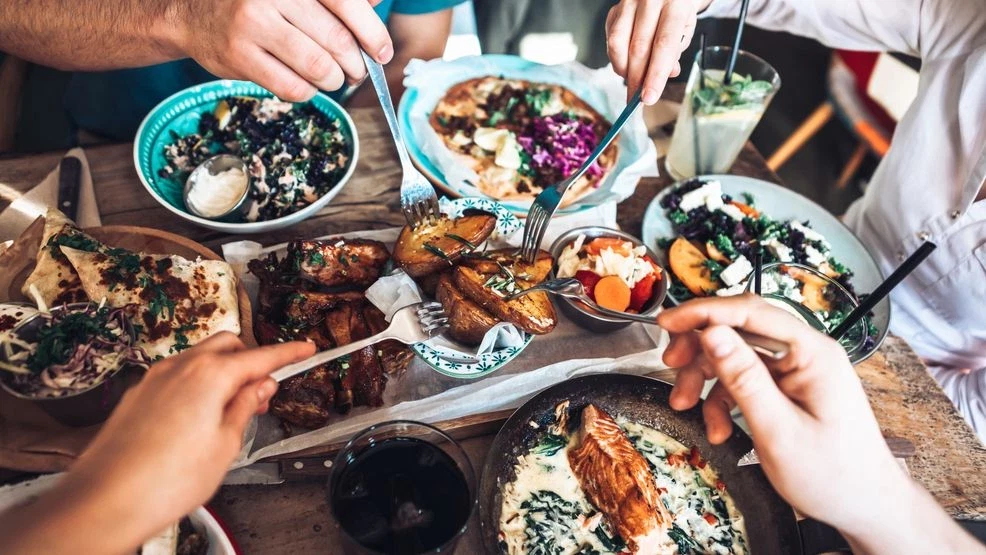
Some destinations have built global reputations for their incredible food scenes. Each offers unique flavors, cooking traditions, and local specialties.
| Destination | Famous Foods | Budget Level |
|---|---|---|
| Italy | Pasta, pizza, gelato | Mid-range |
| Japan | Sushi, ramen, tempura | Mid-range |
| Thailand | Pad Thai, curries, mango sticky rice | Budget |
| Mexico | Tacos, mole, tamales | Budget |
| France | Pastries, cheese, wine | Luxury |
| Spain | Tapas, seafood, paella | Mid-range |
| Vietnam | Pho, banh mi, spring rolls | Budget |
| Greece | Gyros, seafood, feta dishes | Mid-range |
| Turkey | Kebabs, baklava, meze | Budget |
| Portugal | Seafood, custard tarts | Mid-range |
Each destination offers excellent culinary experiences for travelers with different budgets.
Street Food vs Fine Dining
Many travelers wonder whether they should focus on street food or upscale restaurants. The truth is that both offer valuable experiences.
Street Food
Advantages include:
- Affordable prices
- Authentic local recipes
- Quick service
- Friendly atmosphere
- Popular with local residents
Things to remember:
- Choose busy vendors with high customer turnover.
- Observe food preparation and cleanliness.
- Carry cash for smaller vendors.
Fine Dining
Advantages include:
- Beautiful presentation
- Creative menus
- Professional service
- Comfortable atmosphere
- Premium ingredients
Many travelers enjoy combining both styles during one vacation. A morning market visit, afternoon cooking class, and elegant dinner provide a balanced food experience.
Food Safety Tips While Traveling
Trying new foods is exciting, but staying healthy is equally important.
Follow these simple precautions:
- Drink bottled or filtered water where needed.
- Eat freshly prepared meals.
- Choose restaurants with positive reviews.
- Wash your hands regularly.
- Carry hand sanitizer.
- Introduce unfamiliar foods gradually.
- Keep allergy medications available if necessary.
These habits help reduce the chances of food-related illness while allowing you to enjoy local cuisine confidently.
How to Plan the Perfect Culinary Vacation?
A little planning helps create a smooth and enjoyable food-focused trip.
Step 1: Choose Your Destination
Think about the type of cuisine you enjoy most.
Do you prefer seafood, street food, pastries, barbecue, or gourmet dining?
Step 2: Research Local Specialties
Every destination has signature dishes worth trying.
Create a simple food bucket list before departure.
Step 3: Reserve Popular Tours Early
The best cooking classes and food tours often sell out weeks in advance, especially during busy travel seasons.
Step 4: Leave Free Time
Do not schedule every meal.
Some of the best dining experiences happen when you stumble upon a local café or family-owned restaurant.
Step 5: Record Your Favorites
Take photos, save restaurant names, and write short notes about memorable dishes.
These memories can inspire future trips or recipes at home.
Real-Life Example
David and his wife planned a vacation with food as their main priority.
Instead of spending every evening at expensive restaurants, they mixed different culinary experiences throughout the week.
Their itinerary included:
- One walking food tour
- One cooking class
- Two market visits
- One vineyard tour
- Several neighborhood cafés
- One fine dining dinner for a special celebration
This balanced approach allowed them to experience local culture while staying within their planned budget.
The cooking class became the highlight of their trip because they continued preparing the same recipe after returning home.
Mistakes to Avoid on Culinary Tours
Many travelers make simple mistakes that reduce the value of their experience.
Avoid these common errors.
- Booking without reading reviews.
- Eating a large meal before the tour.
- Ignoring dietary restrictions.
- Wearing uncomfortable shoes.
- Forgetting to bring water.
- Overloading the daily schedule.
- Visiting only tourist restaurants.
- Not asking guides for local recommendations.
Small adjustments can make your culinary adventure far more enjoyable.
Final Culinary Tour Checklist
Before leaving for your food adventure, review this checklist.
- Confirm all tour reservations.
- Save digital booking confirmations.
- Research local food customs.
- Check dietary requirements.
- Carry comfortable walking shoes.
- Bring a reusable shopping bag for market visits.
- Keep a refillable water bottle.
- Carry local currency for small food vendors.
- Pack a notebook or use your phone for favorite recipes.
- Leave extra room in your suitcase for food souvenirs.
A little preparation helps you enjoy every stop without unnecessary stress.
Must Read:
- Flight to Your Perfect Vacation at the Best Prices
- Book Your Flight to Your Perfect Vacation Today
- Flight to My Perfect Vacation to Japan
FAQs:
Are culinary tours suitable for families?
Yes. Many tours welcome children and include family-friendly dishes. Always check the recommended age before booking.
Are vegetarian and vegan options available?
Many food tours now offer vegetarian, vegan, gluten-free, and allergy-friendly menus. Confirm your dietary needs before making a reservation.
How much do culinary tours cost?
Prices vary depending on the destination, duration, and included activities. Budget walking tours may cost less than a restaurant meal, while luxury culinary vacations can include premium accommodations and exclusive dining experiences.
Should I tip the guide?
Tipping customs differ by destination. Research local etiquette before your trip or ask your tour operator for guidance.
Are cooking classes worth adding?
Absolutely. Cooking classes allow travelers to bring home practical skills and recipes that help extend vacation memories long after returning home.
Final Thoughts:
Food is one of the best ways to connect with a destination. Every recipe, local market, family-owned restaurant, and cooking class tells a story that goes beyond traditional sightseeing.
The best culinary tours are not always the most expensive. Budget-friendly street food walks, market visits, and cooking classes often create memories that last just as long as luxury dining experiences.
Whether you are traveling alone, with friends, or with family, planning your vacation around local cuisine adds excitement to every day. By choosing tours that match your interests and budget, you can enjoy authentic flavors while supporting local businesses and talented chefs.
The next time you plan a vacation, make food part of your itinerary instead of an afterthought. From morning coffee at a neighborhood café to an evening meal prepared by local experts, every bite becomes part of your travel story.