

Australia is one of those destinations that feels familiar before you arrive and completely different once you experience it. You may recognize its landmarks from films, sports, or travel photos, but being there reveals a country shaped by vast distances, diverse climates, ancient culture, and a relaxed way of life that visitors quickly grow to appreciate. For first-time travelers, Australia can feel exciting and intimidating at the same time, mainly because of its size and variety.
This guide is written specifically for first-time visitors who want clarity, confidence, and realistic expectations. It explains where to go, how to plan, what to budget, and how to travel Australia comfortably without feeling rushed or overwhelmed. Whether you are visiting for beaches, wildlife, cities, or road trips, this guide helps you understand Australia before you land.
Understanding Australia as a Travel Destination
Australia is not a country you visit casually. It is a destination that rewards planning. Its scale alone changes how you think about travel. Cities are far apart, landscapes shift dramatically, and climates vary across regions. Understanding these basics helps first-time visitors plan smarter and enjoy the experience more fully.
Australia is both modern and ancient. It has world-class cities, excellent infrastructure, and high living standards, alongside landscapes and cultures that date back tens of thousands of years. This contrast is one of its greatest strengths as a travel destination.
Where Is Australia and Why Distance Matters?
Australia is located in the Southern Hemisphere between the Indian and Pacific Oceans. For many travelers from Europe, North America, or Asia, reaching Australia involves long-haul flights. While this distance may seem daunting, modern airlines make the journey manageable, often with one stop.
Once you arrive, distance continues to matter. Australia is nearly the size of the continental United States. Traveling between cities often requires flights rather than trains or buses. First-time visitors benefit most by focusing on one or two regions rather than trying to see everything in one trip.
Best Time to Visit Australia
Australia can be visited year round, but timing matters more here than in many destinations. Seasons are opposite to those in the Northern Hemisphere, which often surprises first-time travelers.
Summer, Winter, and Shoulder Seasons
Australian summer runs from December to February. This is peak season in coastal cities but can be extremely hot inland. Winter runs from June to August and is ideal for northern regions and city travel. Spring and autumn offer balanced weather and fewer crowds, making them ideal for first-time visitors who want flexibility.
Weather Differences by Region
Australia does not have one uniform climate. The north is tropical, the south is temperate, and the interior is arid. Understanding regional weather helps avoid uncomfortable conditions and allows travelers to match destinations with preferred experiences.
Top Cities First-Time Visitors Should Explore
Australia’s cities are among the best places to start a first visit. They offer culture, food, transportation, and access to nearby natural attractions.
1. Sydney
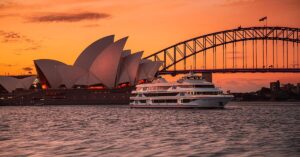
Sydney is often the first stop for international visitors. It combines iconic landmarks with beaches, coastal walks, and a vibrant food scene. The harbor, historic neighborhoods, and relaxed pace make it an easy introduction to Australia.
2. Melbourne
Melbourne is known for culture, coffee, arts, and sports. It feels more European in character and is ideal for travelers who enjoy museums, street life, and dining. It is also a gateway to scenic road trips.
3. Brisbane
Brisbane offers warm weather and a relaxed atmosphere. It serves as a base for exploring Queensland’s beaches and islands. The city is modern, friendly, and less crowded than Sydney or Melbourne.
4. Perth
Perth is remote but rewarding. It offers beautiful beaches, a slower pace, and access to Western Australia’s natural wonders. It is best suited for travelers with more time.
Natural Wonders Every First-Time Visitor Should Know
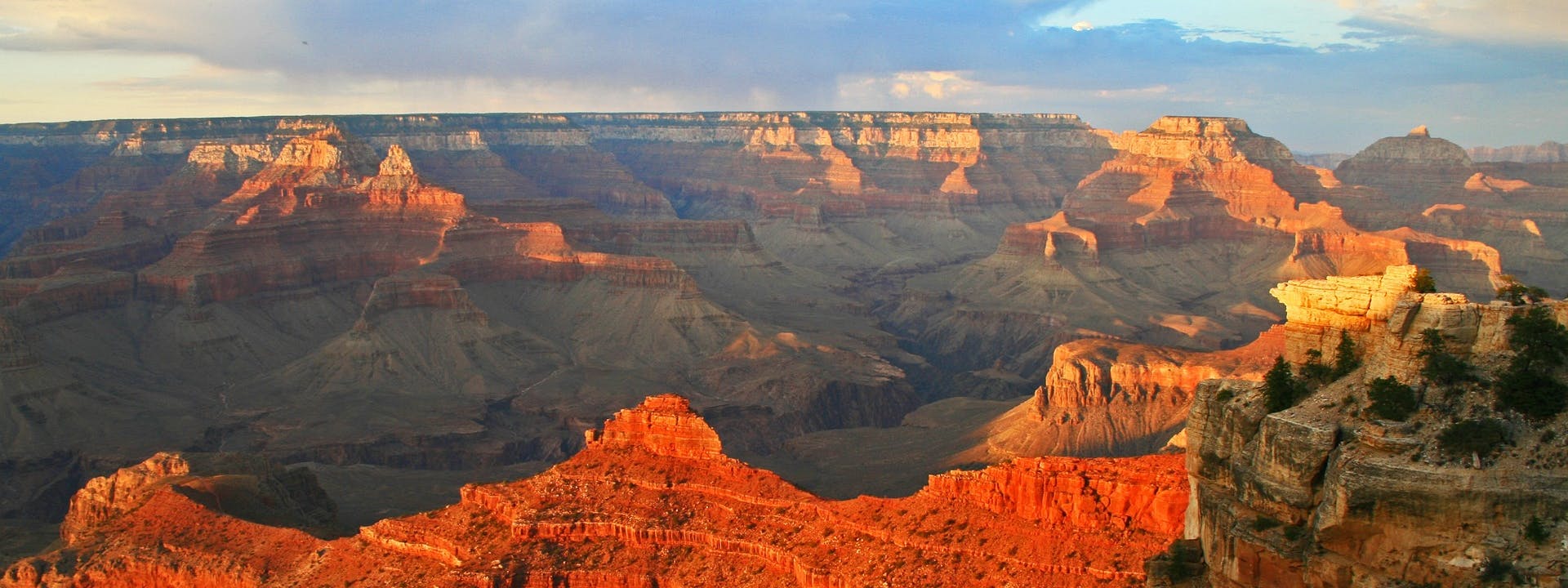
Australia’s natural landscapes are unlike anywhere else. First-time visitors often underestimate how much nature shapes the travel experience.
1. Great Barrier Reef
The Great Barrier Reef is the world’s largest coral system and a major reason people visit Australia. Snorkeling, diving, and reef tours offer unforgettable experiences, especially when done responsibly.
2. Uluru
Uluru is more than a landmark. It is a sacred site deeply connected to Indigenous culture. Visiting Uluru offers insight into Australia’s ancient history and spiritual heritage.
3. National Parks and Coastlines
From rainforests to deserts, Australia’s national parks protect diverse ecosystems. Coastal drives and beach areas are equally impressive and often free to access.
Indigenous Culture and Respectful Travel
Indigenous Australians have lived on this land for over 60,000 years. Their culture is the oldest continuous culture in the world and remains central to Australia’s identity.
First-time visitors benefit from learning basic cultural respect, especially when visiting sacred sites or participating in guided cultural experiences. Indigenous-led tours offer meaningful insights and support local communities.
Wildlife Experiences in Australia
Australia’s wildlife is unique and often misunderstood. While dangerous animals receive media attention, most wildlife encounters are safe when handled responsibly.
Kangaroos, koalas, wombats, and marine life are common highlights. Wildlife parks, conservation centers, and guided tours allow ethical viewing without disturbing animals in the wild.
Transportation Tips for First-Time Visitors
Australia’s transportation system is reliable but requires planning.
Domestic Flights
Flights are the most efficient way to travel between cities. Budget airlines make internal travel affordable when booked early.
Public Transport and Driving
Major cities have good public transport. Renting a car is ideal for road trips and regional travel. Driving rules are strict, and distances can be deceptive, so planning is essential.
Accommodation Options in Australia
Australia offers a wide range of accommodation styles that suit different budgets, travel styles, and trip lengths. First-time visitors are often surprised by the consistency of quality across the country. Even budget accommodations usually meet good standards of cleanliness, safety, and location. Choosing the right type of stay can significantly affect comfort, cost, and how easily you explore each destination.
Main Types of Accommodation in Australia
Hotels
- Available in all major cities and tourist towns
- Range from budget chains to luxury international brands
- Reliable comfort, daily housekeeping, and front-desk support
- Ideal for short stays, business travelers, and first-time visitors
Serviced Apartments
- Apartments with hotel-style services
- Include kitchens, laundry, and more living space
- Great for families, longer stays, or travelers who want flexibility
- Often better value than hotels for stays over three nights
Hostels
- Common in cities and coastal areas
- Offer dorms and private rooms
- Social atmosphere, ideal for solo travelers and backpackers
- Kitchens help reduce food costs
Vacation Rentals
- Includes apartments, homes, and short-term rentals
- Best for groups, families, or extended stays
- Provides privacy and kitchen facilities
- Prices vary widely by location and season
What First-Time Visitors Should Know
- Accommodation prices increase during school holidays and summer
- Booking early is important for popular destinations
- City centers cost more but reduce transport time
- Coastal and remote areas may have limited options
Accommodation Comparison Table
| Accommodation Type | Best For | Average Cost | Key Benefits | Things to Consider |
|---|---|---|---|---|
| Hotels | Short stays, convenience | Medium to High | Comfort, service, location | Can be expensive in cities |
| Serviced Apartments | Families, long stays | Medium | Space, kitchen, value | Fewer daily services |
| Hostels | Solo travelers, budget | Low | Social, affordable | Shared spaces |
| Vacation Rentals | Groups, privacy | Varies | Space, flexibility | Cleaning fees, rules |
Food, Dining, and Australian Cuisine
Australia’s food culture reflects its multicultural population and strong connection to fresh local ingredients. Dining is casual, diverse, and high quality. First-time visitors quickly notice that eating out is part of everyday life, not a special occasion.
What Defines Australian Cuisine
- Strong focus on fresh ingredients
- Multicultural influences from Asia, Europe, and the Middle East
- Emphasis on seafood, grilled meats, and seasonal produce
- Simple presentation with bold flavors
Popular Food Experiences for Visitors
Seafood
- Fresh fish, prawns, oysters, and lobster
- Coastal cities and towns offer excellent quality
- Fish and chips are popular casual meals
Modern Australian Cuisine
- Combines local produce with global techniques
- Common in city restaurants
- Often seasonal and chef-driven
Asian Influences
- Thai, Chinese, Japanese, Vietnamese, and Korean food widely available
- High quality even in casual restaurants
- Affordable compared to many Western countries
Coffee and Café Culture
Coffee is a serious matter in Australia. Cities like Melbourne and Sydney are known for independent cafés.
- Espresso-based drinks are standard
- Flat white is the most popular local coffee
- Cafés often serve full breakfast and brunch menus
- Chains exist, but locals prefer independent cafés
Dining Costs to Expect
- Casual café meal: moderate
- Mid-range restaurant: higher than global average
- Fine dining: expensive but high quality
- Takeaway and food courts offer affordable options
Budgeting and Travel Costs in Australia
Australia is not a low-cost destination, but it offers strong value through safety, cleanliness, and quality services. First-time visitors often spend more than expected if they do not plan carefully. Understanding where money goes helps avoid stress.
Major Travel Expenses
Accommodation
- Biggest expense for most travelers
- City stays cost more than regional areas
- Prices rise during summer and holidays
Food
- Eating out regularly adds up quickly
- Cooking some meals saves money
- Lunch is usually cheaper than dinner
Transportation
- Domestic flights are common and efficient
- Public transport costs vary by city
- Car rentals add fuel and insurance costs
Activities
- Nature-based attractions are often free
- Tours and wildlife experiences can be expensive
Smart Budgeting Tips
- Travel during shoulder seasons
- Book flights and accommodation early
- Use public transport in cities
- Choose serviced apartments or hostels with kitchens
- Focus on free attractions like beaches and national parks
Typical Daily Budget Range
- Budget traveler: controlled spending, hostels, public transport
- Mid-range traveler: hotels, dining out, domestic flights
- Comfort traveler: central hotels, tours, frequent dining out
Safety, Health, and Practical Advice

Australia is consistently ranked as one of the safest countries for travelers. First-time visitors generally feel comfortable moving around cities and regional areas. Still, understanding local conditions improves confidence and safety.
General Safety
- Low violent crime rates
- Safe public transport systems
- Clear emergency services and signage
- Strong consumer protection laws
Health and Medical Care
- High-quality healthcare system
- Pharmacies widely available
- Emergency services reliable and fast
- Travel insurance strongly recommended
Sun and Weather Safety
- UV levels are very high year-round
- Sunscreen, hats, and sunglasses are essential
- Dehydration is common among visitors
- Weather can change quickly in some regions
Wildlife and Nature Safety
- Follow warning signs at beaches and parks
- Swim only in patrolled areas
- Do not approach wild animals
- Respect local advice in remote regions
Common Mistakes First-Time Visitors Make
Australia rewards realistic planning. Many first-time visitors make similar mistakes that reduce enjoyment and increase fatigue.
Most Common Errors
- Trying to visit too many cities
- Underestimating travel distances
- Ignoring seasonal weather differences
- Overbooking tours without rest days
- Not budgeting for accommodation properly
How to Avoid These Mistakes
- Focus on two or three regions
- Allow recovery time after long flights
- Match destinations to the season
- Mix structured plans with free days
- Plan transport before booking accommodation
Slower travel often leads to deeper experiences and less stress.
Sample Itinerary for First-Time Visitors
A balanced itinerary gives first-time travelers a taste of Australia without exhaustion. The goal is variety, not coverage.
Suggested 10–14 Day Itinerary
City Experience
- Start in Sydney
- Explore iconic landmarks, beaches, and neighborhoods
Cultural and Food Focus
- Travel to Melbourne
- Enjoy cafés, museums, street culture, and nearby road trips
Natural Highlight
- Choose one major nature experience:
- Great Barrier Reef for marine life
- Or a scenic coastal drive or national park
Why This Works
- Allows flexibility and rest
- Limits travel fatigue
- Balances cities and nature
- Fits within common vacation lengths
Must Read:
Frequently Asked Questions
1. Is Australia a good destination for first-time international travelers?
Yes, Australia is an excellent choice for first-time international travelers. It is safe, English-speaking, and easy to navigate. Infrastructure is reliable, healthcare is excellent, and locals are generally friendly and helpful. While distances are large, planning is straightforward. For travelers new to long-haul trips, Australia offers comfort, familiarity, and world-class travel standards.
2. How many days are enough for a first trip to Australia?
For a first visit, 10 to 14 days is ideal. This allows travelers to explore one or two major cities and include a natural highlight without rushing. Trying to cover too much in a shorter time leads to fatigue due to long distances. A focused itinerary creates a better experience than attempting to see the entire country in one trip.
3. Is Australia very expensive for tourists?
Australia can be expensive, especially for accommodation and dining, but it offers strong value. Many attractions like beaches, coastal walks, and national parks are free. Costs can be managed by traveling in shoulder seasons, using public transport, booking flights early, and choosing serviced apartments or hostels. With planning, Australia suits mid-range and budget travelers as well.
4. Do I need a visa to visit Australia?
Most international travelers need a visa to enter Australia, even for short stays. Many nationalities can apply online for an electronic visitor visa, which is usually processed quickly. Requirements vary by passport and length of stay. It is important to apply in advance and ensure passport validity meets entry requirements before booking flights.
5. Is Australia safe regarding wildlife and natural conditions?
Australia is generally very safe if travelers follow local guidelines. Wildlife incidents are rare and usually occur when rules are ignored. Swimming in patrolled beaches, respecting warning signs, using sun protection, and following advice in remote areas greatly reduce risks. Australia’s safety systems and public awareness make outdoor travel secure for visitors.
6. What is the best way to travel around Australia?
The best way to travel around Australia depends on distance and region. Domestic flights are ideal for moving between cities. Public transport works well within major cities. Renting a car is best for road trips and regional exploration. Many first-time visitors combine flights with short self-drive segments for flexibility and comfort.
Final Thoughts:
Australia is an excellent choice for first-time visitors who value safety, variety, and high-quality travel experiences. While the distance requires commitment, the reward is a destination that feels open, welcoming, and deeply memorable.
With thoughtful planning, Australia offers a smooth introduction to long-haul travel and leaves visitors with a strong desire to return and explore more of this vast and fascinating country.