
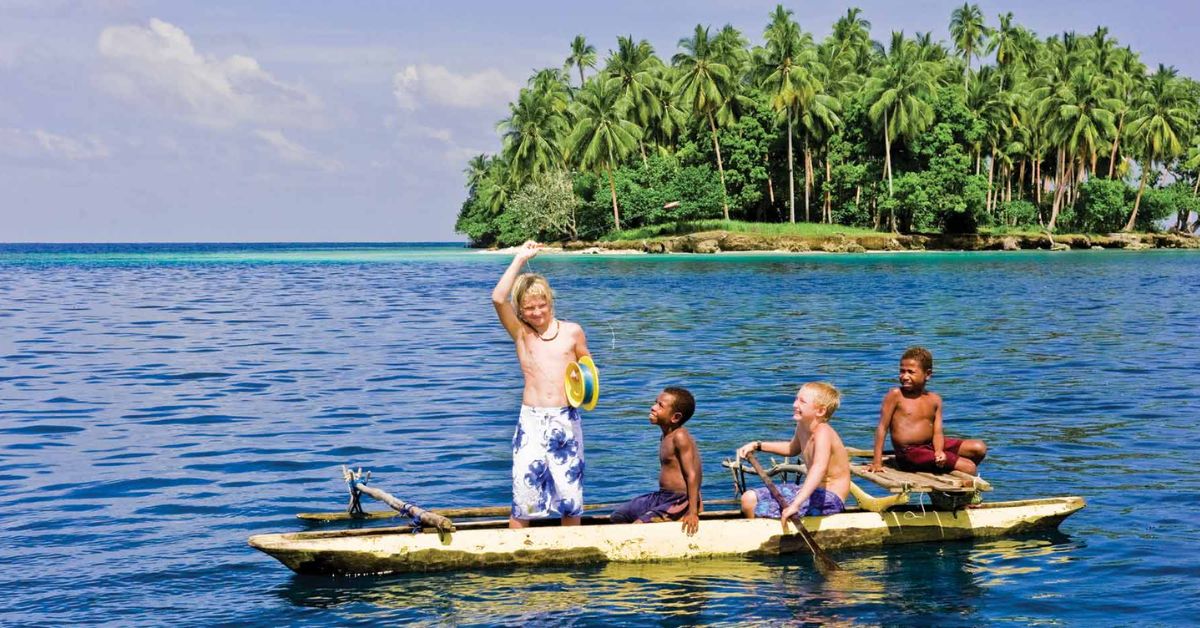
Papua New Guinea is one of the last places on Earth that still feels truly undiscovered. It is not a destination shaped by mass tourism or polished resorts. Instead, it offers raw beauty, deep-rooted traditions, and beach escapes that feel personal rather than commercial.
Travelers who choose Papua New Guinea are usually looking for more than relaxation. They want authenticity, connection, and experiences that feel untouched by modern tourism trends.
This article explores Papua New Guinea as a destination where pristine beaches meet some of the world’s richest living cultures. It is written for travelers who value meaningful journeys, slow exploration, and places that still hold mystery. From quiet island shores to ancient tribal traditions, Papua New Guinea offers a rare blend of coastal beauty and cultural depth that few destinations can match.
Understanding Papua New Guinea as a Travel Destination
Papua New Guinea is located in the southwestern Pacific and occupies the eastern half of the island of New Guinea, along with hundreds of smaller islands. It is one of the most culturally diverse countries in the world, with over 800 distinct languages and countless tribal identities. This diversity shapes every travel experience, from village visits to coastal life.
Unlike popular beach destinations, Papua New Guinea does not focus on luxury tourism. Its appeal lies in authenticity. Travelers must approach the country with curiosity, patience, and respect. In return, they experience landscapes and cultures that feel deeply human and unchanged by global tourism.
Why Papua New Guinea Is Ideal for Beach and Culture Travelers
Papua New Guinea is not just about beaches or culture. It is about how the two exist together. Coastal communities maintain traditions that are closely tied to the ocean. Fishing, canoe building, shell trading, and storytelling are part of everyday life. Beaches are not resorts but living spaces where culture continues naturally.
For travelers seeking quiet shorelines without crowds and cultural experiences that are not staged, Papua New Guinea offers something rare. The absence of mass tourism allows genuine interaction. Beach escapes here feel peaceful, and cultural encounters feel honest rather than performative.
The Natural Beauty of Papua New Guinea’s Coastlines
Papua New Guinea has one of the longest and most varied coastlines in the Pacific. From white sand beaches and coral reefs to mangrove forests and volcanic shores, the coastal landscapes are diverse and largely untouched.
Pristine Beaches Without Crowds
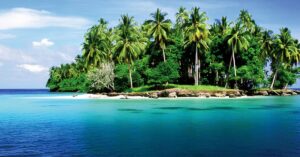
Many beaches in Papua New Guinea are completely undeveloped. There are no rows of hotels, beach clubs, or souvenir shops. Instead, visitors find palm-lined shores, clear water, and silence broken only by waves and village life.
Islands and coastal villages offer beaches that feel private even when shared with local communities. This makes Papua New Guinea ideal for travelers who value solitude, simplicity, and connection with nature rather than entertainment-driven beach tourism.
Coral Reefs and Marine Life
Papua New Guinea sits within the Coral Triangle, one of the most biodiverse marine regions on Earth. Coral reefs here are healthy, colorful, and rich with life. Snorkeling and diving reveal reef fish, turtles, rays, and vibrant coral systems.
Because tourism pressure is low, reefs remain largely intact. Marine experiences feel natural and uncrowded, making them especially appealing to travelers who care about conservation and responsible exploration.
Island Life and Beach Escapes in Papua New Guinea
Papua New Guinea is home to hundreds of islands, many of which offer ideal beach escapes combined with strong cultural identity.
The Islands Region
The Islands Region includes destinations such as New Britain, New Ireland, and smaller island chains. These areas are known for volcanic landscapes, quiet beaches, and traditional village life.
Beaches here are often backed by rainforest rather than resorts. Travelers stay in small lodges or community-run guesthouses, allowing direct engagement with local culture. Days move slowly, shaped by tides, weather, and village rhythms.
Coastal Villages and Everyday Life
Beach escapes in Papua New Guinea often include time in coastal villages. Life revolves around fishing, gardening, and community gatherings. Visitors are usually welcomed with curiosity rather than commercial expectation.
Sharing meals, learning about fishing practices, or simply observing daily routines creates a deeper sense of place. These experiences transform beach stays into cultural immersion rather than passive relaxation.
Cultural Diversity Like Nowhere Else on Earth
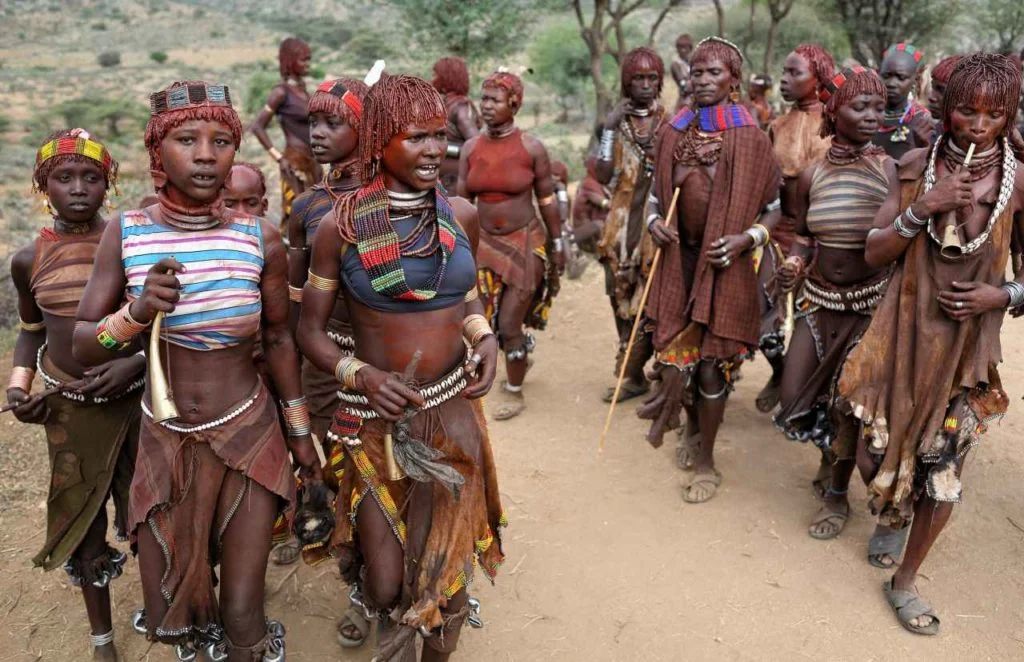
Papua New Guinea is often described as one of the most culturally complex countries in the world. This diversity is not historical but living and active.
Languages, Tribes, and Identity
With hundreds of languages and distinct tribal groups, cultural identity in Papua New Guinea is deeply local. Each region has its own customs, dress, art, and social structure. Coastal communities differ greatly from highland tribes, even within short distances.
For travelers, this means no single Papua New Guinea experience exists. Each region offers a unique cultural perspective shaped by geography, history, and environment.
Traditional Art, Music, and Storytelling
Cultural expression remains part of daily life. Carving, weaving, body art, music, and dance are not preserved for tourists but practiced for community and ceremony.
Storytelling plays a major role in passing down history and values. Visitors who take time to listen and observe gain insight into how communities understand land, sea, and ancestry.
Cultural Festivals and Ceremonies
Papua New Guinea is known for vibrant cultural festivals that bring together tribes from different regions. These events offer rare opportunities to witness traditional dress, dance, and rituals.
Festivals are not performances created for tourists. They are cultural gatherings with deep meaning. Travelers who attend respectfully gain powerful insight into the country’s living heritage.
Timing travel around festivals requires planning, but the experience is often unforgettable and emotionally impactful.
Respectful Travel and Cultural Awareness
Travel in Papua New Guinea requires cultural sensitivity. Communities value respect, humility, and genuine interest.
Visitors should:
- Ask permission before taking photos
- Dress modestly in villages
- Follow local guidance and customs
- Support community-based tourism
Approaching travel with openness rather than expectation leads to richer experiences and mutual respect.
Accommodation Near Beaches and Villages
Accommodation in Papua New Guinea is simple but meaningful. Beachfront stays often include eco-lodges, guesthouses, or village-based accommodations.
Comfort levels vary, but experiences feel personal. Meals are often prepared with local ingredients, and hosts share stories and knowledge. This style of accommodation suits travelers who value connection over luxury.
Food and Coastal Cuisine in Papua New Guinea
Food in Papua New Guinea reflects its land and sea. Coastal diets include fish, shellfish, taro, sweet potato, coconut, and greens.
Meals are simple and nourishing. Cooking methods often involve open fires or earth ovens. Sharing food is a social activity that strengthens community bonds.
Travelers who eat locally gain insight into daily life and cultural values tied to food and sharing.
Safety and Practical Travel Considerations
Papua New Guinea requires thoughtful planning. Travel infrastructure is limited in some areas, and conditions vary by region.
Key considerations include:
- Using local guides
- Following community advice
- Planning transport carefully
- Respecting natural and cultural environments
With preparation and awareness, travel can be safe and rewarding.
Who Should Visit Papua New Guinea
Papua New Guinea is best suited for travelers who:
- Seek authentic cultural experiences
- Prefer uncrowded, natural beaches
- Value slow, meaningful travel
- Are comfortable with simplicity
It may not suit travelers seeking luxury resorts or fast-paced itineraries.
Sustainable Tourism and Community Impact
Tourism in Papua New Guinea has the potential to support local communities when done responsibly. Community-based tourism initiatives allow villages to benefit directly from visitors.
Choosing local guides, staying in community lodges, and respecting traditions helps ensure tourism supports preservation rather than disruption.
Why Papua New Guinea Feels So Different
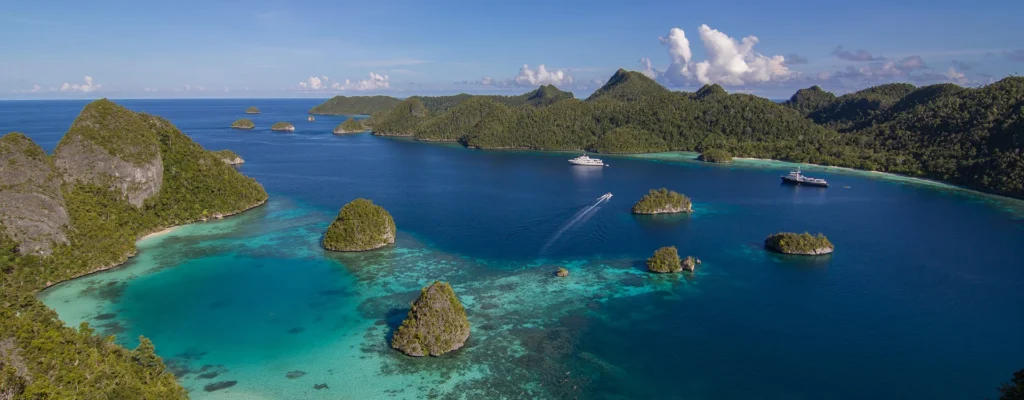
Papua New Guinea stands apart from most global destinations because it has not been reshaped to suit tourism trends. Travel here feels less like consumption and more like participation. Visitors are not guided through polished experiences but invited, often quietly, to observe and engage with a country that still lives by its own rhythms. This sense of authenticity is the foundation of why Papua New Guinea feels so different from anywhere else.
1. A Country That Has Not Been Curated for Tourists
One of the clearest differences travelers notice in Papua New Guinea is the absence of mass tourism infrastructure. There are few large resorts, limited nightlife districts, and almost no destinations designed purely for visitor convenience. Beaches are not staged. Villages are not themed. What you see is real life unfolding naturally. This lack of curation makes travel feel honest, but it also requires patience and openness from visitors.
2. Extraordinary Cultural Diversity in Everyday Life
Papua New Guinea is one of the most culturally diverse countries on Earth, with more than 800 living languages and countless tribal identities. This diversity is not historical or symbolic. It is active and visible in daily life. Dress, customs, food, and social rules change dramatically from region to region. Travelers quickly realize there is no single cultural narrative. Each community holds its own identity, and understanding comes only through listening and respect.
3. Culture and Nature Are Deeply Intertwined
In Papua New Guinea, culture cannot be separated from the environment. Coastal communities live by the tides and reefs. Highland tribes organize life around land, weather, and seasons. Food, shelter, spiritual beliefs, and social structures are shaped directly by nature. For travelers, this creates a powerful sense that landscapes are not just scenery but living systems that sustain identity and tradition. This connection feels increasingly rare in modern travel.
4. Travel That Requires Presence, Not Speed
Papua New Guinea does not reward rushed itineraries. Transport can be slow, plans may change, and schedules often depend on weather or local events. Rather than being a frustration, this pace encourages travelers to be present. Conversations last longer. Days are less structured. Experiences unfold naturally. Many visitors find this slower rhythm challenging at first but deeply rewarding once they adjust their expectations.
5. Encounters Feel Personal, Not Transactional
Because tourism remains small scale, interactions with local people feel personal rather than transactional. Visitors are often guests rather than customers. Hospitality is rooted in community values, not service training. Sharing food, stories, or daily routines creates genuine connections. These moments stay with travelers because they are not repeatable or scripted. They feel earned through respect and curiosity.
6. A Destination That Changes the Traveler
Papua New Guinea feels different because it asks something of the traveler. It requires humility, patience, and a willingness to let go of control. In return, it offers rare insight into ways of living that have endured despite global change. Travelers often leave with fewer photos but deeper memories. The country does not entertain. It teaches, challenges, and quietly reshapes how people understand travel itself.
Must Read:
- Vacation Guide to Australia for First-Time Visitors
- Why New Zealand Is a Dream Vacation Spot?
- Travel Essentials Packing List
FAQs:
1. Is Papua New Guinea safe for tourists?
Papua New Guinea can be safe for travelers who plan carefully and travel responsibly. Safety varies by region, so using local guides, staying in reputable accommodations, and following local advice is important. Visitors should avoid walking alone at night in urban areas and respect community rules in villages. With preparation and cultural awareness, many travelers have positive and safe experiences in Papua New Guinea.
2. Is Papua New Guinea a good beach destination?
Yes, Papua New Guinea offers exceptional beach experiences, especially for travelers seeking quiet and unspoiled coastlines. Beaches here are rarely crowded and often located near traditional villages or remote islands. While facilities are simple, the natural beauty, clear water, and peaceful atmosphere make beach escapes feel personal and authentic rather than commercial or resort-focused.
3. Do I need special permits or visas to visit Papua New Guinea?
Most travelers need a visa to enter Papua New Guinea, which can usually be obtained online or on arrival, depending on nationality. Passport validity and onward travel proof are required. Some remote regions or cultural areas may require local permission or guides. It is best to check entry requirements in advance and plan logistics before arrival.
4. What is the best time to visit Papua New Guinea?
The best time to visit is during the drier months, generally from May to October. Weather is more stable, making beach travel and cultural exploration easier. Cultural festivals often occur during this period as well. The wet season brings heavy rain and humidity, which can affect transport and access to remote coastal or island areas.
5. What kind of accommodation should I expect?
Accommodation in Papua New Guinea is generally simple and experience-focused. Options include eco-lodges, guesthouses, small resorts, and community-based stays near beaches and villages. Luxury resorts are limited. Travelers should expect basic comforts, fresh local food, and strong personal interaction with hosts. Booking in advance is recommended due to limited availability.
6. Is Papua New Guinea suitable for first-time international travelers?
Papua New Guinea is better suited for experienced travelers rather than first-time international visitors. The country rewards patience, cultural sensitivity, and flexible planning. Infrastructure can be limited, and travel requires adaptability. However, travelers seeking deep cultural connection, untouched beaches, and meaningful experiences often find Papua New Guinea one of the most rewarding destinations they visit.
Final Thoughts:
Papua New Guinea offers something increasingly rare in global travel. It offers beaches that feel untouched and cultures that are alive rather than displayed. It invites travelers to slow down, listen, and engage rather than consume.
For those willing to approach travel with curiosity and humility, Papua New Guinea delivers profound rewards. Its beach escapes are peaceful, its cultures are rich, and its experiences stay with travelers long after the journey ends.