
Travel is exciting. It opens doors to new cultures, food, landscapes, and opportunities. But before you board a flight or cross a border, there is one important document you may need. That document is a travel visa. Understanding what a travel visa is and why you need one can save you time, money, and stress.
Many travellers confuse a passport with a visa. A passport proves who you are and where you are from. A travel visa gives you permission to enter another country. Without the correct travel visa, you may be denied boarding or refused entry at the border. That is why it is important to understand how visas work before planning an international trip.
In this detailed guide, you will learn what a travel visa is, why countries require it, the different types of visas available, how to apply, common mistakes to avoid, and practical tips to increase approval chances. This article is written in clear, simple language so anyone can understand it.
What Is a Travel Visa?
A travel visa is an official authorisation issued by a foreign government that allows you to enter, stay, or transit through its country for a specific purpose and period.
It is usually stamped or attached to your passport. In many cases today, it is issued electronically. This is called an e-visa.
A travel visa normally includes:
- Your full name
- Passport number
- Visa type
- Duration of stay
- Number of entries allowed
- Expiry date
The key point is simple. A travel visa is not your identity document. It is permission granted by another country.
Why Do You Need a Travel Visa?
You need a travel visa because countries control who enters their borders. Every nation has its own immigration laws. A visa allows governments to screen travellers before arrival.
There are several reasons why countries require a travel visa:
- Security Control
Governments check applicants to prevent criminal activity or security risks. - Immigration Management
A visa helps control how long visitors stay. - Economic Regulation
Countries track who comes for tourism, work, business, or study. - Diplomatic Agreements
Some countries allow visa-free travel due to agreements. Others do not.
Without a valid travel visa, you may be denied entry. Airlines also check visa requirements before boarding.
Travel Visa vs Passport: Understanding the Difference
Many people think a passport is enough for international travel. That is not always true.
Here is the difference:
Passport
- Issued by your home country
- Proves your identity and nationality
- Valid for international travel
Travel Visa
- Issued by the destination country
- Grants permission to enter
- Specifies purpose and duration
You need both in most international travel situations.
Types of Travel Visas
There are different types of travel visas depending on your purpose of visit. Each travel visa category has specific conditions, duration limits, and restrictions. Choosing the correct travel visa ensures smooth entry and avoids immigration issues during your international journey. Below are the main types explained clearly.
1. Tourist Visa
A tourist visa is issued for leisure travel, holidays, sightseeing, or visiting friends and family abroad. This travel visa usually allows short stays ranging from a few weeks to three months. It does not permit employment, business activities, or long-term residence in the destination country under any circumstances.
2. Business Visa
A business visa allows travellers to attend meetings, conferences, trade exhibitions, and corporate events in another country. This travel visa supports short professional visits but does not permit full-time employment or salary from a local employer. Applicants often provide invitation letters and company documents during application processing.
3. Student Visa
A student visa is required for individuals planning long-term academic study in a foreign country. This travel visa is granted after proof of admission to an approved educational institution. Applicants must show financial stability, tuition payment evidence, and sometimes language proficiency before visa approval is granted.
4. Work Visa
A work visa allows foreign nationals to legally work in another country for a specific employer. This travel visa often requires employer sponsorship and an official job offer letter. Duration varies based on contract terms, and extensions may be possible depending on immigration laws and regulations.
5. Transit Visa
A transit visa is issued when a traveller passes through a country on the way to another destination. This travel visa is typically valid for a very short period, often 24 to 72 hours. It does not allow tourism, employment, or extended stay in that country.
6. Medical Visa
A medical visa is granted to individuals travelling abroad for medical treatment or specialised healthcare services. This travel visa requires official hospital documents, doctor recommendations, and proof of appointment. It is usually issued for the treatment duration and may allow an accompanying attendant if required.
Single Entry vs Multiple Entry Travel Visa
When applying for a travel visa, you will see the terms single entry and multiple entry.
Single Entry Visa
- You can enter the country once
- If you leave, the visa becomes invalid
Multiple Entry Visa
- You can enter and exit multiple times
- Valid within the visa period
Multiple entry visas are useful for business travellers or frequent visitors.
Visa-Free Travel and Visa on Arrival
Not every international trip requires a traditional travel visa application before departure. Some countries offer simplified entry systems to encourage tourism and business travel. However, even when a travel visa is not required in advance, travellers must still meet immigration rules and carry proper documentation.
Visa-Free Travel
Visa-free travel allows citizens of certain countries to enter another nation without applying for a travel visa beforehand. These agreements are usually based on diplomatic relationships and mutual travel arrangements.
Visa-free entry is typically granted for short stays, often between 14 and 90 days. Travellers must still present a valid passport, proof of return travel, accommodation details, and sufficient funds. Immigration officers at the border have the final authority to approve or deny entry. Overstaying during visa-free travel can lead to fines, bans, or future travel restrictions.
Visa on Arrival
Visa on arrival means you receive your travel visa after landing at your destination airport or crossing a land border. Instead of applying weeks in advance, you complete forms at the entry point, submit documents, and pay the required fee.
This option is convenient for short-term travellers. However, you must still carry supporting documents such as hotel bookings, return tickets, and financial proof. Not all nationalities qualify for visa on arrival, so checking official immigration guidelines before travelling is essential.
What Is an E-Visa?
An e-visa is an electronic travel visa that you apply for online. There is no need to visit an embassy.
The process usually includes:
- Online application form
- Upload passport copy
- Upload photograph
- Pay visa fee
- Receive approval via email
E-visas are faster and more convenient than traditional paper visas.
How to Apply for a Travel Visa?
The travel visa application process can vary depending on the country you plan to visit. However, most countries follow a similar structure. Understanding each step clearly helps you avoid delays and increases your chances of approval. Careful preparation is always important when applying for a travel visa.
Step 1: Check Visa Requirements
Start by visiting the official immigration website of your destination country. Look for specific travel visa rules based on your nationality and purpose of travel. Some countries require in-person applications, while others offer online systems. Carefully review eligibility, required documents, processing time, and fees before beginning the travel visa application.
Step 2: Choose the Correct Visa Type
Select the travel visa category that matches your purpose of visit. For example, choose a tourist visa for holidays, a business visa for meetings, or a student visa for academic study. Applying under the wrong travel visa category can result in rejection or complications at the border.
Step 3: Complete the Application Form
Fill out the travel visa application form with accurate and honest information. Provide correct personal details, passport information, travel dates, accommodation plans, and purpose of visit. Double-check spelling and numbers before submission. Even small errors in your travel visa application can cause processing delays or rejection.
Step 4: Gather Required Documents
Common documents include:
- Valid passport
- Passport photos
- Bank statements
- Travel itinerary
- Hotel booking
- Flight booking
- Invitation letter (if required)
Step 5: Pay Visa Fees
After submitting your application, you must pay the required travel visa fee. The cost of a travel visa depends on the destination country, visa category, number of entries, and processing speed. Some countries offer standard and express processing options at different prices.
Payment methods may include online payment, bank transfer, or payment at the embassy. Travel visa fees are usually non-refundable, even if the application is denied, so review all details carefully before completing payment.
Step 6: Attend Interview (If Required)
Certain countries require applicants to attend an in-person interview as part of the travel visa process. During the interview, a visa officer may ask questions about your travel plans, financial situation, employment, and ties to your home country. The purpose is to verify information provided in your travel visa application. Bring all original documents and remain honest and confident during the interview.
Step 7: Wait for Processing
Once your application and interview are complete, you must wait for travel visa processing. The processing time varies depending on the country, visa type, and season. Tourist travel visas may take a few days, while work or student visas can take several weeks. Always apply well before your intended travel date.
How Long Does a Travel Visa Take?
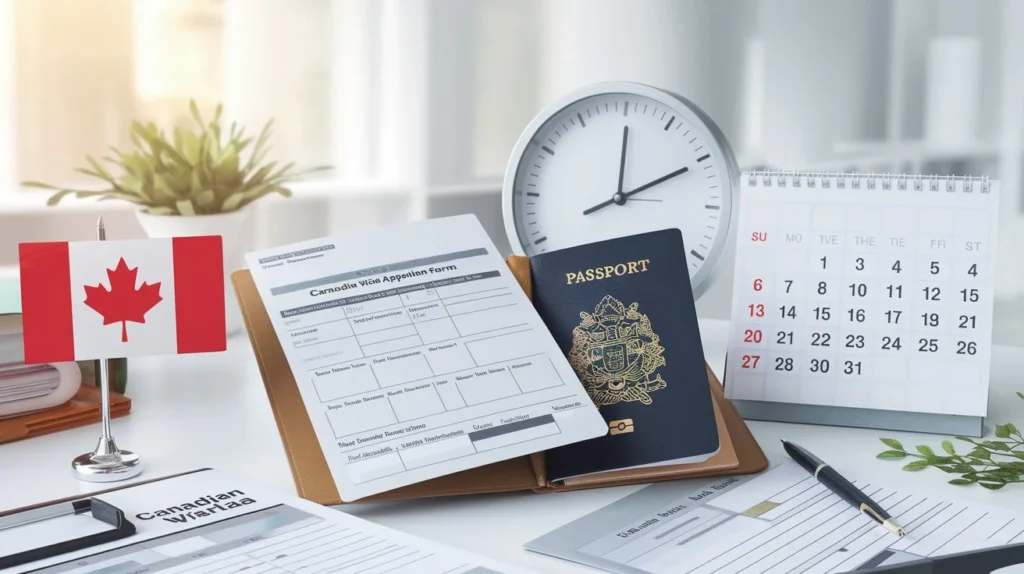
Processing times depend on:
- Country
- Visa type
- Application volume
- Background checks
Tourist visas often take 3 to 15 working days. Work and student visas may take longer.
Always apply for a travel visa well in advance of your trip.
Common Reasons for Travel Visa Rejection
Travel visa rejection can happen for many reasons:
- Incomplete application
- Incorrect information
- Insufficient funds
- Lack of travel history
- Weak ties to home country
- Suspicious travel purpose
- Criminal record
Careful preparation reduces rejection risk.
How to Increase Your Travel Visa Approval Chances?
Here are practical tips:
- Provide accurate information
- Show strong financial proof
- Submit genuine travel plans
- Avoid fake documents
- Demonstrate strong ties to home country
- Apply early
Honesty is critical in any travel visa application.
Travel Visa Validity vs Duration of Stay
These two terms are different.
Visa Validity
- Period during which you can use the visa to enter
Duration of Stay
- Number of days you can stay per visit
For example, your travel visa may be valid for 6 months, but you can only stay 30 days per entry.
Overstaying a Travel Visa
Overstaying a travel visa can result in:
- Fines
- Deportation
- Future visa bans
- Travel restrictions
Always respect the duration of stay.
Travel Visa for Popular Destinations
Different countries have different travel visa policies.
For example:
- United States requires most travellers to obtain a visa or ESTA authorisation.
- Schengen countries offer a single visa for 27 European nations.
- United Kingdom has separate visa rules.
- Australia uses an electronic travel visa system.
- Canada requires an eTA for visa-exempt countries.
Always check official government websites for updated information.
What Is a Schengen Travel Visa?
A Schengen travel visa allows you to travel across multiple European countries with one visa.
Schengen Area includes countries like:
- France
- Germany
- Italy
- Spain
- Netherlands
This visa is popular among tourists because it simplifies European travel.
Travel Visa Fees
Travel visa fees vary depending on:
- Country
- Visa type
- Processing speed
- Number of entries
Some countries also offer express processing at higher fees.
Visa fees are usually non-refundable.
Travel Insurance and Visa Requirements
Some countries require travel insurance before issuing a travel visa.
Insurance may need to cover:
- Medical emergencies
- Hospitalisation
- Repatriation
Schengen visa applications require travel insurance coverage.
Can You Extend a Travel Visa?
In some cases, yes.
Visa extensions depend on:
- Country policies
- Valid reason
- Immigration approval
You must apply before your current travel visa expires.
What Happens If Your Travel Visa Is Denied?
If your travel visa is denied:
- You may reapply
- You can correct mistakes
- You may appeal in some countries
Always review the rejection reason carefully.
Digital Travel Authorisation vs Travel Visa
Some countries use travel authorisation systems instead of traditional visas.
Examples include:
- ESTA (USA)
- eTA (Canada)
- ETA (Australia)
These are simplified electronic permissions for short visits.
How Travel Visas Impact Tourism?
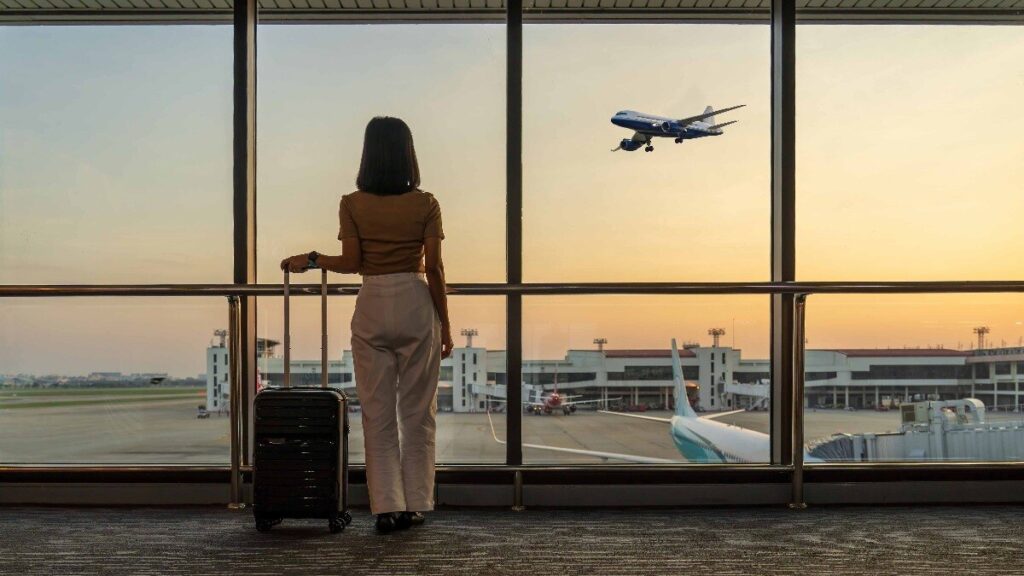
Travel visa policies directly influence how easily people can explore a country. The structure, cost, and speed of a travel visa process often determine whether travellers move forward with booking a trip or choose another destination. Tourism growth is closely connected to visa accessibility.
Ease of Entry Encourages Tourism
When a country offers simple travel visa procedures, more tourists feel confident about visiting. Visa-free entry, e-visa systems, and fast approvals reduce planning stress. A smooth travel visa process makes travellers more likely to confirm flights, hotels, and tour packages. This ease of entry increases tourist arrivals and supports local businesses such as restaurants, transport services, and attractions.
Complex Visa Rules Can Reduce Visitor Numbers
Strict travel visa requirements may discourage potential visitors. Long application forms, high fees, mandatory interviews, and slow processing times create uncertainty. Travellers often prefer destinations where the travel visa process is clear and predictable. If obtaining a travel visa feels difficult, many people change their travel plans, which directly affects tourism revenue.
Economic Impact of Travel Visa Policies
Tourism contributes significantly to national economies. A well-managed travel visa system attracts international visitors who spend money on accommodation, shopping, entertainment, and cultural experiences. Simplified travel visa rules can boost seasonal tourism and encourage repeat visits. Countries that modernise their travel visa systems often see increased tourism income and job creation.
Balancing Security and Tourism Growth
Governments use the travel visa system to maintain border security while welcoming genuine travellers. Effective screening through a travel visa application ensures safety without restricting tourism. When policies balance security and convenience, tourism thrives while national interests remain protected.
Future of Travel Visa Systems
Technology is changing travel visa systems.
Trends include:
- Biometric verification
- Digital passports
- Online tracking systems
- Automated border control
Digital transformation makes international travel smoother.
Final Thoughts:
A travel visa is an essential document for international travel. It gives you legal permission to enter a foreign country. Without it, your travel plans may fail before they begin.
Understanding what a travel visa is and why you need one helps you prepare properly. When you research requirements, choose the correct visa type, submit accurate documents, and apply early, you increase your chances of approval.
International travel should be exciting, not stressful. A clear understanding of the travel visa process makes your journey smooth and confident.
Must Read:
FAQs:
1. Is a travel visa required for all countries?
No. Some countries allow visa-free travel based on nationality and agreements.
2. How long can I stay on a tourist travel visa?
It depends on the country. Usually between 15 to 90 days.
3. Can I work on a tourist travel visa?
No. Working on a tourist visa is illegal.
4. How early should I apply for a travel visa?
At least 3 to 6 weeks before your trip.
5. Can a travel visa guarantee entry?
No. Border officers have final authority at entry points.
6. Is an e-visa safer than a traditional visa?
Yes. E-visas are secure and issued by official government systems.