

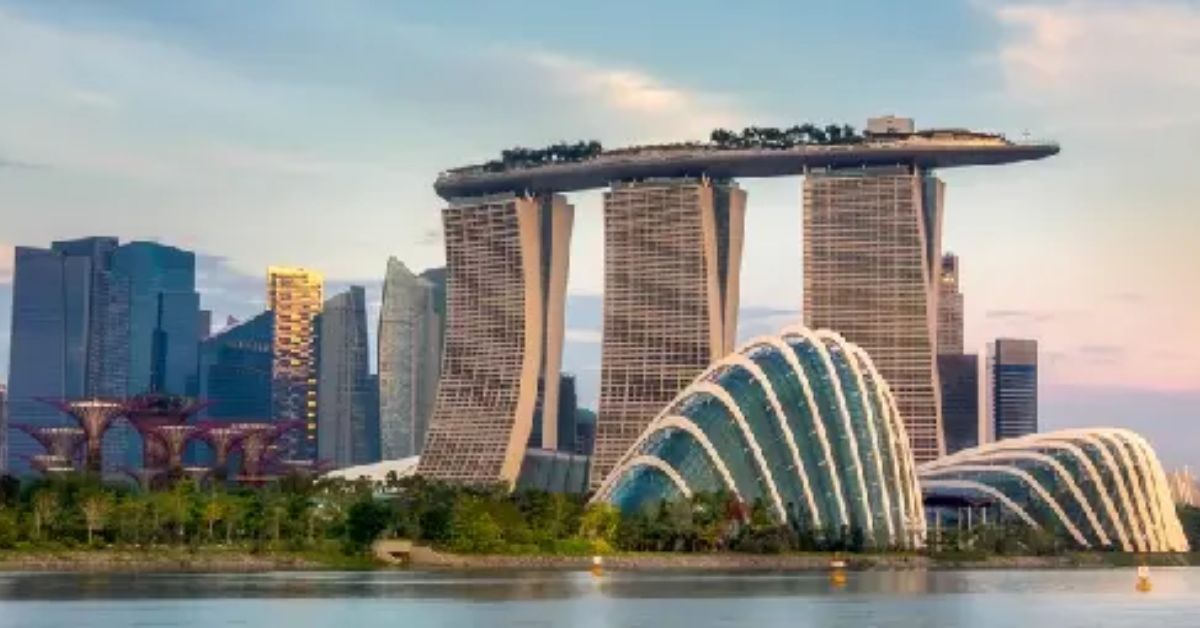
Singapore is often described as sleek, modern, and premium. Many travelers assume that means expensive. In reality, Singapore is one of the easiest Asian destinations to experience on a controlled budget if you plan smartly. Thanks to strong airline competition, efficient public transport, and a wide range of accommodation options, travel deals for Singapore are available throughout the year.
This complete guide explains how to find the best Singapore travel deals without sacrificing comfort or experiences. You will learn when to visit, how to save on flights and hotels, where to find discounted attractions, and how to manage daily expenses once you arrive.
Why Singapore Offers Excellent Travel Value
Singapore’s design works in favor of travelers who want value.
Everything is organized, connected, and competitive.
Compact City Layout
Singapore is small compared to other global cities. You spend less time and money traveling between attractions. Short distances reduce transport costs and allow you to see more in less time.
Strong Competition in Travel Services
Airlines, hotels, and booking platforms compete heavily in Singapore. This constant competition results in regular sales, bundle deals, and last-minute discounts.
High Quality at Every Price Level
Even budget hotels, food courts, and transport options maintain high standards. This makes it easier to choose affordable options without compromising safety or comfort.
Best Time to Visit Singapore for Travel Deals
Timing plays a major role in how affordable your trip will be.
Singapore prices fluctuate based on demand, weather, and events.
Shoulder Season Advantages
February to April and September to October are ideal for deals. These months offer lower hotel rates, fewer crowds, and comfortable travel conditions.
Off-Peak Savings
November to January often brings the best flight and hotel discounts due to increased rainfall. If you do not mind occasional showers, this period offers excellent value.
When to Avoid Traveling
Major festivals, international events, and school holidays push prices higher. Booking just before or after these periods usually results in better deals.
How to Find Cheap Flights to Singapore
Flights are usually the biggest expense.
Fortunately, Singapore’s global connectivity works in your favor.
Flexible Travel Dates
Midweek flights are generally cheaper than weekend departures. Searching by month instead of fixed dates often reveals significant savings.
Budget Airlines vs Full-Service Airlines
Budget carriers offer low base fares, while full-service airlines often include baggage and meals. Comparing total costs helps identify the better deal.
Sale Alerts and Early Booking
Airline sales appear frequently. Setting price alerts and booking two to three months in advance helps secure lower fares.
Hotel Deals and Affordable Accommodation
Singapore offers accommodation for every budget.
Knowing where and how to book makes a big difference.
Best Areas for Hotel Deals
Neighborhoods like Bugis, Little India, Chinatown, and Geylang provide excellent value with easy MRT access. These areas are central, vibrant, and affordable.
Booking Strategies That Save Money
Booking refundable rates allows you to rebook if prices drop. Midweek stays are often cheaper than weekends, even for the same hotel.
Alternative Stays
Serviced apartments, capsule hotels, and modern hostels are popular options. They offer comfort and privacy at lower prices, especially for longer stays.
Flight and Hotel Package Deals
Travel packages combine flights and hotels into one booking, often lowering the total cost of a Singapore trip.
They are especially useful for travelers with fixed dates who want predictable pricing. Instead of managing multiple reservations, packages simplify planning while reducing stress. Singapore is a popular destination for bundled offers, so discounts appear frequently. When timed well, packages can deliver solid savings compared to booking flights and hotels separately.
Why Packages Are Cost-Effective
Travel platforms negotiate bulk rates with airlines and hotels, securing lower prices than individual travelers usually can. These negotiated savings are passed on through package deals. In many cases, hotels reduce their rates when bundled with flights to increase occupancy. This makes packages cheaper overall, particularly for short trips, peak travel periods, or destinations like Singapore with strong tourism demand.
Who Benefits Most from Packages
First-time visitors benefit because packages simplify planning and reduce decision fatigue. Couples often save money through bundled romantic or city-stay offers. Travelers with limited planning time also gain value, since packages eliminate the need to compare multiple bookings. Fixed-schedule travelers, such as business or event visitors, benefit most because packages protect against last-minute price increases on flights or hotels.
What to Check Before Booking
Always review baggage allowances, as some packages include basic fares with restrictions. Check the hotel’s exact location to avoid high transport costs later. Read cancellation and modification policies carefully, especially for fixed-date travel. Confirm airport transfer options and hotel amenities. A package is only a good deal when the details match your travel style and expectations.
Getting Around Singapore on a Budget
Transport in Singapore is designed for efficiency and affordability.
The city’s public transport system is reliable, clean, and well-connected, making it unnecessary to rely on taxis. Visitors can reach most attractions quickly using trains and buses. Short distances also help keep travel costs low. With the right passes and basic planning, daily transport expenses remain minimal throughout the trip.
MRT and Bus Passes
Tourist travel passes offer unlimited rides for one to three days, which is ideal for active sightseeing schedules. For longer stays, stored-value cards are more flexible and cost-effective. Both options work across MRT trains and buses, ensuring smooth travel across the city. These passes eliminate the need for cash and help travelers stay within a fixed transport budget.
Airport Transfers
Singapore’s MRT connects directly to the airport, offering a fast and affordable transfer to the city. Trains are well-marked, luggage-friendly, and reliable at most hours. Compared to taxis, the MRT costs significantly less while avoiding traffic delays. Airport shuttle services can also be economical for groups, providing a balance between convenience and cost savings.
Walking-Friendly Neighborhoods
Singapore is one of Asia’s most walkable cities. Areas like Marina Bay, Chinatown, and Clarke Quay are designed with wide pavements, clear signage, and shaded paths. Walking between nearby attractions reduces transport costs while offering a better feel of the city. Many iconic sights are clustered together, making walking both practical and enjoyable.
Attraction Deals and Discount Passes
Sightseeing expenses can rise quickly without planning.
Singapore offers several smart ways to reduce attraction costs while still enjoying major highlights. Discount passes, online deals, and free experiences allow travelers to balance paid attractions with low-cost activities. With a little research before arrival, visitors can explore more while keeping daily expenses under control.
Multi-Attraction Passes
City attraction passes bundle multiple popular sights at a reduced combined price. These passes are best for travelers planning to visit several paid attractions within a short timeframe. They also save time by allowing skip-the-line entry at select locations. If your itinerary includes major attractions, a multi-attraction pass often delivers better value than individual tickets.
Online Ticket Discounts
Buying attraction tickets online is usually cheaper than purchasing them on arrival. Online platforms regularly offer flash sales, seasonal discounts, and limited-time promotions. Booking in advance also helps secure preferred time slots, especially for popular attractions. Comparing prices across platforms before booking ensures you get the best possible deal without compromising your itinerary.
Free Experiences Worth Exploring
Singapore offers many memorable experiences at no cost. Gardens, waterfront promenades, cultural neighborhoods, light shows, and public events provide rich sightseeing opportunities without entry fees. Exploring areas like heritage districts or scenic walking routes adds depth to your trip while balancing paid attractions. Mixing free experiences with ticketed sights keeps your travel budget healthy and flexible.
Eating Well Without Overspending
Food is one of Singapore’s biggest highlights, and it does not have to be expensive.
The city offers incredible variety at every price level, especially if you eat where locals eat. With hawker centres, mall food courts, and smart dining deals, you can enjoy authentic Singaporean flavors daily without overspending. Knowing where and when to eat makes a noticeable difference to your overall travel budget.
Hawker Centres
Hawker centres are the heart of Singapore’s food culture and one of the best ways to save money. These local food courts serve freshly cooked dishes at very affordable prices. Meals are prepared by specialized vendors who focus on one or two signature dishes. You can enjoy authentic flavors, generous portions, and consistent quality for a fraction of restaurant prices.
Food Courts and Cafes
Shopping mall food courts offer reliable and budget-friendly dining options. Prices are fixed, hygiene standards are high, and menus cater to both local and international tastes. These spaces are air-conditioned, comfortable, and easy to access during sightseeing breaks. Casual cafes also offer affordable set meals, making them good options for relaxed dining without premium pricing.
Dining Discounts
Many restaurants offer lunch specials, early dining discounts, or weekday promotions that significantly reduce costs. Eating outside peak dinner hours helps avoid queues and sometimes unlocks lower prices. Online reservation platforms also feature exclusive dining deals. Planning meals around these offers allows you to enjoy restaurant-quality dining while keeping your daily food budget under control.
Shopping Deals and Souvenirs
Singapore blends luxury shopping with excellent budget finds.
With the right approach, you can shop smartly without overspending. From street markets to outlet malls, there are many places to find value deals. Planning purchases around sales seasons and understanding tax refund rules helps travelers save money while still enjoying the city’s diverse shopping scene.
Best Areas for Affordable Shopping
Bugis Street is popular for budget clothing, accessories, and souvenirs. Chinatown markets offer traditional items, gifts, and local snacks at reasonable prices. Outlet malls on the city’s outskirts provide discounts on branded goods. These areas are well-connected by MRT, making it easy to shop affordably without spending extra on transport.
Sales Seasons
Singapore hosts major sales periods when discounts appear across shopping malls and retail districts. During these times, travelers can find reduced prices on clothing, electronics, and souvenirs. Planning shopping around these sales increases value and allows you to purchase higher-quality items at lower prices. Checking sale calendars before traveling helps time purchases effectively.
Tax Refund Tips
Tourists can claim tax refunds on eligible purchases made at participating stores. Always keep receipts and confirm minimum spend requirements at checkout. Refunds are processed at the airport before departure. Understanding the refund process in advance saves time and ensures you do not miss out on money you are entitled to reclaim.
Sample Budget-Friendly Itineraries
Having a simple plan helps control spending throughout your trip.
These sample itineraries show how to balance sightseeing, food, and transport while staying within budget. Each option focuses on smart attraction choices, affordable meals, and efficient travel. Adjusting activity levels and paid attractions allows you to tailor costs to your travel style.
4-Day Budget Itinerary
This option focuses on central attractions, free gardens, cultural neighborhoods, and hawker meals. Use MRT travel exclusively and prioritize walking-friendly areas. It is ideal for first-time visitors who want to experience Singapore’s highlights without rushing or overspending. Paid attractions are kept minimal to maintain a low daily budget.
5-Day Balanced Itinerary
A five-day stay allows room for one major paid attraction, such as a theme park or observation deck. Balance these experiences with free activities, local food, and efficient transport. This itinerary suits travelers who want a mix of iconic attractions and relaxed exploration while keeping overall expenses manageable.
7-Day Value Itinerary
A week-long itinerary lets you explore Singapore at a slower pace. Include neighborhood walks, cultural districts, day trips, and discounted attraction passes. Spreading paid activities across multiple days helps manage daily costs. This approach works well for travelers who prefer deeper exploration without daily spending pressure.
Smart Money-Saving Tips for Singapore
Small habits can lead to meaningful savings over time.
Being mindful of timing, booking flexibility, and activity choices helps stretch your budget. Singapore rewards travelers who plan ahead but remain adaptable. These simple tips reduce unnecessary expenses while maintaining comfort and convenience throughout your trip.
Book Early but Stay Flexible
Booking flights and hotels early often secures lower prices. Choosing flexible or refundable options allows you to rebook if prices drop later. This strategy offers the best of both worlds: early savings with protection against future discounts. Monitoring prices after booking can result in additional savings.
Avoid Peak Dining Hours
Eating slightly earlier or later than standard meal times reduces waiting and can unlock dining discounts. Restaurants are less crowded, service is faster, and promotional menus are more likely available. This approach improves both your dining experience and your budget without sacrificing food quality.
Use Free Activities Strategically
Mix paid attractions with free experiences to balance daily expenses. Gardens, cultural neighborhoods, waterfront walks, and public events offer rich experiences without entry fees. Planning free activities between paid ones helps control spending while still keeping your itinerary full and enjoyable.
Frequently Asked Questions
1. Is Singapore an expensive destination for travelers?
Singapore can feel expensive at first, but it is very manageable on a budget with proper planning. Public transport is affordable, many attractions are free, and local food is inexpensive. Choosing budget hotels, eating at hawker centres, and traveling during shoulder seasons makes Singapore far more affordable than many travelers expect.
2. What is the cheapest month to visit Singapore?
The cheapest months to visit Singapore are usually during the off-peak season from November to January, excluding major holidays. Flight and hotel prices drop due to increased rainfall and fewer tourists. If you are flexible with dates and do not mind occasional showers, this period offers some of the best travel deals.
3. How can I save money on flights to Singapore?
You can save money by booking flights two to three months in advance, traveling midweek, and using flexible date searches. Setting price alerts helps track fare drops. Comparing budget airlines with full-service carriers ensures you get the best total value, including baggage and meal costs.
4. Are travel packages cheaper than booking separately?
In many cases, travel packages are cheaper than booking flights and hotels separately. Travel platforms negotiate bulk rates, which reduces overall costs. Packages work best for fixed travel dates and short trips. Always compare package pricing with individual bookings and check details before confirming.
5. What is the cheapest way to get around Singapore?
The MRT and public buses are the cheapest and most efficient ways to travel around Singapore. Tourist travel passes and stored-value cards keep transport costs low. Most attractions are well-connected, and many popular areas are walkable, reducing the need for taxis.
6. Can I eat well in Singapore on a budget?
Yes, Singapore is famous for affordable, high-quality food. Hawker centres serve authentic meals at low prices, while shopping mall food courts offer reliable budget options. Eating during lunch hours, avoiding peak dining times, and watching for promotions help keep food costs low throughout your trip.
Final Thoughts:
Singapore does not have to be expensive. With thoughtful planning, flexible dates, and smart booking strategies, you can enjoy this world-class destination at a reasonable cost. The city rewards travelers who research ahead and stay open to deals.
Whether you are planning a short stopover or a full vacation, Singapore offers value, comfort, and unforgettable experiences. Spend wisely, explore deeply, and let smart travel deals work in your favor.