
South America feels like a continent that never runs out of surprises. One moment you are standing in a modern city with world class food and culture. A few days later you are deep in the rainforest, on a windswept glacier, or walking stone paths laid centuries ago. It is raw, colorful, emotional, and unforgettable in ways few places can match.
Travelers come to South America for different reasons. Some chase adventure and landscapes. Others want history, culture, food, and music. Many come for all of it at once. The beauty of this continent is that it offers depth. You can travel here multiple times and still feel like you have barely scratched the surface.
This guide explores the top tourist destinations in South America in a clear and practical way. It covers iconic landmarks, cultural capitals, natural wonders, and emerging destinations that deserve attention. Whether you are planning your first trip or your fifth, this overview helps you understand where to go and why each place matters.
Brazil: Energy, Nature, and Iconic Cities
Brazil is a country that hits you with energy from the moment you arrive. It blends iconic cities, dramatic natural landscapes, and deep cultural roots into one powerful travel experience. From lively coastal metropolises to untouched rainforests and thundering waterfalls, Brazil offers constant contrast. Music, food, festivals, and everyday street life give the country a rhythm that feels authentic and unforgettable, making it one of South America’s most exciting destinations.
1. Rio de Janeiro
Rio de Janeiro is often the first image people associate with South America. The city sits between mountains and ocean, creating a dramatic setting that feels alive at every hour. Sugarloaf Mountain, Copacabana Beach, and the towering Christ the Redeemer statue shape its global identity.
Rio is more than landmarks. It is a city of rhythm and emotion. Samba music flows through neighborhoods, street life is constant, and sunsets feel theatrical. Carnival season brings the city to another level, but even outside festival periods, Rio remains intense and unforgettable.
2. Iguazu Falls
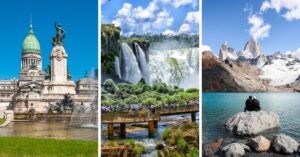
On the border with Argentina lies Iguazu Falls, one of the most powerful waterfall systems on Earth. Hundreds of cascades thunder through lush rainforest, creating mist, rainbows, and a sense of scale that photos cannot capture.
The Brazilian side offers sweeping panoramic views, while nearby wildlife and walking trails add to the experience. Iguazu is a reminder of South America’s raw natural power.
3. Amazon Rainforest
The Brazilian Amazon is vast and complex. It is not a single attraction but an ecosystem that stretches endlessly. River cruises, jungle lodges, and guided wildlife tours allow travelers to explore responsibly.
The Amazon offers encounters with rare animals, indigenous cultures, and landscapes that feel ancient. It is not about luxury in the traditional sense. It is about perspective and connection with nature on a scale few places offer.
4. Salvador
Salvador blends African heritage, colonial architecture, and coastal beauty. The historic Pelourinho district is filled with pastel buildings, churches, and music. Capoeira performances, Afro Brazilian cuisine, and deep cultural roots make Salvador one of Brazil’s most soulful destinations.
Argentina: Cities, Wine, and Epic Landscapes
1. Buenos Aires
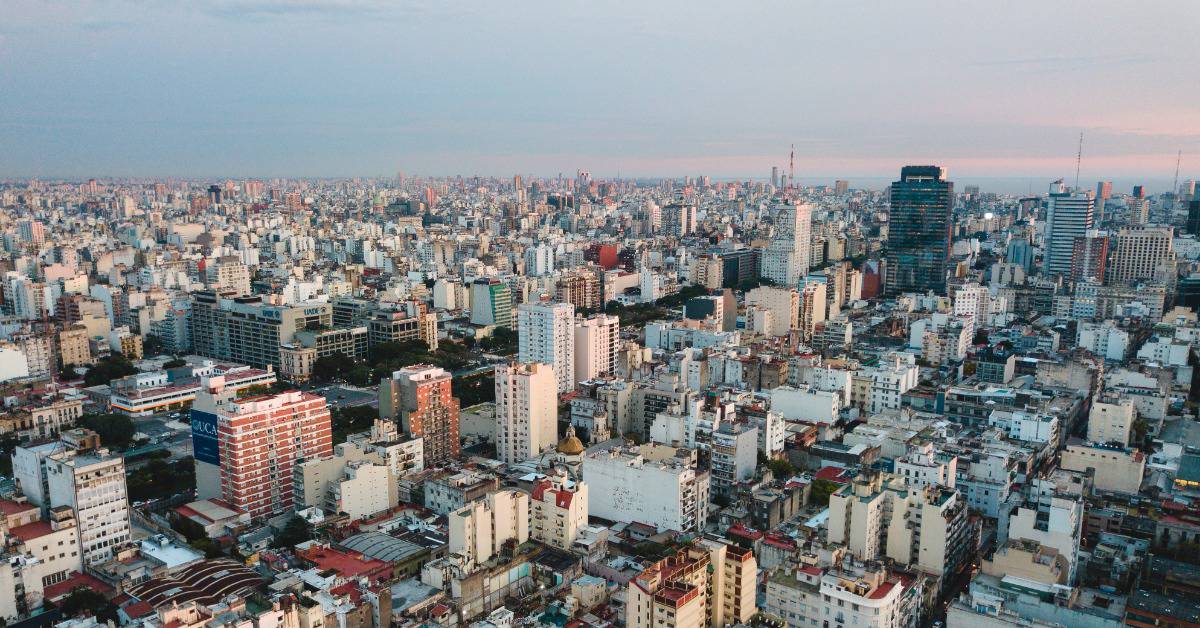
Buenos Aires feels both European and unmistakably Latin American. Elegant architecture, wide boulevards, and late night dining define the city. Tango is part of daily life, whether in formal shows or spontaneous street performances.
Neighborhoods like Palermo, Recoleta, and San Telmo each offer distinct personalities. Buenos Aires rewards slow exploration, long meals, and curiosity.
2. Patagonia
Argentinian Patagonia is vast, quiet, and visually overwhelming. Towering peaks, turquoise lakes, and endless plains create a sense of space that resets your thinking.
The region is ideal for hiking, wildlife spotting, and road trips. It is a destination for travelers who value silence, nature, and perspective.
3. Perito Moreno Glacier
One of Patagonia’s highlights is Perito Moreno Glacier. Unlike many glaciers, it is still advancing. Massive ice walls crack and collapse into the water below, creating thunderous sounds.
Walkways allow visitors to safely view the glacier from different angles. It is a humbling reminder of natural forces still at work.
4. Mendoza
Wine lovers are drawn to Mendoza, Argentina’s premier wine region. Surrounded by the Andes, Mendoza combines vineyard tours with mountain views.
Malbec tastings, farm to table dining, and relaxed pacing make Mendoza an ideal contrast to the intensity of Buenos Aires.
Peru: Ancient History and Living Culture
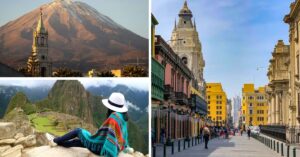
1. Machu Picchu
Few places carry the global recognition of Machu Picchu. Set high in the Andes, this Incan citadel is both mysterious and precisely engineered.
Visiting Machu Picchu requires planning, but the reward is immense. Misty mornings, stone terraces, and mountain backdrops create an atmosphere that feels timeless.
2. Cusco
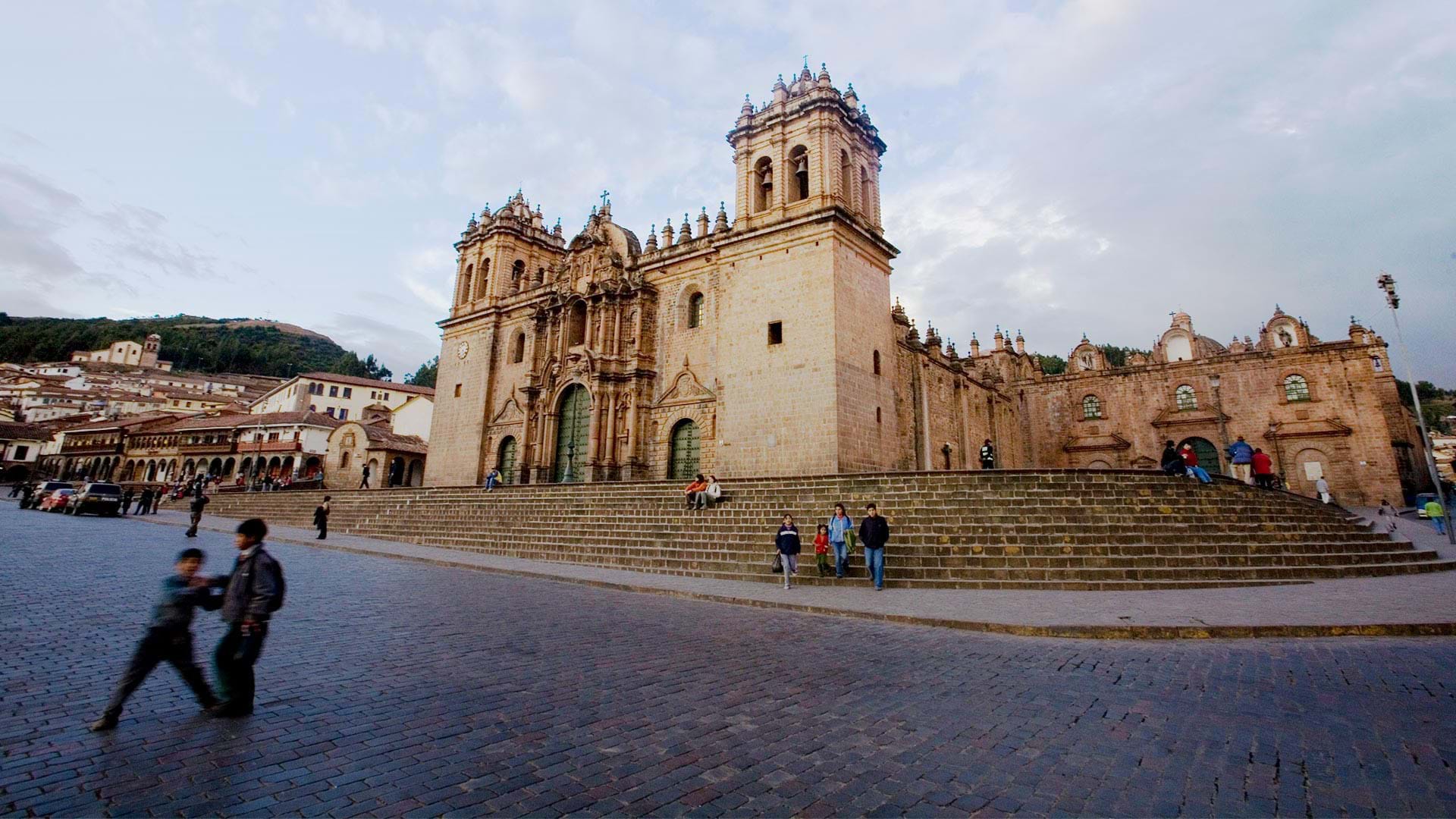
Cusco serves as the gateway to Machu Picchu, but it deserves time on its own. Cobblestone streets, Incan stone foundations, and Spanish colonial buildings blend seamlessly.
Cusco is also a cultural center where traditional clothing, markets, and festivals remain part of everyday life.
3. Sacred Valley
The Sacred Valley stretches between Cusco and Machu Picchu, offering villages, ruins, and agricultural terraces. Places like Pisac and Ollantaytambo provide insight into Incan engineering and rural Andean life.
Many travelers choose to slow down here, adjusting to altitude while enjoying scenery and cultural immersion.
4. Lima
Often overlooked, Lima has become one of South America’s top food destinations. Coastal neighborhoods like Miraflores and Barranco combine ocean views with creative dining.
Lima’s culinary scene blends indigenous ingredients with global techniques, making it a must visit for food focused travelers.
Chile: Extremes of Geography and Style
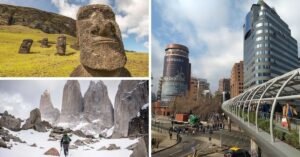
Chile is a land of striking contrasts, stretching from some of the driest deserts on Earth to icy Patagonian fjords. It blends raw geography with modern style, offering sleek cities, refined wine regions, and untamed wilderness in one long, narrow ribbon. Whether you are exploring high altitude deserts, dramatic national parks, or creative coastal cities, Chile delivers a travel experience shaped by extremes, elegance, and natural power.
1. Atacama Desert
The Atacama Desert is one of the driest places on Earth. Its landscapes feel almost extraterrestrial. Salt flats, geysers, volcanoes, and clear night skies define the experience.
Stargazing here is among the best in the world, thanks to minimal light pollution and high altitude.
2. Torres del Paine National Park
Patagonia continues into Chile with Torres del Paine National Park. Granite towers, glacial lakes, and diverse wildlife attract hikers from around the world.
Well marked trails allow for both day hikes and multi day treks. The scenery is dramatic from every angle.
3. Santiago
Santiago sits between mountains and vineyards. It is modern, organized, and increasingly creative. Museums, food markets, and nearby wine regions make Santiago a strong base for exploration.
The Andes provide a constant backdrop, reminding visitors of Chile’s geographic drama.
4. Valparaiso
Colorful, chaotic, and artistic, Valparaiso feels like an open air gallery. Hillside houses, street art, and historic funiculars give the city its character.
Valparaiso rewards wandering without a plan. Every corner reveals something unexpected.
Colombia: Culture, Color, and Renewal

1. Cartagena
Cartagena is one of South America’s most romantic cities. Walled old town streets, colonial balconies, and Caribbean breezes create a timeless atmosphere.
Cartagena blends history with beach access, making it ideal for travelers seeking both culture and relaxation.
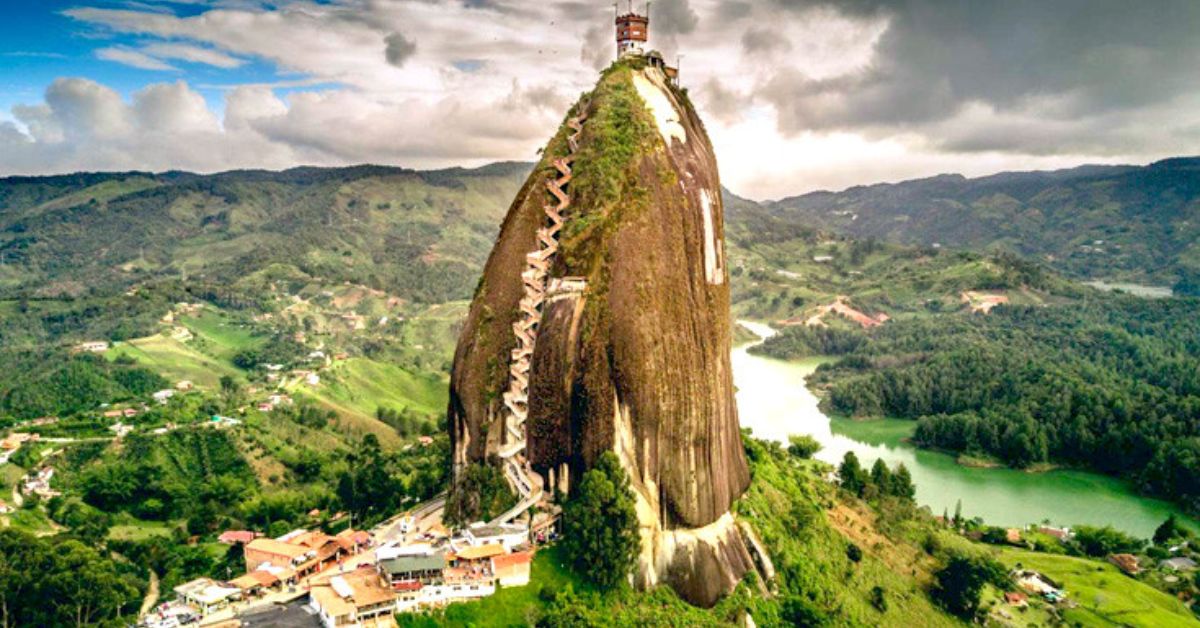
2. Medellin
Once misunderstood, Medellin has transformed into a model of innovation. Public transport, art spaces, and community projects reshaped the city.
Pleasant weather year round and vibrant neighborhoods make Medellin a favorite among digital nomads and long stay travelers.
3. Coffee Region
Colombia’s Coffee Triangle offers rolling green hills, plantation tours, and relaxed villages. It is a region defined by slower rhythms and strong local pride.
Staying on a coffee farm allows visitors to understand the process behind one of the world’s most loved drinks.
4. Tayrona National Park
Near the Caribbean coast, Tayrona National Park combines jungle trails with white sand beaches. Wildlife sightings are common, and the setting feels untouched.
It is ideal for travelers who want nature without extreme trekking.
Bolivia: High Altitude Wonders

1. Salar de Uyuni
The Salar de Uyuni is the world’s largest salt flat. During the rainy season, it becomes a giant mirror reflecting the sky.
Tours often include colored lagoons, flamingos, and surreal landscapes. It is one of South America’s most visually unique destinations.
2. La Paz
La Paz sits high in the Andes and challenges visitors with altitude and intensity. Cable cars connect neighborhoods, offering dramatic city views.
Markets, street food, and indigenous traditions make La Paz culturally rich and memorable.
3. Lake Titicaca
Shared with Peru, Lake Titicaca is the highest navigable lake in the world. Floating islands and traditional communities provide insight into ancient lifestyles that continue today.
Ecuador: Compact Diversity
Ecuador may be small in size, but it offers remarkable diversity within short distances. From historic Andean cities and lush Amazon rainforest to Pacific beaches and unique wildlife habitats, the country packs multiple ecosystems into one easy to explore destination. Ecuador suits travelers who want rich culture, nature, and adventure without long travel times, making every journey feel efficient and rewarding.
1. Galapagos Islands
The Galapagos Islands are legendary for wildlife encounters. Giant tortoises, marine iguanas, and fearless birds thrive in protected environments.
Strict regulations protect the ecosystem, making visits both controlled and meaningful.
2. Quito
Quito features one of the best preserved historic centers in South America. Colonial churches and plazas sit near the equator, offering both history and geography in one place.
3. Amazon Region
Ecuador’s Amazon provides accessible rainforest experiences. Short flights from Quito lead to jungle lodges where guided tours focus on biodiversity and indigenous knowledge.
Why South America Continues to Captivate Travelers
South America stands apart because it feels real. Cities are lived in, not staged. Nature is powerful and sometimes unpredictable. Culture is not packaged. It is practiced daily.
From ancient ruins to modern food scenes, from deserts to rainforests, the continent rewards curiosity and patience. It invites travelers to slow down, listen, and engage more deeply.
Whether you are drawn by history, adventure, food, or pure scenery, South America delivers experiences that stay with you long after the journey ends.
Must Read:
- Explore Kenya: Safaris, Beaches, and Culture
- Vacation Guide to Italy for Food and Culture Lovers
- Why France Is Perfect for a Romantic Getaway?
FAQs:
What are the most popular tourist destinations in South America?
Top destinations include Brazil, Argentina, Peru, Chile, Colombia, and Ecuador, offering iconic cities, ancient ruins, natural wonders, beaches, rainforests, and rich cultural experiences for all travel styles.
Is South America suitable for first time international travelers?
Yes, many South American countries are beginner friendly, with good tourism infrastructure, guided tours, affordable accommodations, and well connected cities, making planning and travel relatively smooth.
What is the best time to visit South America?
The best time depends on the region. Generally, May to September suits most countries, while some areas like the Amazon and Patagonia have specific seasonal advantages.
Is South America expensive for tourists?
South America can be very budget friendly compared to Europe or North America. Costs vary by country, but food, transport, and accommodation are often affordable with good value.
Do I need visas to travel around South America?
Visa requirements depend on nationality. Many travelers receive visa free entry or visas on arrival, but it is important to check rules for each country before travel.
What types of experiences can travelers expect in South America?
Travelers can enjoy diverse experiences including wildlife encounters, historical sites, adventure sports, vibrant cities, local cuisine, festivals, beaches, mountains, and unique cultural traditions across the continent.
Final Thoughts:
Choosing where to go in South America depends on what you want to feel. Awe, connection, challenge, or comfort. The destinations in this guide represent the continent’s diversity, but they are only the beginning.
South America is not a checklist destination. It is a place to return to, explore gradually, and experience with openness. No matter where you start, the continent has a way of changing how you see the world and yourself.
If you want help turning these destinations into a practical itinerary or comparing countries based on travel style, pace, or budget, just say the word.