
Wildlife safaris are no longer limited to one continent or one style of travel. Across the world, protected landscapes now offer ethical, immersive, and unforgettable encounters with animals in their natural habitats. From African savannahs and Asian jungles to South American wetlands and Arctic coastlines, wildlife safaris allow travellers to witness nature as it exists beyond screens and documentaries.
This guide explores the top countries for wildlife safaris, explaining what makes each destination special, which animals you can expect to see, and how to plan responsibly. It also covers the best safari seasons, ethical considerations, practical travel tips, and itinerary ideas to help you choose the right experience for your interests and budget.
What Makes a Country Perfect for Wildlife Safaris
Not every destination can offer a true wildlife safari. The best safari countries share a few essential qualities that protect animals while providing meaningful experiences for visitors.
Biodiversity and Wildlife Density
Countries with high biodiversity offer greater chances of seeing multiple species in one trip. Dense wildlife populations increase sightings while reducing long travel times between viewing areas. Regions with varied ecosystems such as forests, grasslands, wetlands, and mountains often support richer animal life.
Rare and endangered species also play a major role. Seeing animals like tigers, rhinos, jaguars, or mountain gorillas adds depth and purpose to safari travel.
Protected National Parks and Reserves
Strong conservation policies are critical for sustainable safaris. Well-managed national parks and reserves provide safe habitats for wildlife and regulate tourism to prevent overuse. Countries that invest in protection, anti-poaching measures, and habitat restoration tend to offer higher-quality safari experiences.
Clear park rules, trained rangers, and visitor limits help maintain balance between tourism and conservation.
Safari Infrastructure and Accessibility
A great safari destination also needs good infrastructure. This includes trained guides, reliable transport, quality lodges, and safe viewing practices. Accessibility matters too. Countries with good road networks, regional flights, and organised safari routes are easier for first-time visitors.
Well-developed infrastructure improves safety and comfort without reducing the authenticity of the experience.
Ethical and Sustainable Tourism
Ethical safaris focus on observation rather than interaction. Countries that promote responsible tourism protect animal welfare and involve local communities. Revenue from tourism often supports conservation projects and provides employment, making wildlife protection economically valuable.
Top Countries for Wildlife Safaris in Africa
Africa remains the heart of classic wildlife safaris. Vast landscapes, iconic animals, and long-established conservation areas make it unmatched for traditional safari experiences.
Kenya: Classic African Safari Experience
Kenya is one of the most recognisable safari destinations in the world. Its grasslands, abundant wildlife, and strong conservation culture make it ideal for both first-time and experienced safari travellers.
Maasai Mara National Reserve
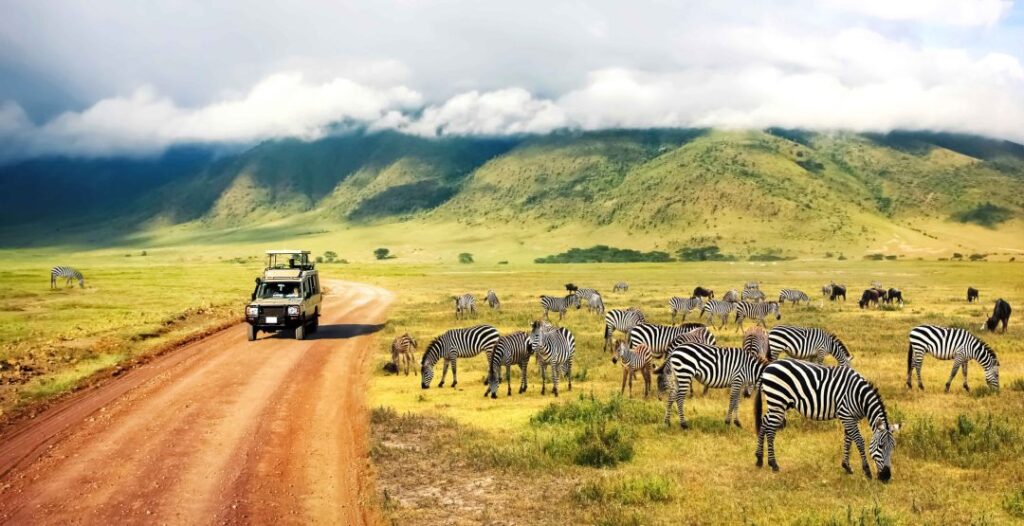
The Maasai Mara is famous for its dense populations of lions, elephants, cheetahs, and leopards. It is also the stage for the Great Migration, where millions of wildebeest and zebras cross the plains in search of fresh grazing.
Amboseli National Park
Amboseli is known for large elephant herds and dramatic views of Mount Kilimanjaro. Its open terrain makes wildlife viewing easier, especially for photographers.
Tanzania: Vast Wilderness and Iconic Landscapes
Tanzania offers immense protected areas and some of Africa’s most famous safari locations. Its parks are large, less crowded, and rich in wildlife.
Serengeti National Park
The Serengeti is synonymous with African safaris. Endless plains support lions, hyenas, giraffes, and massive herbivore herds. Seasonal migration patterns provide dynamic wildlife viewing year-round.
Ngorongoro Crater
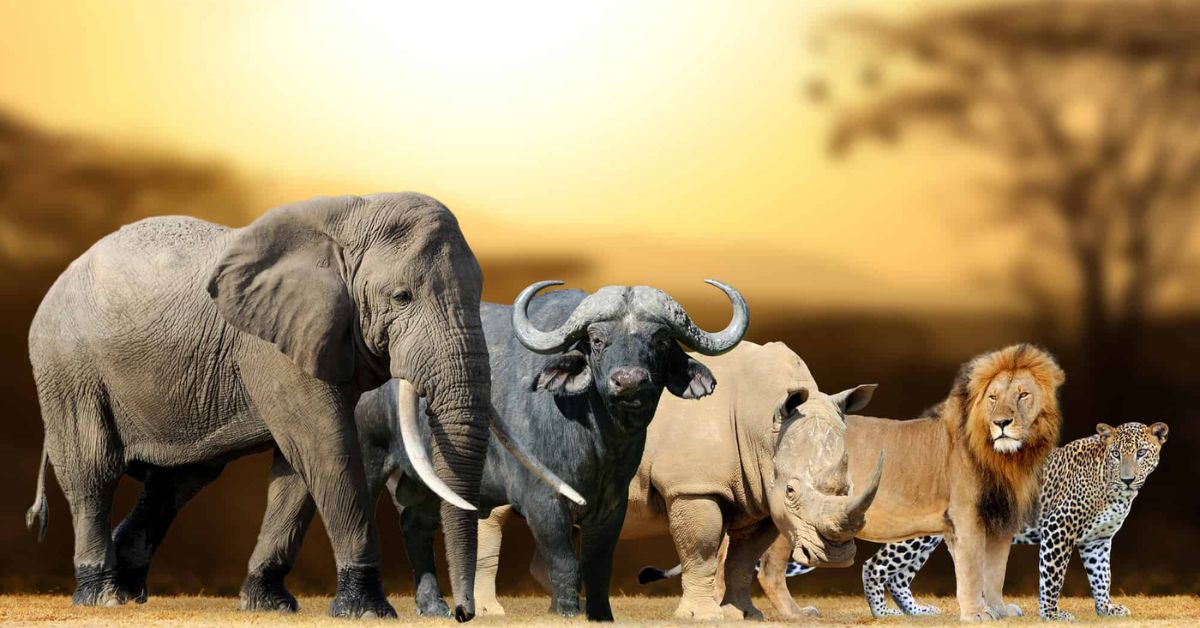
This volcanic crater acts as a natural enclosure, supporting a dense concentration of wildlife. It offers one of the best chances to see the Big Five in a single day.
South Africa: Diverse Safaris with Comfort
South Africa blends excellent wildlife viewing with modern infrastructure, making it accessible and comfortable.
Kruger National Park
Kruger allows both guided and self-drive safaris. Visitors can spot lions, rhinos, elephants, and buffalo while staying in well-maintained rest camps or luxury lodges.
Private Game Reserves
Private reserves bordering Kruger offer exclusive experiences with fewer vehicles, off-road tracking, and luxury accommodation.
Botswana: Premium and Low-Impact Safaris
Botswana is recognised for its high-quality, low-impact safari model that limits visitor numbers to protect wildlife habitats. This approach reduces overcrowding and supports conservation while offering exclusive safari experiences. Travellers benefit from expert guides, quiet viewing areas, and a strong focus on sustainability and ethical tourism.
Okavango Delta
The Okavango Delta floods seasonally, creating a rich network of waterways and islands that attract diverse wildlife. Boat safaris, canoe trips, and guided walking safaris allow travellers to experience animals from different perspectives, including elephants, lions, hippos, and countless bird species.
Chobe National Park
Chobe National Park is best known for its huge elephant population and river-based safari experiences. During dry months, animals gather along the Chobe River, making sightings frequent and dramatic. Boat safaris and game drives offer excellent opportunities to observe wildlife in natural settings.
Namibia: Desert Wildlife and Scenic Safaris
Namibia delivers a distinctive safari experience shaped by deserts, salt pans, and wide-open landscapes. Wildlife here has adapted to harsh conditions, creating unique viewing opportunities. Safaris often feel remote and peaceful, appealing to travellers who value scenery, solitude, and unconventional wildlife encounters.
Etosha National Park
Etosha National Park centres around a vast salt pan that draws animals to surrounding waterholes. These predictable gathering points make wildlife viewing rewarding and accessible. Visitors commonly see elephants, rhinos, lions, and antelope, especially during dry seasons when water sources are limited.
Skeleton Coast
The Skeleton Coast is a dramatic stretch of desert meeting the Atlantic Ocean. Adapted wildlife, shifting dunes, and shipwreck-lined shores create a stark safari environment. This region suits adventurous travellers seeking rare landscapes, unusual animal behaviour, and a strong sense of isolation and exploration.
Top Countries for Wildlife Safaris in Asia
Asian wildlife safaris focus on dense forests, river plains, and mountainous regions rich in biodiversity. These destinations combine wildlife viewing with deep cultural traditions and spiritual connections to nature. Safaris in Asia often highlight conservation efforts while offering encounters with rare and iconic species.
India:Tigers and Diverse Ecosystems
India is one of the world’s top wildlife safari destinations, offering exceptional biodiversity across forests, grasslands, and wetlands. It is especially famous for tiger safaris, alongside elephants, leopards, deer, and birdlife. Strong conservation programmes support protected reserves across the country.
Ranthambore National Park
Ranthambore National Park is renowned for its tiger population and dramatic setting. Ancient forts and ruins sit within forested landscapes, creating striking safari scenery. Open terrain improves visibility, giving visitors strong chances to spot tigers alongside deer, monkeys, and bird species.
Kaziranga National Park
Kaziranga National Park protects the largest population of one-horned rhinoceros in the world. Its grasslands and wetlands also support elephants, wild buffalo, and rich birdlife. Jeep and elephant safaris offer immersive wildlife viewing in a carefully managed conservation environment.
Sri Lanka: Compact Yet Wildlife-Rich
Sri Lanka offers impressive wildlife experiences within a compact island setting. Travellers can combine safaris with beaches and cultural sites easily. National parks are close together, making the country ideal for short trips that still deliver elephant herds, leopards, and diverse ecosystems.
Yala National Park
Yala National Park is famous for having one of the highest leopard densities in the world. The park also supports elephants, crocodiles, and birdlife across forests and lagoons. Safari drives here offer varied terrain and frequent wildlife encounters throughout the year.
Udawalawe National Park
Udawalawe National Park is best known for reliable elephant sightings in open grasslands. Its landscape allows clear views, making it ideal for photography and family-friendly safaris. The park also supports buffalo, deer, and a wide range of bird species.
Nepal: Mountain and Jungle Wildlife
Nepal combines Himalayan scenery with subtropical jungles, offering a unique safari experience. Wildlife tourism here often blends nature exploration with cultural interaction. Protected lowland parks support rare species, while surrounding villages add educational and community-based travel opportunities to the safari experience.
Chitwan National Park
Chitwan National Park offers classic jungle safaris featuring one-horned rhinoceros, deer, monkeys, and birdlife. Jeep safaris, canoe trips, and guided walks provide varied experiences. Cultural visits to nearby villages often complement wildlife tours, creating a balanced and meaningful safari journey.
Top Countries for Wildlife Safaris in South America
South America’s wildlife safaris focus on rainforests, wetlands, and river systems rather than open savannahs. These experiences highlight biodiversity, rare species, and immersive nature travel. Safaris here often involve guided boat trips and forest walks that emphasise conservation and education.
Brazil: Rainforest and Wetland Safaris
Brazil is one of South America’s richest wildlife destinations, offering vast protected regions with extraordinary biodiversity. Its safari experiences focus on observation within natural habitats, combining river exploration, forest trails, and wetland viewing to reveal species rarely seen elsewhere in the world.
Amazon Rainforest
The Amazon Rainforest supports the highest biodiversity on the planet. Guided river safaris and jungle walks reveal monkeys, birds, reptiles, and river dolphins. Responsible tourism practices help protect fragile ecosystems while allowing travellers to experience the scale and complexity of this vital region.
Pantanal Wetlands
The Pantanal Wetlands offer open landscapes ideal for wildlife viewing. Unlike dense rainforests, visibility is high, increasing chances of spotting jaguars, capybaras, caimans, and birds. Seasonal flooding creates rich feeding grounds, making the Pantanal one of the best safari areas in South America.es ideal for spotting jaguars, capybaras, and caimans.
Peru: Amazonian Wildlife Adventures
Peru’s Amazon region provides accessible wildlife safaris with a strong conservation focus. Protected reserves, eco-lodges, and trained naturalist guides make jungle exploration safe and educational. River travel and forest walks allow travellers to observe rich biodiversity while supporting responsible tourism and local community initiatives.
Tambopata National Reserve
Tambopata National Reserve is one of the most biodiverse areas in the Peruvian Amazon. It is famous for macaw clay licks, giant river otters, monkeys, and diverse birdlife. Guided safaris here balance close wildlife encounters with strict conservation and environmental protection practices.
Ecuador: Wildlife Beyond the Rainforest
Ecuador offers a rare combination of mainland wildlife and unique island ecosystems. Despite its compact size, the country supports exceptional biodiversity. Travellers can experience rainforest species, coastal wildlife, and volcanic island habitats within a single journey, making Ecuador ideal for diverse wildlife safaris.
Galápagos Islands
The Galápagos Islands provide some of the closest wildlife encounters in the world. Endemic species show little fear of humans due to long-standing conservation rules. Guided visits prioritise education and protection, allowing travellers to observe wildlife responsibly in fragile and carefully managed environments.
Top Countries for Wildlife Safaris in North America
North America offers wildlife safaris focused on large mammals, seasonal migrations, and vast protected landscapes. Strong conservation laws and professional park management support ethical wildlife viewing. Safaris here often follow predictable animal behaviour patterns, making sightings reliable during specific seasons.
United States: Diverse Wildlife Habitats
The United States features diverse ecosystems ranging from grasslands and forests to mountains and Arctic regions. National parks and wildlife reserves are well managed, offering safe access to wildlife viewing. Visitors benefit from strong infrastructure, trained rangers, and clear conservation guidelines.
Yellowstone National Park
Yellowstone National Park is a cornerstone of wildlife conservation in North America. It supports wolves, bison, bears, and elk within dramatic geothermal landscapes. Seasonal changes affect animal movement, providing varied safari-style experiences throughout the year for wildlife enthusiasts.
Alaska
Alaska offers remote wilderness safaris centred on Arctic wildlife. Travellers can observe whales, moose, bears, and seabirds across vast, untouched landscapes. Its low population density and protected areas make Alaska ideal for nature-focused wildlife experiences with minimal human impact.
Canada: Wilderness and Arctic Species
Canada excels in wildlife safaris focused on cold climates and expansive wilderness. Large protected regions and seasonal animal migrations create exceptional viewing opportunities. Safaris often highlight bears, whales, and Arctic species while maintaining strict conservation and ethical tourism standards.
Churchill
Churchill is widely known as the polar bear capital of the world. Seasonal migrations bring polar bears close to the town, allowing controlled and safe viewing. Guided tundra tours and conservation-led experiences make Churchill a unique and responsible wildlife safari destination.
British Columbia
British Columbia offers diverse wildlife safaris across forests, fjords, and coastal waters. The region is ideal for bear viewing, whale watching, and marine wildlife encounters. Its scenic landscapes and rich ecosystems attract travellers seeking varied and immersive nature experiences.
Best Safari Experiences by Animal Type
Different safari destinations excel depending on the species travellers want to see. Planning by animal type improves sighting chances and overall satisfaction. From predators and large mammals to birds and marine life, targeted safari planning delivers more meaningful wildlife encounters.
Big Cats Safaris
Big cat safaris are among the most popular wildlife experiences worldwide. Lions dominate savannahs in Kenya and Tanzania, tigers thrive in Indian reserves, leopards appear frequently in Sri Lanka, and jaguars roam the Pantanal, each offering distinct viewing environments.
Elephant and Rhino Safaris
Elephant and rhino safaris are best experienced in countries with strong protection programmes. Botswana, Kenya, Sri Lanka, and India offer reliable elephant sightings, while South Africa and India remain leading destinations for observing well-protected rhinoceros populations in the wild.
Birdwatching Safaris
Birdwatching safaris appeal to travellers seeking biodiversity and quiet exploration. Wetlands, rainforests, and migration corridors across Africa, South America, and Asia support thousands of bird species. These safaris reward patience and are ideal for slow, nature-focused travel.
Marine Wildlife Safaris
Marine wildlife safaris focus on ocean ecosystems and seasonal migrations. Whales, dolphins, and sharks are commonly seen in regions such as Canada, Alaska, South Africa, and Ecuador. Responsible operators follow strict rules to protect marine species during wildlife viewing.
Best Time to Go on Wildlife Safaris
Timing strongly affects wildlife visibility and safari quality. Weather conditions, animal movement, and park accessibility vary by region. Understanding seasonal patterns helps travellers choose destinations that offer optimal wildlife sightings and comfortable travel conditions.
Seasonal Wildlife Movement
Wildlife movement is influenced by migration, breeding cycles, and water availability. These patterns determine when animals are most visible. Planning safaris around seasonal movement increases the likelihood of sightings and ensures more rewarding wildlife experiences.
Dry vs Wet Season Safaris
Dry seasons often provide better visibility as animals gather near water sources. Wet seasons bring lush landscapes, newborn animals, and fewer crowds. Both seasons offer benefits, and the best choice depends on destination, wildlife goals, and travel style.
Month-by-Month Safari Planning
Month-by-month safari planning helps travellers align destinations with peak wildlife activity. Certain months offer migrations, breeding seasons, or favourable weather. Researching regional calendars allows travellers to choose the best time for specific wildlife encounters.
Safari Travel Tips for First-Time Visitors
First-time safari travellers benefit from preparation and realistic expectations. Understanding safari routines, choosing reputable operators, and respecting wildlife guidelines improves safety and enjoyment. Good planning ensures ethical, comfortable, and memorable wildlife experiences.
Safety and Wildlife Etiquette
Respecting wildlife is essential on safari. Travellers should maintain distance, follow guide instructions, and avoid loud or sudden movements. Proper behaviour reduces stress on animals and helps preserve natural habitats while ensuring personal safety.
Choosing the Right Safari Type
Safari options range from budget group tours to luxury lodges and self-drive experiences. Choosing the right type depends on budget, comfort level, and experience. Guided safaris suit beginners, while seasoned travellers may prefer flexible or specialised options.
Packing Essentials for Safaris
Packing appropriately enhances safari comfort and safety. Neutral-coloured clothing blends into natural surroundings, while binoculars improve viewing. Sunscreen, hats, insect repellent, and lightweight layers protect against weather changes during early morni
Ethical Wildlife Safaris and Conservation
Ethical wildlife safaris focus on protecting animals, habitats, and local communities. Responsible travel ensures that tourism supports conservation rather than harming ecosystems. By choosing ethical safari practices, travellers help preserve biodiversity, reduce environmental impact, and contribute to long-term wildlife protection for future generations.
Responsible Safari Operators
Responsible safari operators prioritise animal welfare, habitat protection, and ethical viewing practices. They follow strict guidelines that prevent wildlife disturbance and support conservation programmes. Choosing certified and transparent operators ensures safaris remain sustainable while delivering educational and respectful wildlife experiences.
Supporting Local Communities
Wildlife safari tourism plays a key role in supporting local communities. It creates employment, funds education and healthcare, and encourages conservation through economic benefit. When communities benefit directly from wildlife protection, they become active partners in preserving natural habitats and endangered species.
Conservation Success Stories
Many protected areas have seen wildlife populations recover due to conservation-focused safaris. Elephant, rhino, and big cat numbers have stabilised or increased in several regions. These success stories show how responsible tourism, anti-poaching efforts, and habitat protection work together effectively.
Wildlife Safari Itineraries
Well-planned safari itineraries help balance wildlife viewing, travel time, and rest. Choosing the right itinerary length ensures better experiences without fatigue. Whether short or extended, structured safari routes improve animal sightings and allow travellers to explore ecosystems more meaningfully.
One-Week Safari Itinerary
A one-week safari works best when focused on a single major park or reserve. Staying in one area allows deeper exploration, repeated game drives, and better understanding of animal behaviour. This itinerary suits first-time safari travellers with limited time.
Two-Week Multi-Park Safari
A two-week safari allows travellers to combine multiple parks and ecosystems. This approach offers varied wildlife encounters, from grasslands to wetlands or forests. Balanced pacing reduces travel stress while increasing species diversity and overall safari value.
Extended Safari Adventures
Extended safari adventures suit travellers seeking comprehensive wildlife experiences. Multi-country or long-duration safaris allow exploration of different habitats, cultures, and conservation models. These journeys provide deeper insight into global wildlife protection while maximising sightings and learning opportunities. comprehensive wildlife experiences.
Final Thoughts:
Wildlife safaris create powerful connections between travellers and nature. Choosing the right country, season, and safari style ensures meaningful experiences while supporting conservation.
With responsible planning, wildlife safaris become not just holidays, but contributions to protecting the planet’s most extraordinary species.
Must Read:
- Best Places to Visit in South America
- Best Places to Visit in Thailand
- Badlands-NationalPark South Dakota USA
Frequently Asked Questions
Which country is best for wildlife safaris?
It depends on the animals you want to see and your travel style.
Are wildlife safaris safe for families?
Yes, when guided properly and planned responsibly.
How much does a wildlife safari cost?
Costs vary widely by destination and comfort level.
What animals can I see on safari?
Big cats, elephants, rhinos, birds, marine life, and more.
Are wildlife safaris ethical?
They are when operators follow responsible tourism practices.
Do I need a guide for wildlife safaris?
Guides improve safety, sightings, and understanding.