

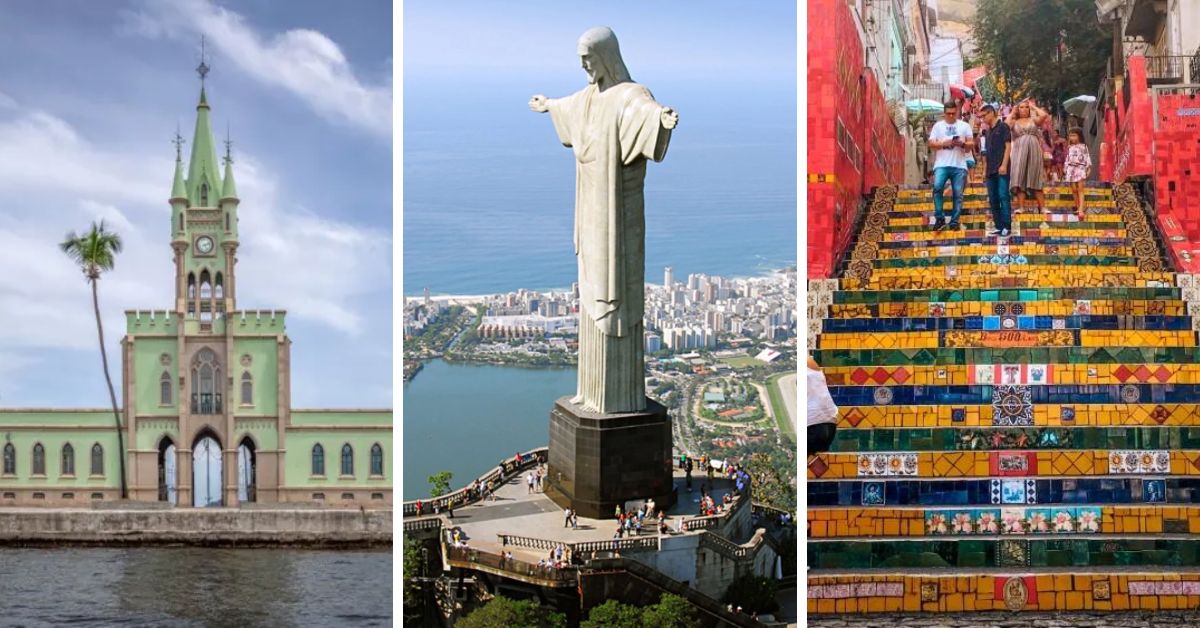
Rio de Janeiro is one of the most recognisable travel destinations in the world. Known for its beautiful coastline, dramatic mountains, vibrant culture, and famous landmarks, the city attracts millions of visitors every year. Travellers come to experience its lively atmosphere, scenic beaches, historic neighbourhoods, and iconic attractions that have made Rio de Janeiro a global tourism hotspot.
The city sits between lush green mountains and the Atlantic Ocean, creating a unique landscape that blends natural beauty with urban life. Visitors exploring Rio de Janeiro can enjoy everything from relaxing on world-famous beaches to visiting historic monuments and scenic viewpoints. Cultural events, local cuisine, and energetic street life also contribute to the city’s appeal for travellers from across the globe.
In this comprehensive guide to Rio De Janeiro Famous Attractions Beaches And Landmarks, we will explore the most popular tourist sites, natural attractions, cultural landmarks, and travel experiences that make Rio de Janeiro one of the most exciting cities to visit in South America.
Overview of Rio de Janeiro as a Travel Destination
Rio de Janeiro is the second-largest city in Brazil and one of the country’s most important cultural and tourism centres. The city has a rich history influenced by Portuguese colonial heritage, African culture, and modern Brazilian traditions. These influences can be seen in Rio’s architecture, music, cuisine, and festivals.
The natural geography of Rio de Janeiro also plays a major role in its tourism appeal. The city is surrounded by mountains, forests, and beautiful beaches. The famous Sugarloaf Mountain and Christ the Redeemer are among the most recognised landmarks in the world.
Visitors often describe Rio as a destination where nature and city life blend together. Travellers can spend the morning hiking scenic hills and the afternoon relaxing on a beach or exploring cultural neighbourhoods.
Famous Landmarks in Rio de Janeiro
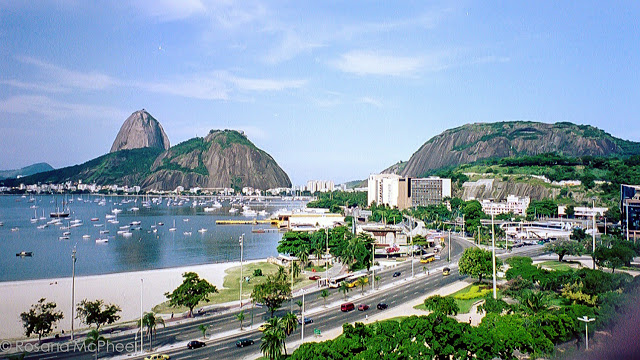
Rio de Janeiro is home to several landmarks that have become symbols of Brazil. These landmarks attract millions of visitors every year and are essential stops for travellers exploring the city.
Christ the Redeemer
One of the most iconic landmarks in the world is Christ the Redeemer. This massive statue of Jesus Christ stands at the top of Corcovado Mountain and overlooks the entire city.
Completed in 1931, the statue stands approximately 30 metres tall and has a wingspan of 28 metres. Visitors can reach the monument by train, van, or hiking trail. The viewpoint from the top provides breathtaking panoramic views of Rio de Janeiro.
Because of its cultural and religious significance, Christ the Redeemer is considered one of the New Seven Wonders of the World.
Sugarloaf Mountain
Another famous landmark is Sugarloaf Mountain, a granite peak rising above Guanabara Bay. Visitors reach the summit using a cable car system that offers spectacular views of the city and coastline.
The cable car ride to Sugarloaf Mountain is one of the most memorable experiences in Rio de Janeiro. At the summit, travellers can see beaches, mountains, and the city skyline from a unique perspective.
Famous Beaches in Rio de Janeiro
Rio de Janeiro is famous for its beaches, which are central to the city’s culture and lifestyle. Locals and tourists alike spend time enjoying the ocean, sunbathing, playing sports, and socialising along the shoreline.
Copacabana Beach
Copacabana Beach is one of the most famous beaches in the world. Stretching for about four kilometres along the Atlantic coast, Copacabana attracts visitors with its wide sandy shoreline and vibrant atmosphere.
The beach promenade features a distinctive black-and-white wave pattern that has become an iconic symbol of Rio. Visitors can find restaurants, hotels, and beach kiosks along the waterfront.
Copacabana is also a popular location for festivals and events, including the city’s famous New Year celebrations.
Ipanema Beach
Another well-known beach is Ipanema Beach. This beach became internationally famous through the song “The Girl from Ipanema.”
Ipanema Beach offers beautiful views of nearby mountains and islands. It is known for its clean sand, lively beach culture, and stunning sunsets. Many visitors consider Ipanema one of the most scenic beaches in Rio.
Barra da Tijuca Beach
Barra da Tijuca Beach is the longest beach in Rio de Janeiro. It stretches for over 18 kilometres and offers a quieter atmosphere compared with Copacabana and Ipanema.
This beach is popular for surfing, water sports, and outdoor activities.
Natural Attractions Around Rio de Janeiro
Rio de Janeiro is surrounded by natural landscapes that attract outdoor enthusiasts and nature lovers.
Tijuca National Park
Tijuca National Park is one of the largest urban rainforests in the world. Located within the city limits, this national park offers hiking trails, waterfalls, and scenic viewpoints.
Visitors exploring Tijuca National Park can see wildlife, tropical vegetation, and panoramic views of Rio’s coastline and mountains.
Pedra da Gávea
Another natural attraction is Pedra da Gávea, a massive rock formation overlooking the Atlantic Ocean. Adventurous travellers often hike to the summit to enjoy breathtaking views.
Cultural Attractions and Historic Sites
Beyond its natural beauty, Rio de Janeiro also offers rich cultural experiences.
Selarón Steps
Selarón Steps is a colourful mosaic staircase created by artist Jorge Selarón. The staircase connects the neighbourhoods of Santa Teresa and Lapa.
The steps are decorated with thousands of tiles from different countries and have become a popular tourist attraction.
Rio de Janeiro Cathedral
The Metropolitan Cathedral of Rio de Janeiro is one of the most unusual churches in the world. Its modern pyramid design contrasts with traditional cathedral architecture.
The interior features colourful stained-glass windows that extend from the floor to the ceiling.
Best Outdoor Activities in Rio de Janeiro
Travellers visiting Rio de Janeiro can enjoy many outdoor activities.
Popular activities include:
- Hiking scenic mountains
- Paragliding over beaches
- Boat tours around Guanabara Bay
- Surfing and water sports
- Cycling along beach promenades
The city’s warm climate makes outdoor exploration enjoyable throughout most of the year.
Rio de Janeiro Food and Local Cuisine

Brazilian cuisine is an important part of the travel experience in Rio de Janeiro.
Some popular local dishes include:
- Feijoada (Brazilian bean stew)
- Pão de queijo (cheese bread)
- Fresh seafood dishes
- Tropical fruit juices
- Brazilian barbecue
Visitors can explore restaurants, street food markets, and beachside cafes throughout the city.
Best Time to Visit Rio de Janeiro
Rio de Janeiro is a destination that attracts travellers throughout the year because of its warm climate, famous beaches, and vibrant cultural events. However, the best time to visit often depends on what kind of experience travellers are looking for.
Some visitors prefer lively festivals and beach activities, while others prefer quieter months with comfortable weather and fewer tourists. Understanding the seasonal differences can help travellers plan a more enjoyable trip.
Summer Season
The Brazilian summer runs from December to March and is considered one of the most popular times to visit Rio de Janeiro. During this period, temperatures are usually high, and the beaches are filled with both locals and international tourists. Popular beaches like Copacabana Beach and Ipanema Beach become lively social spaces where people relax, play sports, and enjoy the ocean.
Summer is also a season filled with cultural events, concerts, and celebrations. The city has an energetic atmosphere, making it ideal for travellers who want to experience Rio’s vibrant lifestyle. However, because it is a peak tourist season, hotels and flights can be more expensive, and major attractions may be crowded.
Autumn and Spring
Autumn and spring are often considered excellent times to visit Rio de Janeiro for travellers who prefer moderate weather and fewer crowds. These seasons usually offer pleasant temperatures, making sightseeing and outdoor activities more comfortable.
During these months, visitors can explore attractions such as Sugarloaf Mountain or hike in Tijuca National Park without the intense heat of summer. Beaches are still enjoyable, but they tend to be less crowded compared with the peak holiday season.
Carnival Season
One of the most famous events in Brazil is the Rio Carnival, which usually takes place between February and March. During Carnival, Rio de Janeiro transforms into a global celebration of music, dance, and colourful parades. The festival attracts visitors from all over the world who come to experience samba performances, street parties, and elaborate costumes.
While Carnival is an unforgettable cultural experience, it is also one of the busiest times in the city. Accommodation prices increase, and popular areas become crowded with festival attendees. Travellers planning to visit during Carnival should book flights and hotels well in advance to secure good options.
Overall, Rio de Janeiro offers something unique in every season, allowing travellers to choose the time that best matches their travel style and interests.
Travel Tips for Visiting Rio de Janeiro
Travellers visiting Rio should keep a few helpful tips in mind.
- Use registered transportation services
- Stay aware of surroundings in crowded areas
- Carry minimal valuables
- Follow local travel guidelines
These precautions help ensure a safe and enjoyable travel experience.
Must Read:
Final Thoughts:
Rio de Janeiro remains one of the most exciting and visually stunning destinations in the world. Few cities combine natural landscapes, cultural energy, historic landmarks, and beach lifestyle as effectively as this Brazilian coastal metropolis. Travellers visiting Rio de Janeiro often find themselves surrounded by breathtaking scenery at every turn, from dramatic mountain peaks to vibrant beachfront promenades.
One of the defining features of Rio de Janeiro is the way its natural beauty integrates with the city’s daily life. Mountains rise dramatically behind neighbourhoods, tropical forests sit within city limits, and world-famous beaches stretch along the Atlantic coastline. This rare combination of nature and urban life creates a destination that feels both adventurous and relaxing at the same time.
The city’s landmarks are equally impressive. Sites such as Christ the Redeemer and Sugarloaf Mountain offer panoramic views that capture the unique geography of Rio. These attractions not only represent major tourism highlights but also serve as cultural symbols of Brazil itself.
Rio’s beaches contribute significantly to its global reputation. Copacabana and Ipanema are not just places for swimming or sunbathing; they represent a lifestyle centred around outdoor living, social connection, and vibrant local culture. Visitors often find themselves drawn into this atmosphere while walking along the beachfront or watching the sunset over the ocean.
Beyond the famous landmarks and beaches, Rio de Janeiro also offers rich cultural experiences. Colourful neighbourhoods, historic churches, art installations, and lively music scenes reveal the city’s diverse heritage and creative spirit. Travellers can explore museums, street markets, and cultural festivals that highlight Brazil’s traditions and modern identity.
Another reason Rio continues to attract visitors is the wide range of activities available. Hiking trails, boat tours, paragliding adventures, and beach sports allow travellers to experience the city from multiple perspectives. Whether someone prefers nature exploration, cultural sightseeing, or relaxing by the ocean, Rio provides countless opportunities.
In conclusion, Rio de Janeiro offers a travel experience that is difficult to match anywhere else in the world. Its iconic landmarks, beautiful beaches, dramatic landscapes, and vibrant culture combine to create a destination full of unforgettable moments. For travellers seeking adventure, relaxation, and cultural discovery in one location, Rio de Janeiro remains one of the most rewarding cities to explore.