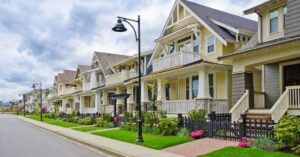

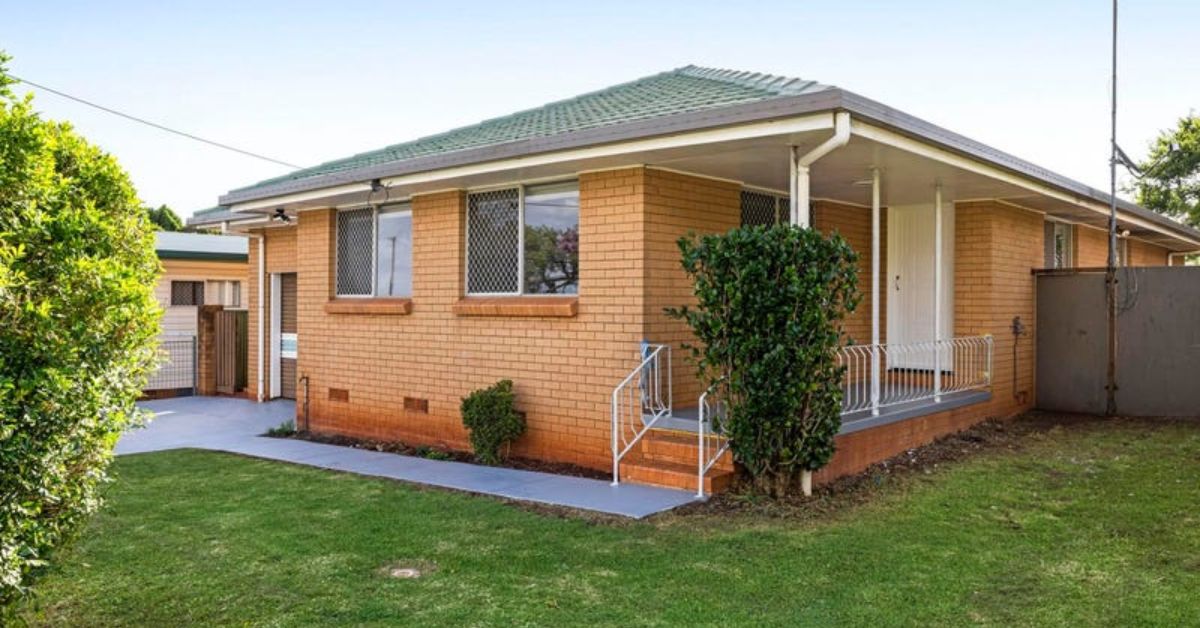

- Spacious homes for comfortable living
- Options for every rental budget
- Ideal for families and pets
- Flexible locations and lease terms
Finding the right homes for rent has become one of the most important decisions for families, professionals, and long-term travellers. Renting a home offers flexibility, privacy, and comfort that apartments sometimes cannot match. Whether you are relocating, upgrading your living space, or looking for a stable place to settle, knowing how to book the best homes for rent right now can save time, money, and stress.
The rental market has changed in recent years. Demand has increased, options have diversified, and renters now expect more space, better locations, and transparent pricing. At the same time, competition has grown in popular areas. This makes preparation, research, and smart decision-making more important than ever.
This guide is written to help you book the best homes for rent right now using a clear, step-by-step approach. It covers everything from understanding rental markets and choosing the right home type to budgeting, documentation, common mistakes, and long-term planning. The content is SEO-friendly, NLP-friendly, and written in a natural, human tone to help readers take real action.
Why Renting a Home Is a Smart Choice Today?
Renting a home has become increasingly attractive compared to apartments. Many renters now prioritise space, privacy, and flexibility over shared buildings and crowded living.
Homes for rent provide features that suit modern lifestyles. Remote work, family needs, and personal comfort have shifted renter preferences toward houses with extra rooms, outdoor areas, and quieter surroundings.
Key reasons renters choose homes for rent:
- More living space and storage
- Private entrances and outdoor areas
- Suitable for families and pets
- Greater sense of independence
- Flexible location options
For many renters, homes for rent feel closer to ownership benefits without long-term financial commitment.
Understanding the Homes for Rent Market
The market for homes for rent varies by location, season, and demand. Unlike apartments, rental homes are often privately owned, which means availability can be limited in some areas.
Homes for rent are commonly listed one to two months before move-in dates. In high-demand areas, good homes may receive multiple enquiries quickly. However, compared to apartments, renters often have slightly more room for discussion on lease terms and move-in timing.
Seasonality also plays a role. Spring and summer usually see higher demand, while autumn and winter may offer better negotiation opportunities.
Types of Homes for Rent
Not all rental homes are the same. Understanding the different types helps narrow your search and match your lifestyle needs.
1. Single-Family Homes
Single-family homes are standalone properties designed for one household. They are popular among families and long-term renters.
Benefits include:
- Private space and yard
- No shared walls
- Suitable for children and pets
2. Townhouses
Townhouses offer a balance between apartments and detached homes. They often share walls but provide multiple floors and more space.
Why renters choose townhouses:
- More room than apartments
- Lower cost than detached homes
- Community-style living
3. Duplex and Multi-Unit Homes
These homes contain two or more units within one structure. Each unit has a separate entrance.
Ideal for:
- Budget-conscious renters
- Small families
- Long-term tenants seeking privacy
4. Furnished Homes
Furnished homes for rent include furniture and basic household items.
Best suited for:
- Short-term stays
- Relocations
- Temporary work assignments
Key Factors to Consider Before Booking
Before booking homes for rent, renters should clearly define priorities. This reduces time wasted on unsuitable listings.
Important factors include:
- Monthly budget
- Location and commute
- Home size and layout
- Lease duration
- Pet policies
Being realistic about needs versus wants helps renters focus on homes that truly fit their lifestyle.
Budgeting for Homes for Rent
Renting a home involves more than just monthly rent. Understanding full costs prevents financial pressure later.
Costs to include in your budget:
- Monthly rent
- Utilities such as electricity and water
- Internet and cable
- Lawn or maintenance fees
- Security deposit
Many renters aim to keep rent within 30 percent of monthly income. This allows room for savings and daily expenses.
How to Choose the Right Location
Location plays a major role in comfort and long-term satisfaction. Homes for rent are available in urban, suburban, and semi-rural areas.
Urban areas offer convenience and access to services but may cost more. Suburban areas provide space, quieter surroundings, and family-friendly environments. Semi-rural locations offer affordability and privacy but may increase commute times.
Choosing the right location depends on work requirements, family needs, and lifestyle preferences.
Step-by-Step Guide to Booking Homes for Rent
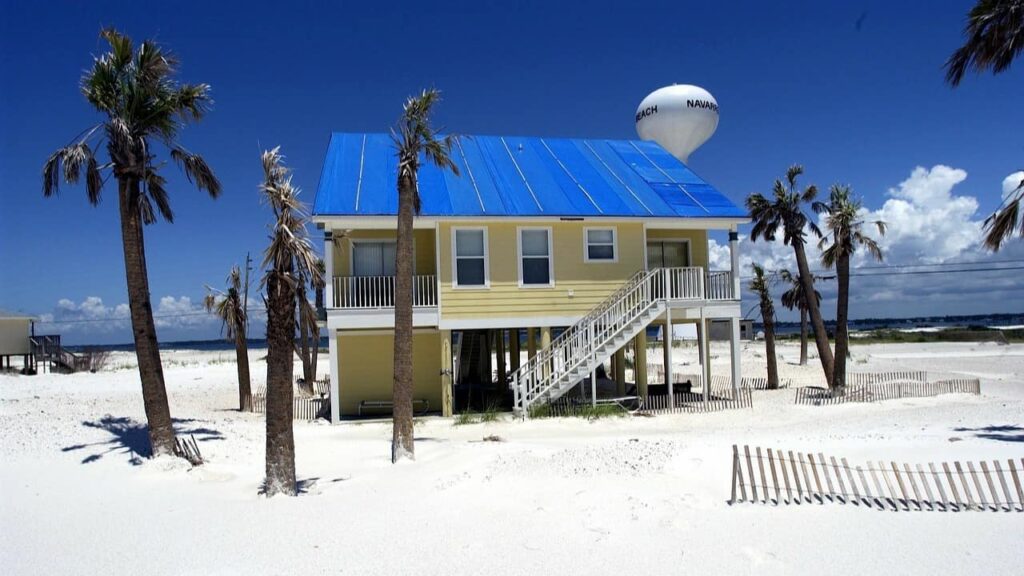
Booking a rental home becomes easier when broken into clear steps.
1. Define Your Rental Goals
Start by clearly identifying why you need a rental home. Decide whether it is for short-term flexibility, family stability, or long-term comfort. Knowing your purpose helps determine the right home size, location, and lease length, making the entire search more focused and efficient.
2. Research the Market
Take time to research current homes for rent in your preferred areas. Compare rental prices, availability, and demand trends to understand what fits your budget. Market research prevents overpaying and helps you recognise fair deals when suitable homes become available.
3. Shortlist Suitable Homes
Create a shortlist of homes that match your budget, space requirements, and location preferences. Focusing on realistic options saves time and reduces stress. A shortlist also makes it easier to compare features, neighbourhood benefits, and long-term comfort before making a decision.
4. Schedule Property Visits
Visiting homes in person allows you to assess overall condition, layout, and surrounding environment. Property visits reveal details photos may miss, such as noise levels, maintenance quality, and neighbourhood atmosphere. This step helps avoid unexpected issues after moving in.
5. Submit Applications Promptly
When you find a suitable home, apply without delay. Well-priced homes for rent attract multiple enquiries, and hesitation can lead to missed opportunities. Having documents ready and responding quickly shows seriousness and improves your chances of securing the rental.
Documents Required to Rent a Home
Most landlords require documentation to verify reliability.
Commonly requested documents:
- Proof of income
- Photo identification
- Credit report
- Rental history references
Having documents prepared in advance improves approval chances and speeds up the process.
Lease Terms and What to Check Carefully
Before signing a lease, renters should review terms carefully.
Important lease points to review:
- Lease duration
- Rent increase clauses
- Maintenance responsibilities
- Pet policies
- Early termination conditions
Understanding lease details protects renters from misunderstandings later.
Furnished vs Unfurnished Homes for Rent
Choosing between furnished and unfurnished homes depends on stay length and flexibility.
Furnished homes
- Higher monthly rent
- Faster move-in
- Minimal setup
Unfurnished homes
- Lower long-term cost
- Personal customisation
- Better for permanent living
Common Mistakes Renters Should Avoid
Avoiding mistakes saves time and money.
Mistakes to watch for:
- Ignoring neighbourhood research
- Underestimating maintenance costs
- Skipping property inspections
- Rushing lease signing
Being informed reduces long-term stress.
Homes for Rent for Families
Families often prefer homes over apartments due to space and privacy.
What families should prioritise:
- Safe neighbourhoods
- Nearby schools
- Outdoor space
- Storage and room layout
Homes for rent provide stability and comfort for growing households.
Homes for Rent for Professionals and Remote Workers
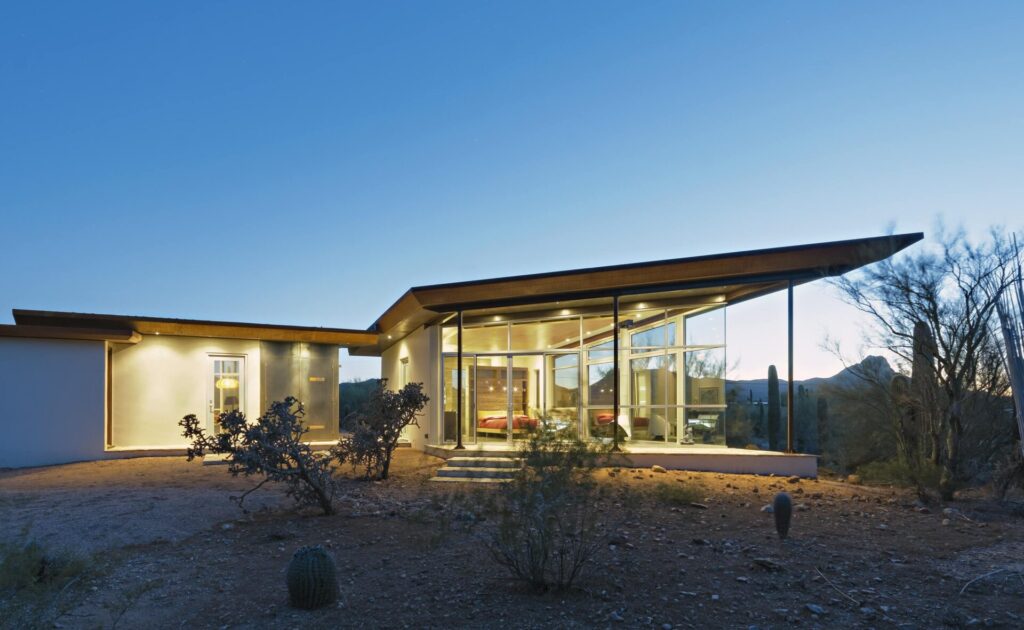
Professionals increasingly choose rental homes for flexibility.
Key features to look for:
- Home office space
- Reliable internet access
- Quiet surroundings
- Proximity to transport routes
Homes allow better work-life balance compared to shared buildings.
Pet-Friendly Homes for Rent
Pet owners face additional challenges when renting.
What to check:
- Pet policies and limits
- Extra deposits or fees
- Yard or nearby parks
Homes for rent are often more pet-friendly than apartments.
Short-Term vs Long-Term Homes for Rent
Short-term rentals
- Flexible leases
- Higher monthly cost
- Often furnished
Long-term rentals
- Better pricing stability
- Sense of permanence
- Ideal for families
Knowing your timeline helps choose the right option.
How to Find Value in Competitive Markets
Value is about balance, not just low rent.
Ways to find better value:
- Be flexible with move-in dates
- Consider emerging neighbourhoods
- Look beyond newly renovated homes
- Compare total living costs
Smart planning improves outcomes.
Safety and Comfort Considerations
Safety affects daily quality of life.
Things to assess:
- Lighting and street access
- Noise levels
- Emergency services nearby
- Community environment
Visiting areas at different times helps evaluate comfort.
Negotiating Rent and Lease Terms
Negotiation is sometimes possible with homes for rent.
You may negotiate:
- Move-in dates
- Lease length
- Included utilities
- Maintenance responsibilities
Professional communication improves success chances.
Moving Into Your Rental Home
Once approved, plan your move carefully.
Move-in checklist:
- Inspect the home
- Document existing damage
- Set up utilities
- Review maintenance contacts
A smooth move sets a positive tone for your stay.
Long-Term Planning While Renting
Renting a home does not mean lack of stability.
Long-term renter benefits:
- Flexibility to relocate
- Lower upfront costs than buying
- Opportunity to save or invest
Many renters choose homes long-term for comfort and freedom.
Must Read:
- Book Best Apartments for Rent Miami Now
- New York Apartments for Rent
- Apartments for Rent for Every Budget
FAQs:
What documents are required to rent a home?
Most landlords ask for proof of income, valid photo identification, recent bank statements, and rental references. Some may also request a credit report or background check. Having these documents prepared in advance helps speed up the approval process and improves your chances of securing the home.
How much income do I need to rent a home?
A common guideline is that your monthly income should be at least three times the rent. This helps landlords ensure you can manage rent comfortably along with other living expenses. Income requirements may vary depending on location, home size, and landlord policies.
Are utilities usually included in homes for rent?
Utilities are usually not included in most homes for rent. Tenants often pay separately for electricity, water, gas, internet, and waste services. Some rentals may include lawn care or maintenance, so always confirm what is included before signing the lease.
Is renting a home better than renting an apartment?
Renting a home offers more space, privacy, and flexibility, making it ideal for families, pet owners, and remote workers. Apartments may be cheaper and more convenient in central areas. The better option depends on your budget, lifestyle needs, and long-term plans.
Can I negotiate rent when booking a home for rent?
In some cases, yes. Landlords may be open to negotiation on rent, lease length, or included services, especially if the home has been listed for a while. Being polite, prepared, and flexible increases the chance of reaching a favourable agreement.
What should I check before signing a rental lease?
Before signing, review lease length, rent increase terms, maintenance responsibilities, pet policies, and early termination conditions. Inspect the home carefully and document existing issues. Understanding the lease fully helps avoid misunderstandings and protects your rights during the rental period.
Final Thoughts:
Booking the best homes for rent is about preparation, clarity, and informed choices. With growing demand and changing lifestyles, rental homes offer space, privacy, and flexibility that suit modern living.
By understanding the market, setting realistic budgets, reviewing leases carefully, and acting promptly, renters can secure homes that truly fit their needs. Whether you are renting for family life, professional growth, or lifestyle improvement, the right home makes a lasting difference.
With the right approach, homes for rent are not just temporary spaces. They become comfortable, reliable places to build routines, memories, and peace of mind right now.