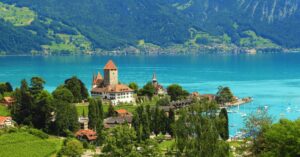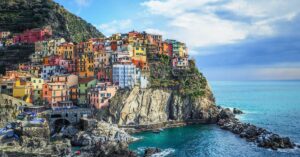

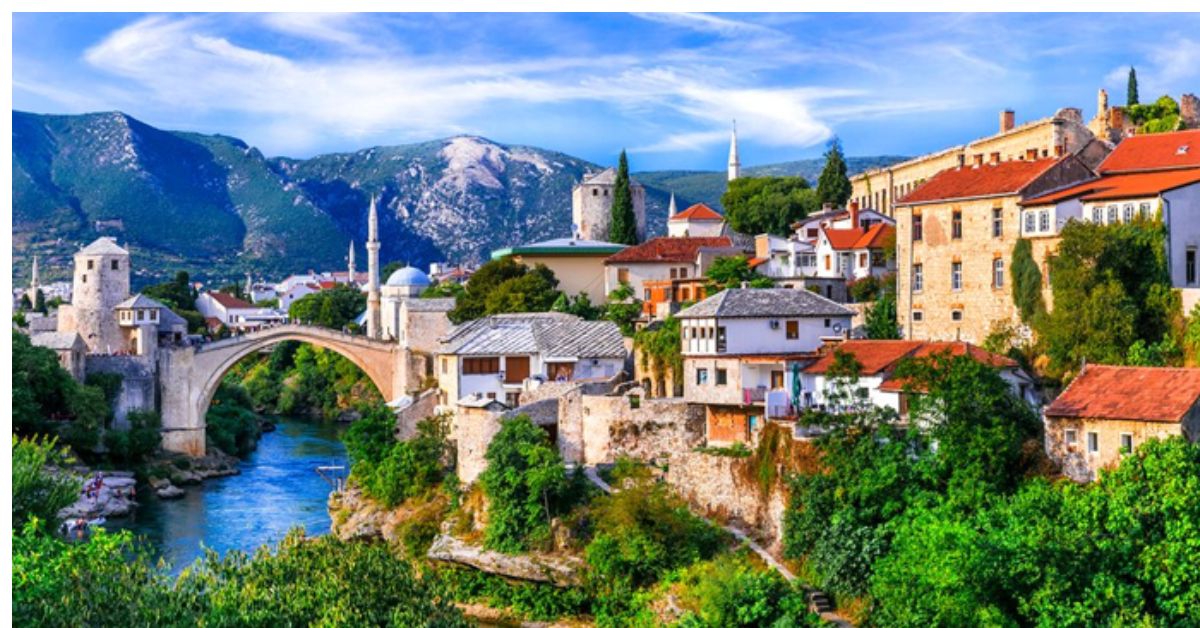
Europe doesn’t have to be expensive.
While cities like Paris or London often dominate travel dreams, they also come with premium price tags. But beyond those famous capitals lies another Europe. One filled with medieval streets, cozy cafés, dramatic castles, lively nightlife, and warm local cultures, all available at surprisingly affordable prices.
If you’re searching for the cheapest European cities to visit, this guide will help you discover where your money goes the furthest. From Central Europe to the Balkans and parts of Southern Europe, these destinations offer rich experiences without draining your savings.
Whether you’re a backpacker, student, solo traveler, or budget-conscious explorer, these cities prove that unforgettable European trips don’t require luxury budgets.
Why Some European Cities Are More Affordable?
Europe is economically diverse. Western Europe generally has higher wages, stronger currencies, and heavier tourism traffic. That pushes accommodation, food, and transport costs upward.
Central and Eastern Europe, along with many Balkan countries, usually offer:
- Lower cost of living
- Cheaper accommodation
- Affordable public transport
- Budget-friendly local food
- Less tourist inflation
For travelers, that means you can enjoy beautiful architecture, fascinating history, and vibrant city life for nearly half the price of Western capitals.
What Is a Realistic Daily Budget?
In most budget-friendly European cities, travelers typically spend:
Backpacker: €20–€40 per day
Dorm beds, bakeries, walking tours, buses
Budget traveler: €40–€80 per day
Private rooms, local restaurants, museums
Comfort traveler: €80–€150 per day
Hotels, sit-down meals, attractions
Nearly every city below fits comfortably into the first two ranges.
Kraków
Kraków feels like stepping into a medieval postcard. Its cobblestone streets, Gothic churches, and lively student atmosphere make it both charming and affordable.
Why Visit Kraków
- Compact, walkable Old Town
- Very cheap traditional food
- Budget hostels and guesthouses
Top Things to Do
- Main Market Square
- Wawel Castle
- Kazimierz district
- Free walking tours
Average daily budget: €30–€55
Kraków is one of the best cities in Europe for first-time budget travelers.
Budapest
Budapest delivers grand architecture, famous thermal baths, and buzzing nightlife at prices far lower than most European capitals.
Split by the Danube River, the city blends elegance with affordability.
Why Visit Budapest
- Affordable accommodation
- Cheap and filling Hungarian meals
- World-famous thermal spas
Highlights
- Buda Castle
- Fisherman’s Bastion
- Parliament Building
- Ruin bars
Average daily budget: €35–€60
Budapest feels luxurious without the luxury cost.
Sofia
Sofia is quietly one of Europe’s cheapest capitals, offering Roman ruins, Orthodox cathedrals, and mountain views with very little tourist pressure.
Why Visit Sofia
- Extremely low food prices
- Budget-friendly accommodation
- Easy access to nearby mountains
Must-See Spots
- Alexander Nevsky Cathedral
- Vitosha Boulevard
- Vitosha Mountain
Average daily budget: €25–€45
Sofia suits travelers who enjoy authenticity and slower-paced exploration.
Belgrade
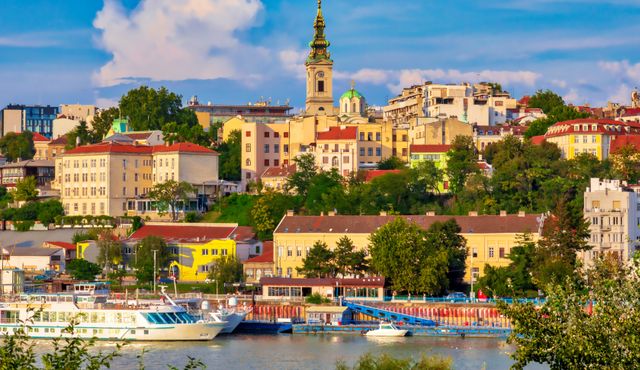
Belgrade combines deep history with legendary nightlife, all at refreshingly low prices.
Its riverside cafés and energetic social scene attract travelers looking for fun without overspending.
Why Visit Belgrade
- Cheap dining and drinks
- Walkable city center
- Vibrant nightlife
Top Experiences
- Kalemegdan Fortress
- Skadarlija district
- Knez Mihailova Street
Average daily budget: €25–€50
Belgrade is perfect for culture lovers and night owls.
Tirana
Tirana is rapidly becoming one of Europe’s most exciting budget destinations. Colorful buildings, friendly locals, and very low daily costs make it a standout choice.
Why Visit Tirana
- Some of Europe’s cheapest prices
- Growing café and food culture
- Affordable day trips
Attractions
- Skanderbeg Square
- Bunk’Art Museum
- Dajti Mountain cable car
Average daily budget: €20–€40
Tirana offers raw Balkan charm at unbeatable prices.
Zagreb
Zagreb provides Croatian culture without coastal price tags. It’s relaxed, elegant, and easy to explore on foot.
Why Visit Zagreb
- Cheaper than Dubrovnik or Split
- Cozy café culture
- Historic Upper Town
Average daily budget: €30–€55
Zagreb works well as both a city break and a gateway to Croatia.
Porto
Porto proves that Western Europe still has affordable gems. Its riverside scenery, wine cellars, and colorful streets offer romance without inflated prices.
Why Visit Porto
- Lower costs than many Western capitals
- Affordable dining and wine
- Walkable historic center
Average daily budget: €45–€70
Porto blends beauty and value beautifully.
Sarajevo
Sarajevo is one of Europe’s most emotionally powerful and culturally rich cities. Often called the “Jerusalem of Europe,” it’s a place where mosques, churches, and synagogues stand within walking distance of each other. The city blends Ottoman heritage with Austro-Hungarian architecture, creating a unique atmosphere that feels both historic and deeply human.
What makes Sarajevo especially appealing for budget travelers is its affordability. Despite its layered history and welcoming café culture, daily expenses remain refreshingly low.
Why Visit Sarajevo
Sarajevo offers a rare mix of East and West. You can sip strong Bosnian coffee in an Ottoman-style bazaar in the morning and admire European-era buildings by afternoon. Locals are known for their warmth, often eager to share stories and recommend hidden spots.
Food is both delicious and inexpensive. Traditional dishes like ćevapi, burek, and begova čorba are widely available for just a few euros. Bakeries and small family-run restaurants provide filling meals without tourist pricing.
Things to See and Do
- Wander Baščaršija, the historic old bazaar
- Visit Latin Bridge, tied to major world history
- Explore Sarajevo Tunnel Museum
- Walk along the Miljacka River
- Enjoy panoramic views from Yellow Fortress
Much of Sarajevo’s charm comes from simply walking its streets, discovering cafés, and absorbing its resilient spirit.
Budget Breakdown
- Hostel or budget guesthouse: €8–€20
- Local meals: €3–€7
- Public transport: under €2 per ride
- Attractions: many under €5
Average daily budget: €25–€45
Sarajevo is ideal for travelers who value meaningful experiences over luxury. It’s not just a cheap destination, it’s a city that stays with you long after you leave.
Skopje
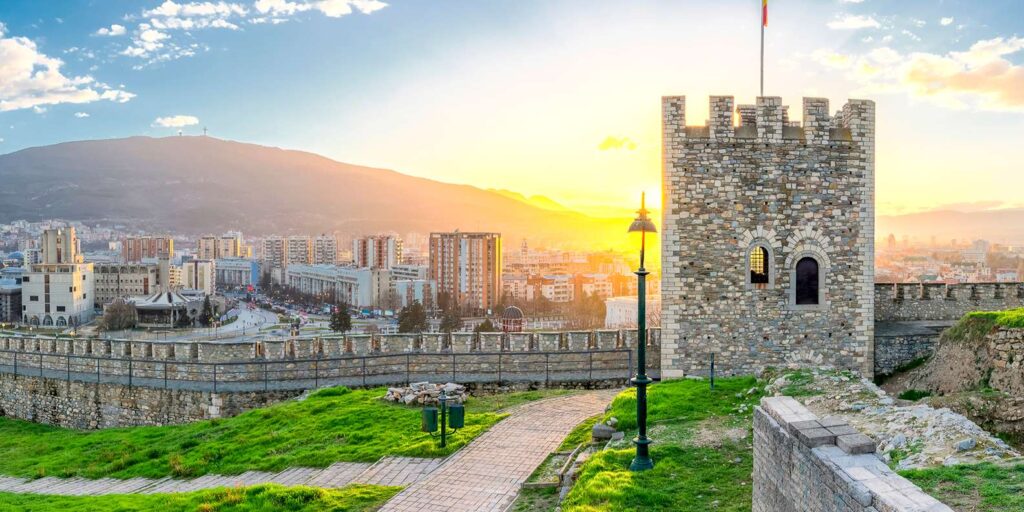
Skopje often catches travelers off guard. At first glance, its oversized statues and grand bridges feel theatrical. But spend a little time here and you’ll discover a city layered with history, Balkan character, and some of the lowest daily costs in Europe.
Set along the Vardar River, Skopje blends ancient heritage with modern reinvention. The city has rebuilt and reshaped itself over decades, creating a destination that feels unique, sometimes eccentric, but always welcoming.
Why Visit Skopje
Skopje is ideal for budget travelers who enjoy exploring places that are still off the mainstream tourist trail. Prices remain very affordable, especially compared to Western European cities.
Traditional Macedonian meals are filling and inexpensive. Dishes like tavče gravče (baked beans), grilled meats, and fresh salads are widely available for just a few euros. Coffee culture is strong here, and you can easily spend an afternoon in a riverside café without overspending.
Accommodation is equally budget-friendly, with hostels and guesthouses offering excellent value.
Things to See and Do
- Walk across the Stone Bridge connecting old and new Skopje
- Explore the Old Bazaar, one of the largest in the Balkans
- Visit Skopje Fortress (Kale) for panoramic views
- Climb Mount Vodno or take the cable car for scenic vistas
- Stroll along the Vardar River promenade
Many of Skopje’s attractions are free or very inexpensive, making it easy to fill your days without constantly checking your wallet.
Budget Breakdown
- Hostel or guesthouse: €7–€18
- Local meals: €3–€6
- Public transport: very affordable
- Attractions: mostly low-cost or free
Average daily budget: €20–€40
Skopje is perfect for travelers seeking culture, history, and Balkan hospitality without spending much at all.
How to Travel Europe Cheap
Traveling Europe on a budget isn’t about sacrificing comfort or missing out on experiences. It’s about making smart choices that stretch your money while still letting you enjoy everything from historic streets to local cuisine. With the right strategy, you can cut daily costs dramatically and travel longer for less.
Here are the most effective ways to explore Europe cheaply.
Travel During Shoulder Season
Timing matters more than most travelers realize.
Spring (April to early June) and early autumn (September to October) are known as shoulder seasons. During these months, flight prices drop, hotels offer better deals, and attractions are far less crowded compared to peak summer.
You’ll also enjoy milder weather, which makes walking tours, sightseeing, and outdoor cafés far more pleasant. Traveling outside July and August alone can reduce accommodation costs by 30–40 percent in many cities. If flexibility is an option, choosing shoulder season is one of the easiest ways to save money.
Use Buses and Budget Airlines
Transportation is often one of the biggest expenses in Europe, but it doesn’t have to be.
Intercity buses are frequently much cheaper than trains, especially for shorter routes between neighboring countries. Overnight buses can also double as accommodation, saving you a night’s stay.
Budget airlines connect most European cities with surprisingly low fares if booked early. While trains are scenic and comfortable, they’re not always the most economical choice. Mixing buses, low-cost flights, and occasional train rides gives you flexibility and helps keep travel expenses under control.
Eat Like Locals
Food is where many travelers overspend without realizing it.
Avoid restaurants located directly beside major attractions, as these are usually priced for tourists. Instead, walk a few streets away and look for places filled with locals.
Markets, bakeries, and family-run restaurants offer authentic meals at a fraction of the cost. Many European cities also have affordable lunch specials, where you can enjoy a full meal for much less than dinner prices. Buying breakfast from a bakery and saving restaurant visits for dinner is another simple way to balance your budget.
Not only is this approach cheaper, it often leads to better food experiences.
Stay Slightly Outside City Centers
Location has a huge impact on accommodation prices.
Staying directly in historic centers can double your hotel or hostel costs. Instead, look for neighborhoods just outside the main tourist zones. Most European cities have excellent public transport, so a short tram or metro ride can put you right back in the heart of town.
This small compromise often results in quieter surroundings, more authentic neighborhoods, and significant savings. Many travelers find that staying 10–15 minutes from the center offers the best balance between convenience and affordability.
Walk Whenever Possible
One of Europe’s greatest advantages is how walkable its cities are.
Historic districts are compact, attractions are close together, and pedestrian-friendly streets make exploring on foot easy. Walking not only saves money on transport, it also allows you to discover hidden cafés, street art, small parks, and local shops you’d otherwise miss.
Free walking tours are also available in many cities and provide an excellent introduction to local history and culture for just a small tip.
Read Must:
- Top Beaches and Resorts to See in Vanuatu
- Explore the Most Beautiful Spots in Switzerland
- Top Family-Friendly Destinations for Every Traveler
Final Thoughts:
Europe doesn’t have to be expensive.
By choosing cities like Kraków, Budapest, Sofia, Belgrade, Tirana, Zagreb, Porto, Sarajevo, and Skopje, you can enjoy stunning architecture, rich history, lively nightlife, and unforgettable food without overspending.
These destinations prove that budget travel in Europe is not only possible, it’s deeply rewarding.
Travel smart, stay curious, and let your money take you further than you imagined.