

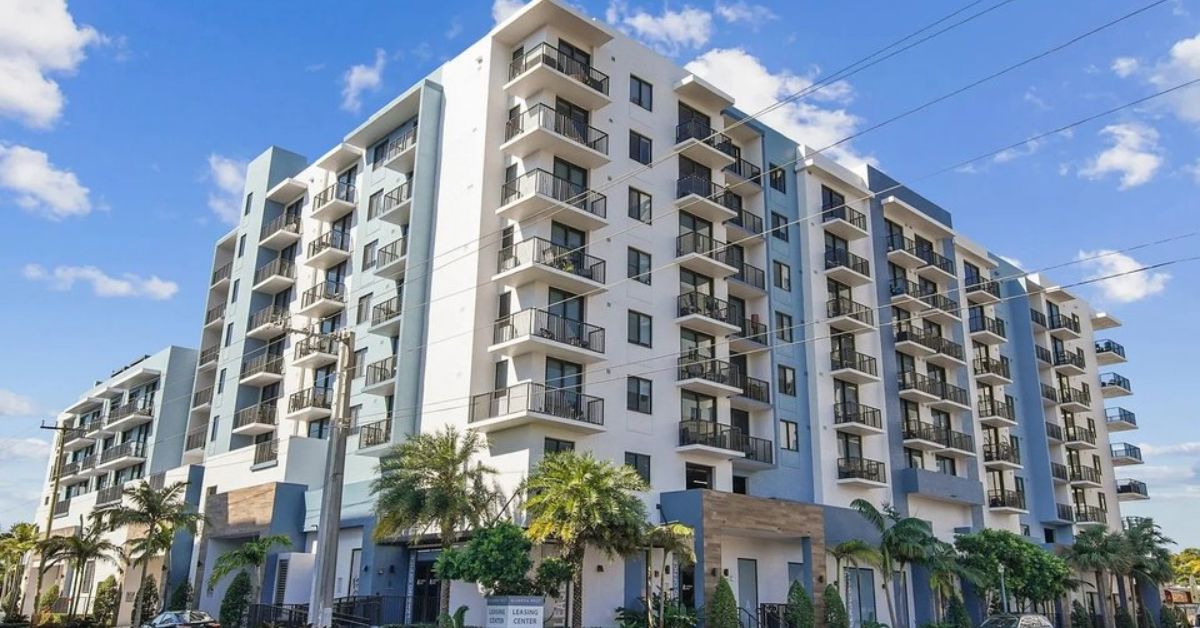

- Wide range of apartment options
- Prime neighbourhoods across Miami
- Flexible rentals for all budgets
- Modern amenities and locations
Finding the right apartments for rent Miami is about more than just price. Location, comfort, amenities, and long-term value all play an important role. Miami continues to attract renters from across the US and abroad due to its climate, career opportunities, and lifestyle appeal.
This guide explains how to book the best apartments for rent in Miami right now using a clear, step-by-step approach. You will learn about apartment types, popular areas, costs, application requirements, and smart booking tips. Every section is written to be practical, readable, and easy to act on.
Why Miami Is Ideal for Renters?
Miami stands out as a rental city because it blends urban living with coastal comfort. Renters enjoy year-round sunshine, strong employment sectors, and a wide choice of residential areas.
Miami continues to grow as a lifestyle and business hub, making rental demand strong but manageable with the right planning.
Key reasons renters choose Miami:
- Diverse neighbourhoods for every lifestyle
- Strong job market across multiple industries
- Beach, city, and suburban living options
- Growing public transport and infrastructure
- Year-round warm climate
Understanding the Miami Rental Market
The Miami rental market moves steadily throughout the year, with noticeable peaks during relocation seasons. Knowing how the market works helps renters avoid pressure decisions.
Most apartments for rent in Miami are listed one to two months before availability. Well-priced units in popular areas attract attention quickly, while less central areas offer more flexibility.
What defines the Miami rental market:
- Listings remain active longer than ultra-competitive cities
- Seasonal demand affects pricing
- Short-term and long-term rentals coexist
- Negotiation is sometimes possible
Types of Apartments for Rent in Miami
Miami offers a wide range of apartment styles to suit different budgets and living preferences. Understanding each type helps narrow your search.
Studio Apartments
Studios are compact and efficient, ideal for single renters who value location.
Best suited for:
- Professionals
- Students
- Short-term renters
One-Bedroom Apartments
One-bedroom units provide privacy and better space balance.
Advantages include:
- Separate sleeping area
- More storage
- Better work-from-home setup
Two-Bedroom Apartments
These apartments are popular with families and roommates.
Why renters choose them:
- Shared costs reduce rent burden
- Extra room for office or guests
- Long-term living comfort
Luxury Apartments
Luxury apartments for rent in Miami focus on lifestyle and convenience.
Common features:
- Swimming pools and gyms
- Security and concierge services
- Modern interiors and views
Popular Areas for Apartments for Rent in Miami
Each Miami neighbourhood offers a different living experience. Choosing the right area depends on budget, commute, and lifestyle goals.
Downtown Miami
Downtown Miami is ideal for renters who enjoy a fast-paced urban lifestyle with everything close by. Apartments here are mostly modern high-rises offering city or bay views. The area provides easy access to offices, public transport, shopping centres, and dining spots. Daily life feels efficient and energetic, making Downtown Miami a strong choice for professionals who value convenience and shorter commute times.
Brickell
Brickell is popular with professionals and remote workers seeking modern living in a stylish environment. The area features luxury apartment buildings, walkable streets, and excellent dining options. Many renters choose Brickell for its vibrant nightlife, business-friendly atmosphere, and proximity to offices. It offers a balanced mix of work, social life, and comfort within a compact, well-connected neighbourhood.
Miami Beach
Miami Beach appeals to renters who prioritise lifestyle and scenery. Apartments range from historic buildings to modern beachfront properties, offering unique character and ocean views. Residents enjoy direct beach access, outdoor activities, and a relaxed coastal atmosphere. While rent can be higher, many renters feel the lifestyle benefits and surroundings justify the cost for long-term enjoyment.
Coral Gables
Coral Gables offers a quieter and more residential living experience compared to central Miami areas. The neighbourhood is known for tree-lined streets, schools, and local shopping areas. It suits families and long-term renters who prefer calm surroundings and a slower daily pace. Apartments here provide comfort, space, and a strong sense of community living.
Little Havana
Little Havana provides strong value and cultural character for renters. Apartments in this area are often more affordable than central locations while still offering good access to the city. The neighbourhood features a close-knit community, local dining, and growing transport connections. Many renters choose Little Havana for its lively atmosphere and improving rental opportunities.
Average Cost of Apartments for Rent in Miami

Pricing varies widely across Miami, depending on location and apartment type. Understanding cost ranges helps set realistic expectations.
Typical Rent Comparison Table
| Apartment Type | Average Monthly Range | Best For |
|---|---|---|
| Studio | Lower range | Singles, students |
| One-bedroom | Mid range | Couples, professionals |
| Two-bedroom | Higher mid range | Families, roommates |
| Luxury units | Premium range | Lifestyle-focused renters |
Other costs to consider:
- Utilities and internet
- Parking fees
- Renters’ insurance
- Security deposits
What Landlords Expect From Renters?
Landlords in Miami usually follow standard screening rules. Being prepared increases approval chances.
Common requirements include:
- Proof of income
- Valid identification
- Credit history check
- Previous rental references
Many landlords expect renters to earn around three times the monthly rent. Guarantors may be accepted for students or new residents.
How to Book Apartments for Rent in Miami?
Booking an apartment is easier when broken into simple steps.
1: Set a Clear Budget
Before searching for apartments for rent in Miami, define a realistic monthly budget. Include base rent, utilities, internet, parking, and daily living costs. Leaving room for unexpected expenses helps avoid financial stress and ensures the apartment remains affordable throughout the lease period.
2: Choose Preferred Areas
Focus your search on two or three Miami neighbourhoods that match your lifestyle and commute needs. Narrowing locations saves time, improves decision-making, and helps you compare apartments more effectively. Consider transport access, safety, nearby services, and overall living atmosphere.
3: Prepare Documents Early
Miami apartments often require fast applications, so preparation matters. Keep proof of income, identification, bank statements, and references ready in advance. Having documents organised allows you to apply immediately, improving approval chances when you find the right apartment.
4: Attend Viewings
Whenever possible, visit apartments in person instead of relying only on photos. Viewings reveal true space size, noise levels, building condition, and neighbourhood feel. This step helps avoid surprises and ensures the apartment meets your expectations before committing.
5: Apply Without Delay
Well-priced apartments for rent in Miami attract attention quickly. Once you find a suitable option, apply without hesitation. Delaying even a day can result in losing the listing. Acting promptly shows seriousness and increases your chances of securing the apartment.
Furnished vs Unfurnished Apartments
Choosing between furnished and unfurnished apartments depends on your stay duration and flexibility.
Furnished apartments:
- Higher monthly rent
- Ideal for short stays
- Minimal setup required
Unfurnished apartments:
- Lower long-term cost
- Personalisation freedom
- Better for permanent moves
Short-Term and Long-Term Rentals in Miami
Miami supports both rental styles, each with different benefits.
Short-term rentals:
- Flexible lease terms
- Higher monthly cost
- Often fully furnished
Long-term rentals:
- Better overall value
- Stable housing
- One-year lease standard
Common Mistakes Renters Should Avoid
Many renters lose good opportunities due to avoidable mistakes.
Mistakes to watch for:
- Waiting too long to apply
- Ignoring transport costs
- Skipping lease review
- Relying only on photos
Being informed reduces stress and improves outcomes.
Tips to Find the Best Value Apartments
Finding value is about balance, not just low rent.
Smart renter strategies:
- Be flexible with move-in dates
- Explore emerging neighbourhoods
- Choose older but well-maintained buildings
- Compare total living costs
Safety and Lifestyle Considerations
Comfort and safety affect daily living quality. Always research before committing.
Things to check:
- Street lighting and access
- Noise levels
- Parking availability
- Nearby shops and services
Must Read:
FAQs:
What documents are needed to rent an apartment in Miami?
Most landlords ask for proof of income, valid photo identification, recent bank statements, and rental references. Some may also check credit history. If income requirements are not met, a guarantor may be accepted. Having documents ready helps speed up approval.
How much income is required to rent apartments in Miami?
Landlords typically expect tenants to earn at least three times the monthly rent. For example, a $2,000 apartment usually requires $6,000 in monthly income. This rule helps landlords ensure renters can manage payments consistently throughout the lease.
Are utilities usually included in Miami apartment rent?
Utilities are not always included with apartments for rent in Miami. Some buildings cover water or trash, while electricity, internet, and parking are often separate. Always confirm utility costs in advance to avoid unexpected monthly expenses after moving in.
Is it better to rent furnished or unfurnished apartments in Miami?
Furnished apartments suit short-term stays and relocations, offering convenience with higher rent. Unfurnished apartments are better for long-term renters, allowing personalisation and lower monthly costs. The best choice depends on budget, stay duration, and furniture needs.
How long does it take to secure an apartment in Miami?
The process can take anywhere from a few days to two weeks. Once approved, renters usually move in quickly. Well-prepared applicants with documents ready often secure apartments faster, especially in popular neighbourhoods with strong rental demand.
When is the best time to find apartments for rent in Miami?
Late summer and early autumn often offer better rental deals due to lower demand. Winter and spring can be more competitive because of seasonal residents. Flexible move-in dates increase chances of finding better pricing and more apartment options.
Final Thoughts:
Booking the best apartments for rent in Miami becomes easier with planning, structure, and realistic expectations. Miami offers apartments for every lifestyle, from beachside living to quiet residential comfort.
By understanding apartment types, areas, costs, and booking steps, renters can make confident decisions without pressure. The right apartment is not just about location, but about how well it fits your daily life.