
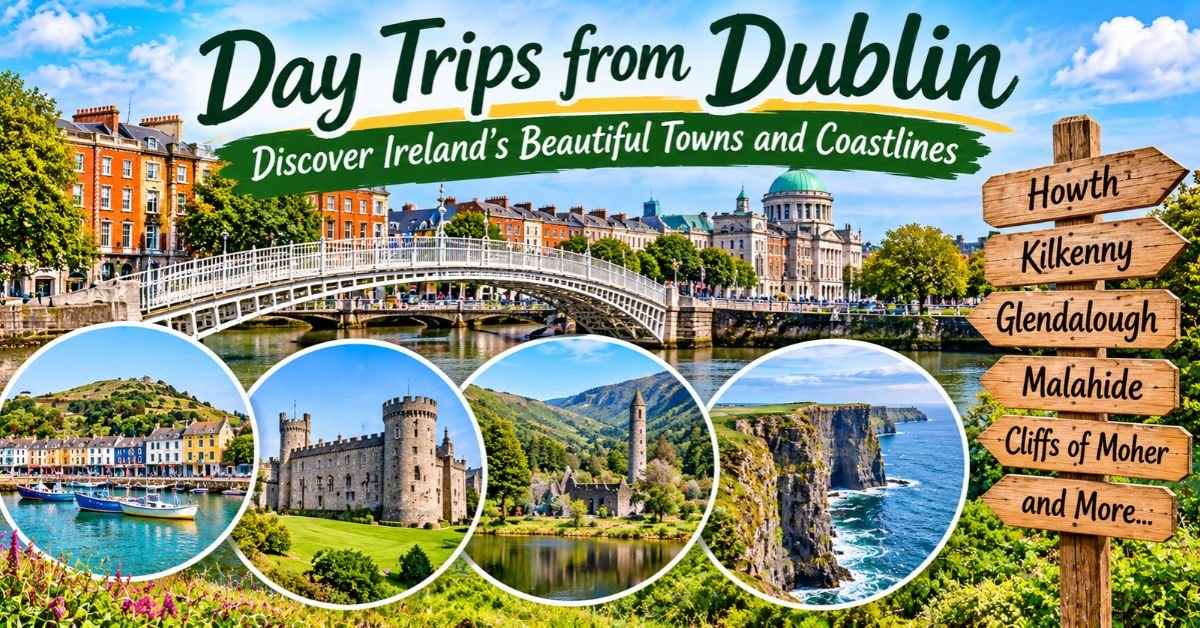
Dublin is a fantastic destination for travellers who want to experience Ireland’s history, culture, and natural beauty. The capital has plenty to offer, including historic buildings, traditional pubs, museums, shopping streets, and beautiful parks. However, some of Ireland’s most memorable places are located just outside the city.
From charming seaside villages and medieval towns to ancient castles, peaceful lakes, dramatic cliffs, and green countryside, there are many incredible day trips from Dublin ireland worth adding to your itinerary. You can enjoy a coastal walk in Howth, explore the historic streets of Kilkenny, visit the ancient monument at Newgrange, or experience the mountain scenery of Glendalough.
Many destinations are accessible by train, bus, or organised tour, making it possible to explore Ireland without renting a car. Others are easier to reach by road, particularly if you want to visit several countryside attractions in one day.
Whether you are travelling alone, with family, or with friends, these destinations offer something different from the busy atmosphere of Dublin.
1. Howth: A Beautiful Coastal Village
Approximate journey: 30 minutes by DART train
Howth is one of the easiest and most popular day trips from Dublin. Located on a peninsula north of the city, this charming fishing village is famous for its harbour, seafood restaurants, coastal scenery, and walking trails.
Start your visit at Howth Harbour, where fishing boats and sailing vessels create a traditional seaside atmosphere. You may also spot seals near the boats. The village has several cafés and restaurants where you can enjoy fresh seafood after exploring the waterfront.
One of the main attractions is the Howth Cliff Walk. The walking routes offer beautiful views across Dublin Bay and the Irish Sea. Depending on your fitness level and available time, you can choose a shorter route or a longer coastal walk.
Howth is particularly attractive during spring and summer when the weather is suitable for outdoor activities. However, the coastline is beautiful throughout the year. Bring a waterproof jacket because the weather can change quickly.
Best for: Coastal walks, seafood, photography, and relaxed afternoons.
2. Bray: Beaches and Mountain Views
Approximate journey: 45 minutes by DART train
Bray is a traditional seaside town in County Wicklow, making it a convenient escape from Dublin. Its promenade, pebble beach, cafés, and mountain scenery make it a popular destination for a relaxing day outdoors.
One of the main attractions is Bray Head, a hill overlooking the town and coastline. The walk to the summit rewards visitors with impressive views of the Irish Sea and surrounding countryside. Some sections are steep, so comfortable walking shoes are recommended.
After exploring Bray Head, spend some time along the seafront. You can enjoy a coffee, visit local shops, or simply watch the waves from the promenade.
Bray is also a good destination for families because visitors can enjoy the beach, restaurants, and open spaces without following a complicated sightseeing schedule.
If you enjoy walking and outdoor activities, consider combining Bray with nearby coastal attractions, provided you have enough time. Check local walking-route conditions before planning a longer hike.
Best for: Beach walks, hiking, sea views, and family outings.
3. Glendalough: Ireland’s Beautiful Monastic Valley
Approximate journey: Around 1.5 to 2 hours by road or dedicated bus
Glendalough is one of the most memorable countryside day trips from Dublin. Located in the Wicklow Mountains, this peaceful valley is famous for its ancient monastic settlement, mountain landscapes, and two beautiful lakes.
The historic monastic site dates back to the sixth century and includes a distinctive round tower, stone churches, and atmospheric ruins. Walking around the settlement provides an introduction to Ireland’s religious and cultural history.
Nature lovers can explore the trails around the Upper and Lower Lakes. Some routes are relatively easy, while others involve longer walks and uneven ground. The scenery changes throughout the year, with green hills, woodland, and reflective water creating excellent photography opportunities.
Glendalough is particularly popular with hikers and visitors who want to experience Ireland’s countryside. You can spend the day walking beside the lakes, exploring historic ruins, and enjoying the peaceful surroundings.
Public transport options are more limited than those serving Dublin’s coastal towns, so check the return schedule carefully. An organised tour or rental car can make the journey easier.
Best for: History, hiking, photography, and nature lovers.
4. Kilkenny: Medieval Streets and Historic Castles
Approximate journey: Around 1.5 to 2 hours by train or road
Kilkenny is one of Ireland’s most attractive historic towns. Known for medieval architecture, traditional pubs, and a lively arts scene, it offers a wonderful change of pace from Dublin.
The highlight is Kilkenny Castle, a historic building surrounded by landscaped gardens. Visitors can explore the castle and learn about the families who shaped its history. The grounds are also a pleasant place to walk and relax.
Stroll along the Medieval Mile, a route connecting several important historic landmarks. Along the way, you can visit St Canice’s Cathedral, browse independent shops, and stop at traditional Irish pubs.
Kilkenny is compact enough to explore on foot, making it a convenient destination for visitors who enjoy architecture and history. Its restaurants, cafés, and cultural attractions also make it a good choice for a full-day excursion.
If you enjoy exploring historic European towns, Kilkenny deserves a place on your Dublin itinerary. Direct train services from Dublin make it a practical option for travellers who prefer public transport.
Best for: Medieval history, castles, culture, and traditional Irish pubs.
5. Malahide: A Castle and Charming Seaside Setting
Approximate journey: 25 to 40 minutes by train or DART
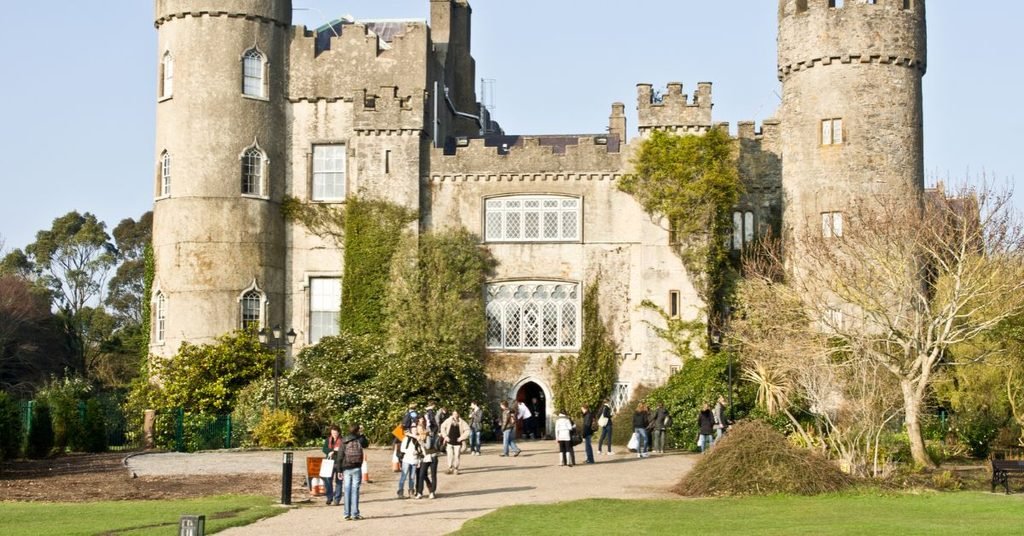
Malahide is a charming coastal town north of Dublin, known for its historic castle, beautiful gardens, marina, and relaxed atmosphere.
Malahide Castle is the town’s main attraction. Set within extensive parkland, it has a long history and offers guided experiences that introduce visitors to its architecture and former residents. The gardens are particularly enjoyable during warmer months.
After visiting the castle, walk towards Malahide Marina or explore the village centre. The area has restaurants, cafés, and independent shops, making it easy to spend several hours here.
Because Malahide is connected to Dublin by train, it is a practical choice for travellers who prefer not to rent a car. You can also combine the visit with nearby coastal areas if you have enough time.
Malahide is an excellent option for visitors who want a mixture of history, gardens, and seaside scenery without travelling far from the capital.
Best for: Castles, gardens, coastal scenery, and easy transport.
6. Portmarnock: Sandy Beaches and Sea Views
Approximate journey: Around 30 to 40 minutes by public transport
Portmarnock is a lovely seaside destination known for its wide sandy beach, often called the Velvet Strand. It offers a quieter coastal experience than some of Dublin’s busier attractions.
The beach is popular for long walks, sea views, and water sports when conditions allow. On a clear day, you can enjoy views towards Howth Head and the surrounding coastline.
Portmarnock is also known for its golf links, which attract golfers from Ireland and abroad. Even if golf is not part of your plans, the coastal setting makes this area worth considering.
You can spend a few hours walking along the beach, enjoying the fresh air, and taking photographs of the coastline. Local cafés and nearby facilities make it convenient for a relaxed visit.
Bring a jacket because the wind can be strong along the beach, even when the weather seems pleasant in Dublin.
Best for: Sandy beaches, golf, coastal walks, and peaceful scenery.
7. Newgrange: Explore Ireland’s Ancient Past
Approximate journey: Around 1 hour by road
Newgrange is one of Ireland’s most important prehistoric sites and a fascinating destination for anyone interested in ancient history. Located in County Meath, it forms part of the Brú na Bóinne UNESCO World Heritage Site.
The monument is a large passage tomb built thousands of years ago. Its entrance is decorated with carved stones, including distinctive spiral designs. The structure demonstrates the impressive building skills and astronomical knowledge of the people who created it.
A guided visit explains how the monument was constructed and its possible ceremonial significance. Newgrange is particularly famous for its connection to the winter solstice, when sunlight can enter the passage and illuminate the inner chamber under specific conditions.
Visits are managed through the official visitor arrangements, and advance booking is recommended because access is controlled.
Newgrange is a rewarding destination for travellers who want to understand Ireland’s ancient past. You can also explore other historical sites in County Meath if you have a car or join a suitable guided tour.
Best for: Archaeology, ancient history, and cultural experiences.
8. Wicklow Town: History and Coastal Charm
Approximate journey: Around 1 hour by train or road
Wicklow Town offers a combination of coastal scenery, historic landmarks, and a relaxed small-town atmosphere. Located south of Dublin, it is a good choice for visitors who want to experience another side of Ireland without travelling too far.
One of its best-known landmarks is Black Castle, a ruined medieval fortification overlooking the sea. The surrounding area provides attractive coastal views and a sense of the town’s historic importance.
You can also explore the harbour, walk through the town centre, and enjoy a meal at a local restaurant. The town has a friendly atmosphere and is suitable for visitors who prefer a slower sightseeing experience.
If you have a car, Wicklow Town can be combined with other destinations in County Wicklow, depending on your schedule. Glendalough and the surrounding countryside are popular additions, although visiting several locations in one day requires an early start.
Best for: Coastal history, relaxed sightseeing, and short breaks from Dublin.
9. Dalkey and Killiney: Historic Villages and Panoramic Views
Approximate journey: Around 30 minutes by DART train
Dalkey and nearby Killiney offer a lovely combination of village charm, historic attractions, and scenic walking routes. Located south of Dublin, both destinations are easy to reach by public transport.
Dalkey is known for its historic streets, independent shops, cafés, and Dalkey Castle and Heritage Centre. The castle provides an introduction to the area’s medieval past and local history.
For beautiful views, head towards Killiney Hill. The walking paths lead through green surroundings and offer panoramic views across Dublin Bay and the Irish Sea. On a clear day, the scenery is particularly impressive.
You can explore both places in one day because they are close to each other and connected by public transport. Start with Dalkey village, enjoy lunch at a local café, and then spend the afternoon walking around Killiney Hill.
Best for: Historic villages, scenic walks, cafés, and photography.
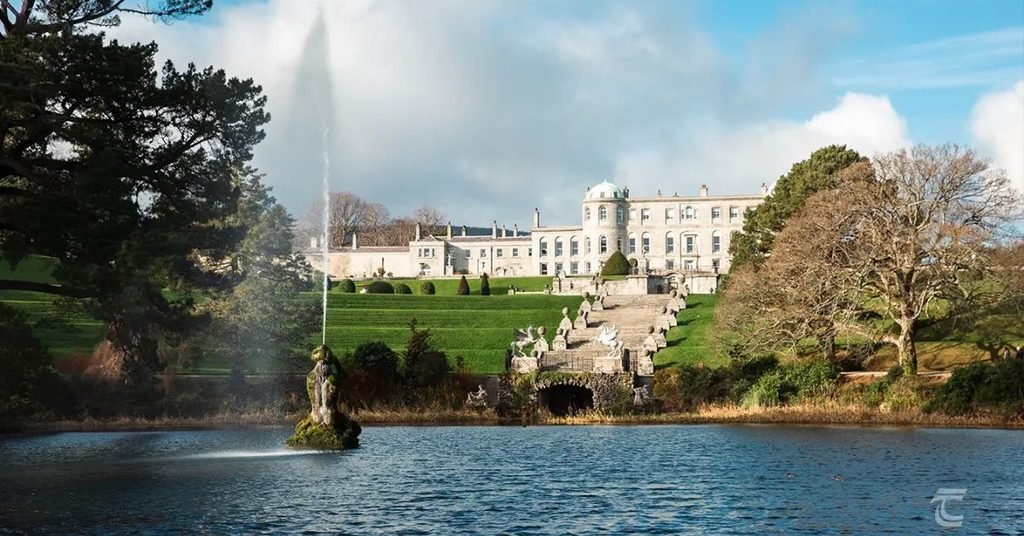
10. Powerscourt and Enniskerry: Gardens and Countryside Beauty
Approximate journey: Around 45 minutes to 1 hour by road
Powerscourt and Enniskerry are excellent choices for travellers who want to enjoy Ireland’s countryside without going too far from Dublin.
The main attraction is Powerscourt Estate, famous for its landscaped gardens, mountain views, and historic house. The gardens feature formal terraces, ornamental lakes, sculptures, and carefully maintained green spaces.
Nearby Enniskerry is a picturesque village with traditional architecture, small shops, and cafés. It is a pleasant place to stop for lunch or enjoy a relaxed walk.
Powerscourt Waterfall is another popular attraction in the area, although it has separate access arrangements. Check opening times and transport options before combining the estate, waterfall, and village in one visit.
The area is especially attractive during spring and summer when the gardens are colourful and the surrounding countryside is green.
Best for: Gardens, countryside scenery, photography, and peaceful escapes.
11. Wexford: Beaches and Historic Attractions
Approximate journey: Around 2 hours by train or road
Wexford is a historic town in Ireland’s southeast, known for its maritime atmosphere, cultural events, and nearby beaches.
The town centre has narrow streets, independent shops, cafés, and historic buildings. Visitors interested in local history can explore its heritage attractions and learn about the region’s past.
One of the area’s most attractive coastal destinations is Curracloe Beach. Its long stretch of sand and surrounding dunes make it a wonderful place for walking and enjoying the sea.
Wexford is also known for its cultural life, including the annual Wexford Festival Opera. If your visit coincides with the festival, you may have an opportunity to experience one of Ireland’s important cultural events.
Wexford is farther from Dublin than some other destinations, so an early start is useful. It is a good option for travellers who want to spend a full day exploring Ireland’s southeast.
Best for: Beaches, history, seaside walks, and local culture.
12. Trim: Visit One of Ireland’s Most Impressive Castles
Approximate journey: Around 1 hour by road
Trim is a historic town in County Meath, best known for Trim Castle, one of the largest Norman castles in Ireland.
The castle stands beside the River Boyne and is an impressive example of medieval military architecture. Visitors can explore the grounds and join guided tours when available.
The town itself is worth exploring, with historic streets, riverside walks, and a relaxed atmosphere. Trim also makes a useful base for visiting other heritage sites in County Meath, although combining several attractions requires careful planning.
History enthusiasts will appreciate the architecture and the opportunity to learn about Ireland’s medieval past. The riverside setting also makes Trim an attractive destination for photography.
If you are planning a day trip from Dublin, check transport connections in advance, as travelling by car or joining an organised tour may be more convenient than relying on limited public transport.
Best for: Castles, medieval history, architecture, and photography.
13. Dún Laoghaire: Harbour Walks and Seaside Relaxation
Approximate journey: Around 20 to 25 minutes by DART train
Dún Laoghaire is a popular seaside town just south of Dublin. Its harbour, long piers, cafés, and coastal atmosphere make it one of the easiest places to visit on a short trip.
The East Pier is a favourite walking spot, offering views of the harbour and the Irish Sea. You can watch boats entering and leaving the marina or simply enjoy the fresh sea air.
The town also has a range of cafés, restaurants, and shops. The National Maritime Museum of Ireland is another interesting stop for visitors who want to learn about the country’s relationship with the sea.
You can spend a relaxed afternoon exploring the waterfront without needing a packed itinerary. Dún Laoghaire is particularly suitable for families, couples, and travellers who want a simple excursion without a long journey.
Best for: Harbour walks, relaxed sightseeing, cafés, and sea views.
14. Belfast: Discover Northern Ireland’s History and Culture
Approximate journey: Around 2 to 2.5 hours by train or road
Belfast is a larger and more ambitious day trip from Dublin, but it can be rewarding if you start early. Located in Northern Ireland, the city is known for its industrial history, cultural attractions, and vibrant food scene.
One of the main highlights is Titanic Belfast, an interactive visitor attraction dedicated to the story of the famous ship and the city’s shipbuilding heritage.
You can also explore the Cathedral Quarter, visit historic buildings, and learn about Belfast’s complex political history through museums and guided tours. The city has a distinctive atmosphere that makes it different from Dublin.
Belfast is accessible by Enterprise train from Dublin Connolly. Travellers should check departure and return times before booking. Remember that Northern Ireland is part of the United Kingdom, so check travel requirements, mobile roaming arrangements, and currency before your visit.
Best for: History, museums, architecture, and city culture.
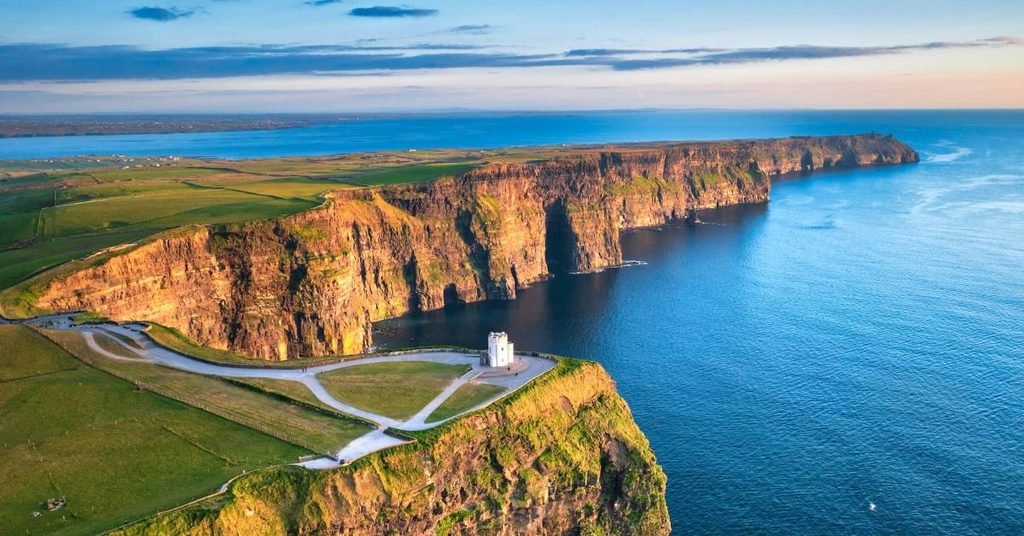
15. Cliffs of Moher: Ireland’s Dramatic Atlantic Coast
Approximate journey: Around 3 hours each way by road
The Cliffs of Moher are among Ireland’s most famous natural attractions. Located in County Clare on the west coast, these towering cliffs rise above the Atlantic Ocean and provide some of the country’s most spectacular coastal views.
Visitors can follow designated paths, admire the ocean scenery, and explore the visitor centre. On clear days, the views across the Atlantic are impressive, while changing weather can create a dramatic atmosphere.
The cliffs are a popular destination for nature lovers and photographers. You can spend time enjoying the scenery, learning about the local environment, and exploring the designated visitor areas.
Although the Cliffs of Moher are an unforgettable destination, reaching them from Dublin involves a long journey. An organised coach tour is often the simplest option for visitors who want to see them in one day. However, spending a night in western Ireland is a more relaxed choice if your schedule allows.
Best for: Dramatic landscapes, coastal photography, and nature lovers.
Best Day Trips from Dublin at a Glance
If you are unsure which destination to choose, this comparison can help you plan your itinerary.
| Destination | Approximate journey | Best experience |
|---|---|---|
| Howth | 30 minutes | Coastal walks and seafood |
| Bray | 45 minutes | Beach and mountain views |
| Glendalough | 1.5 to 2 hours | Lakes and monastic history |
| Kilkenny | 1.5 to 2 hours | Medieval streets and castle |
| Malahide | 25 to 40 minutes | Castle and gardens |
| Portmarnock | 30 to 40 minutes | Sandy beach |
| Newgrange | Around 1 hour | Prehistoric heritage |
| Wicklow Town | Around 1 hour | Harbour and coastal history |
| Dalkey and Killiney | Around 30 minutes | Village and scenic walks |
| Powerscourt | 45 minutes to 1 hour | Gardens and countryside |
| Wexford | Around 2 hours | Beaches and history |
| Trim | Around 1 hour | Norman castle |
| Dún Laoghaire | 20 to 25 minutes | Harbour and promenade |
| Belfast | 2 to 2.5 hours | Museums and city history |
| Cliffs of Moher | Around 3 hours each way | Dramatic coastal scenery |
Journey times are approximate and depend on your departure point, transport service, traffic, and route.
How to Choose the Best Day Trips from Dublin
The best destination depends on your interests, available time, budget, and preferred way of travelling.
For Coastal Scenery
Choose Howth, Bray, Portmarnock, Dún Laoghaire, or Dalkey. These destinations are particularly convenient if you want sea views without spending several hours travelling.
Howth is ideal for walking and seafood, while Bray offers a combination of beach scenery and mountain views. Dún Laoghaire is a good option for a relaxed harbour visit.
For History and Castles
Kilkenny, Newgrange, Trim, and Malahide are excellent options. Each offers a different perspective on Ireland’s history, from prehistoric monuments to medieval architecture.
Kilkenny is particularly suitable for exploring historic streets, while Newgrange provides a fascinating look at Ireland’s ancient past.
For Nature and Hiking
Glendalough, the Wicklow Mountains, and Howth are strong choices. They offer walking trails, beautiful landscapes, and opportunities to spend time outdoors.
If you prefer mountain scenery and lakes, choose Glendalough. For coastal walks closer to Dublin, Howth is an excellent alternative.
For Gardens and Countryside
Powerscourt and Enniskerry are ideal for travellers who enjoy landscaped gardens, peaceful villages, and beautiful countryside.
Kildare is another option if you are interested in gardens and Ireland’s horse-breeding heritage.
For a Full-Day Adventure
Belfast, Wexford, and the Cliffs of Moher require more planning. Start early, check transport schedules, and avoid trying to combine too many attractions in one day.
How to Travel on Day Trips from Dublin
Dublin has several transport options that make exploring the surrounding region relatively easy.
- DART: Useful for coastal destinations such as Howth, Malahide, Bray, Dún Laoghaire, and Dalkey.
- Intercity trains: Connect Dublin with destinations such as Kilkenny and Belfast.
- Local and regional buses: Useful for towns and selected countryside destinations.
- Organised tours: Convenient for places such as Glendalough, Newgrange, and the Cliffs of Moher.
- Rental cars: Provide greater flexibility for exploring rural areas and combining nearby attractions.
Always check current departure times and return services before travelling. Some rural routes have limited daily departures, so missing the return bus or train can create problems.
If you are visiting Ireland for the first time, public transport and organised tours can be convenient alternatives to driving. However, renting a car gives you more flexibility when exploring the countryside.
Best Time to Take Day Trips from Dublin
Ireland can be visited throughout the year, but the experience changes with the seasons.
Spring (March to May): Gardens and countryside become greener, and visitor numbers are generally more manageable than during the busiest summer period. It is a good time to visit Powerscourt, Glendalough, and historic towns.
Summer (June to August): Longer daylight hours make summer ideal for beaches, coastal walks, and countryside excursions. Popular attractions can be busy, so book important visits in advance.
Autumn (September to November): The countryside takes on beautiful seasonal colours, and many destinations become quieter after summer. It is a pleasant season for exploring historic towns and walking routes.
Winter (December to February): Coastal towns and historic cities can still be enjoyable, but shorter daylight hours and unpredictable weather require more planning. Check attraction opening times because some sites may have reduced seasonal hours.
Ireland’s weather can change quickly in every season. Bring waterproof clothing and comfortable shoes, particularly if your plans include walking.
Practical Tips for Planning Day Trips from Dublin
A little preparation can make your excursion more enjoyable and help you avoid unnecessary travel problems.
- Start early: Longer journeys need an early departure to leave enough time for sightseeing.
- Check transport: Confirm train and bus schedules before leaving Dublin.
- Book attractions: Reserve timed-entry experiences such as Newgrange in advance.
- Dress in layers: Irish weather can change throughout the day.
- Wear comfortable shoes: Many towns and coastal areas are best explored on foot.
- Carry some cash: Although cards are widely accepted, having a small amount of cash can be useful.
- Plan your return: Check the final bus or train, especially when visiting rural destinations.
- Respect nature: Stay on marked trails and follow local safety instructions around cliffs and beaches.
- Avoid overplanning: Choose one main destination or a small group of nearby attractions rather than trying to visit too many places.
FAQs:
What are the best day trips from Dublin?
Some of the best options include Howth, Glendalough, Kilkenny, Malahide, Newgrange, Bray, and Belfast. The right choice depends on whether you prefer coastal scenery, history, outdoor activities, or city experiences.
Can you take day trips from Dublin without a car?
Yes. Howth, Malahide, Bray, Dún Laoghaire, Dalkey, and Kilkenny are accessible by public transport. Dedicated buses and organised tours can also help you visit destinations such as Glendalough and Newgrange.
What is the easiest coastal day trip from Dublin?
Howth is one of the easiest choices. The DART connects Dublin with the village, where you can enjoy harbour views, seafood restaurants, and coastal walking routes.
Is Kilkenny worth visiting from Dublin?
Yes. Kilkenny is an excellent choice for anyone interested in medieval history, castles, traditional pubs, and attractive streets. Its train connection also makes it practical for a full-day excursion.
Can you visit the Cliffs of Moher from Dublin in one day?
Yes, organised coach tours make it possible, but expect a long day with several hours of travel. If you prefer a slower experience, consider staying overnight in County Clare or nearby Galway.
Must Read:
- Day Trips from Barcelona: Explore Girona, Montserrat, and More
- Day Trips from Sydney: Explore the Blue Mountains and Beyond
- Extreme Day Trips Abroad: Unforgettable Adventures Around the World
Final Thoughts:
Day trips from Dublin offer an excellent opportunity to experience more of Ireland during your stay. You can explore the coastal beauty of Howth and Bray, walk through the historic streets of Kilkenny, visit the ancient monument at Newgrange, or enjoy the mountain scenery of Glendalough.
The best part is that you do not need to travel far to experience a different side of the country. Many destinations are accessible by train, bus, or organised tour, while a rental car gives you more freedom to explore rural areas.
Choose a destination that matches your interests, check the transport arrangements, and allow enough time to enjoy the experience. Whether you prefer historic castles, peaceful beaches, dramatic cliffs, or traditional Irish towns, the areas around Dublin offer plenty of memorable places to explore.