
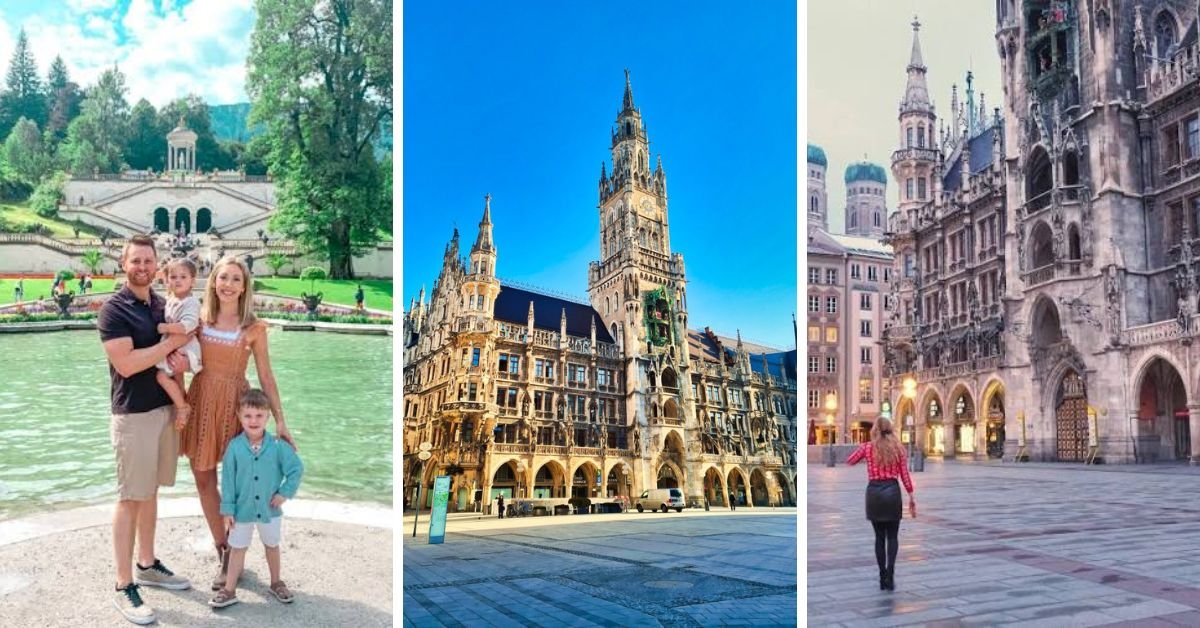
Munich is one of those European cities that manages to feel both historic and modern at the same time. As the capital of Bavaria, Munich is known for its grand palaces, historic churches, traditional beer halls, beautiful parks, world-class museums, and strong Bavarian culture. It is also a convenient base for exploring southern Germany and nearby destinations.
If you are planning to Travel to Munich, you can expect much more than the famous Oktoberfest. The city offers fascinating architecture, impressive museums, delicious food, green spaces, shopping streets, and easy access to castles and Alpine landscapes.
Whether you are visiting Munich for a weekend city break, a family vacation, a romantic getaway, or a longer European trip, this guide will help you discover the best places to visit, things to do, local food to try, neighborhoods to explore, and practical travel tips for a smooth journey.
Why Travel to Munich?
Munich has a distinctive character that makes it different from many other European cities. It combines the traditions of Bavaria with a modern urban lifestyle.
You can spend the morning admiring historic buildings in the city center, have lunch at a traditional Bavarian restaurant, visit a major art museum in the afternoon, and relax in a huge city park before enjoying dinner in the evening.
The city is also known for its clean streets, efficient public transportation, cultural attractions, and welcoming public spaces.
Some of the biggest reasons to Travel to Munich include:
- Historic architecture
- Bavarian culture
- Famous museums
- Beautiful parks
- Traditional German cuisine
- Oktoberfest
- Historic palaces
- Shopping
- Football
- Easy day trips
- Vibrant cafés and restaurants
- Proximity to the Bavarian Alps
Munich is particularly appealing to travelers who want a destination that offers both cultural experiences and outdoor adventures.
Best Time to Travel to Munich
Munich can be visited throughout the year, but each season offers a different experience.
Spring
Spring brings milder temperatures and blooming gardens. It is a pleasant time for sightseeing, walking tours, outdoor cafés, and exploring parks.
Crowds are generally more manageable than during peak summer periods, although weather can change quickly.
Summer
Summer is one of the most popular times to visit Munich. Longer daylight hours make it easier to explore attractions and enjoy outdoor activities.
You can spend time in the English Garden, relax beside lakes, visit nearby castles, or take day trips into the Bavarian countryside.
Because summer is popular, booking accommodation in advance is recommended.
Autumn
Autumn is an especially exciting season in Munich because of Oktoberfest.
The festival attracts visitors from around the world, creating an energetic atmosphere throughout the city. Even outside Oktoberfest dates, autumn can be a beautiful time to experience Bavaria’s changing landscapes.
Winter
Winter transforms Munich into a cozy destination filled with Christmas markets, seasonal decorations, warm cafés, and festive atmosphere.
If you enjoy Christmas markets and winter travel, December can be an excellent time to visit.
How Many Days Do You Need in Munich?
For a first visit, three to four days is a good starting point.
Three days gives you enough time to explore Munich’s historic center, visit major attractions, enjoy Bavarian food, and experience the city’s parks and museums.
Four or five days allow you to slow down and add a day trip.
If you have a week, you can use Munich as a base for exploring more of Bavaria.
Suggested Three-Day Munich Itinerary
Day 1: Marienplatz, Neues Rathaus, Frauenkirche, Viktualienmarkt, and the historic center.
Day 2: Nymphenburg Palace, English Garden, museums, and a traditional Bavarian dinner.
Day 3: Deutsches Museum, BMW attractions, shopping, or a day trip.
You can easily adjust this itinerary based on your interests.
Explore Marienplatz
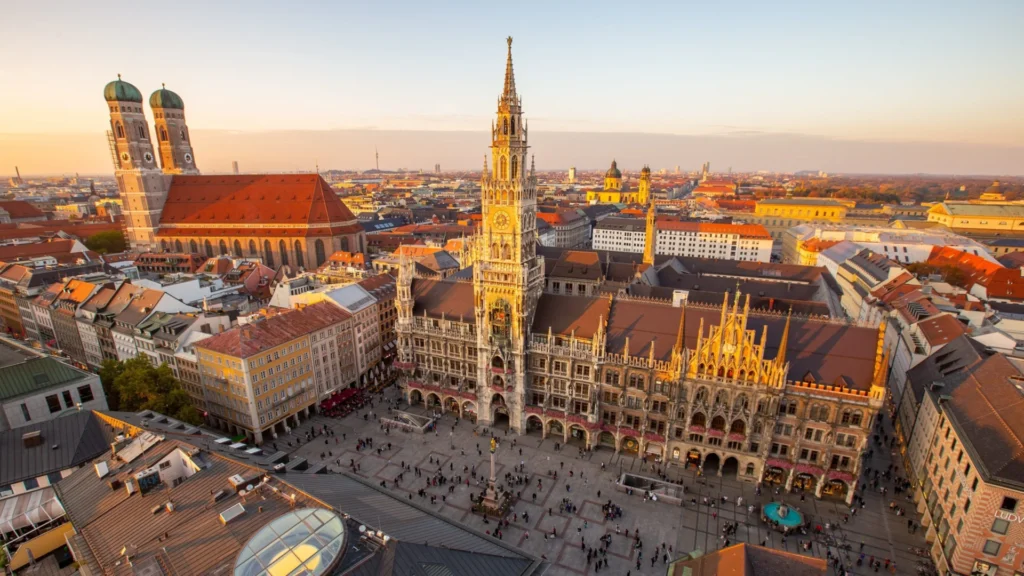
Marienplatz is the heart of Munich’s historic center and one of the first places you should visit.
The square is surrounded by historic architecture and is home to the famous Neues Rathaus, or New Town Hall.
The New Town Hall is particularly recognizable for its impressive Gothic Revival architecture and ornate façade.
One of its most famous attractions is the Glockenspiel, which features moving figures and attracts visitors throughout the day.
Marienplatz is also an excellent starting point for exploring Munich on foot.
From here, you can easily walk to historic churches, shopping streets, restaurants, markets, and other major attractions.
Visit Frauenkirche
The Frauenkirche is one of Munich’s most recognizable landmarks.
Its distinctive twin towers are an important part of the city’s skyline.
The church has deep historical and cultural significance and is located close to Marienplatz, making it easy to include during a walking tour of central Munich.
When visiting religious sites, remember to be respectful of services and local customs.
Explore the Munich Residenz
The Munich Residenz was once the royal residence of Bavarian rulers.
Today, it is a major cultural attraction where visitors can explore grand rooms, historic collections, courtyards, and elaborate interiors.
The Residenz is ideal for travelers interested in European history, architecture, art, and royal life.
Give yourself enough time to explore rather than treating it as a quick stop.
The detailed interiors and collections can take several hours to appreciate.
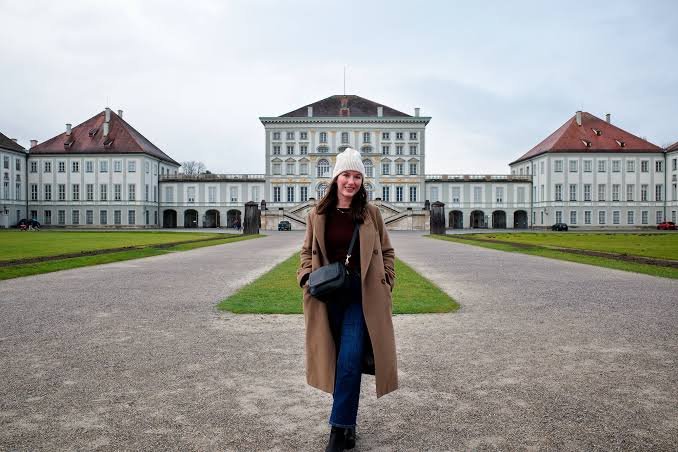
Visit Nymphenburg Palace
Nymphenburg Palace is another must-see attraction when you Travel to Munich.
The palace was developed as a summer residence for the Bavarian rulers and is surrounded by extensive gardens and parkland.
Its elegant architecture makes it one of Munich’s most impressive historic sites.
The palace grounds are particularly enjoyable during warmer months when you can combine a visit to the interior with a leisurely walk through the gardens.
If you enjoy photography, architecture, and history, Nymphenburg Palace should be high on your itinerary.
Spend Time in the English Garden
Munich’s English Garden, or Englischer Garten, is one of the city’s most famous green spaces.
It is larger than many visitors expect and offers plenty of room to walk, cycle, relax, and enjoy nature.
One of its most famous features is the Eisbachwelle, where experienced surfers ride a standing wave in the Eisbach River.
Watching the surfers can be surprisingly entertaining, particularly because the activity takes place in an urban environment.
You can also visit the Chinese Tower, walk along tree-lined paths, or simply find a quiet area to relax.
The English Garden demonstrates why Munich is often considered one of Germany’s greener major cities.
Visit the Deutsches Museum
Science and technology enthusiasts should make time for the Deutsches Museum.
It is one of the world’s major museums dedicated to science and technology and features exhibitions covering a wide range of subjects.
Depending on the exhibitions available during your visit, you may encounter displays related to transportation, aviation, engineering, astronomy, physics, and other scientific fields.
Because the museum is extensive, check the current exhibitions and opening information before visiting.
Families can also find plenty to enjoy here, making it a useful option for a rainy day.
Discover BMW in Munich
Munich has a strong connection with BMW, and car enthusiasts have several ways to explore the company’s history and technology.
The BMW Museum features exhibits focused on the brand’s vehicles, engineering, design, and development.
Nearby, BMW Welt offers a more modern experience centered around BMW products and innovation.
Even if you are not a serious car enthusiast, the architecture and design can make the visit worthwhile.
Experience Bavarian Food
One of the best parts of traveling through Bavaria is trying traditional food.
Munich offers everything from traditional beer halls to modern restaurants and international cuisine.
Some Bavarian dishes worth trying include:
Weißwurst
Weißwurst is a traditional Bavarian sausage commonly associated with Munich.
It is traditionally served with sweet mustard and other accompaniments.
Pretzels
Large Bavarian pretzels are a classic snack and are widely available throughout Munich.
They are especially enjoyable with cheese, mustard, or alongside a traditional meal.
Schweinshaxe
Pork knuckle, often served with crispy skin and hearty sides, is another well-known Bavarian dish.
Portion sizes can be generous, so consider sharing if you want to try several foods.
Schnitzel
Although schnitzel is not exclusive to Bavaria, it is a popular choice in German restaurants.
It is typically served with potatoes, salad, or other traditional side dishes.
Apfelstrudel
For dessert, try apple strudel with warm apples, spices, and pastry.
It pairs particularly well with coffee or a traditional dessert drink.
Visit Viktualienmarkt
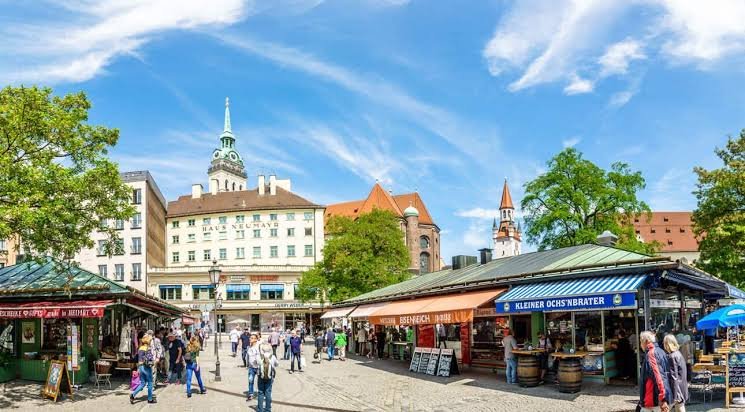
Food lovers should add Viktualienmarkt to their Munich itinerary.
Located near Marienplatz, this outdoor market features food stalls and vendors selling produce, cheeses, meats, baked goods, flowers, and regional specialties.
It is a great place to experience Munich’s food culture without committing to a long restaurant meal.
You can also use the market as a starting point for discovering the surrounding historic streets.
Visit earlier in the day if you want to explore the stalls before they become particularly busy.
Experience Munich’s Beer Culture
Munich is famous for its beer culture, and traditional beer halls are an important part of the city’s social atmosphere.
Beer gardens are particularly popular during warmer weather.
A traditional beer garden experience often involves long communal tables, hearty food, and a relaxed atmosphere.
You do not have to drink alcohol to enjoy the environment. Many establishments offer non-alcoholic beverages and traditional foods.
When visiting beer halls or gardens, remember that local customs can differ from what you may be used to. Observing how people order and share tables can make the experience more comfortable.
Oktoberfest in Munich
Oktoberfest is arguably Munich’s most famous event.
Held annually, the festival attracts millions of visitors and celebrates Bavarian traditions through food, music, rides, costumes, and beer tents.
If you plan to Travel to Munich during Oktoberfest, book accommodation and transportation well in advance.
The city becomes considerably busier during the festival.
If you are attending for the first time, plan your visit carefully. Decide whether you want to spend time in the larger tents, explore the fairground, try traditional food, or simply experience the atmosphere.
Oktoberfest can be fun, but Munich has plenty to offer outside the festival as well.
Explore Munich’s Neighborhoods
Munich’s central attractions are important, but exploring different neighborhoods can give you a better understanding of the city.
Altstadt
Altstadt is Munich’s historic center and the best area for first-time visitors who want easy access to major attractions.
Maxvorstadt
Maxvorstadt is known for museums, universities, galleries, cafés, and a youthful atmosphere.
It is a good choice for travelers interested in art and culture.
Schwabing
Schwabing has long been associated with Munich’s artistic and creative side.
The area has cafés, restaurants, shops, and easy access to the English Garden.
Glockenbachviertel
This lively neighborhood is known for restaurants, cafés, nightlife, and a diverse urban atmosphere.
Exploring neighborhoods like these allows you to move beyond the main tourist attractions.
Best Day Trips From Munich
One of the biggest advantages of Travel to Munich is the city’s location.
There are several interesting destinations that can be reached from Munich as day trips, although journey times and transportation options vary.
Neuschwanstein Castle
Neuschwanstein Castle is one of Germany’s most famous castles and is among the most popular excursions from Munich.
The castle’s dramatic mountain setting makes it especially memorable.
Because it is extremely popular, advance planning is recommended.
Salzburg
The Austrian city of Salzburg can also be visited from Munich, depending on your itinerary and transportation arrangements.
Salzburg is known for its historic center, architecture, music heritage, and Alpine surroundings.
Remember to check current border, transportation, and ticket requirements when planning an international day trip.
Dachau Memorial Site
The Dachau Memorial Site is an important historical location near Munich.
A visit requires a respectful approach because of its connection to the history of the Nazi concentration camp system.
Travelers interested in European history may find this a deeply significant educational experience.
Bavarian Lakes
If you want a break from museums and architecture, consider visiting one of the lakes around Munich.
They can be particularly enjoyable during warmer months when you can walk along the water, cycle, or simply relax.
Munich Travel Tips for First-Time Visitors
A few practical tips can make your trip much easier.
Use Public Transportation
Munich has an extensive public transportation network, including trains, trams, and buses.
Public transport can be one of the easiest ways to move around the city and reach surrounding destinations.
Check current ticket options and zones before traveling because fares and rules can change.
Wear Comfortable Shoes
Munich is a city best explored on foot.
You may spend hours walking between historic buildings, markets, museums, parks, and restaurants.
Comfortable shoes can make a major difference.
Carry a Reusable Water Bottle
Having water with you is useful during long sightseeing days, especially during warmer weather.
Book Popular Attractions Early
Popular attractions and major events can become busy.
If you already know which places you want to visit, check advance booking requirements before arriving.
Carry Some Cash
Cards are widely used, but some smaller businesses and market vendors may have different payment preferences.
Keeping some euros available can be useful.
Learn Basic German Words
English is widely understood in tourist areas, but knowing a few German phrases can be helpful.
Try:
- Hallo = Hello
- Danke = Thank you
- Bitte = Please/You’re welcome
- Guten Morgen = Good morning
- Entschuldigung = Excuse me
- Wie viel kostet das? = How much does that cost?
Even simple phrases can make everyday interactions more pleasant.
What to Pack for Munich
Your packing list should depend on the season.
For spring and autumn, bring layers because temperatures can change throughout the day.
For summer, pack:
- Lightweight clothing
- Comfortable walking shoes
- Sunglasses
- Light jacket
- Sunscreen
- Reusable water bottle
For winter, bring:
- Warm coat
- Gloves
- Scarf
- Hat
- Warm footwear
- Layered clothing
If you plan to visit churches or formal attractions, bring appropriate clothing.
If you’re visiting during Oktoberfest, traditional Bavarian clothing is optional. You do not need to dress traditionally to enjoy the festival.
Is Munich Expensive?
Munich can be more expensive than some other German cities, particularly during major events such as Oktoberfest.
Accommodation prices can increase significantly during busy periods.
However, you can manage your budget by choosing accommodation outside the most expensive central areas, using public transportation, eating at local restaurants, and selecting free or low-cost attractions.
Walking around the historic center and visiting public parks can provide memorable experiences without adding much to your travel budget.
Planning ahead is particularly important if your visit coincides with a major festival or event.
Is Munich Good for Families?
Yes, Munich is a strong destination for families.
Children can enjoy parks, museums, palaces, public spaces, and nearby attractions.
The English Garden provides plenty of room for families to walk and relax, while museums such as the Deutsches Museum can offer educational experiences.
Families should avoid packing too many attractions into one day. Munich is easier to enjoy when you leave time for meals, breaks, and spontaneous exploration.
Is Munich Good for Couples?
Munich can also be an excellent romantic destination.
Couples can enjoy:
- Evening walks through the historic center
- Romantic cafés
- Palace gardens
- Park strolls
- Traditional dinners
- Museum visits
- Day trips to castles
- Seasonal Christmas markets
A combination of city sightseeing and a relaxed evening can make a Munich trip especially memorable.
How to Stay Safe in Munich
Munich is generally considered a safe destination for tourists, but normal travel precautions still apply.
Keep your belongings secure in crowded transportation areas and tourist attractions.
Avoid leaving valuable items unattended and be aware of your surroundings at busy events.
If you are traveling during Oktoberfest or another large event, take extra care with your belongings and plan your journey back to your accommodation in advance.
Always check current official travel advice before your trip for the latest information.
Must Read:
- Travel to Cartagena Colombia: Guide to Beaches, Culture & Adventure
- Group Travel Tips: How to Plan the Perfect Trip with Friends
- Top Solo Travel Safety Tips for Men and Women
Final Thoughts:
Travel to Munich and you will discover a destination that offers far more than beer and Oktoberfest.
From the historic beauty of Marienplatz and Frauenkirche to the grandeur of Nymphenburg Palace, the city provides an impressive combination of history, culture, architecture, and modern life.
You can spend a morning exploring museums, an afternoon relaxing in the English Garden, and an evening enjoying traditional Bavarian cuisine. If you have extra time, Munich’s location also makes it an excellent starting point for exploring castles, lakes, mountains, and other destinations in Bavaria.
For a first visit, three to four days is enough to experience many of Munich’s major attractions. However, staying longer gives you the opportunity to explore the city at a slower pace and take memorable day trips.
Whether you are interested in history, food, art, shopping, architecture, outdoor experiences, or Bavarian traditions, Munich offers plenty of reasons to visit. Plan your itinerary around your interests, leave room for unexpected discoveries, and take the time to enjoy the city’s unique atmosphere.
With the right planning, Travel to Munich can become one of the most rewarding experiences on your European itinerary.