
Brussels, the vibrant capital of Belgium and the administrative heart of the European Union, is a city where history, culture, and modern life blend seamlessly. Known for its magnificent architecture, world-famous chocolates, crispy waffles, and lively squares, Brussels offers something for every traveler. Whether you’re planning a romantic getaway, a family vacation, or a solo adventure, this charming European city promises unforgettable experiences.
From strolling through centuries-old streets to admiring iconic landmarks and sampling authentic Belgian cuisine, every corner of Brussels has its own unique story. The city is compact enough to explore on foot while offering excellent public transportation for reaching nearby attractions. Visitors can spend their days exploring museums, shopping in elegant galleries, relaxing in beautiful parks, and enjoying delicious meals at traditional restaurants and trendy cafés.
This Brussels travel guide covers everything you need to know before your trip, including the best time to visit, transportation options, must-see attractions, and practical travel tips to help you plan the perfect vacation.
Why Visit Brussels?
Brussels is much more than Belgium’s capital. It is a destination that combines medieval history, artistic heritage, international politics, and outstanding food culture in one place.
Here are a few reasons why travelers love Brussels:
Stunning Historic Architecture
The city’s historic center features beautifully preserved buildings dating back hundreds of years. Walking through Brussels feels like stepping into a living museum filled with Gothic churches, ornate guild houses, and elegant town squares.
World-Famous Belgian Food
Brussels is famous for authentic Belgian waffles, handmade chocolates, crispy fries, craft beers, and delicious seafood. Food lovers will never run out of exciting restaurants and local specialties to try.
Rich Cultural Experiences
The city is home to impressive museums, art galleries, comic book culture, music festivals, and historical landmarks that showcase Belgium’s fascinating past.
Easy Access to Europe
Brussels is perfectly connected by high-speed trains and international flights, making it an excellent base for exploring nearby cities like Paris, Amsterdam, Luxembourg, and Cologne.
Family-Friendly Attractions
Children and adults alike enjoy visiting Mini-Europe, Atomium, beautiful parks, chocolate museums, and interactive exhibits throughout the city.

- Explore Brussels’ iconic historic landmarks
- Taste authentic Belgian culinary delights
- Find comfortable stays for everyone
- Plan unforgettable Brussels travel experiences
Best Time to Visit Brussels
Brussels welcomes visitors throughout the year, but each season offers a different experience.
Spring (March to May)
Spring is one of the most pleasant times to visit Brussels. Parks and gardens begin to bloom, temperatures become comfortable, and outdoor cafés reopen. Tourist crowds remain manageable, making sightseeing enjoyable.
Average temperature ranges from 10°C to 18°C.
Summer (June to August)
Summer is the busiest tourist season. Warm weather allows visitors to enjoy outdoor festivals, open-air concerts, walking tours, and terrace dining.
Temperatures usually range between 18°C and 26°C.
Although hotels may be more expensive during summer, the lively atmosphere makes it worth considering.
Autumn (September to November)
Autumn brings colorful parks, fewer tourists, and pleasant weather. Hotel prices often become more affordable after the summer season ends.
Average temperatures range from 9°C to 19°C.
Winter (December to February)
Brussels transforms into a magical destination during Christmas. The city hosts festive markets, beautiful decorations, ice skating rinks, and holiday lights throughout the historic center.
Winter temperatures generally stay between 1°C and 8°C.
How to Get to Brussels
Brussels is one of Europe’s easiest cities to reach.
By Air
Brussels Airport is the primary international airport serving the city. Direct flights connect Brussels with major cities across Europe, North America, Asia, and the Middle East.
After landing, travelers can reach the city center by train, airport bus, taxi, or private transfer in approximately 20 to 30 minutes.
By Train
Brussels is connected to several European cities through high-speed rail services.
Popular train routes include:
- Paris to Brussels
- Amsterdam to Brussels
- London to Brussels
- Cologne to Brussels
Traveling by train is often faster and more environmentally friendly than flying between nearby European destinations.
By Car
Driving to Brussels is convenient if you’re exploring Belgium or neighboring countries. Well-maintained highways connect Brussels with France, Germany, the Netherlands, and Luxembourg.
However, parking in the city center can be expensive, so many visitors prefer using public transportation once they arrive.
Getting Around Brussels
One of Brussels’ greatest advantages is its excellent transportation network.
Walking
Many major attractions are located close together, making walking the best way to explore the historic center.
Walking allows visitors to discover hidden streets, local cafés, boutique shops, and beautiful architecture.
Metro
The Brussels Metro is clean, efficient, and connects most tourist areas with residential neighborhoods.
It is ideal for reaching attractions located outside the city center.
Trams
Brussels operates one of Europe’s largest tram systems.
Trams are comfortable and provide excellent access to museums, shopping districts, and parks.
Buses
Public buses cover areas that are not served by metro or tram lines.
Visitors can purchase day passes for unlimited travel.
Bicycles
Bike-sharing programs make cycling an affordable and enjoyable option during warmer months.
Dedicated cycling lanes continue expanding throughout the city.
Best Places to Visit in Brussels
Brussels is filled with fascinating attractions that combine history, architecture, art, and culture.
Grand Place
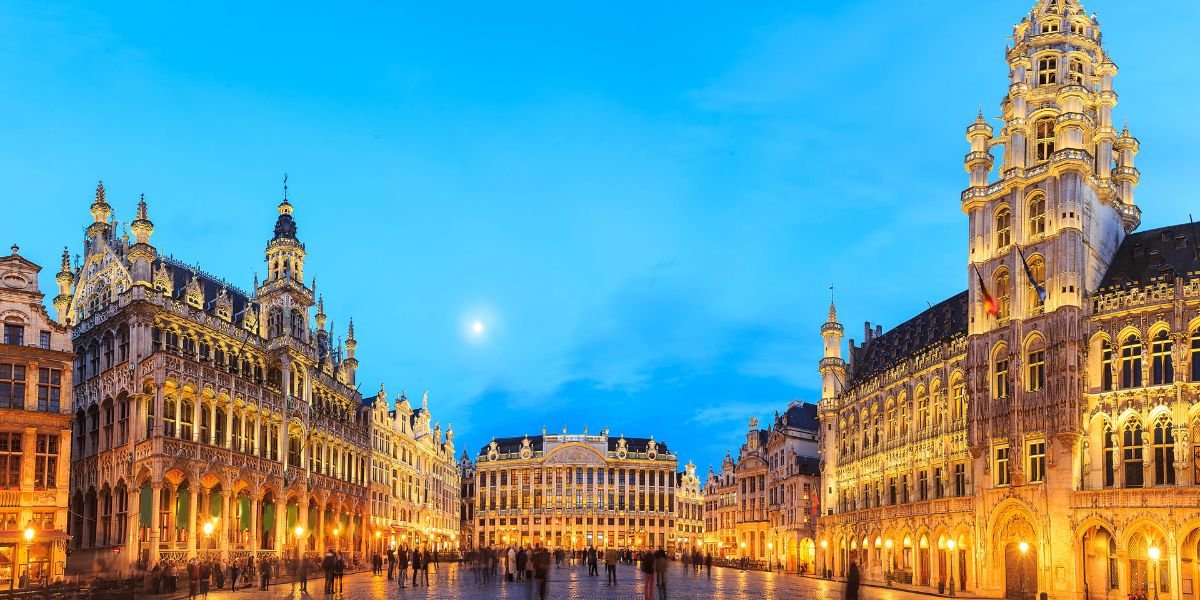
Grand Place is undoubtedly Brussels’ most famous attraction and one of Europe’s most beautiful town squares.
Surrounded by magnificent guild houses, the Town Hall, and historic buildings decorated with gold details, the square impresses visitors at every hour of the day.
During the evening, the illuminated buildings create a spectacular atmosphere.
Throughout the year, Grand Place hosts festivals, concerts, flower displays, and seasonal events that attract travelers from around the world.
Take time to admire the architecture, relax at a nearby café, and capture memorable photographs.
Atomium
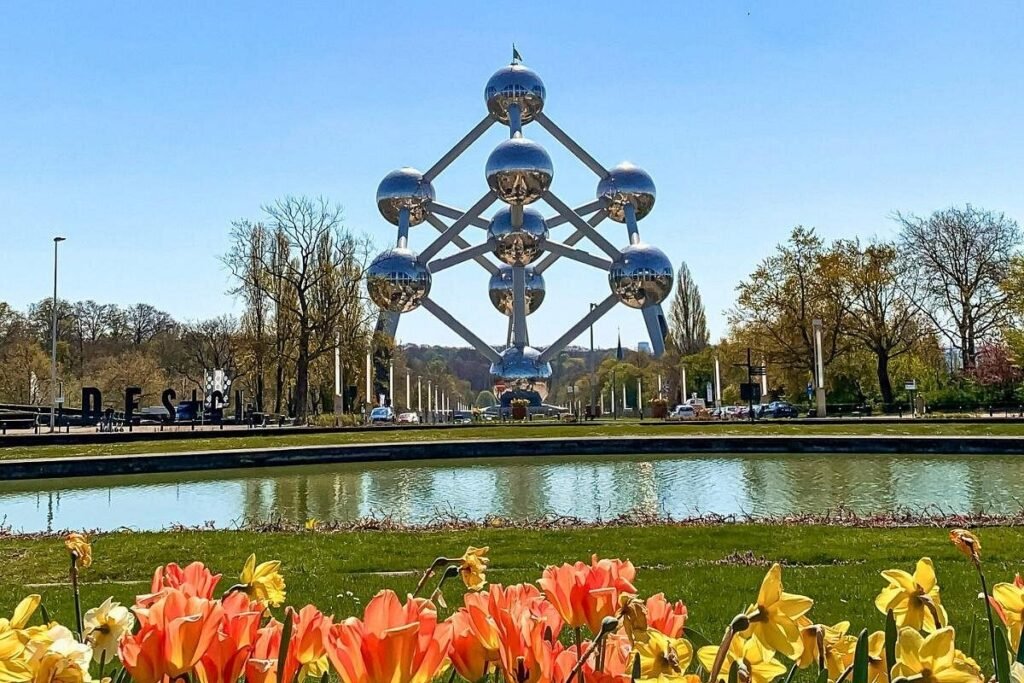
The Atomium is Brussels’ most recognizable modern landmark.
Originally built for the 1958 World’s Fair, the structure represents an iron crystal enlarged billions of times.
Visitors can explore several exhibition spaces inside the spheres while enjoying panoramic views of Brussels from the observation level.
Interactive exhibits explain the building’s history, science, architecture, and design.
The Atomium is particularly beautiful after sunset when illuminated.
Manneken Pis
Although surprisingly small, Manneken Pis remains one of Brussels’ most famous attractions.
This bronze statue of a young boy has become an international symbol of the city’s humor and personality.
The statue frequently wears different costumes during special events, with hundreds of outfits displayed in a nearby museum.
Despite its modest size, visiting Manneken Pis is considered an essential part of every Brussels itinerary.
Galeries Royales Saint-Hubert
Built in the 19th century, these elegant covered shopping galleries are among Europe’s oldest shopping arcades.
Visitors can browse luxury boutiques, jewelry stores, bookstores, chocolate shops, cafés, and restaurants beneath beautiful glass ceilings.
Even if you don’t plan to shop, walking through the galleries is an experience in itself.
The architecture alone makes it worth visiting.
Brussels Town Hall
Standing proudly on Grand Place, Brussels Town Hall is an outstanding example of Gothic architecture.
Its impressive tower dominates the city’s skyline and remains one of Brussels’ most photographed landmarks.
Guided tours allow visitors to admire beautifully decorated halls, historic artwork, and ceremonial rooms while learning about the city’s rich history.
Royal Palace of Brussels
Although the Belgian royal family does not permanently reside here, the Royal Palace serves as the official administrative palace of the monarchy.
The elegant exterior is surrounded by beautiful gardens and wide boulevards.
During certain weeks in summer, visitors can tour several magnificent state rooms decorated with chandeliers, artwork, and luxurious furnishings.
The nearby Brussels Park provides a peaceful place to relax after sightseeing.
Mont des Arts
Mont des Arts is one of the city’s best viewpoints.
The beautifully landscaped gardens offer panoramic views stretching toward the Town Hall tower.
This cultural district also houses several museums, libraries, music venues, and exhibition centers.
Visitors often spend time here enjoying the gardens before exploring nearby attractions.
Belgian Comic Strip Center
Belgium is famous for comic book characters such as Tintin, The Smurfs, and Lucky Luke.
The Belgian Comic Strip Center celebrates this unique artistic tradition through interactive exhibits, original illustrations, and fascinating displays.
Families, comic enthusiasts, and art lovers all enjoy visiting this museum.
Notre-Dame du Sablon
This magnificent Gothic church is considered one of Brussels’ architectural masterpieces.
Inside, visitors will discover beautiful stained-glass windows, detailed sculptures, peaceful chapels, and remarkable craftsmanship dating back centuries.
The surrounding Sablon neighborhood is also known for antique shops, art galleries, chocolate boutiques, and elegant cafés.
More Amazing Places to Visit in Brussels
Brussels offers plenty of attractions beyond its famous landmarks. If you have extra time, these destinations are well worth adding to your itinerary.
Mini-Europe
Mini-Europe is one of Brussels’ most popular family attractions. Located near the Atomium, this open-air park features detailed miniature replicas of famous European landmarks, including the Eiffel Tower, Big Ben, the Acropolis, and the Leaning Tower of Pisa.
Each model is carefully designed and accompanied by informative displays, making it both entertaining and educational. Children especially enjoy the interactive features, while adults appreciate the craftsmanship behind each miniature.
Parc du Cinquantenaire
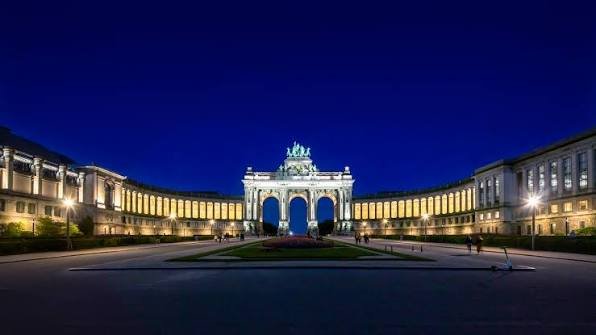
Parc du Cinquantenaire is one of the largest and most beautiful parks in Brussels. Built to celebrate Belgium’s independence, the park features wide walking paths, fountains, gardens, and the impressive triumphal arch that dominates the landscape.
The park is an excellent place to relax after sightseeing, enjoy a picnic, or take photographs. Several museums, including the Royal Museum of the Armed Forces and Military History and Autoworld, are located within the park.
Magritte Museum
Art enthusiasts should not miss the Magritte Museum, dedicated to the works of Belgian surrealist painter René Magritte.
The museum houses hundreds of paintings, sketches, photographs, and personal belongings that provide insight into one of Belgium’s most celebrated artists.
European Quarter
As the headquarters of many European Union institutions, the European Quarter offers a different perspective on Brussels.
Visitors can explore modern architecture, landscaped parks, and educational visitor centers that explain the role of the European Union. The area is peaceful, well-maintained, and ideal for walking.
Place du Grand Sablon
Place du Grand Sablon is one of the city’s most elegant squares. Surrounded by cafés, antique stores, chocolate boutiques, and restaurants, it is the perfect place to enjoy a relaxing afternoon.
On weekends, the square hosts one of Brussels’ most famous antique markets, attracting collectors and visitors from around the world.
Best Places to Eat in Brussels
Brussels is a paradise for food lovers. From traditional Belgian dishes to international cuisine, the city offers dining options for every taste and budget.
Try Authentic Belgian Waffles
No trip to Brussels is complete without tasting freshly made Belgian waffles. They are served with a variety of toppings, including strawberries, bananas, whipped cream, chocolate sauce, caramel, and powdered sugar.
Many local cafés prepare waffles fresh throughout the day, making them a perfect breakfast, dessert, or afternoon snack.
Taste Belgian Fries
Belgian fries are famous for their crispy texture and rich flavor. Traditionally served in paper cones with a wide variety of sauces, they are considered one of Belgium’s most iconic street foods.
Popular sauces include mayonnaise, curry ketchup, garlic sauce, and spicy Andalouse.
Enjoy Fresh Belgian Chocolates
Brussels is home to some of the world’s finest chocolatiers. Visitors can sample handmade pralines, chocolate truffles, chocolate bars, and seasonal specialties.
Many chocolate shops also offer tasting experiences and workshops where visitors can learn about traditional chocolate-making techniques.
Sample Moules-Frites
Moules-frites, a dish consisting of steamed mussels served with Belgian fries, is one of the country’s signature meals.
Restaurants prepare mussels in various styles, including white wine, garlic, herbs, cream, and tomato-based sauces.
Try Belgian Beer
Belgium is internationally recognized for its brewing traditions.
Whether you prefer light lagers, fruity beers, strong ales, or traditional Trappist brews, Brussels offers countless opportunities to sample local varieties in historic pubs and modern beer bars.
Where to Stay in Brussels
Choosing the right neighborhood can make your trip even more enjoyable.
City Centre
The city center is the best choice for first-time visitors. Staying near Grand Place provides easy access to major attractions, restaurants, shopping streets, and public transportation.
This area is lively both during the day and at night.
European Quarter
Business travelers and visitors interested in European institutions often choose the European Quarter.
Hotels here are modern, comfortable, and well-connected by metro.
Sablon
Sablon offers a quieter atmosphere with boutique hotels, art galleries, antique shops, and upscale restaurants.
It is an excellent choice for couples seeking a more relaxed experience.
Ixelles
Ixelles is a vibrant neighborhood known for multicultural restaurants, trendy cafés, nightlife, and shopping.
Young travelers and digital nomads often prefer staying in this area.
Suggested 3-Day Brussels Itinerary
Day 1
- Explore Grand Place
- Visit Brussels Town Hall
- See Manneken Pis
- Walk through Galeries Royales Saint-Hubert
- Enjoy Belgian waffles and chocolates
- Experience the city center at night
Day 2
- Visit Atomium
- Explore Mini-Europe
- Relax in Parc du Cinquantenaire
- Visit the Magritte Museum
- Try authentic Belgian cuisine for dinner
Day 3
- Tour the Royal Palace
- Walk through Mont des Arts
- Explore Sablon district
- Visit the European Quarter
- Shop for Belgian chocolates and souvenirs before departure
Estimated Travel Budget
Your daily expenses depend on your travel style.
Budget Travelers
- Accommodation: €40 to €80
- Food: €20 to €35
- Transportation: €8 to €15
- Attractions: €20 to €40
Estimated daily budget: €90 to €170
Mid-Range Travelers
- Accommodation: €120 to €220
- Food: €40 to €70
- Transportation: €10 to €20
- Attractions: €40 to €70
Estimated daily budget: €210 to €380
Luxury Travelers
- Accommodation: €300+
- Dining: €100+
- Private transportation and premium experiences
Estimated daily budget: €500 or more
Money-Saving Tips
Saving money in Brussels is easier than many visitors expect.
- Book flights and hotels several months in advance.
- Visit museums on discounted admission days.
- Purchase attraction tickets online to secure better prices.
- Walk whenever possible, as many attractions are located close together.
- Use public transportation instead of taxis.
- Stay slightly outside the city center if you’re traveling on a budget.
- Enjoy local bakeries and cafés for affordable meals.
- Carry a reusable water bottle to reduce daily expenses.
Safety Tips for Travelers
Brussels is generally safe for tourists, but taking a few precautions will help ensure a smooth trip.
- Keep valuables secure in crowded areas.
- Be aware of your surroundings in busy train stations.
- Use licensed taxis or trusted ride-sharing services.
- Avoid carrying large amounts of cash.
- Keep copies of important travel documents.
- Purchase travel insurance before your trip.
- Follow local transportation guidelines and road signs.
What to Pack for Brussels
Packing depends on the season, but these essentials are useful year-round.
- Comfortable walking shoes
- Light rain jacket or umbrella
- Reusable water bottle
- Universal travel adapter
- Power bank
- Comfortable backpack
- Camera or smartphone
- Travel documents
- Layered clothing for changing weather
- Basic medications
Shopping in Brussels
Brussels offers excellent shopping opportunities for every budget.
Popular souvenirs include:
- Belgian chocolates
- Belgian lace
- Handmade chocolates
- Comic books featuring Tintin and The Smurfs
- Belgian beer gift sets
- Local cheeses
- Decorative ceramics
- Artisan crafts
Shopping streets such as Rue Neuve and Avenue Louise feature international brands alongside local boutiques.
Final Thoughts:
Brussels is a destination that combines history, architecture, culture, and outstanding cuisine into one unforgettable travel experience. Whether you’re admiring the beauty of Grand Place, enjoying panoramic views from the Atomium, tasting authentic Belgian waffles, or exploring world-class museums, every day in Brussels offers something memorable.
The city’s compact layout makes sightseeing convenient, while its excellent public transportation connects visitors to every corner of the capital. From luxurious hotels and fine dining to affordable accommodations and local cafés, Brussels welcomes every type of traveler.
Whether you’re visiting Belgium for the first time or returning to explore more of its hidden treasures, Brussels deserves a place on your European travel itinerary. Plan ahead, book your attractions in advance, and take time to experience the city’s unique blend of tradition and modern life.
Must Read:
- Travel to Palma de Mallorca: Complete Travel Guide
- Travel to Stockholm Sweden: Travel Tips & Guide
- Unique Travel Experiences UK
FAQs:
1. Is Brussels worth visiting?
Yes. Brussels offers historic landmarks, excellent museums, delicious food, vibrant neighborhoods, and easy access to other European cities.
2. How many days should I spend in Brussels?
A 2 to 3-day trip is enough to explore the city’s major attractions, while 4 to 5 days allows time for day trips and a more relaxed experience.
3. What is Brussels famous for?
Brussels is famous for Grand Place, the Atomium, Belgian chocolates, waffles, fries, beer, comic book culture, and being the headquarters of the European Union.
4. What is the best month to visit Brussels?
April, May, September, and October offer pleasant weather, fewer crowds, and comfortable sightseeing conditions.
5. Is Brussels expensive for tourists?
Brussels is moderately priced compared to many other Western European capitals. Budget travelers can enjoy the city comfortably with proper planning.
6. Do people speak English in Brussels?
Yes. English is widely spoken in hotels, restaurants, tourist attractions, and public transportation, making it easy for international visitors.